Roman Sites in Egypt: Explore Theatres, Temple Halls and Desert Quarries
Roman sites in Egypt include a compact performance building in Alexandria, mosaic-decorated houses, the towers of Babylon Fortress and temples built in Egyptian architectural forms under Roman emperors. Desert quarry installations add the places where workers cut and prepared stone for buildings elsewhere in the empire.
The collection includes Roman additions to older religious centres as well as complexes founded during Roman rule. At Dendera, the relevant construction forms part of a temple with a much longer history; at Mons Claudianus, the quarry workings and settlement belong to a Roman industrial operation in the Eastern Desert.
Primary Function: All
Type: All
Popularity: All
Rating: All
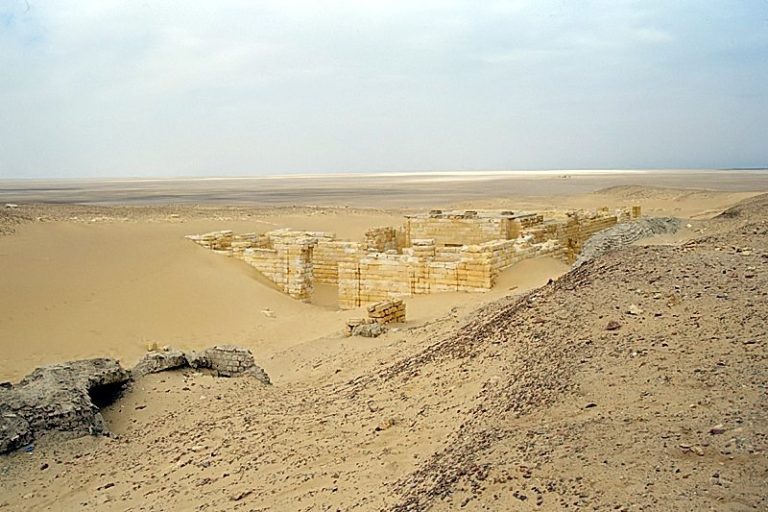
Medinet Maadi preserves an Egyptian settlement and temple complex occupied from the Middle Kingdom through the early Islamic period, with remains of…
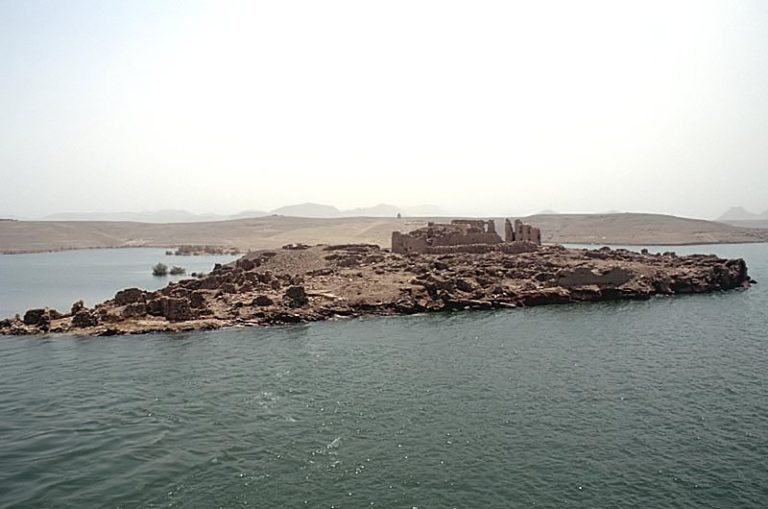
Qasr Ibrim in Lower Nubia developed from an Egyptian and Kushite center into a Roman fortress, Christian episcopal city, and Ottoman garrison. Its…
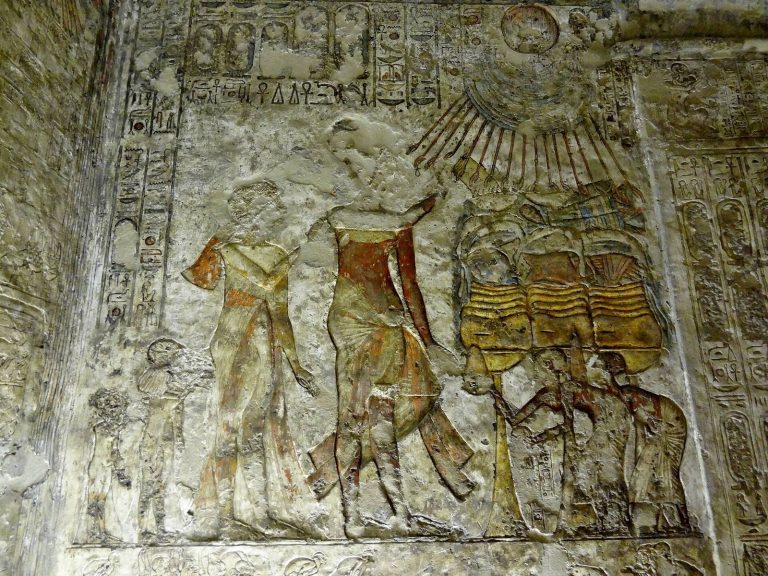
Amarna preserves the remains of Akhetaten, the short-lived capital founded by Pharaoh Akhenaten in the mid-fourteenth century BC for the worship of…
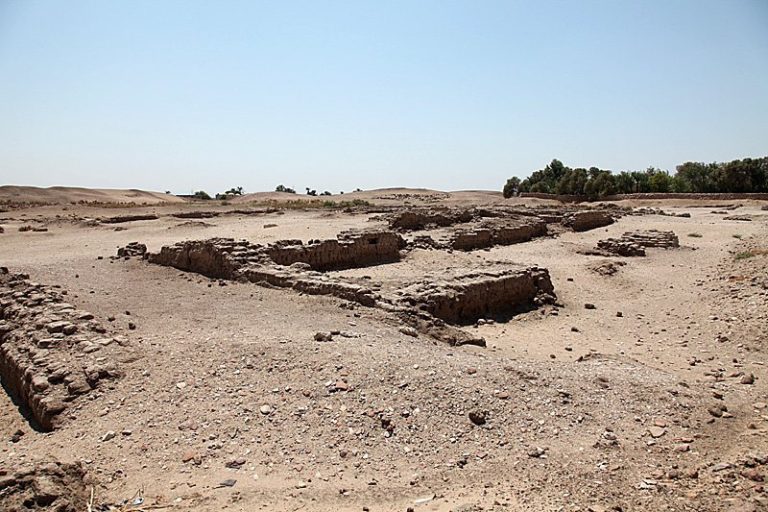
Malkata was a vast New Kingdom palace complex built by Amenhotep III on the west bank of the Nile at Thebes. It served as a royal residence,…
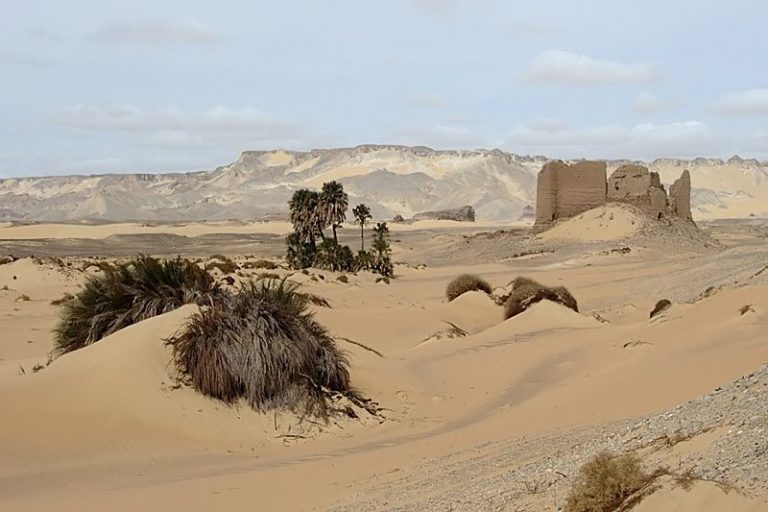
Qasr el-Labakha was a fourth-century Roman fortress and settlement in Egypt’s Kharga Oasis, guarding caravan routes and relying on a spring, well,…
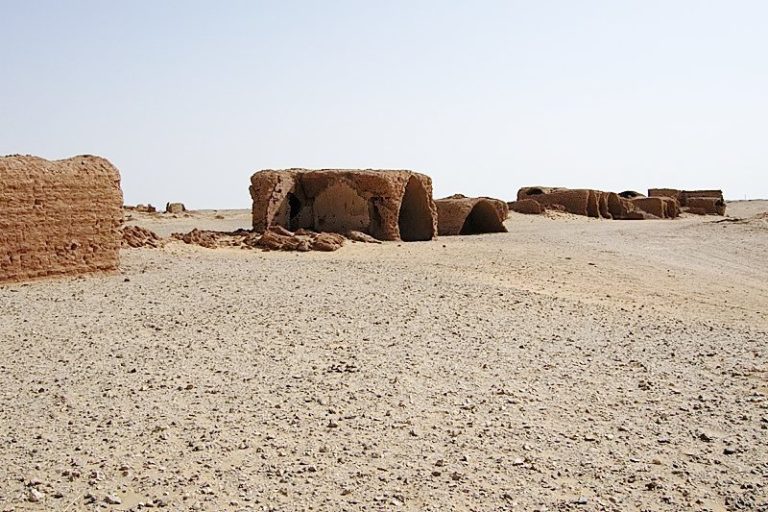
Kellis, also known as Ismant el-Kharab, was a Dakhleh Oasis settlement occupied from the late Ptolemaic period until after AD 392. Its remains…
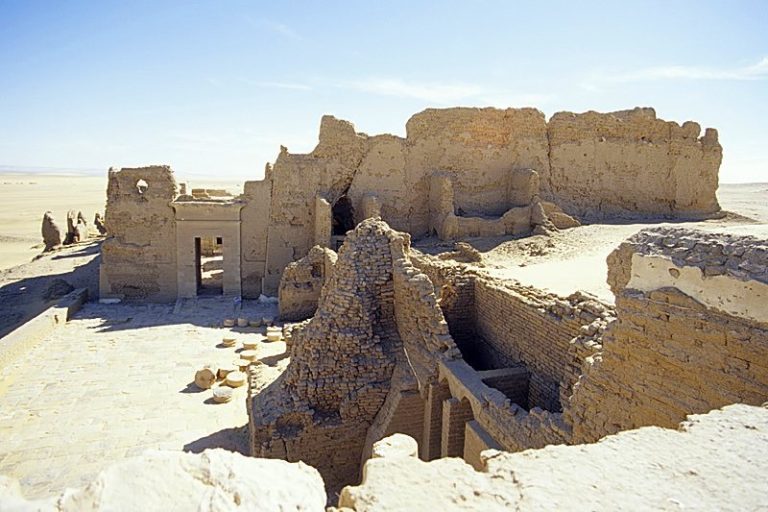
Qasr Dush, ancient Kysis, was a Ptolemaic and Roman settlement at the southern end of Egypt’s Kharga Oasis. Its temple, fort, cemeteries, and…
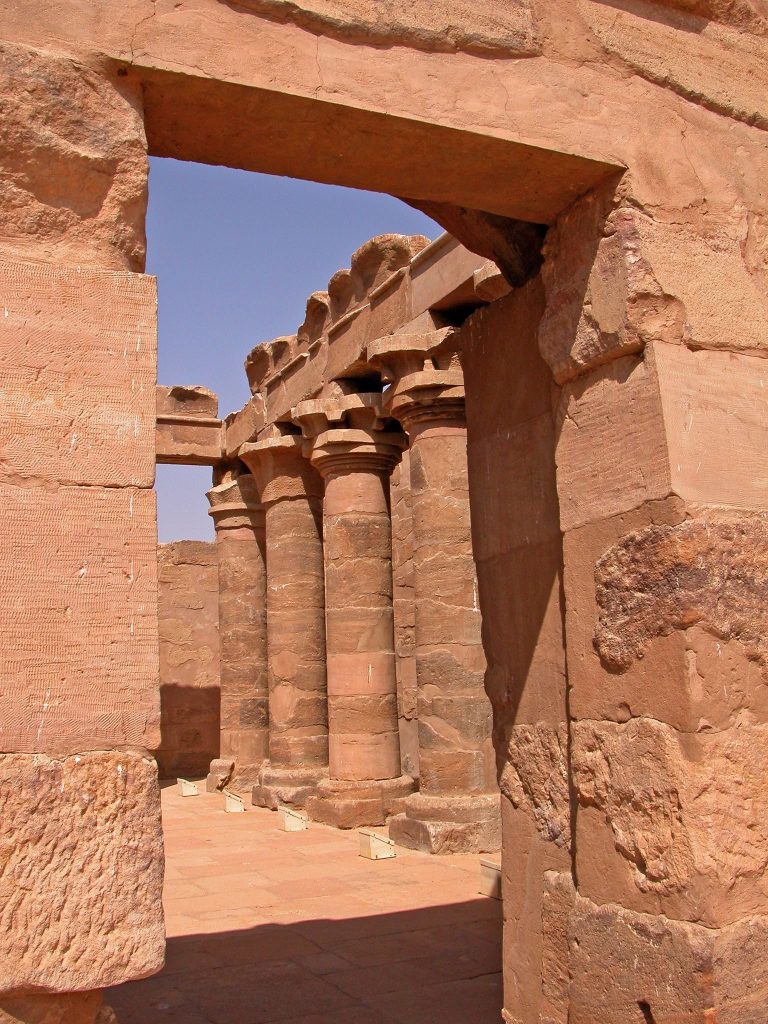
The Temple of Maharraqa was a frontier sanctuary dedicated mainly to Isis and Serapis. Moved to New Sebua to protect it from Lake Nasser, it…
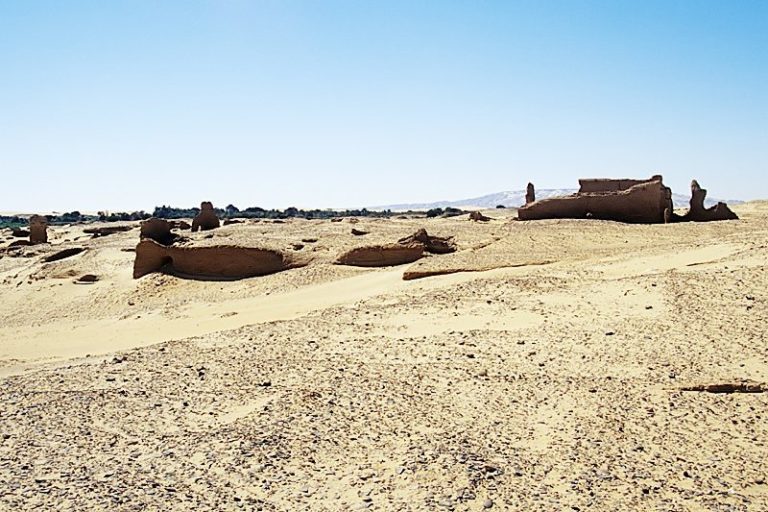
Amheida preserves the remains of Trimithis, a settlement in Egypt’s Dakhla Oasis with ancient Egyptian, Roman, and early Christian phases, including…
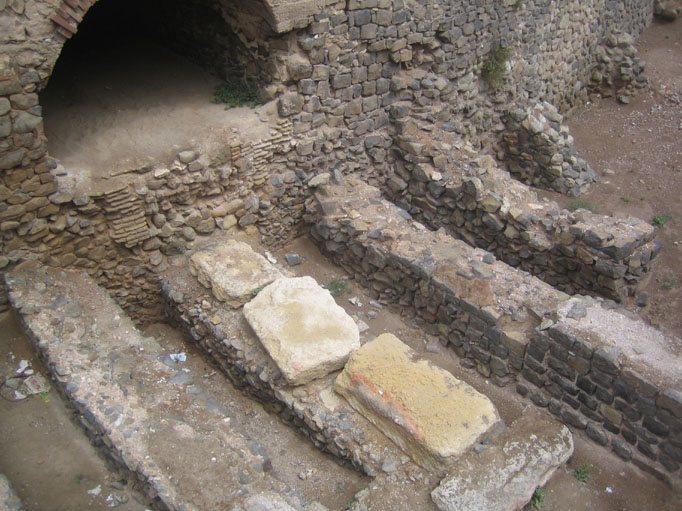
The Theatre of Pelusium was built during the Roman imperial period and formed one of the city’s two urban theatres. Its restored foundations preserve…
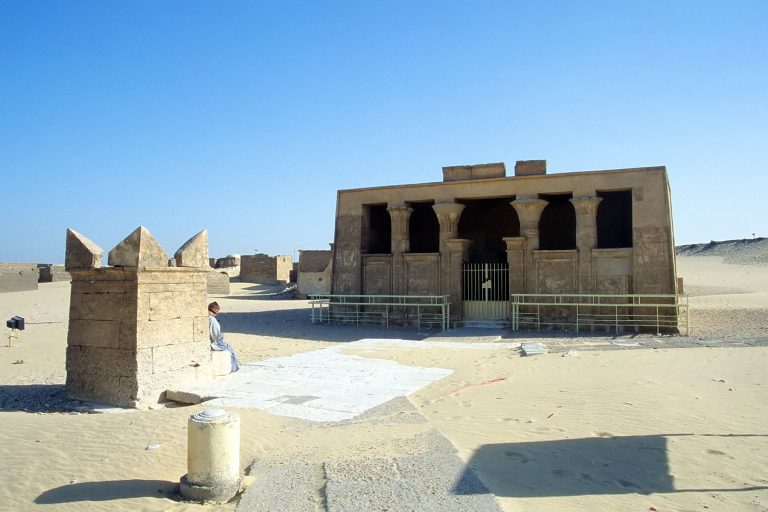
Tuna el-Gebel was the cemetery of Hermopolis Magna, combining sacred animal galleries, Ptolemaic and Roman tombs, temples, priestly buildings, and…
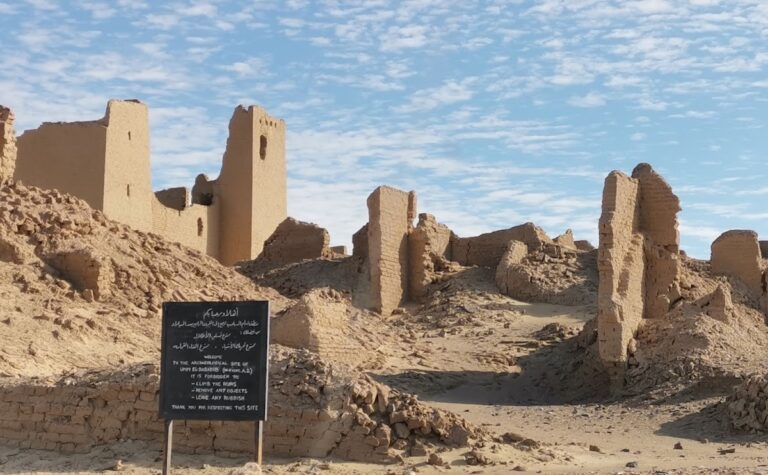
Umm El Dabadib Spring offers insight into a long-occupied site that evolved from a prehistoric settlement to a fortress town with a unique irrigation…
For details on how to use the maps, which sites are included, how popularity and ratings are determined, and how sites are classified, see the help page.
On this page6 sections
Alexandria’s theatre and mosaic rooms
The Roman theatre at Alexandria, in the Kom el-Dikka archaeological area, has a horseshoe-shaped auditorium with thirteen rows of seating. Greek letters and numerals marked the rows. Supporting walls, arches and vaulted structures carried the seats, while mosaic-decorated halls occupied the western entrance area. The compact arrangement provided space for an audience of approximately six hundred.
Nearby, the Villa of the Birds preserves mosaic floors within the plan of an early Roman residence. One pavement divides bird images into separate square panels, including a peacock, parrot and waterbirds. Other rooms combine geometric and floral designs with an animal figure at the centre. A large dining room opened from the courtyard and had its own geometric pavement.
The villa’s floors survived the loss of much of the building above them. Protective roofing covers the mosaics, and sections of the walls have been reconstructed in a form distinguishable from the original masonry. The room divisions keep the decoration connected to the house’s arrangement.
Babylon Fortress and the canal entrance
The Fortress of Babylon in Old Cairo was built around a canal and fortified harbour beside the Nile. Two large circular towers flanked the canal’s passage through the defences. The surviving walls combine stonework with horizontal courses of brick, and their principal form belongs to the late Roman enlargement around AD 300.
The canal was later blocked between the towers, while the Nile shifted away from its former bank. Churches and other buildings subsequently occupied the enclosure or incorporated its masonry. The Roman towers remain part of that later urban fabric, preserving an entrance originally designed around a waterway rather than a street alone.
Roman construction at Dendera
At the Dendera Temple Complex, the great columned hall of the Temple of Hathor belongs to the Roman period, although construction of the surviving temple began under the Ptolemies. Its roof rests on closely spaced columns, with painted and carved religious scenes on the walls and ceiling. Cleaning and conservation have revealed colour that had been obscured by deposits.
The Roman birth house, or mammisi, adds another building within the precinct. Reliefs show Trajan making offerings to Egyptian deities in the role of a pharaoh. Roman patronage continued the temple’s established religious imagery and building forms, rather than replacing them with the columned porch and pediment familiar from temples in Italy.
Deir el-Hagar’s decorated sanctuary
Deir el-Hagar in Dakhla Oasis preserves a sandstone temple within a larger enclosure. A portico and offering hall led towards the sanctuary, where reliefs and inscriptions include Roman emperors participating in Egyptian religious ceremonies. A coloured scene depicts Titus presenting offerings to Khnum and Set.
The temple was uncovered and partly rebuilt during modern conservation. Names carved high on columns by nineteenth-century travellers record the level to which sand had accumulated before clearance. The compact sanctuary and its enclosure provide a smaller oasis example alongside Dendera’s much larger temple precinct.
Quarry workings at Mons Claudianus
At Mons Claudianus, cut rock faces, workshops, ramps and unfinished stone pieces survive across a mountainous quarry complex. Workers prepared blocks and columns near the extraction points before moving them towards loading areas. Broken or abandoned products preserve stages of manufacture that finished buildings conceal.
The associated settlement supplied accommodation and services for the operation. Written records recovered at the site concern tools, transport, wages and provisions. The grey stone quarried here travelled to major Roman buildings, while the desert remains preserve the workshops and transport arrangements at the beginning of that journey.
Explore the collection
Explore sites on the map or in the grid. Map icons reflect each site’s primary function, helping you identify different kinds of places at a glance. Narrow the results by primary function, site type or era, with additional filters for popularity and rating. Select a map marker to view the site’s details and open its article, or open the article from its grid entry.