Ottoman Sites: Explore Mosques, Palaces, Bridges and Historic Towns
Explore more than 700 Ottoman sites, including domed mosques, historic towns, palaces, bridges and caravanserais. Religious buildings form the largest group, alongside fortifications and places used for trade and travel. Examples in Turkey, the Balkans and Egypt introduce prayer halls, timber-framed houses, arcaded courtyards and court interiors, with later rebuilding distinguished from the earlier structures.
Primary Function: All
Type: All
Country: All
Popularity: All
Rating: All
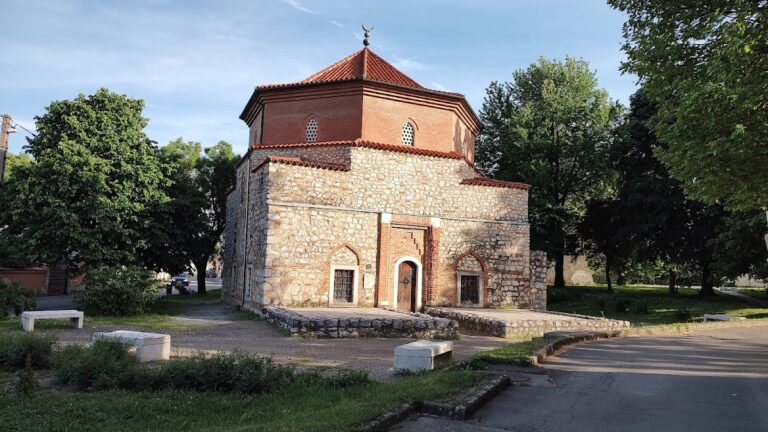
Malkocs Bej Mosque is a surviving mid-sixteenth-century Ottoman building in Siklós, restored after centuries of alteration and partial destruction.
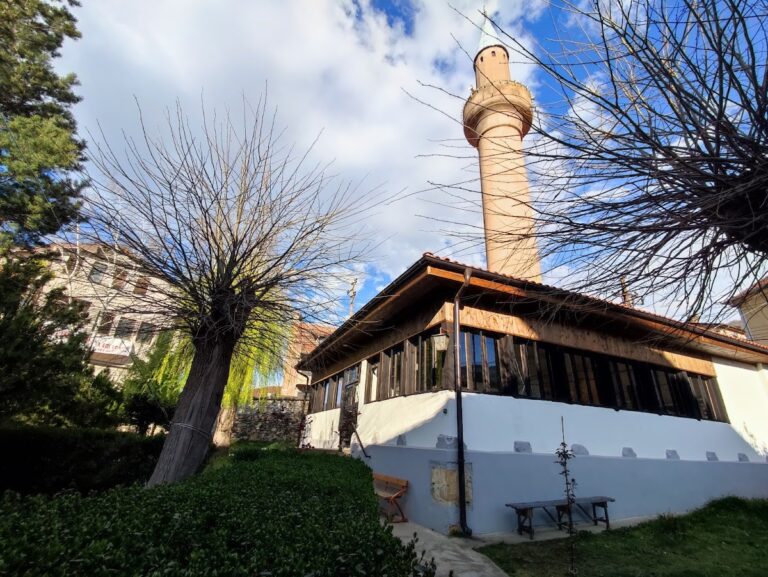
The Mosque of Muderis Ali Efendi is a historic Sunni mosque in Prizren, founded in 1581 and associated with the Ottoman period. Its cemetery,…

Naziresha Mosque is a late-sixteenth-century Ottoman religious monument in Elbasan, Albania, known for its classical domed design, unusual entrance…

Al-Tawashi Mosque is a fourteenth-century Mamluk mosque in Aleppo’s Ancient City, later enlarged in 1537 and distinguished by its stone construction,…
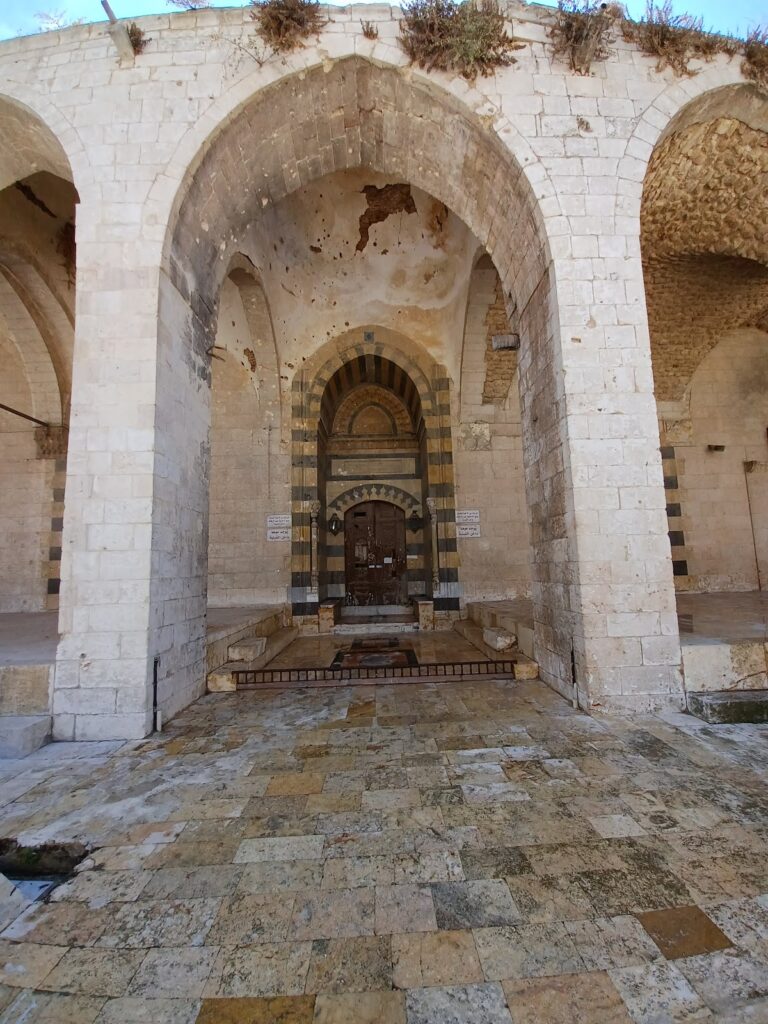
Bahramiyah Mosque, also known as Behram Pasha Mosque, is an Ottoman-period congregational mosque in Aleppo, Syria, built between 1580 and 1583 and…
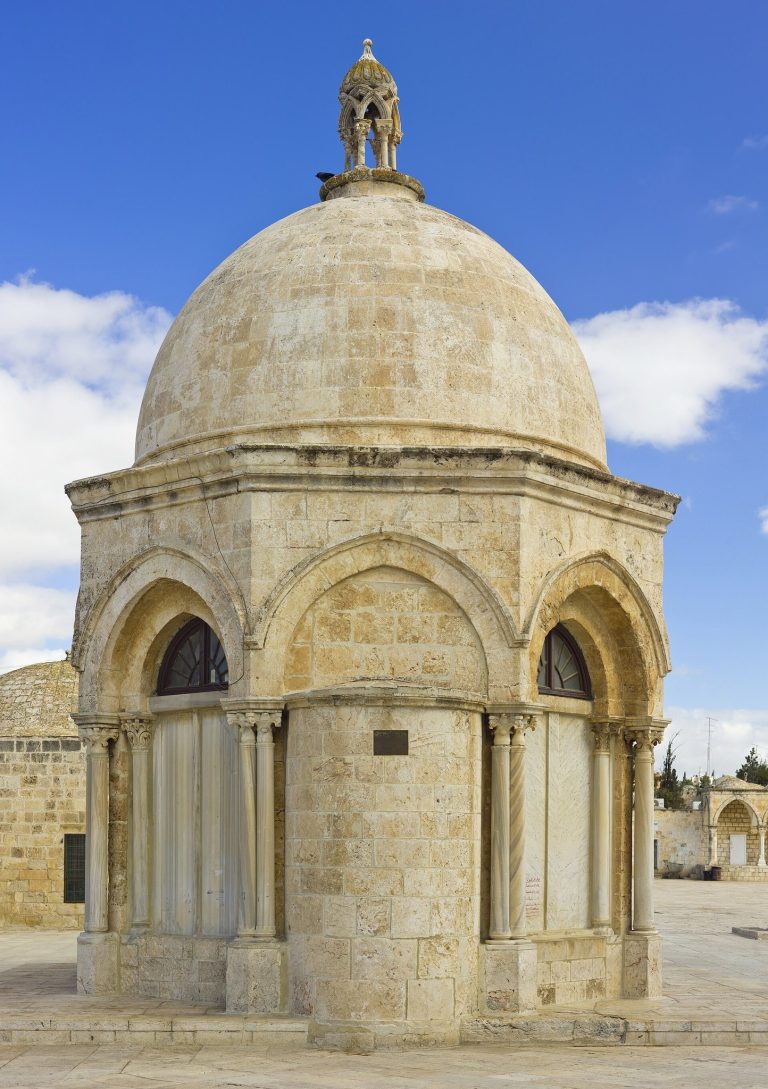
The Dome of the Ascension is a small Islamic monument in Jerusalem's al-Aqsa compound, associated with Muhammad's ascent to heaven. Its present…
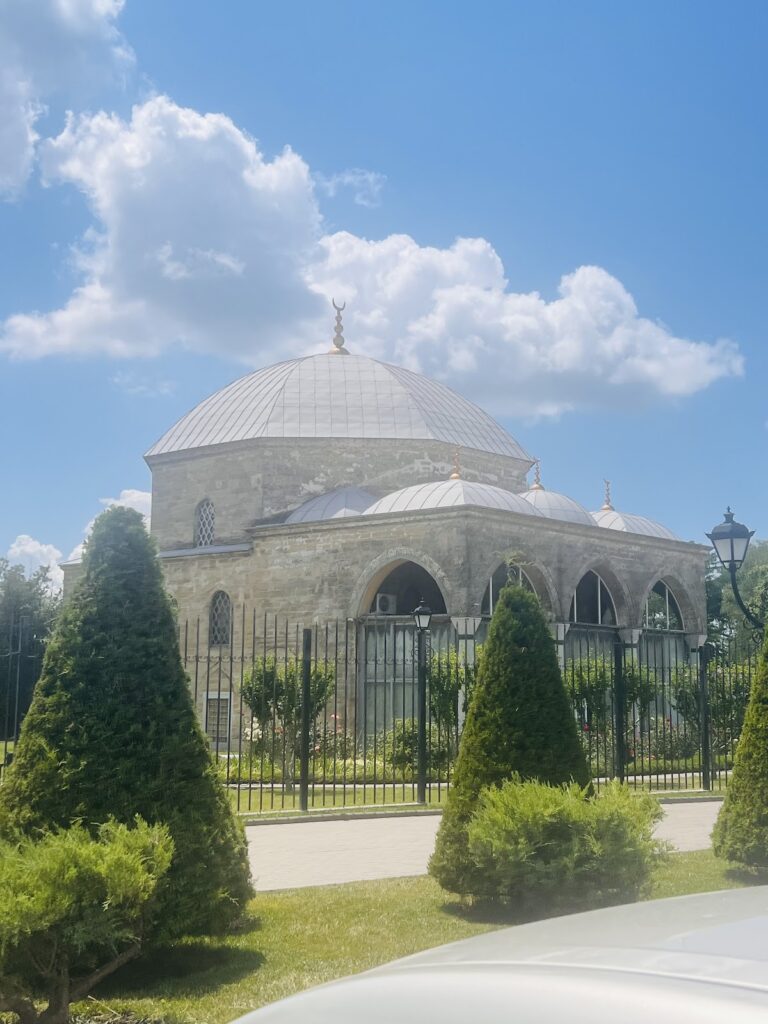
Izmail Mosque, also known as Küçük Camii, is a former Ottoman mosque within the Turkish fortress of Izmail. Built between the fifteenth and sixteenth…
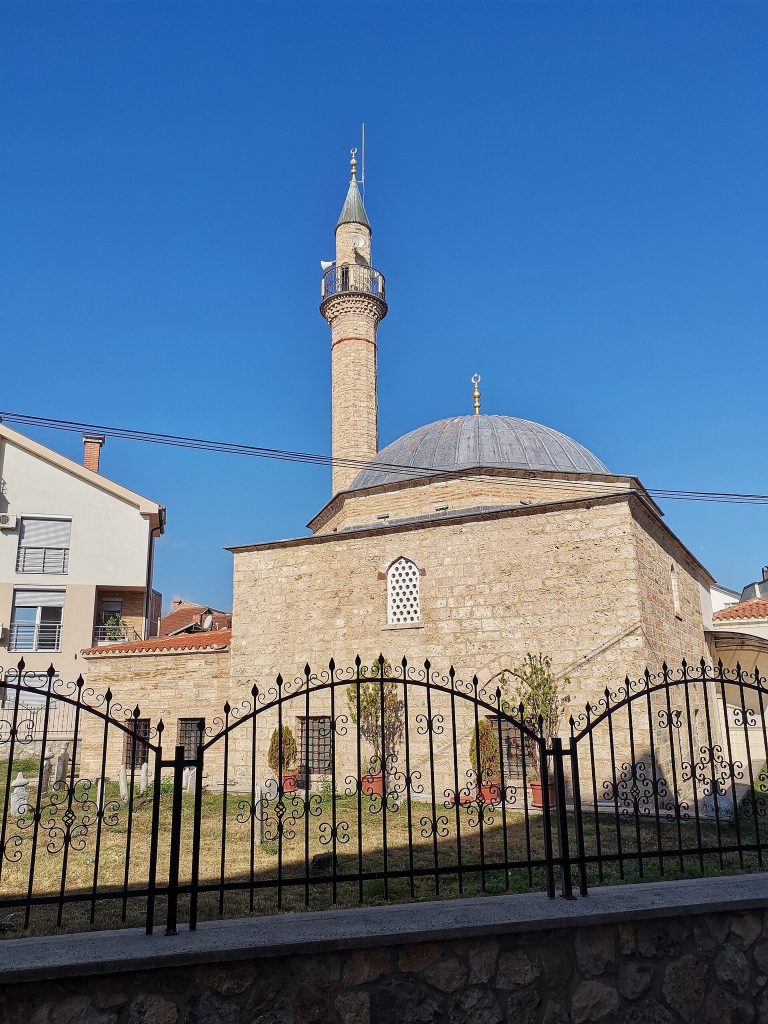
Mustafa Çelebi Mosque is an Ottoman-era Sunni mosque in Struga, North Macedonia, built between the late 16th and early 17th centuries and later…
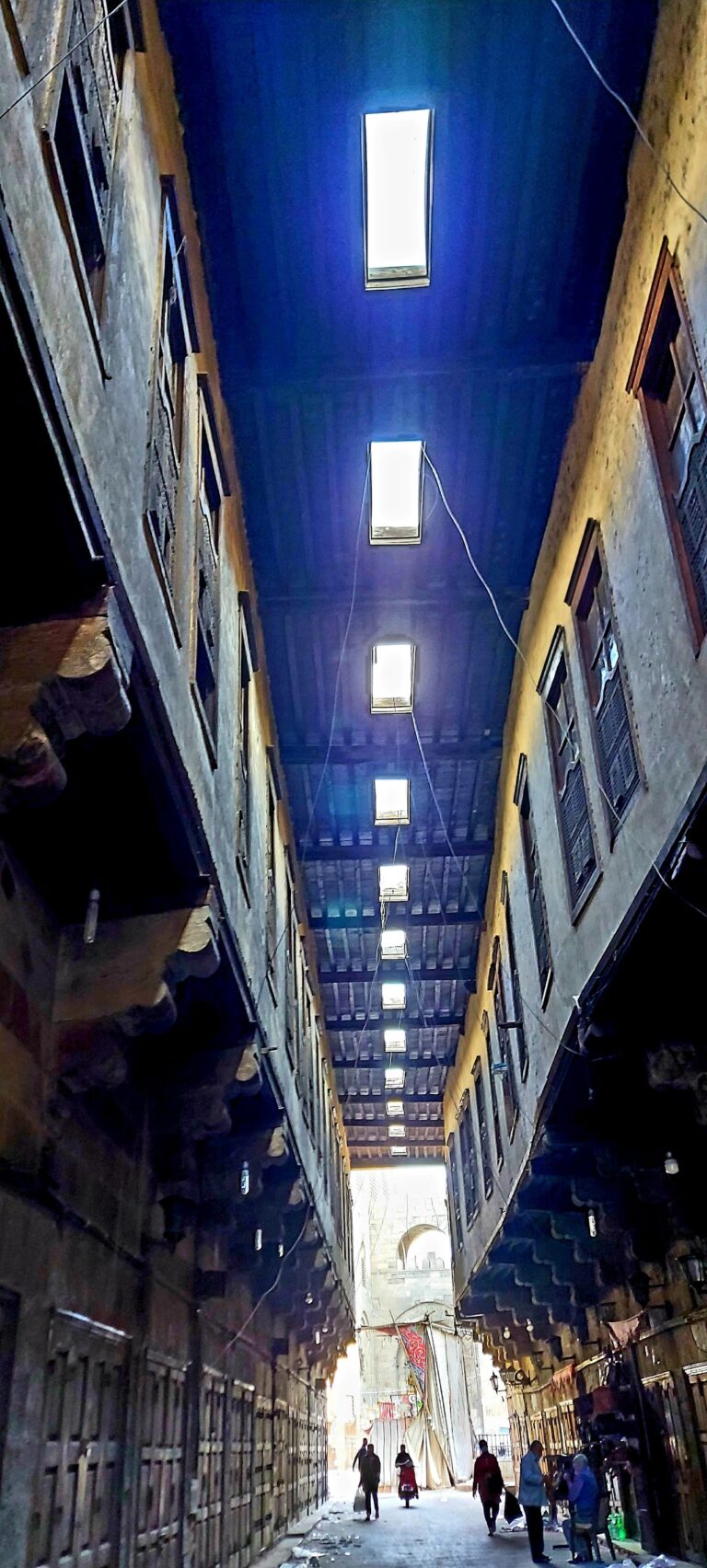
The Qasaba of Radwan Bey is a seventeenth-century covered market street south of Bab Zuweila in Cairo. Founded by the Mamluk Bey Radwan Bey, it…
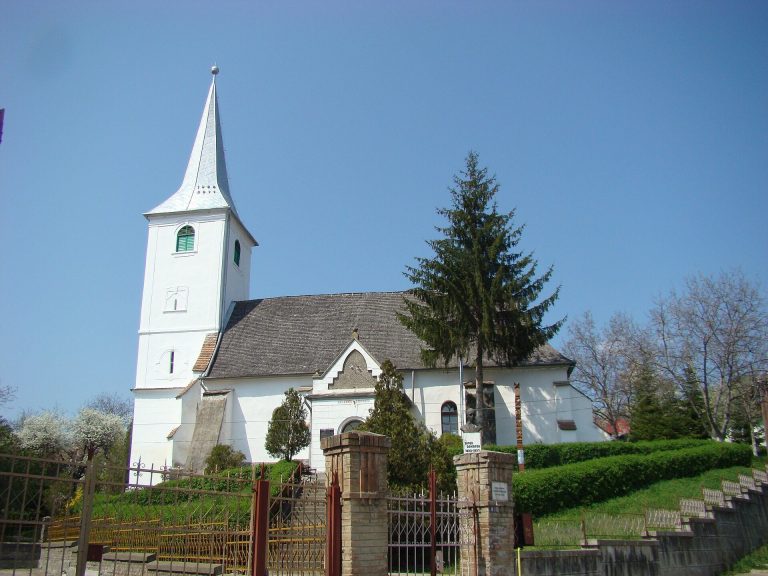
The Unitarian church in Târnăveni originated in the late thirteenth century and preserves a 1599 tower, an eighteenth-century painted coffered…
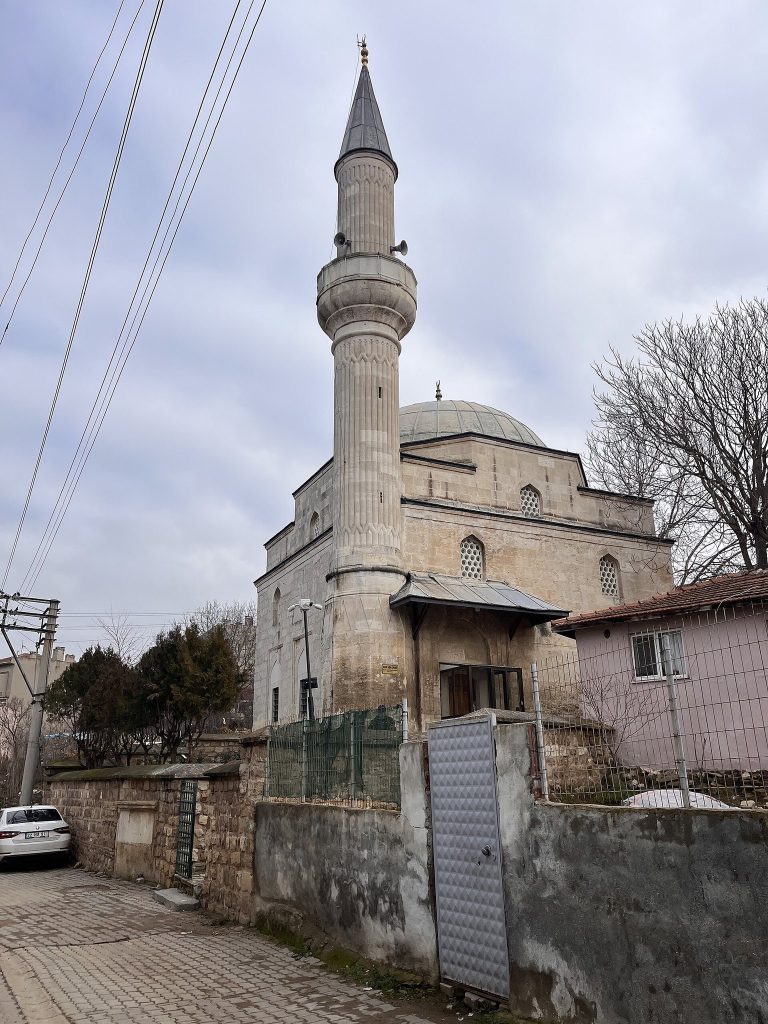
Arif Agha Mosque is an Ottoman-period mosque in central Edirne, associated with a foundation date of 1463 and completion around 1506. Known popularly…
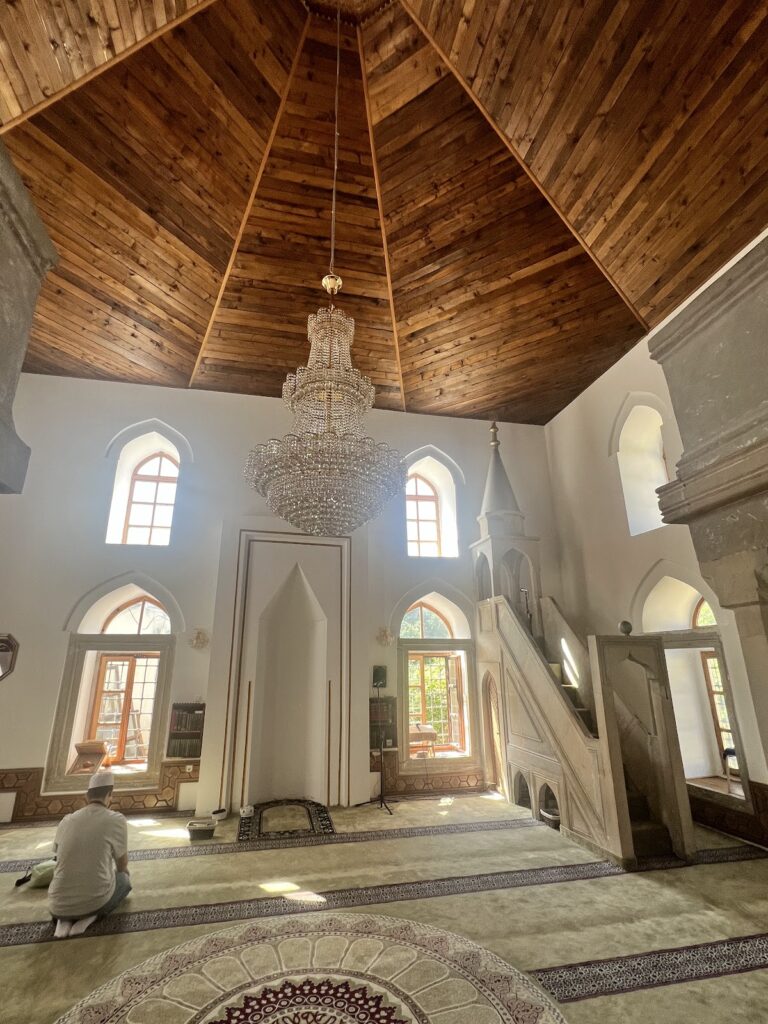
Čaršijska Mosque in Konjic, also known as the Junuz-čauš Mosque, is a sixteenth-century Ottoman religious building shaped by later restoration,…
For details on how to use the maps, which sites are included, how popularity and ratings are determined, and how sites are classified, see the help page.
On this page6 sections
Mosques and domed prayer halls
The Grand Mosque of Bursa spreads its prayer hall beneath twenty domes arranged in rows. The repeated supports divide a broad interior into smaller bays, rather than gathering the whole building under one central dome. A walnut pulpit uses interlocking pieces of wood to form geometric patterns, with carved vegetal ornament filling the panels.
At the Sulayman Pasha Mosque in Cairo’s Citadel, a central dome and adjoining semi-domes create a different interior arrangement. Founded in the sixteenth century for the Ottoman garrison, the mosque combines that domed form with marble wall decoration and a courtyard. Its prayer niche and carved pulpit sit within an interior shaped by both Ottoman design and Cairene craftsmanship.
The Husein Pasha Mosque in Pljevlja, Montenegro, provides a more compact example. A square prayer hall is preceded by a porch carried on marble columns and covered by three small domes. Windows rise in tiers around the hall, while painted floral patterns and inscriptions decorate the dome and walls. The porch, minaret and single main dome form a tightly grouped composition.
Historic towns, houses and shops
At Safranbolu, Ottoman domestic architecture survives across whole neighbourhoods. Traditional houses commonly have a stone ground floor with plastered timber framing above. Projecting upper rooms follow the turns of narrow streets, while interiors use halls to connect rooms furnished with built-in cupboards, fireplaces and benches.
The town’s districts had different arrangements. In Kıranköy, stone buildings often combined shops below with living spaces above. In Bağlar, detached houses stood in gardens and orchards used as summer residences. These differences remain visible in the street pattern and the spacing of the houses, alongside the more closely packed market area in the lower town.
Stone bridges and river crossings
The Kanuni Sultan Süleyman Bridge crosses the outlet of Büyükçekmece Lake near Istanbul. Designed by Sinan, it uses four separate sections and a long sequence of stone arches to span the water and intervening shallow islands. The sections rise and fall along the crossing, making the bridge’s structure visible across the open setting.
Commissioned under Süleyman I and completed under Selim II, the bridge served the route from Istanbul towards Europe. An inscription records its completion in 1567. The nearby mosque, inn and fountain formed additional facilities at the crossing.
Caravanserais and trading courtyards
The Sokollu Mehmet Pasha Caravanserai, at Payas in southern Turkey, provided accommodation and trading space. A large courtyard and a covered street lined with shops organise the complex. Guest rooms, storage and food preparation supported travellers, while adjoining religious and service buildings expanded its functions. Its sixteenth-century foundation was connected with the development of Payas as an Ottoman maritime and military base.
Palaces and state rooms
Dolmabahçe Palace extends along the European shore of the Bosporus in Istanbul. Built for Abdülmecid I and opened in 1856, it separates state and reception rooms from the imperial family’s apartments, with the great Ceremonial Hall between them. Its long waterfront façade presents an ordered sequence of windows, columns and projecting central features.
Inside, the Crystal Staircase links the reception levels, while the Ceremonial Hall rises beneath a high dome with an enormous chandelier. The palace combines European decorative forms with the distinct requirements of an Ottoman court, including the separation of public ceremonial space from the more private residential wings.
Explore the collection
Explore sites on the map or in the grid. Map icons reflect each site’s primary function, helping you identify different kinds of places at a glance. Narrow the results by country, primary function, site type or era, with additional filters for popularity and rating. Select a map marker to view the site’s details and open its article, or open the article from its grid entry.