Kushan Sites: Explore Stupas, Monasteries and Ancient Cities
Kushan-period remains include large Buddhist stupas, monastic compounds and the excavated neighborhoods of Central Asian cities. The collection spans places with different local histories, many founded before Kushan rule and altered afterward. Their articles identify the relevant building phases and explain the surviving structures in their urban or religious setting.
Primary Function: All
Type: All
Country: All
Popularity: All
Rating: All
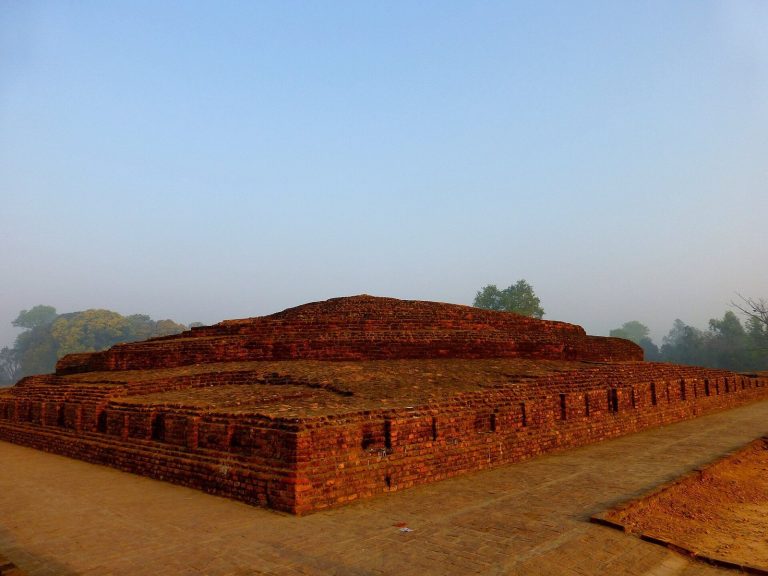
Piprahwa is an ancient Buddhist site associated with a stupa, relic deposits and monastic remains. Its excavations have shaped debates about the…
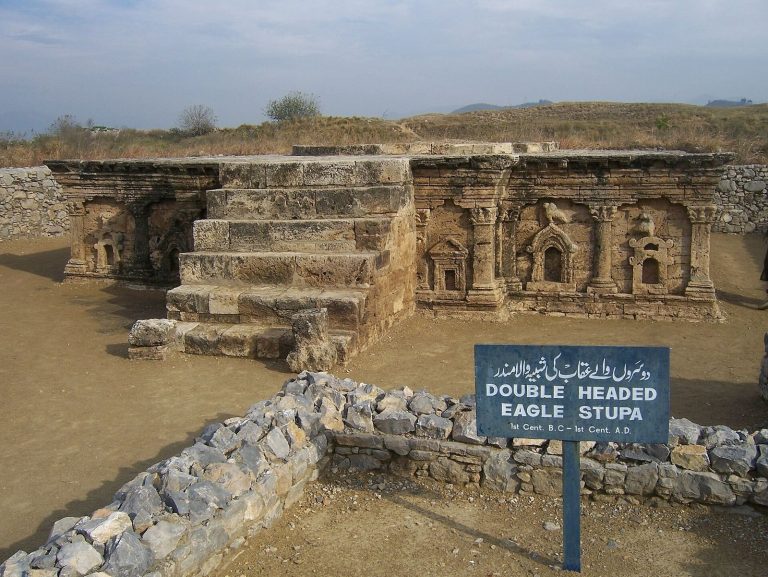
Taxila developed from prehistoric settlements into a capital of Gandhara and a centre of learning, trade and Buddhist activity. Its archaeological…
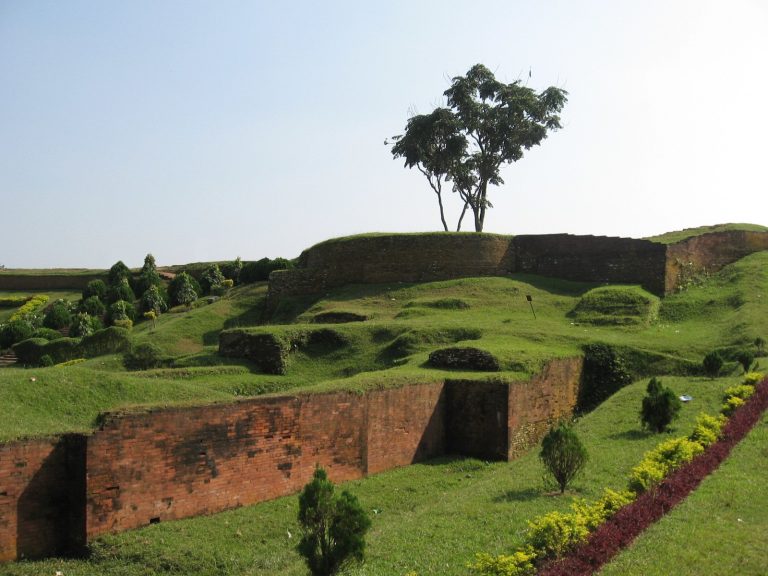
Mahasthangarh preserves the remains of an ancient urban centre identified with Pundranagara, a Mauryan and later regional capital in northern…
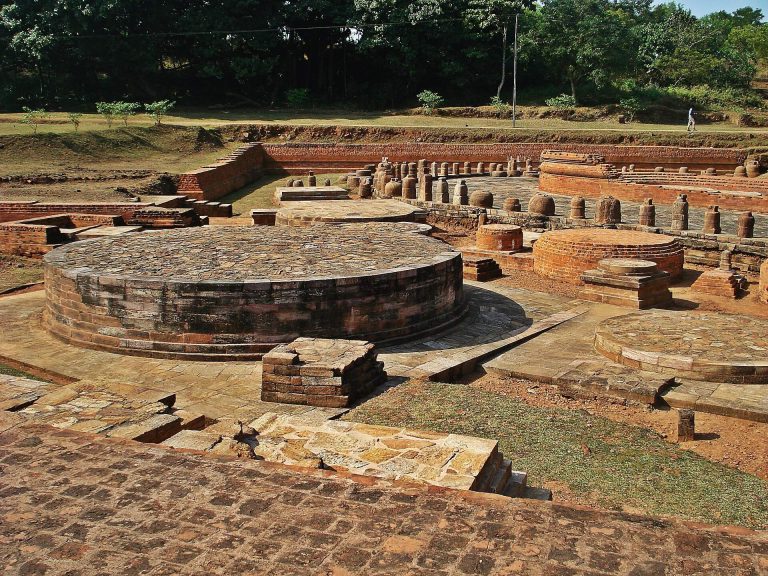
Lalitgiri is one of Odisha’s earliest Buddhist sites, with remains spanning the post-Mauryan period to the thirteenth century. Its stupas,…
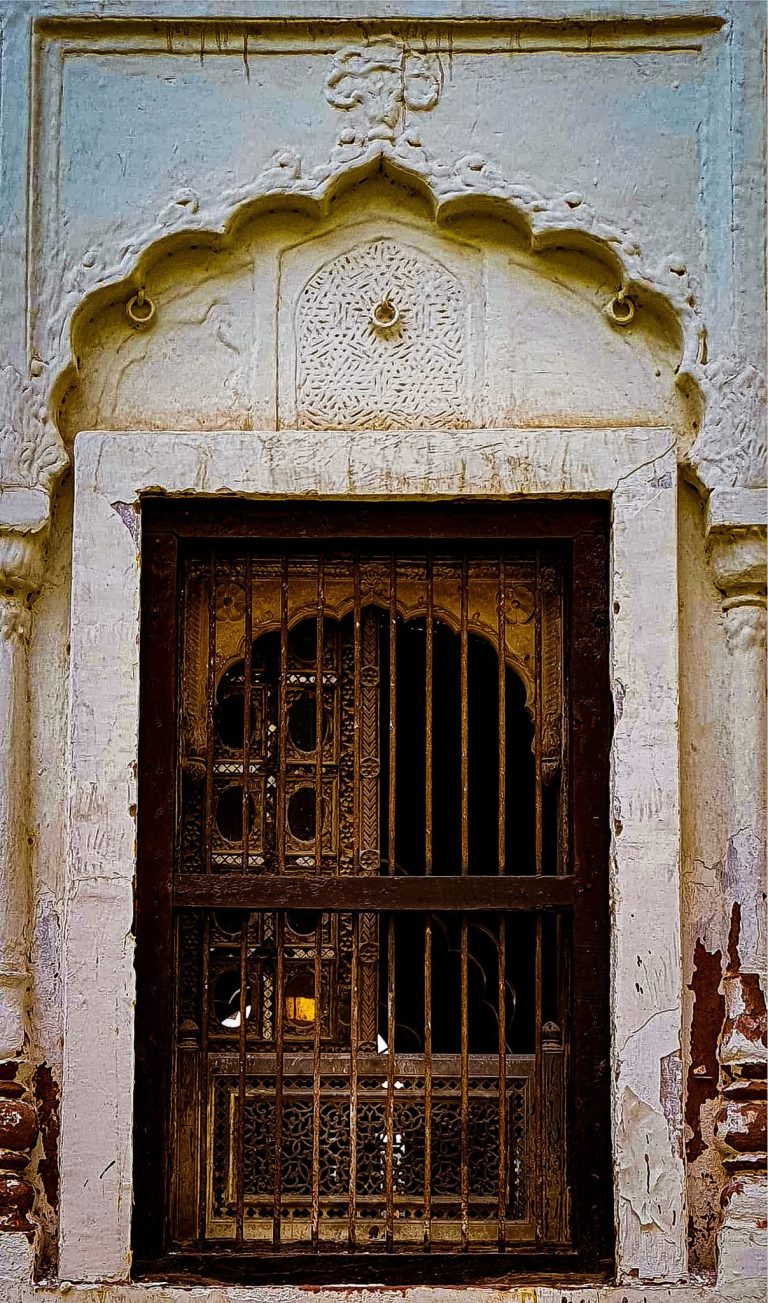
Qila Mubarak is a historic fortified palace complex in Bathinda, Punjab, shaped by Kushana-era building traditions, medieval rulers, Mughal…
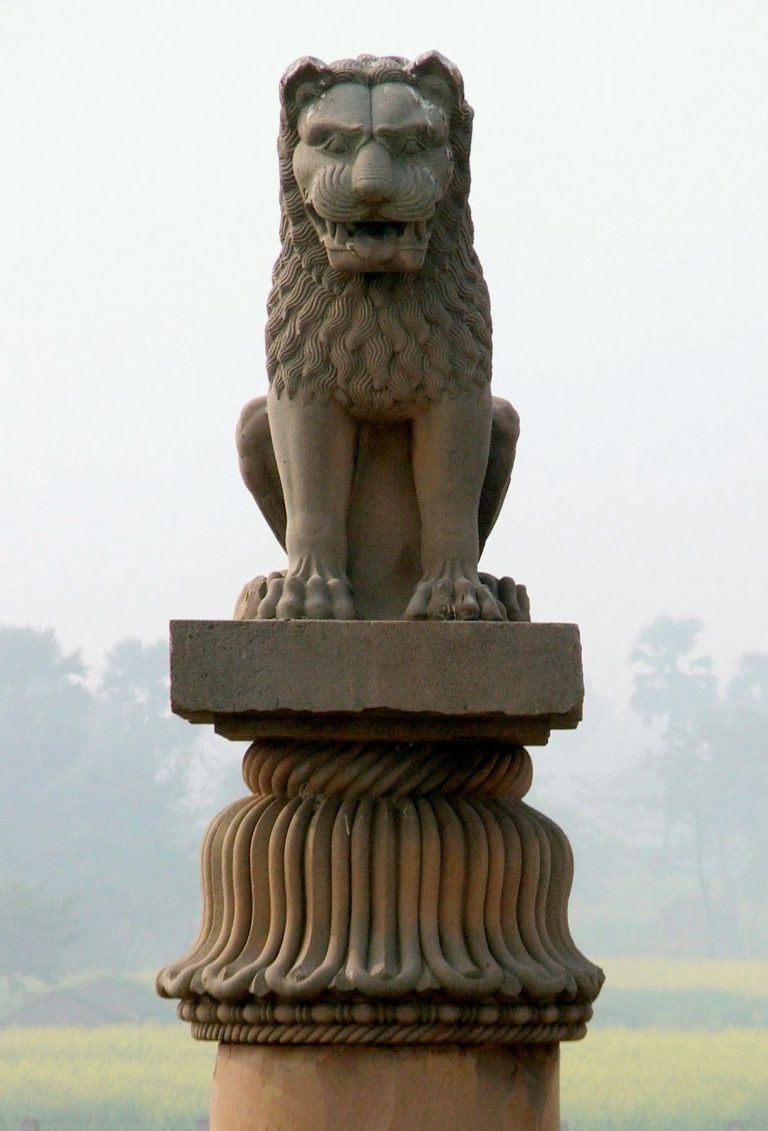
Vaishali was an ancient city in present-day Bihar, a Licchavi-led republican capital, and a major centre of Buddhist and Jain history. Its…
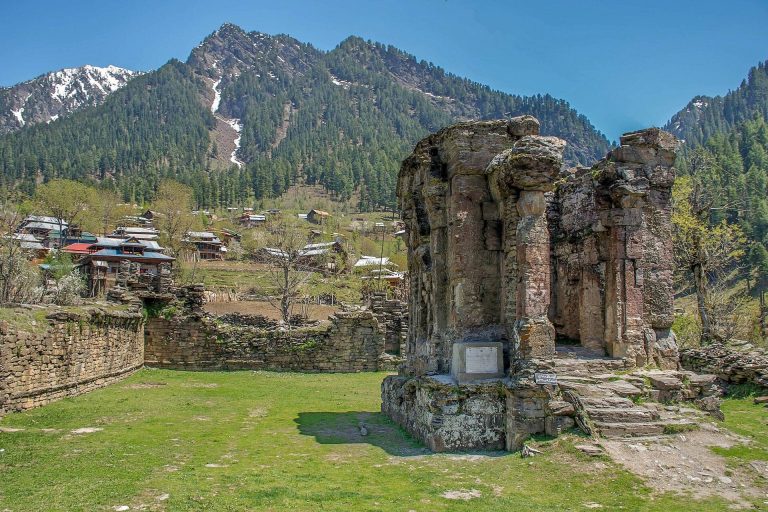
Sharada Peeth is a ruined Hindu temple and former centre of learning on the Neelum River in Pakistan-administered Kashmir. It is associated with the…
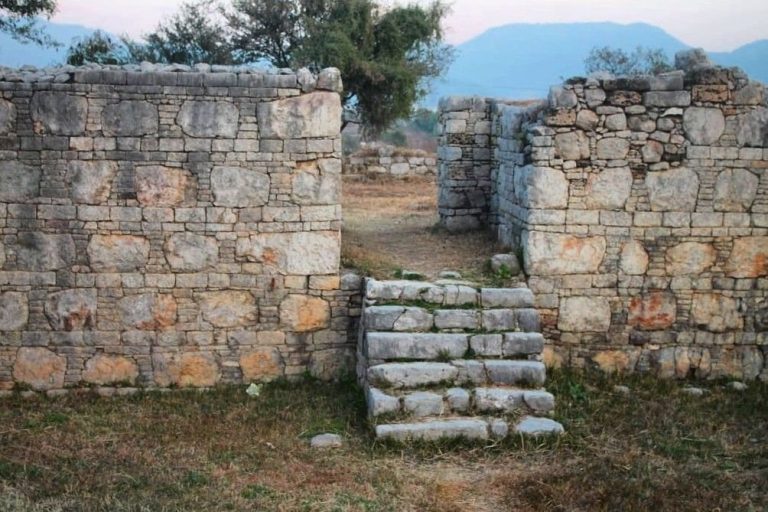
Dharmarajika Stupa, near ancient Sirkap in Taxila, developed from an early Buddhist monument into a major Kushan-period stupa and monastic complex.…
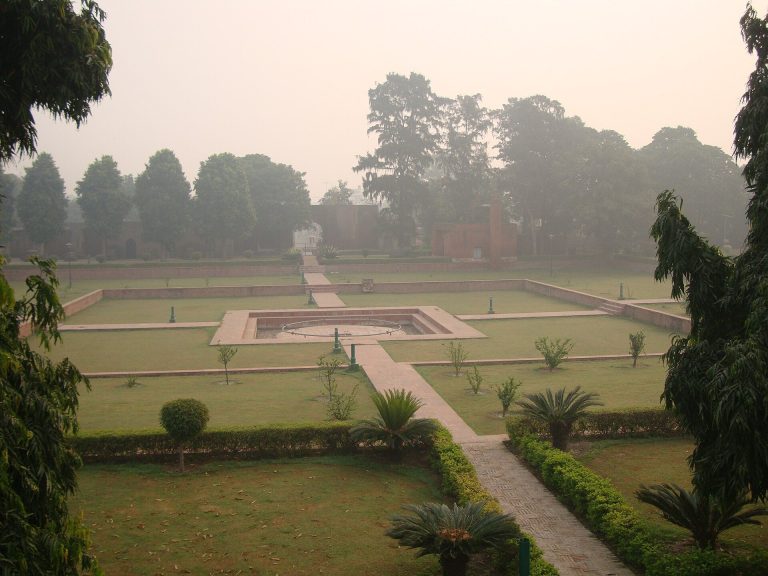
Raja Harsh ka Tila near Thanesar preserves evidence of settlement from the first millennium BCE through the nineteenth century, including Vedic,…
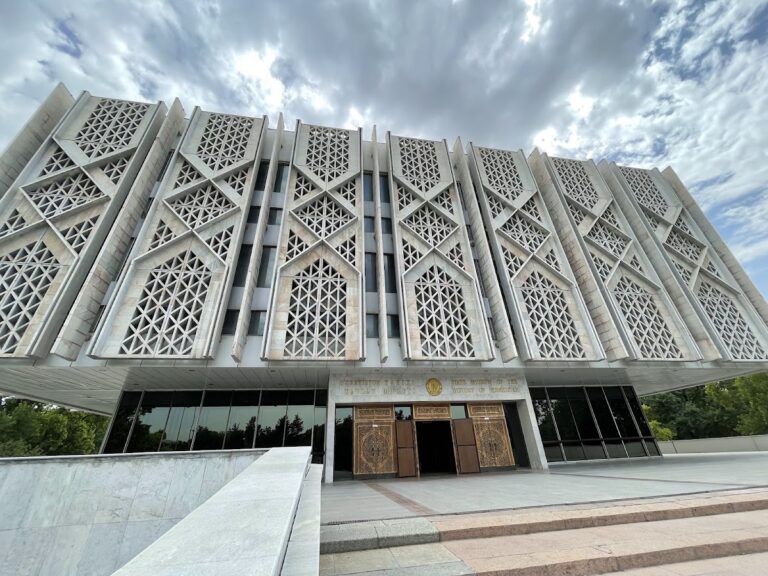
Founded in Tashkent in 1876, the State Museum of History of Uzbekistan preserves archaeological, numismatic, ethnographic, artistic, and documentary…
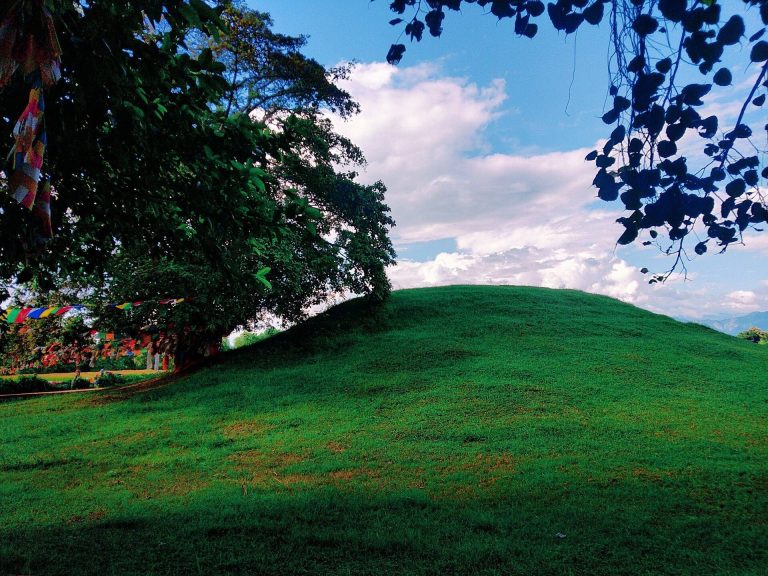
Ramagrama Stupa in Nepal is traditionally associated with the Koliya kingdom and the Buddha’s relics. Its brick-and-earth mound, possible Kushan-era…
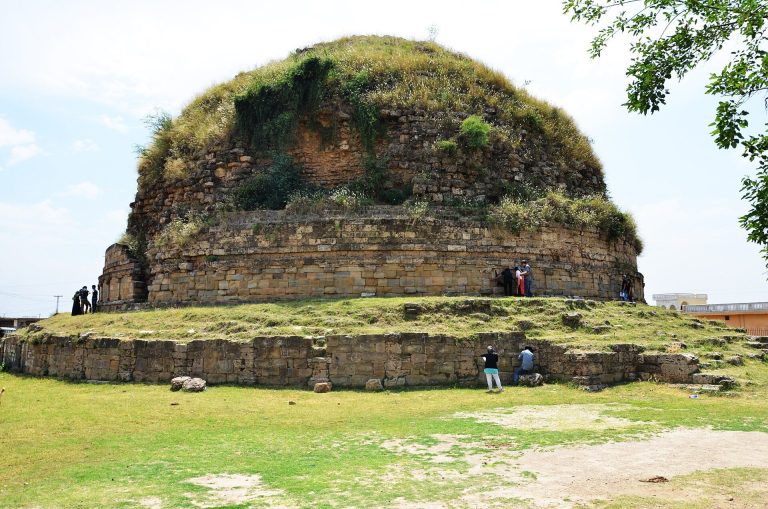
Mankiala Stupa is a Buddhist monument in Pakistan’s Pothohar region, traditionally linked with a Jataka tale of sacrifice and generally dated to the…
For details on how to use the maps, which sites are included, how popularity and ratings are determined, and how sites are classified, see the help page.
On this page5 sections
Stupas in the Taxila region and Punjab
The Dharmarajika Stupa near Taxila developed around an earlier religious foundation. Its main mound is surrounded by a passage for ritual walking, smaller stupas and monastic buildings. Different masonry styles record successive construction campaigns, including major activity during the Kushan period.
The surviving plinth and damaged mound establish the scale of the central monument, while adjoining shrines show how additional dedications accumulated around it. A stupa served as a religious focus associated with relics and commemoration; the route around its base was part of worship, rather than access to an ordinary interior room.
Mankiala Stupa, farther east in Punjab, preserves another large Buddhist monument associated with the Kushan period. Its substantial mound has suffered damage and restoration. Relic deposits recovered during nineteenth-century investigations are now held away from the site. The standing structure and excavated objects therefore provide different parts of its history, and traditions linking it to an earlier life of the Buddha should be distinguished from its construction date.
Monastic buildings at Fayaz Tepe
Fayaz Tepe, near Old Termez in Uzbekistan, contains the remains of a Buddhist religious complex in ancient Bactria. Temple spaces, monastic accommodation and service buildings occupied distinct sectors. A stupa stood beside the main group, linked with the sacred area through the site’s circulation routes.
Excavation recovered painted plaster and sculpture from the religious rooms. These finds explain how interiors now surviving chiefly as low walls were once furnished and decorated. The site’s restored and protective elements accompany the archaeological remains; they should not be confused with a complete standing Kushan monastery.
Houses and workshops at Dalverzin Tepe
Dalverzin Tepe developed from a settlement with earlier Hellenistic roots into a substantial Kushan city. Excavated areas include residential buildings, Buddhist complexes and a potters’ quarter with workshops and kilns. Larger houses combined entrance spaces with living, working and religious rooms.
Mudbrick formed much of the construction, with timber used in roofs. The exposed room plans consequently preserve urban organization more fully than complete buildings. Religious sculpture recovered from the temples adds evidence for the city’s Buddhist communities alongside its domestic and manufacturing areas.
Fortifications at Zartepa
Zartepa, also in southern Uzbekistan, had a roughly square plan with defensive walls, gates and a separate fortified sector. Its mudbrick defenses were repeatedly enlarged and repaired. Excavation revealed projecting towers and internal passages belonging to successive versions of the wall.
The settlement’s long sequence makes the fortification history particularly useful: the visible archaeological traces record rebuilding, rather than a single finished circuit. They complement the religious sites by documenting an urban center of northern Bactria during Kushan rule.
Explore Kushan-period remains
Use the map and grid to compare the Central Asian and South Asian groups. Open each entry for the surviving features, excavated finds and the distinction between the Kushan phase and other periods represented at the site.