Raja Harsh ka Tila: A Multi-Period Archaeological Mound in Haryana
Site at a Glance
- Rating
- 4.4
- Popularity
- Low
- Country
- India
- Primary era
- Early Modern
- Eras represented
- Bronze Age, Iron Age, Classical, Medieval, Early Modern, Modern
- Civilizations
- Delhi Sultanate, Kushan, Mughal, Rajput
- Site type
- City
On this page11 sections
History
Raja Harsh ka Tila is a multi-period archaeological mound near Thanesar, on the outskirts of Kurukshetra in Haryana, India. Its occupation history extends from the first millennium BCE to the nineteenth century and includes Vedic, Late Vedic, Kushan, Gupta, Post-Gupta or Vardhan, Rajput, Sultanate, and Mughal phases.
Early settlement and the Vedic periods
The earliest deposits belong to the Vedic period, dated approximately from 1300 to 300 BCE, followed by Late Vedic deposits from about 700 to 200 BCE. The site was abandoned after the Vedic period during the first millennium BCE. It was then inhabited continuously again from the first century CE through the nineteenth century.
Kushan and Gupta phases
Settlement resumed during the Kushan period, dated approximately from AD 39 to 375. This phase formed part of the succession of political and cultural periods that shaped northern India. The Gupta period followed in the fourth to sixth centuries CE, bringing another substantial phase of occupation and activity at the mound.
Post-Gupta and Rajput phases
The sixth and seventh centuries CE are represented by the Post-Gupta or Vardhan phase. This period is associated with Raja Harshvardhan, also known as Harsha, a seventh-century ruler of the Pushyabhuti dynasty. The Rajput phase extended from the eighth to the twelfth centuries CE and included the Gurjara-Pratihara, Tomara, and Chauhan dynasties.
During the Rajput period, a building represented by two rooms was destroyed by fire. Charred wooden doorframes and fire remains along the walls preserve evidence of this event. The site is listed as having Raja Harshvardhan as its architect, although its wider archaeological sequence includes many periods before and after his reign.
Sultanate and Mughal occupation
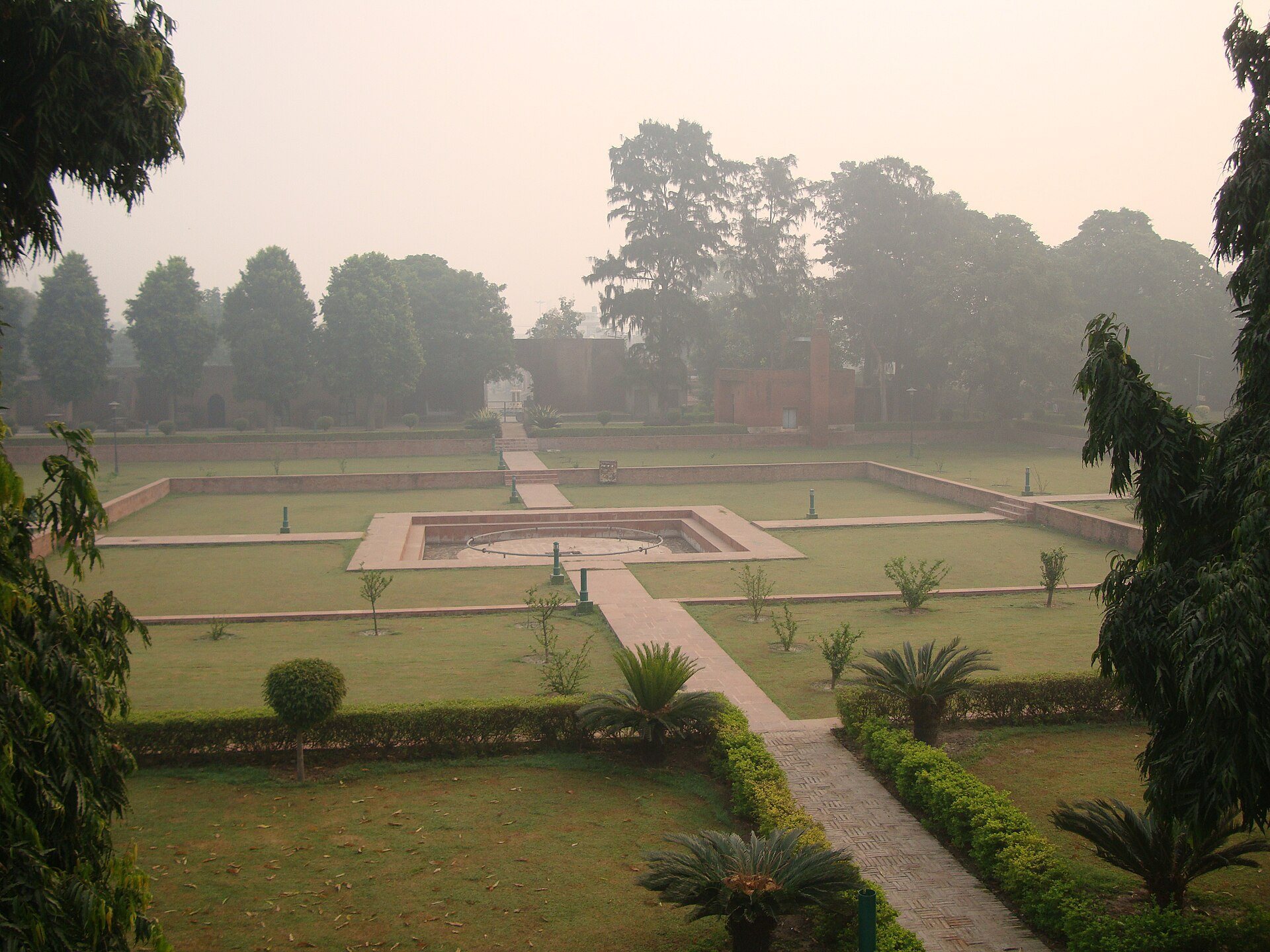
The mound continued to be occupied or reused during the Sultanate period, from the thirteenth to the sixteenth centuries, and during the Mughal period, from the sixteenth to the nineteenth centuries. The Mughal phase included residential, garden, and other architectural complexes. Its garden was arranged according to the charbagh pattern, a formal design divided into four principal sections.
Excavation and protection
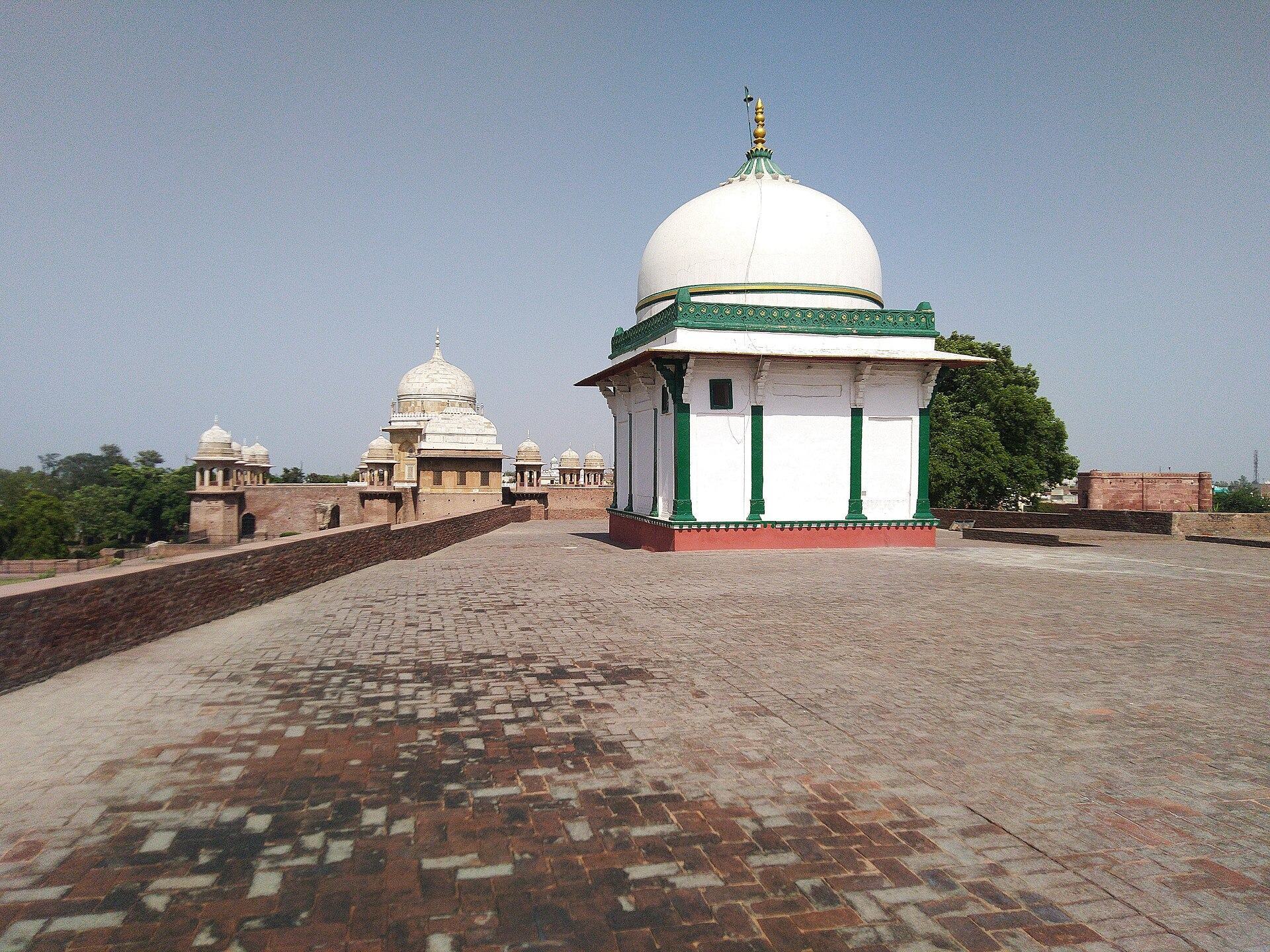
Shri B. M. Pandey of the Archaeological Survey of India excavated Raja Harsh ka Tila for four continuous seasons, from 1987-88 to 1990-91. The site is a protected monument administered by the Archaeological Survey of India. At its northeastern corner are Sheikh Chilli’s Tomb, traditionally associated with a Sufi figure, and a caravanserai, an establishment that provided accommodation and services for travelling merchants and caravans.
Remains
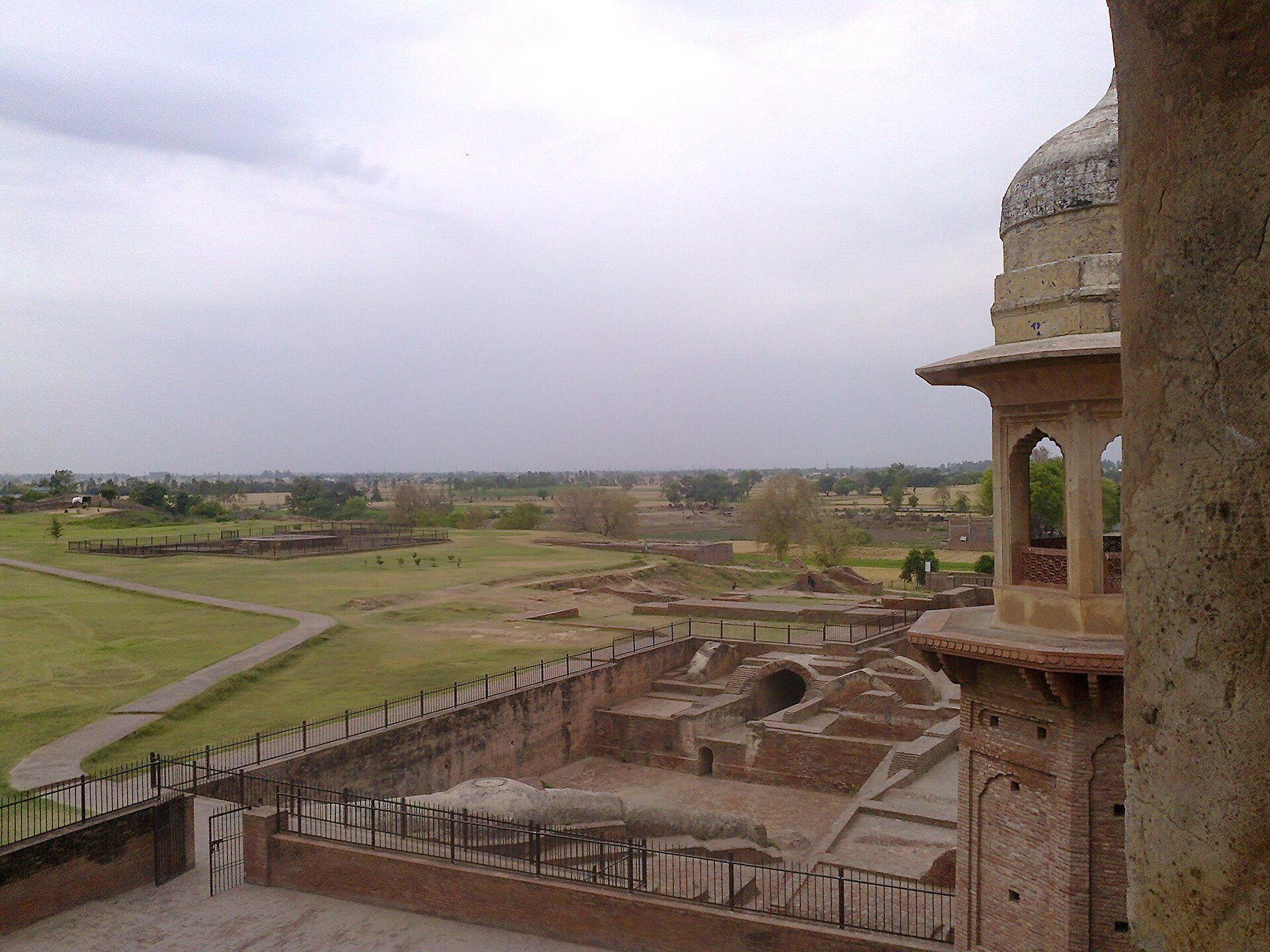
Raja Harsh ka Tila is a partially excavated mound measuring about 1 kilometre in length and 750 metres in width, with a height of approximately 23 metres. Its deposits and structures represent successive settlements and building phases from the Vedic period through the Mughal period. The surviving remains include brick buildings, residential complexes, defensive features, streets, a well, a formal garden, and a range of pottery, coins, inscriptions, sculptures, and other artefacts.
Vedic and early historic deposits
The Vedic deposits, dated approximately to 1300-300 BCE, contain sherds of Painted Grey Ware, a fine grey pottery tradition associated with early Iron Age settlements in northern India. Late Vedic levels, dated approximately to 700-200 BCE, produced plain grey ware and Northern Black Polished Ware, a highly finished pottery tradition associated with the later first millennium BCE.
Kushan levels, dated approximately to AD 39-375, contain typical Kushan red ware, moulded bright red-slipped ware, and Polished Red Ware. A square baked-brick structure belongs to this phase. Other finds include copper coins, terracotta seals with Brahmi inscriptions, human and animal terracotta figures, terracotta plaques, bone and ivory artefacts, shell bangles, and other metal objects. Brahmi was an ancient Indian writing system used for administrative and religious records.
Gupta and Vardhan remains
Gupta-period deposits from the fourth to sixth centuries CE contain Polished Red Ware, bright red-slipped ware, and plain red ware. Everyday footed bowls and sprinklers occur among the pottery. The finds also include a broken stone statue of Vishnu, a major Hindu deity associated with preservation and protection, along with a terracotta plaque showing a couple engaged in sexual activity, a mould for casting a human head, human and animal terracotta figures, seals bearing Brahmi inscriptions, beads, and copper and iron artefacts.
The Post-Gupta or Vardhan remains, dated to the sixth and seventh centuries CE, include a multi-room complex, a statue of Kubera, and a broken inscription. Kubera is a Hindu deity associated with wealth and treasure. Polished Red Ware, red ware, terracotta artefacts, ivory, and shell were also recovered, while brick structures associated with Red Polished Ware form a major feature of this phase.
Rajput-period structures
Rajput remains from the eighth to twelfth centuries CE include two rooms belonging to a larger complex and showing Pratihara architectural characteristics. Grooves in the corners of the rooms indicate the former position of stairs. Fragments of Pratihara-period statues were also found. The pottery includes medium-fabric red ware decorated with concentric circles, floral designs, and net-shaped stamped patterns. Several hundred clay tablets carry incised impressions made up of three vertical and oblique lines.
The two-room building was destroyed in a fire during the Rajput period. Charred wooden doorframes and fire remains along the walls preserve the physical evidence of the destruction. The remains therefore connect the building’s architectural form with a specific episode of damage and collapse.
Sultanate and Mughal complexes
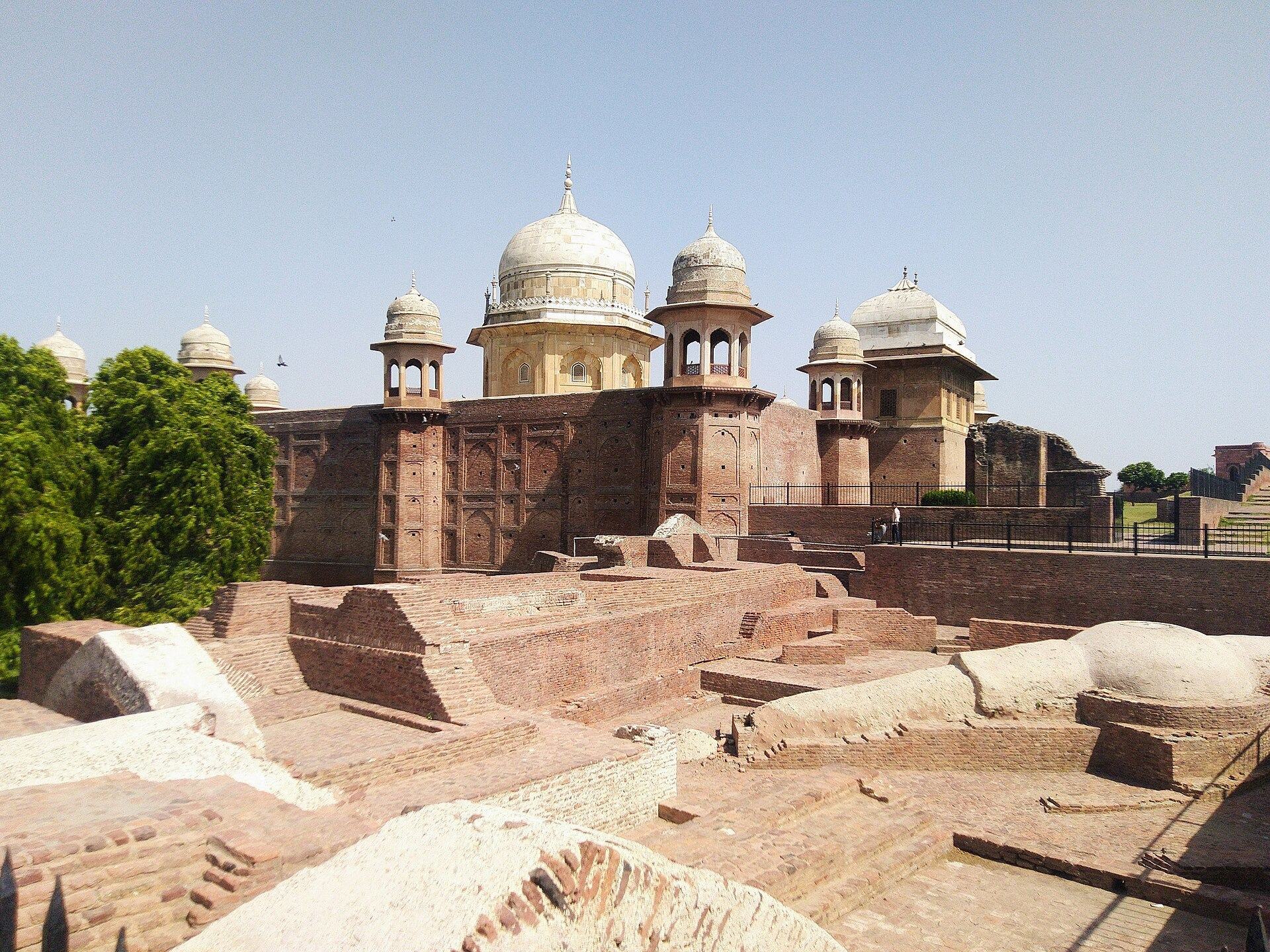
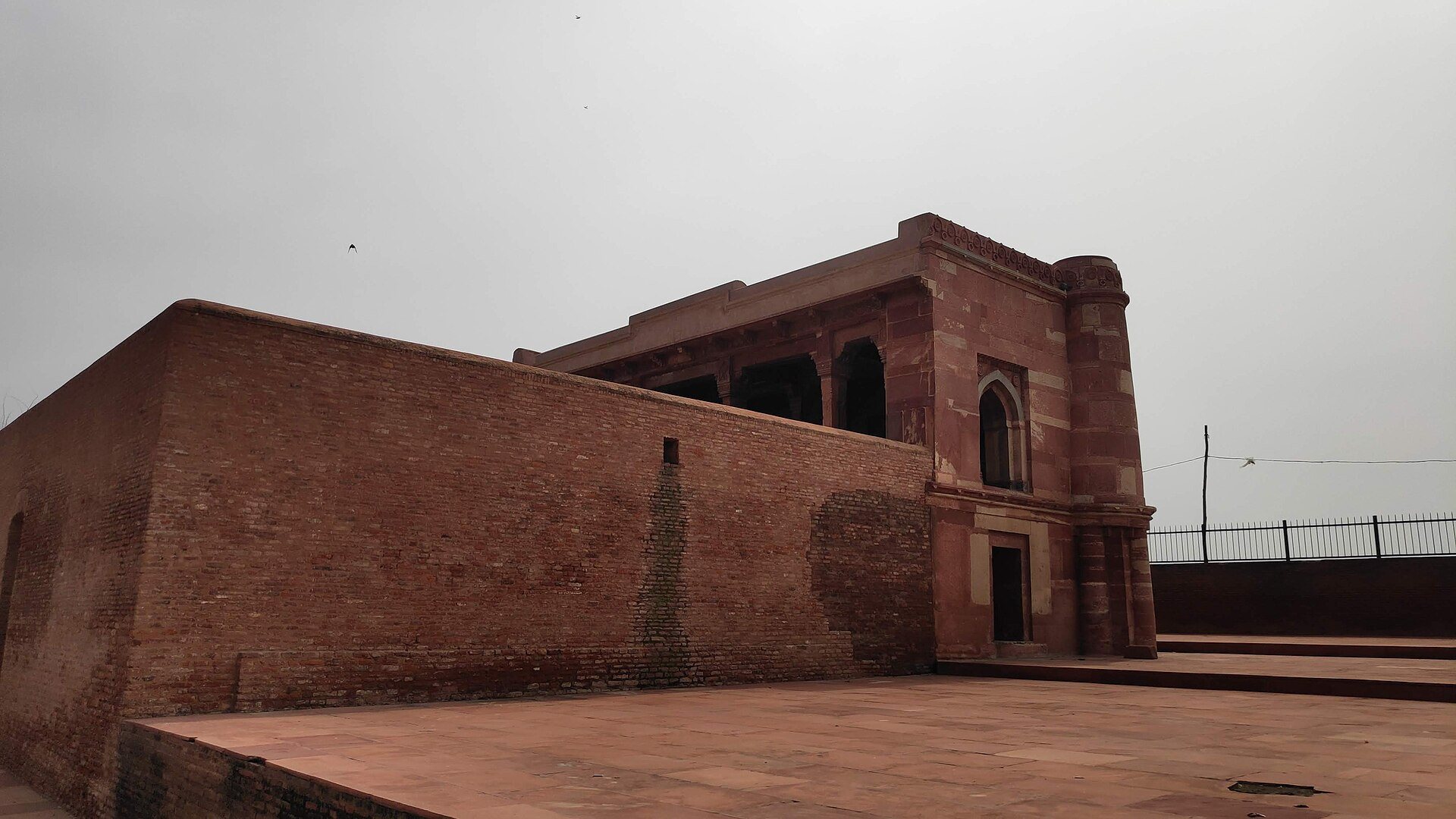
On the western side of the mound are the ruins of a Sultanate-period residential building, dated to the thirteenth through sixteenth centuries. The complex included a large circular bastion and a smaller bastion. A bastion is a projecting defensive structure built into a fortification or fortified building. The remains show use in later periods. Finds from this phase include red and glazed ware, copper coins, human and animal terracotta figures, beads made from semiprecious stones, and iron and copper equipment.
Mughal-period remains, dated to the sixteenth through nineteenth centuries, include a building complex with residential areas, a hall, a large arched structure, staircases, streets, a well, a garden complex, and bastions in the Mughal architectural style. The garden followed a charbagh plan, with four principal divisions formed by intersecting paths or water channels.
Mughal pottery includes glazed ware, grey ware, stoneware, and sherds of Chinese porcelain decorated with floral designs and Chinese-language inscriptions. Interior stairs may have been added later. A chamber associated with these stairs is broad and has a rounded or spherical upper form. Another structure has been compared with compartments used for horses in a stable and with a similar structure for elephants at Delhi Zoo.