Dutch Historic Sites: Explore Churches, Town Halls, Palaces and Forts
Explore more than 200 historic sites connected with Dutch history, including Gothic churches, market-square town halls, country estates and artillery forts. The current collection is concentrated in the Netherlands, with additional sites in Belgium and Germany. It includes medieval buildings as well as later architecture associated with Dutch cities, institutions and rulers.
The range is particularly useful for exploring how buildings changed function. A parish church could become a dynastic burial place, a country house could expand into a royal palace, and a fort could retain its original defensive outline around much later barracks. The examples below identify those changes in the surviving structures.
Primary Function: All
Type: All
Country: All
Popularity: All
Rating: All
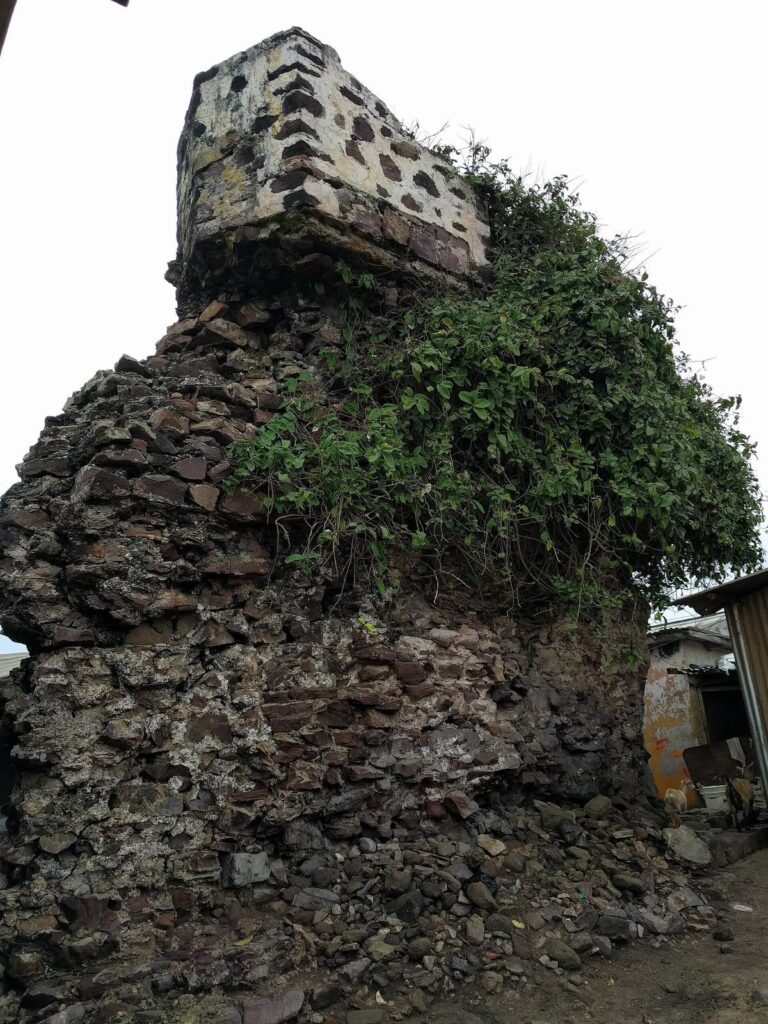
Fort Vredenburgh developed from a Dutch trading lodge into a coastal fort amid competing European and African interests. Its remains and history…
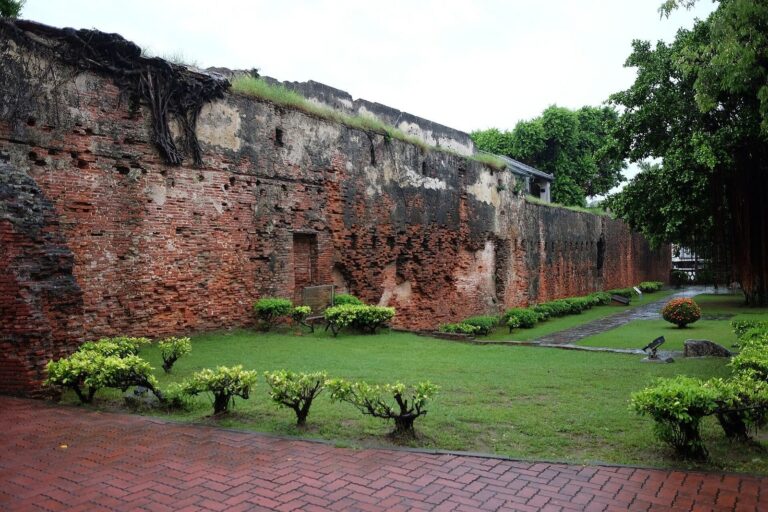
Built by the Dutch East India Company from 1624, Fort Zeelandia became its administrative center in Taiwan before falling to Zheng Chenggong in 1662.…
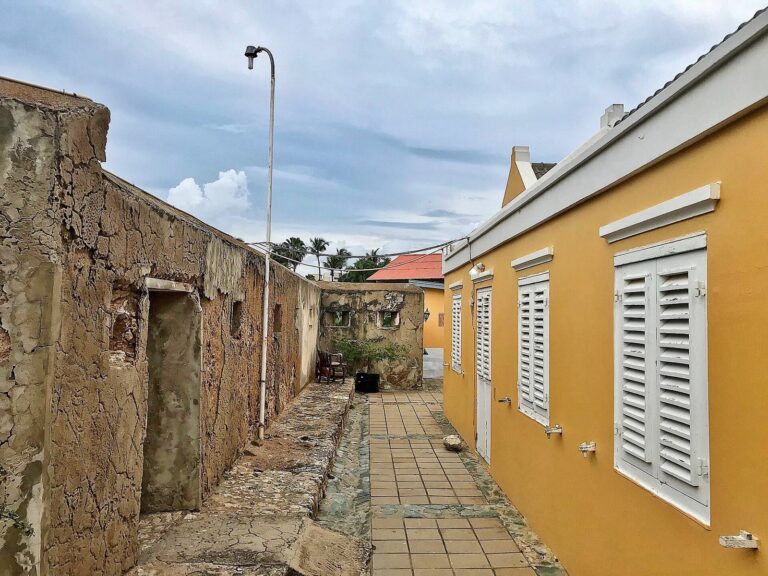
Completed in 1798 to defend Paardenbaai, Fort Zoutman later served as a lighthouse and public offices before becoming the home of the Historical…
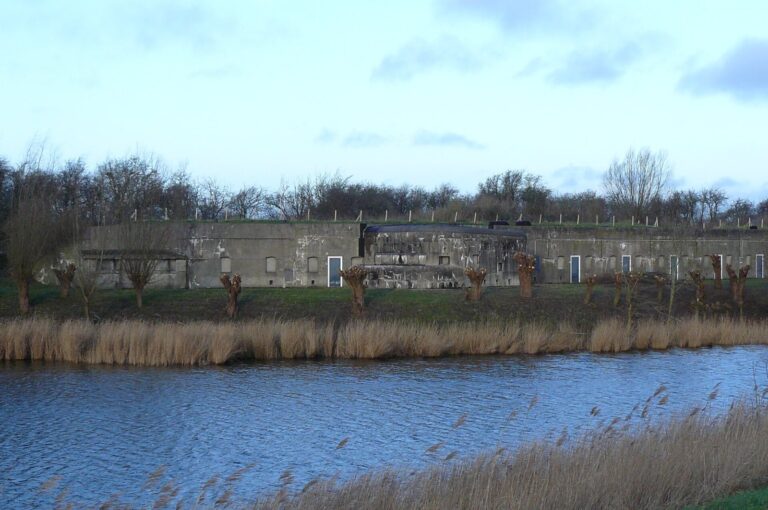
Fort Zuidwijkermeer helped defend the North Sea Canal approach as part of Amsterdam’s system of forts and controlled flooding. Its later uses…
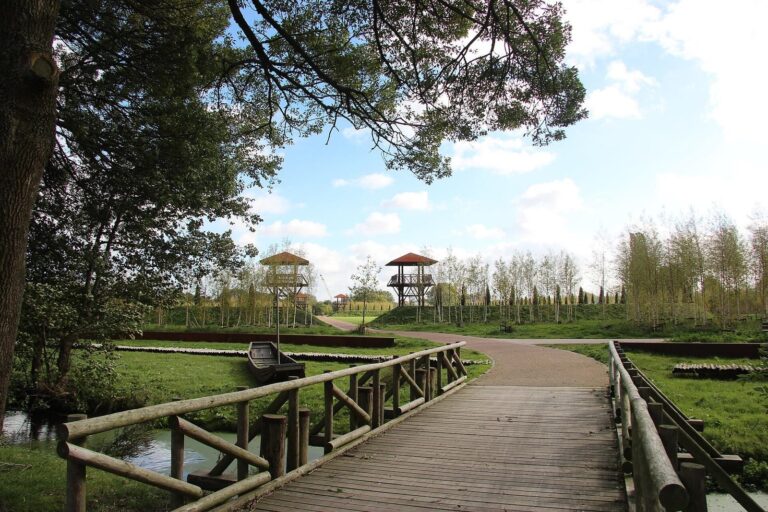
Matilo was a Roman frontier fort in Leiden, used from the first to the third century. Its buried remains include parts of the fort, a canal, and a…
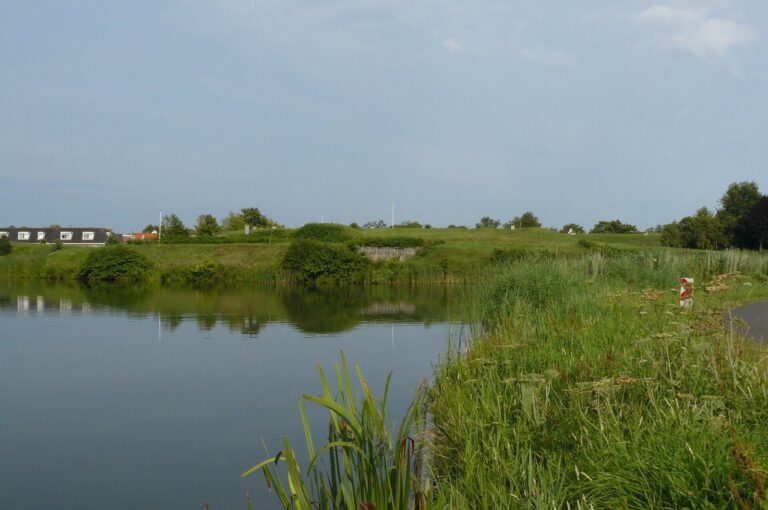
Built between 1874 and 1877, Mouse Fort guarded approaches to Muiden and later served military and civilian uses. Its brick fortifications, wartime…
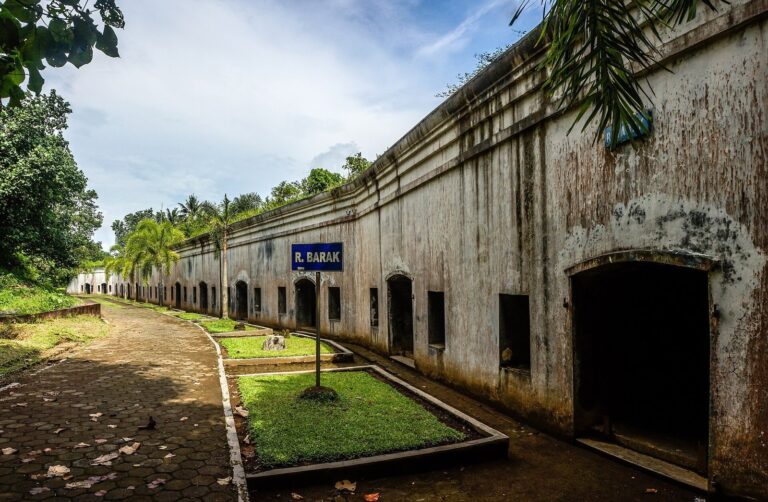
Built between 1861 and 1879 to defend Cilacap’s port, Pendem Cilacap Fort later served Dutch, Japanese, Allied, and Indonesian forces before…
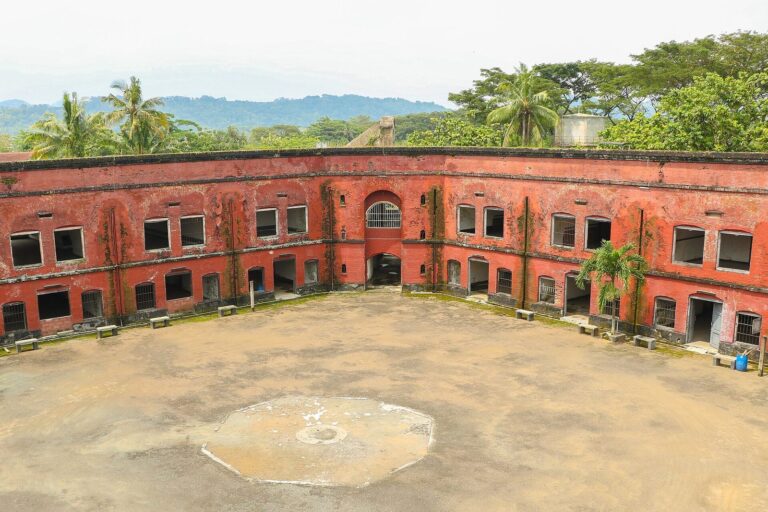
Built around 1820 near Gombong, Van der Wijck Fort served Dutch military purposes during the Java War and later saw use as a school, an…
For details on how to use the maps, which sites are included, how popularity and ratings are determined, and how sites are classified, see the help page.
On this page6 sections
Gothic parish churches
Nieuwe Kerk in Delft stands on the Markt opposite the city hall. Its brick and white-stone body has a cruciform plan, while the tower changes from a square base to octagonal upper stages. Construction proceeded in successive campaigns, making the tower’s changes of shape and material part of the building’s history.
The church passed to Dutch Reformed use in 1572, after the destruction of many furnishings during the iconoclasm of 1566. Fires and subsequent repairs also altered the structure. Its Gothic architecture survives within a building whose interior and religious use changed substantially after the Middle Ages.
Town halls on the market square
Gouda Town Hall occupies a freestanding position on the Markt. The stone front, red-and-white window shutters and sculptural niches distinguish the municipal building from the houses around it. Its rectangular body combines Gothic architecture with later additions.
The raised entrance platform dates to 1603, while a sandstone execution scaffold at the rear records another function of civic government. These features show how public access, ceremony and punishment were accommodated around the same building. The interior also retains work from the seventeenth and eighteenth centuries, extending the story beyond the medieval exterior.
Country houses and royal palaces
Slot Zeist is a seventeenth-century Dutch Classicist residence designed by Jacobus Roman. Daniël Marot’s interior scheme introduced French Baroque decoration, including wall and ceiling paintings. The moat and surrounding estate place the house within a planned residential landscape rather than a medieval defensive enclosure.
Soestdijk Palace developed from a seventeenth-century country house into a hunting lodge and then a larger royal residence. Nineteenth-century expansion added wings with semicircular colonnades to the central block. Later conversion for permanent occupation introduced workrooms, kitchens and other domestic facilities.
The two residences show different forms of alteration. Slot Zeist’s Baroque appearance was restored in the twentieth century after earlier changes, partly using historic material from other buildings. Soestdijk retains the accumulated outline of successive enlargements, so its broad frontage cannot be attributed solely to the original country house.
Forts protecting inland cities
Fort Sint Pieter was built in 1701–1702 on the northern flank of Saint Peter’s Hill outside Maastricht. Its five-sided plan belongs to the city’s artillery defences, with the elevated position forming an essential part of the site.
The fort also lies beside historic quarry and tunnel systems beneath the hill. This combination of surface fortification and underground workings makes its setting distinctive. Modern restoration removed a later entertainment complex from the northern side, helping reveal the military structure more clearly.
Fortifications on the Scheldt
Fort Liefkenshoek, in Belgium, stands on the Scheldt’s left bank opposite Fort Lillo. Its position on the river dike served a different purpose from Sint Pieter’s hilltop defences: it guarded a major water route. The enclosing earthworks preserve the basic plan of the sixteenth-century fortification.
The semicircular barracks inside are later. Built by the French in 1810–1811, this bombproof structure contains twelve casemates; a powder magazine also belongs to the French period. The fort therefore combines an earlier defensive circuit with substantial later military buildings, rather than representing a single Dutch construction campaign.
Explore the collection
Explore sites on the map or in the grid. Map icons reflect each site’s primary function, helping you identify different kinds of places at a glance. Narrow the results by country, primary function, site type or era, with additional filters for popularity and rating. Select a map marker to view the site’s details and open its article, or open the article from its grid entry.