Crusader Sites: Explore Castles, Military-Order Houses and Fortified Churches
Explore more than 400 Crusader sites, including castles, fortified religious complexes and military-order headquarters. The collection includes the Crusader states, Frankish residences in Greece, Templar establishments in Iberia and Teutonic buildings in the Baltic region. Vaulted halls, castle chapels, stores and residential galleries preserve the spaces used for defence, worship, administration and communal living.
Primary Function: All
Type: All
Civilization: All
Country: All
Popularity: All
Rating: All
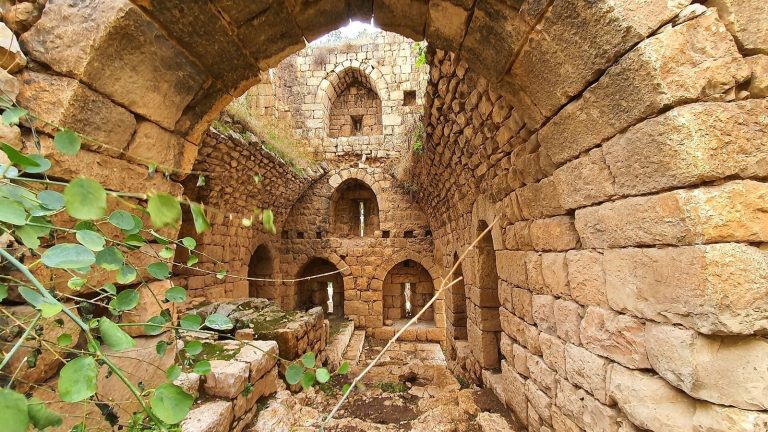
Doubay Castle is a multi-period fortress near Meiss El Jabal and Shaqra in southern Lebanon. Built or renewed during the Crusader period, it…
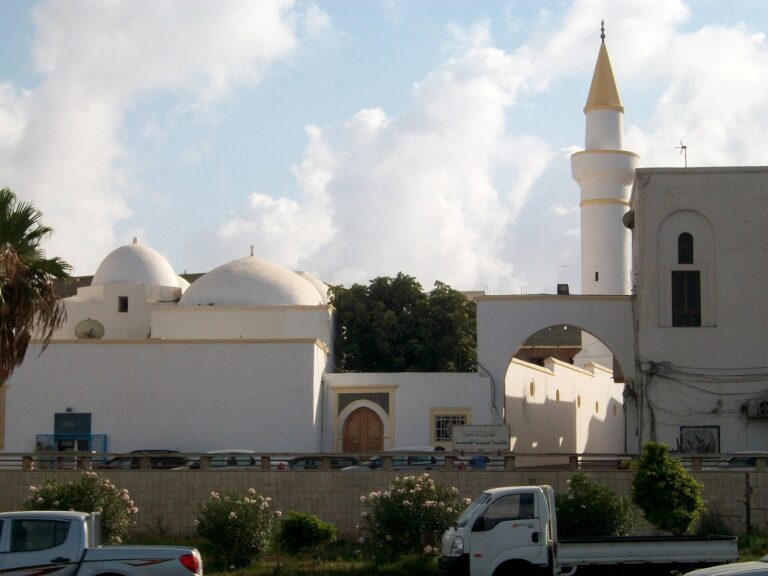
Sidi Darghut Mosque in Tripoli was built around 1560 by the Ottoman governor Dragut on the site of a Hospitaller church. It remains an active mosque…
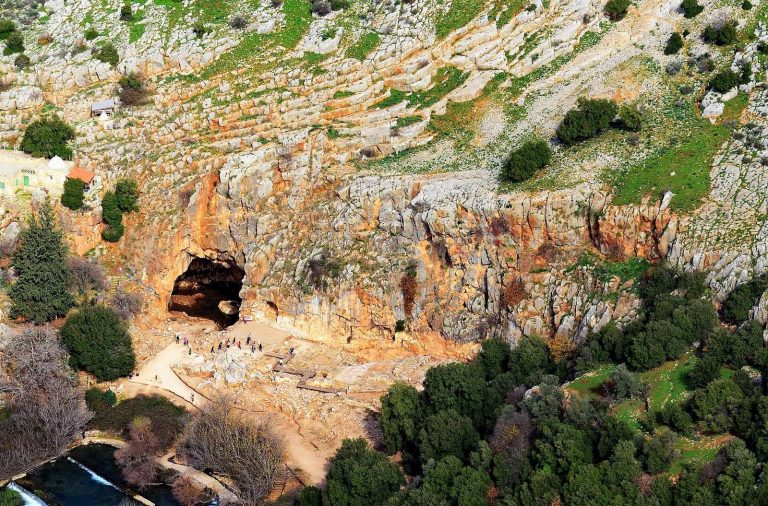
Caesarea Philippi, also known as Paneas or Banias, developed around a major spring at the foot of Mount Hermon and became a religious,…
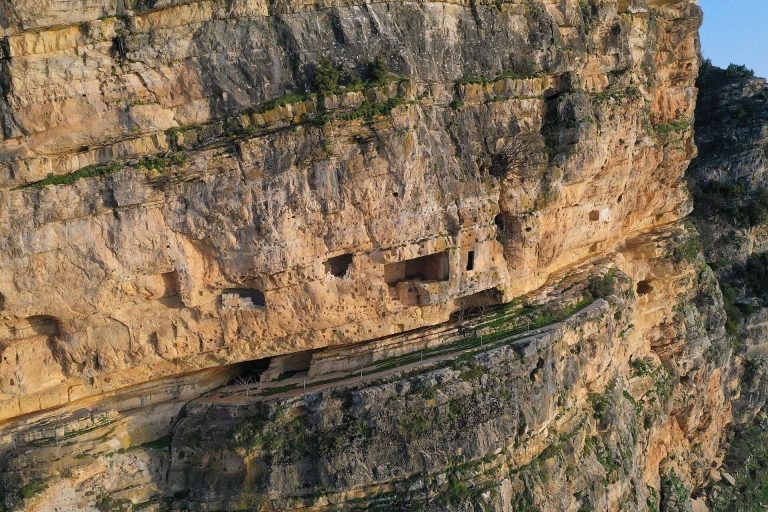
Fortress of Niha is a mountain cave fortress that controlled routes between Sidon, the Beqaa, and the Chouf. Expanded by Crusaders and later rebuilt…
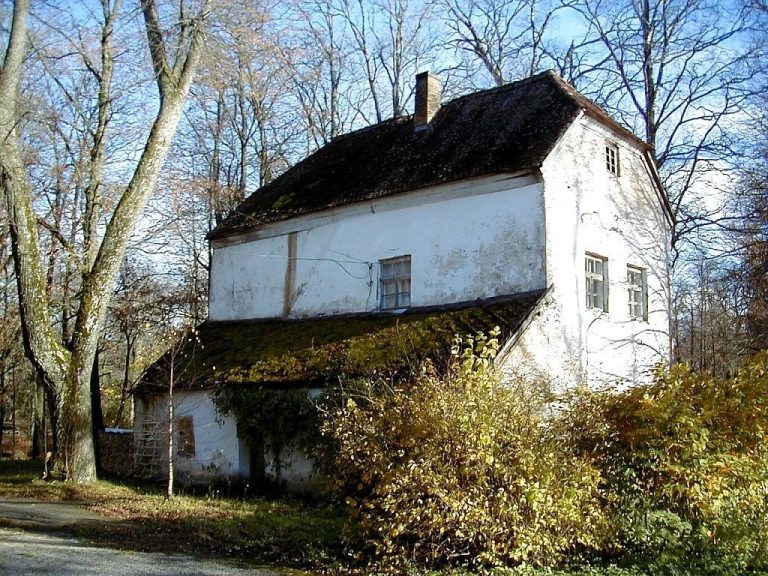
Dižstende Old Castle in Latvia developed from a medieval fief into a fortified manor of the Brüggen family, later becoming part of a modern…
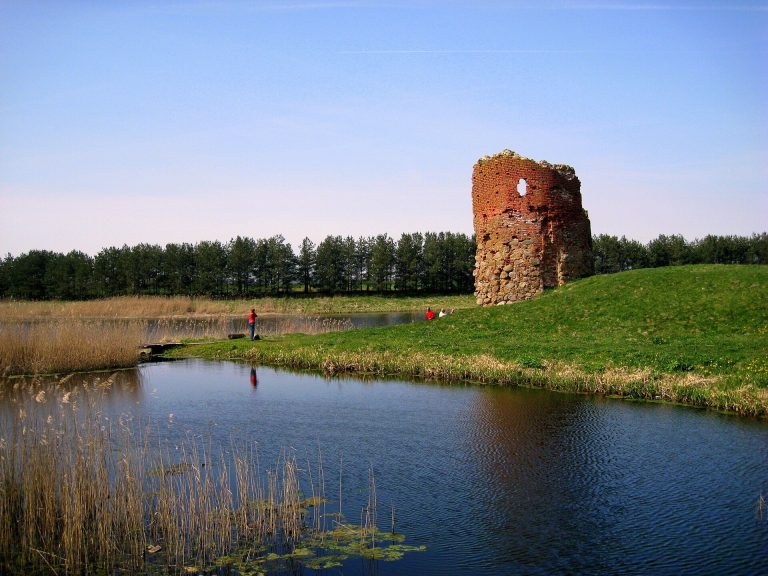
Piltene Castle in western Latvia was the medieval capital and principal residence of the Bishops of Courland before becoming a district…
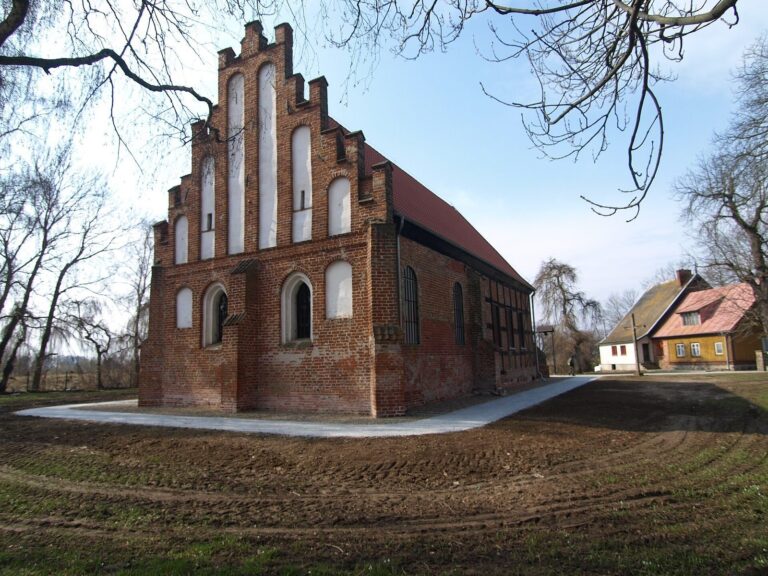
Founded in the fourteenth century, Saint Nicholas Church in Cyganek reflects changing Catholic and Protestant use, rebuilding after collapse and…
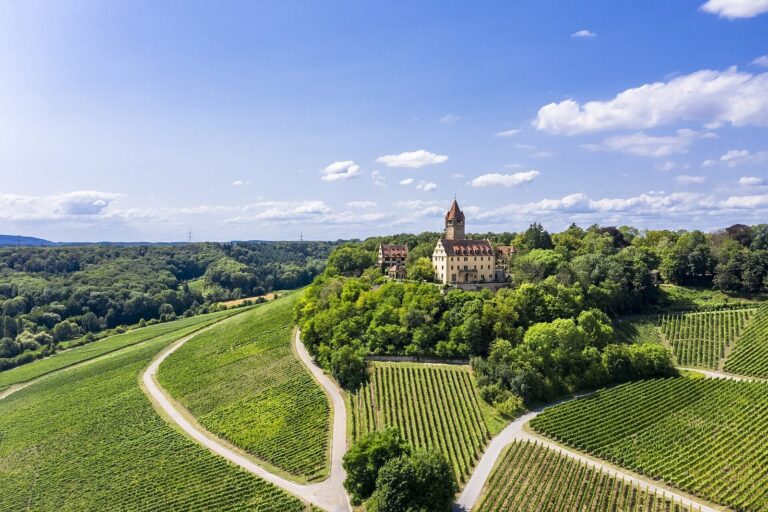
Schloss Stocksberg above Stockheim developed from a medieval stronghold into a two-winged residence rebuilt in 1574. Its history includes Teutonic…
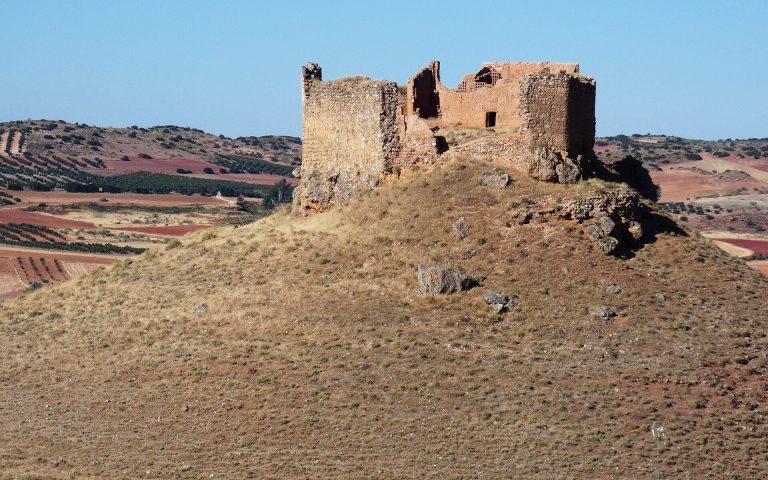
The Castle of Alhambra is a ruined medieval fortress in Ciudad Real province, shaped by the conflicts between Castile and Muslim forces and later…
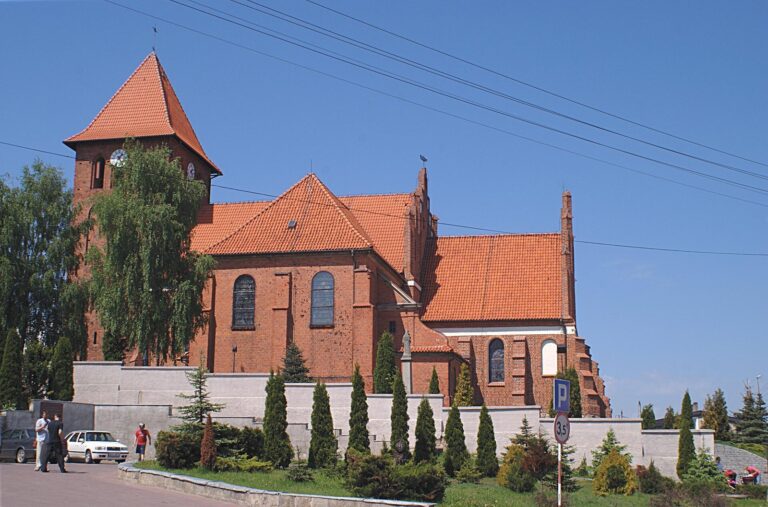
Founded in the fourteenth century with Teutonic Order support, All Saints' Church in Skórcz has served Catholic and Lutheran worship and undergone…
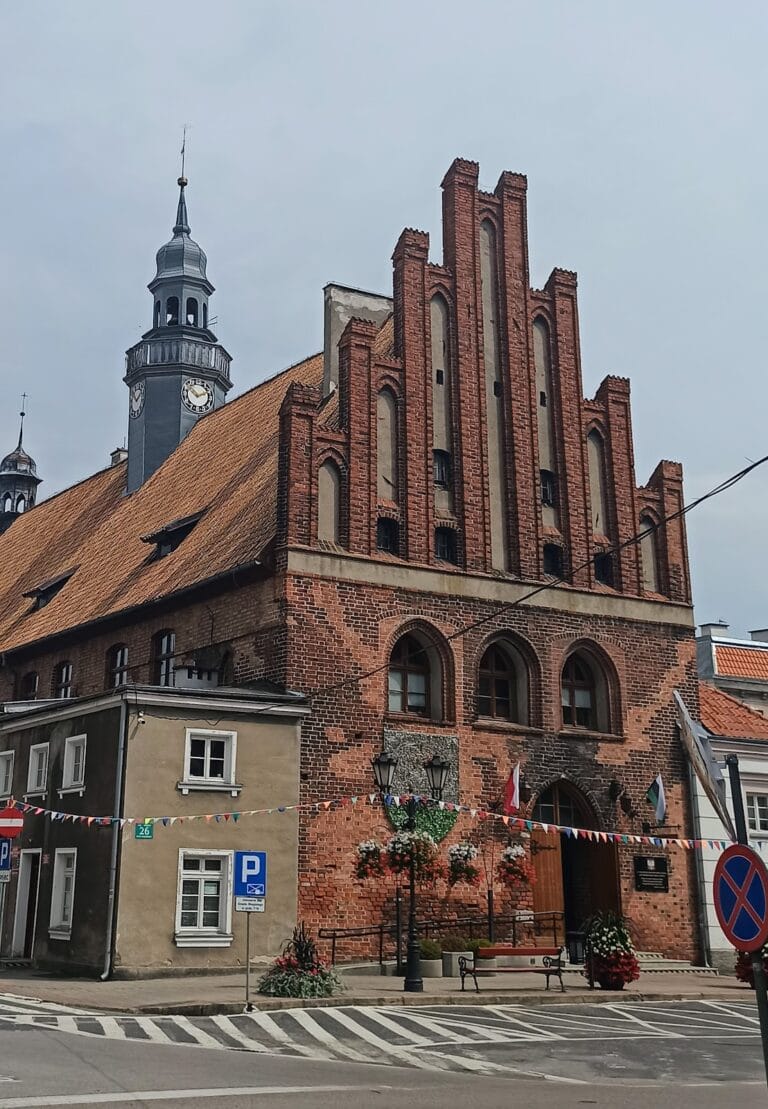
Orneta Castle was a Gothic stronghold and episcopal residence in Warmia, used by the region’s bishops from the fourteenth century until the First…
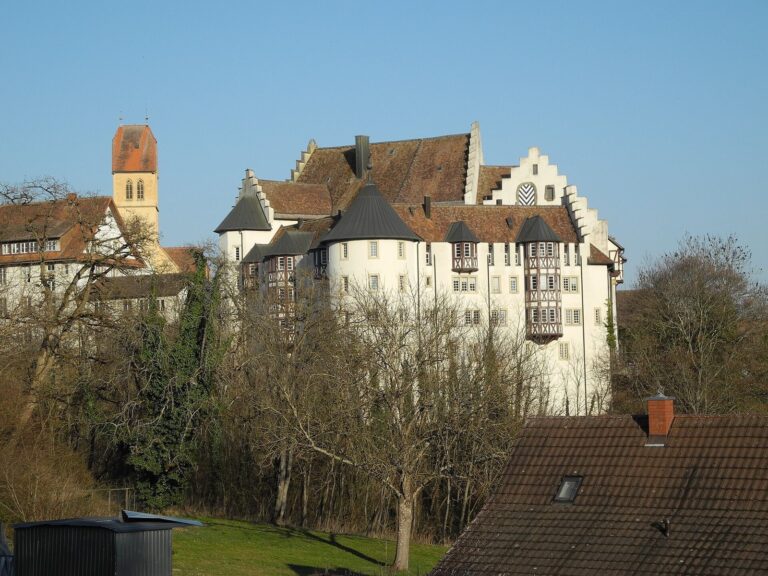
Schloss Blumenfeld is a late-medieval castle in Baden-Württemberg whose present form reflects reconstruction by the Teutonic Order and later use as a…
For details on how to use the maps, which sites are included, how popularity and ratings are determined, and how sites are classified, see the help page.
On this page5 sections
Military-order headquarters and communal halls
The Hospitaller Commandery of Saint-Jean-d’Acre, in Israel, preserves large medieval halls beneath later Ottoman buildings. Its southern refectory, used for communal meals, has high rib vaults carried on three massive circular pillars. Fireplaces occupy the end wall, with an adjoining room interpreted as the kitchen.
The service infrastructure survives in considerable detail. A latrine block discharged through pipes into a lower chamber, where water was directed towards the main sewer. Channels carried rainwater down from the roof to help flush the system. These installations show how a large community was housed and supplied within the order’s urban headquarters.
Castles, chapels and residential galleries
At Krak des Chevaliers in Syria, the inner courtyard contains more than defensive walls. A long hall with ribbed vaults opens towards the court through a Gothic loggia, providing a setting for meetings and formal meals. Storage chambers and service rooms occupy other parts of the enclosed complex.
The Hospitaller chapel has a barrel-vaulted interior and an eastern apse. After the Mamluk capture in 1271, it became a mosque, with prayer niches and a pulpit added for its new use. The surviving building therefore records both the religious life of the Hospitaller fortress and its adaptation under later rulers. Parts of the castle, including the chapel, also suffered damage during the Syrian war.
Chlemoutsi, in the Greek Peloponnese, was built in the early thirteenth century for the rulers of the Principality of Achaea. Within its hexagonal inner stronghold, large upper halls retain fireplaces and window recesses with stone seats. Vaulted galleries ran around the central courtyard, creating an enclosed residential arrangement within thick outer walls.
Sockets for the lost timber floors show how the rooms were divided into storeys. The combination of fireplaces, windows and seating makes the accommodation particularly legible, alongside the castle’s gates and defensive enclosure. Ottoman repairs and additions belong to later phases of its use.
Fortified religious complexes
The Castle of Tomar in Portugal retains two irregular wall circuits around its former settlement and upper stronghold. Round and square towers reinforce the walls, whose sloping bases made the foot of the defences harder to attack. The keep and cistern occupy the upper enclosure. These Templar fortifications survive beside the religious buildings later expanded as the Convent of Christ.
At Calatrava la Nueva in Spain, a fortified hilltop complex housed the Order of Calatrava. Its church preserves three broad aisles under brick vaults, with pointed arches leading towards the eastern sanctuaries. The large rose window belongs to a later embellishment of the façade. Around the church, castle walls, stores, cisterns and the remains of convent buildings show how worship and the practical needs of a fortified community were accommodated on the same steep hill.
Brick castles and administrative residences
Nidzica Castle, in Poland, has a rectangular brick enclosure raised on stone foundations. The western range contained the order’s principal rooms, with large pointed windows and Gothic wall paintings surviving in the former refectory. Storage and defensive galleries occupied upper levels, while the gate range contained a chapel.
The building was badly damaged in 1945 and underwent extensive reconstruction in the 1960s. Its present rooms combine restored architecture with conserved medieval painting, preserving the arrangement of a military order’s administrative residence far from the eastern Mediterranean.
Explore the collection
Explore sites on the map or in the grid. Map icons reflect each site’s primary function, helping you identify different kinds of places at a glance. Narrow the results by country, primary function, site type, era or one of the civilizations included in this collection, with additional filters for popularity and rating. Select a map marker to view the site’s details and open its article, or open the article from its grid entry.