Historic Sites in Ukraine: Explore Fortresses, Palaces and Monasteries
Explore more than 200 historic sites in Ukraine, including river fortresses, fortified palaces, cathedrals and monasteries. Castles and religious buildings form the largest groups in the collection. The examples below introduce towered enclosures beside the Dniester and Smotrych, artillery terraces at Pidhirtsi, an Armenian cathedral in Lviv and monastic churches and cave sanctuaries in Kyiv.
Primary Function: All
Type: All
Civilization: All
Popularity: All
Rating: All
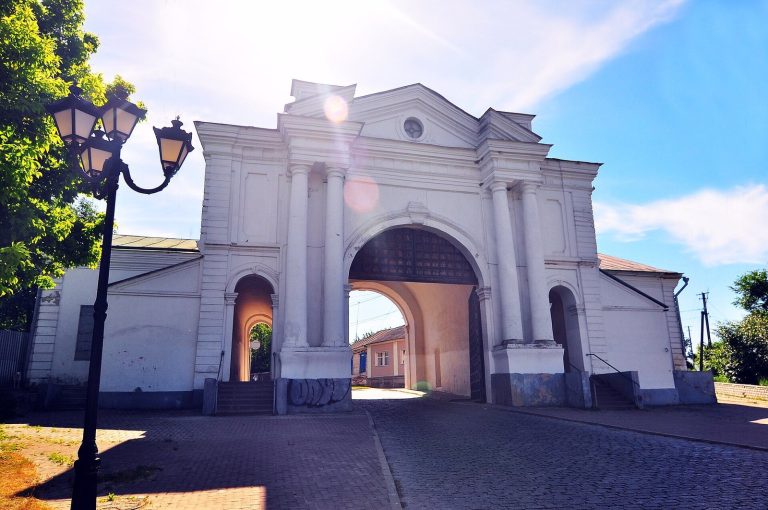
Hlukhiv Fortress developed from a tenth- or eleventh-century fortified settlement into an extensive defense around Hlukhiv’s historic center,…
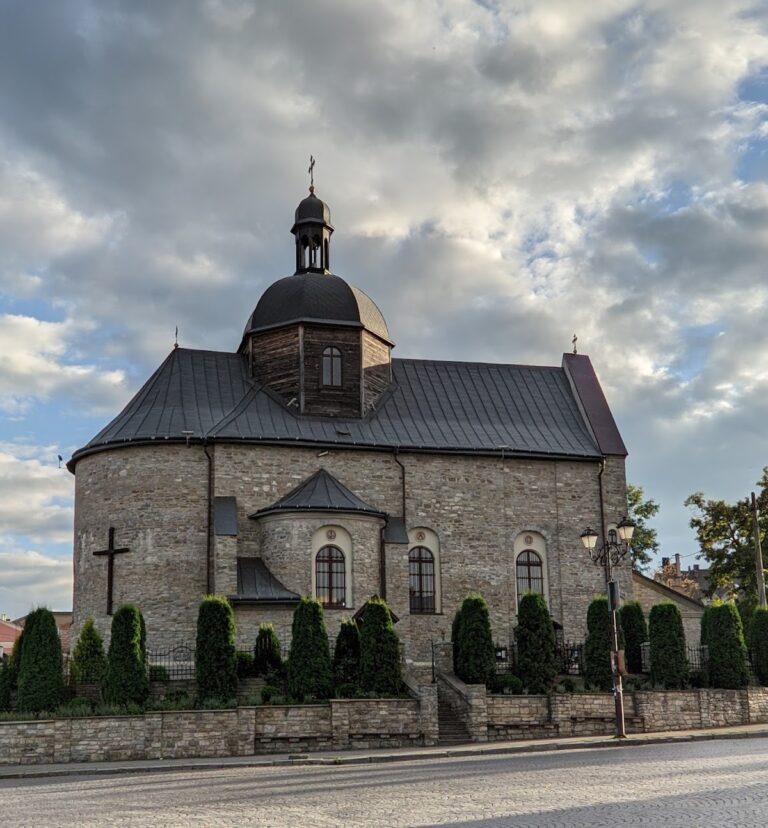
Holy Trinity Church in Kamianets-Podilskyi has a history spanning Polish, Ottoman, Russian, Soviet, and Ukrainian periods. Documented from 1582, it…
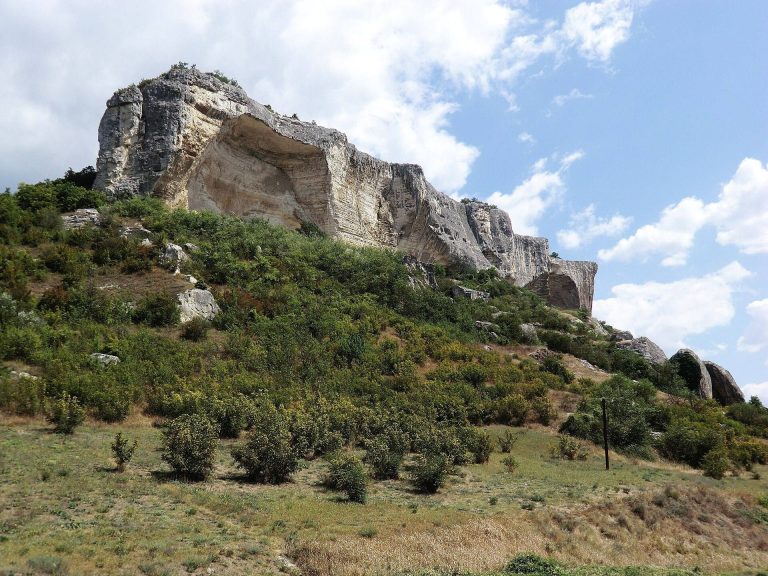
Kachi-Kalon is a medieval cave monastery in Crimea, with artificial caves dating from the sixth to eighth centuries and a particularly active period…
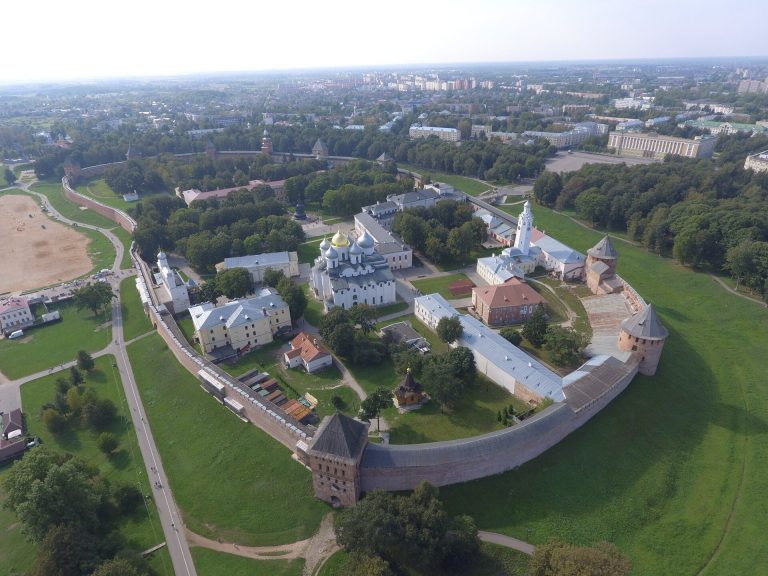
Lyubech citadel was the fortified center of the ancient Rus city of Lyubech and a residence of the Chernigov princes. Its hilltop defenses, princely…
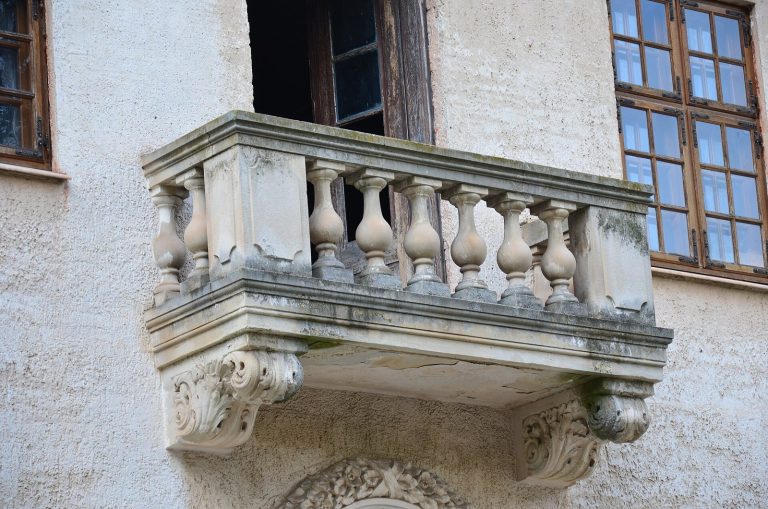
The Hunting lodges of Shuvalov in Talne is a palace designed by Danish architect Andreas Clemmensen and built for the Shuvalov family between 1902…
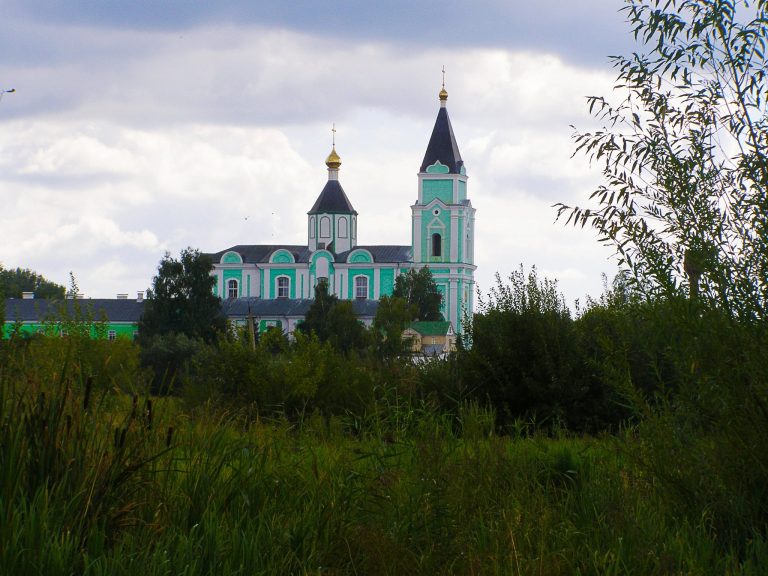
Holy Trinity Cathedral in Brailiv forms the center of a former Trinitarian monastery that became an Orthodox women’s monastery in the nineteenth…
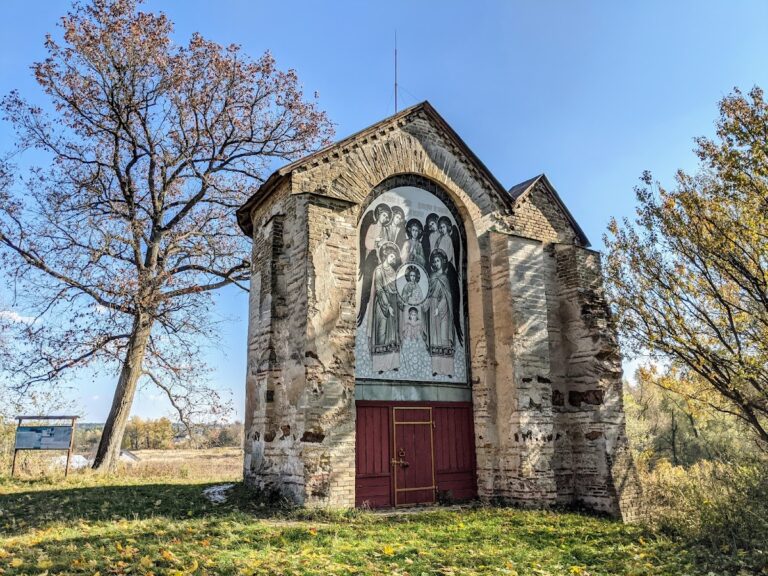
St. Michael's Church, also known as the Yuriev Shrine, is a fragmentary 11th-century Rus' monument at the former citadel of Gorodets-on-Ostra near…
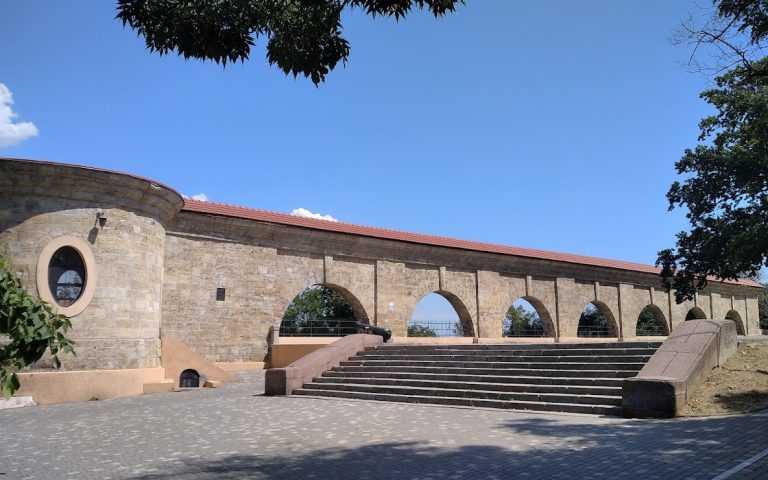
Odesa Quarantine was a fortified lazaretto established to isolate people and goods arriving through Odesa’s port and limit the spread of plague. Its…
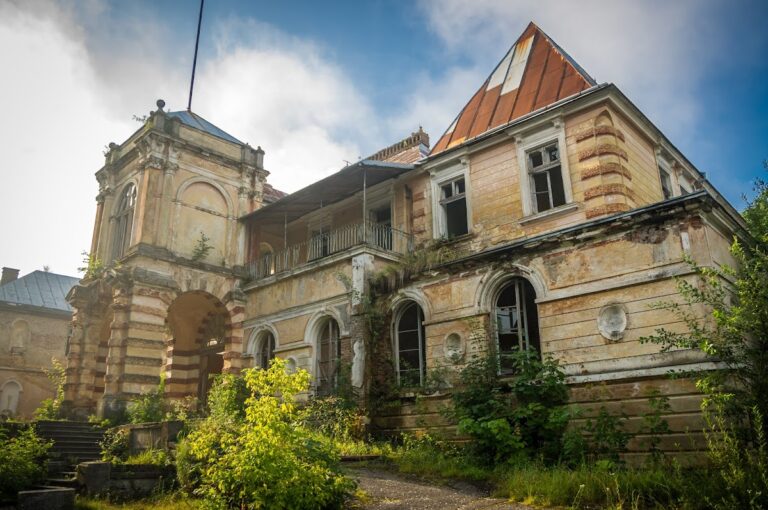
The Palace in Rozdil developed from a seventeenth-century summer residence into an eighteenth-century masonry palace and later a Classical and French…
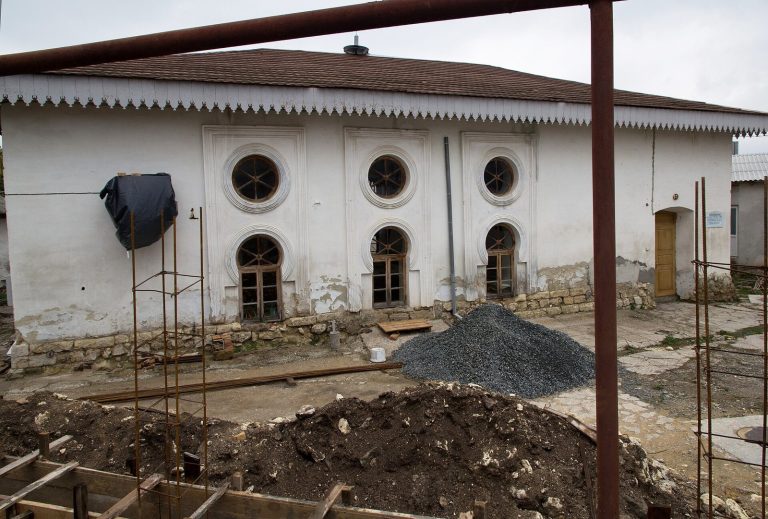
Kebir-Jami Mosque is Simferopol’s oldest surviving building and the principal Friday mosque of Crimea. Founded under the Crimean Khanate, it has been…
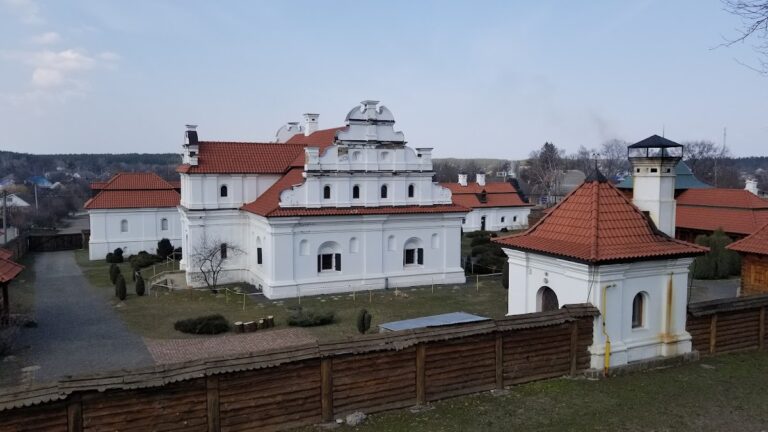
Chyhyryn Castle was a sixteenth-century fortress that became the citadel of Bohdan Khmelnytsky’s capital before its destruction during the Ottoman…
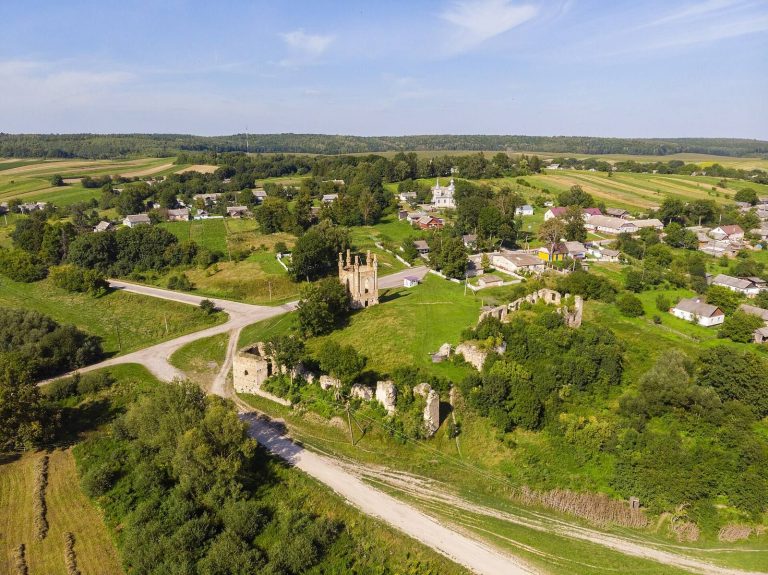
Novomalyn Castle in Ukraine developed from a fourteenth-century hilltop fortress into a fortified palace estate. Rebuilt over several centuries, it…
For details on how to use the maps, which sites are included, how popularity and ratings are determined, and how sites are classified, see the help page.
On this page5 sections
River fortresses and artillery defences
Khotyn Fortress stands on a rocky elevation beside the Dniester. Much of its development belongs to the Moldavian period, including major enlargement under Stephen the Great in the fifteenth century. Tall walls and roofed towers enclose an irregular courtyard. Residential rooms, barracks, deep storage cellars and a well supplied the garrison and the ruler’s household within the same defended space.
Kamianets-Podilskyi Castle uses the narrow approach and canyon of the Smotrych as part of a wider defensive system. Its Old Castle has high masonry walls and a sequence of towers around an elongated courtyard. The New Castle adds early-seventeenth-century earthworks designed for artillery warfare. These two parts preserve different approaches to defence: a compact towered enclosure and broader bastioned works intended to resist attacks from field armies.
Fortified palaces and residential terraces
Pidhirtsi Castle was built in the seventeenth century as a fortified residence. Its approximately square enclosure has pentagonal corner bastions, earth ramparts and a stone-lined ditch. The principal entrance faces the level ground to the south, while the palace looks north over the Brody Plain.
Terraces above the enclosed defensive chambers, or casemates, served as walks and could also accommodate artillery. Balustrades and carved watchtowers give these works a more elaborate finish than purely utilitarian gun positions. The palace was raised from two to three storeys during an eighteenth-century rebuilding. Its visible form therefore combines military planning with later residential enlargement, rather than preserving a single unchanged seventeenth-century design.
Cathedrals and urban church complexes
The Armenian Cathedral of Lviv retains a fourteenth-century eastern section within a larger group of buildings and courtyards. Its oldest church space follows a cross-shaped arrangement, with four pillars dividing the interior and supporting the central composition. An apse and smaller adjoining apsidal chapels occupy the eastern end.
Later extensions adjusted to the surrounding streets, producing a bend in the building’s longitudinal axis. Courtyards, gates and passages connect the church with adjoining ecclesiastical buildings.
Monasteries, churches and cave sanctuaries
Kyiv Pechersk Lavra began as a cave monastery in the eleventh century. Its underground corridors contain burial niches, former living spaces and chapels. Above ground, the ensemble extends across two hills and includes churches, defensive works and service buildings, many with Ukrainian Baroque forms. The Dormition Cathedral was reconstructed in 1998–2000 after its destruction in 1941; its standing building is a modern reconstruction of the historic cathedral.
Vydubychi Monastery also has medieval origins, but a major part of its standing ensemble belongs to later construction. The five-domed Saint George Cathedral was built in 1696–1701 with funding from Mykhailo Myklashevskyi. Its Ukrainian Baroque form occupies the centre of a complex facing the Dnieper and enclosed on other sides by steep slopes. The older Saint Michael’s Church preserves chiefly its western portion after river erosion caused the eastern part to collapse.
Explore the collection
Explore sites on the map or in the grid. Map icons indicate each site’s primary function, helping you identify different kinds of places at a glance. Narrow the results by primary function, site type, civilization or era, with additional filters for popularity and rating. Select a map marker to view the site’s details and open its article, or open the article from its grid entry.