Historic Sites in Italy: Explore Ancient Towns, Castles and Palaces
Explore more than 3,000 historic sites in Italy, including ancient temples, Roman towns, medieval castles, government palaces and mosaic-decorated churches. Religious buildings, fortifications and historic residences form the largest groups in the collection. The examples below range from Greek columns at Paestum and houses buried by Vesuvius to the halls of Venice and the church interiors of Ravenna and Monreale.
Primary Function: All
Type: All
Civilization: All
Popularity: All
Rating: All
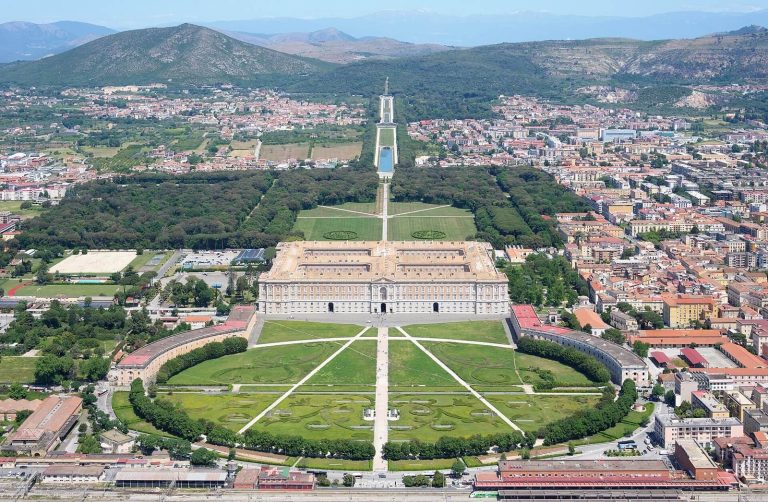
The Palace of Caserta was built for the Bourbon rulers of Naples as a royal residence, court, and administrative centre. Its palace, theatre, state…
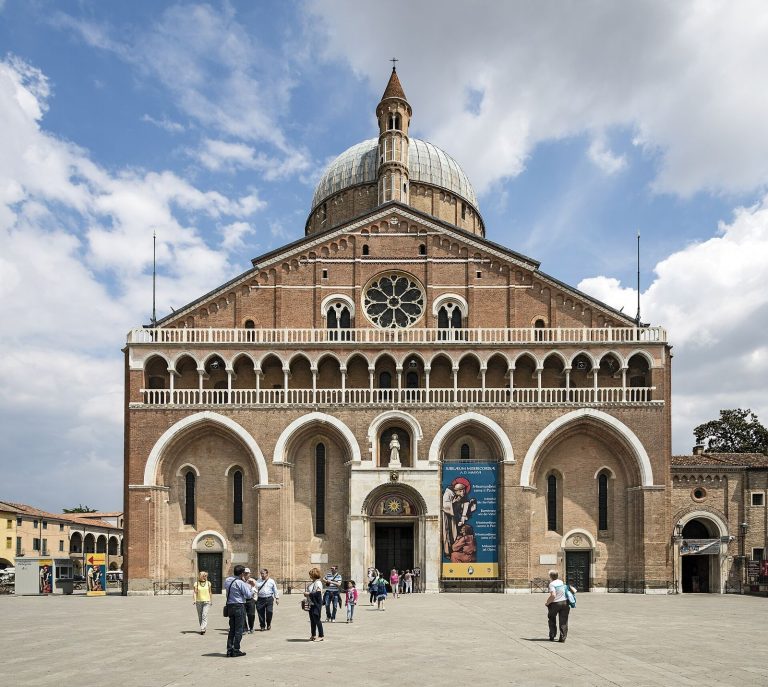
The Basilica of Saint Anthony of Padua grew from a small Franciscan church into an international shrine between the thirteenth and sixteenth…
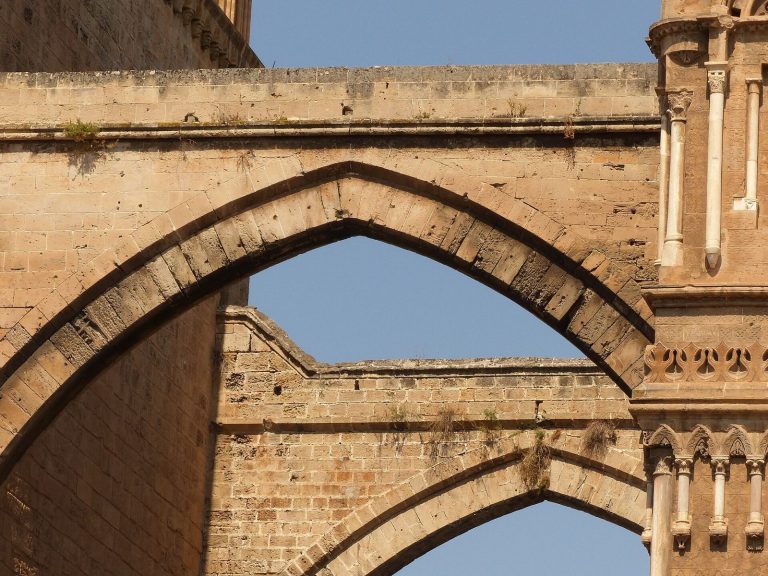
Palermo Cathedral is a medieval and modern religious complex shaped by Byzantine, Islamic, Norman, Gothic, Renaissance, Baroque, and Neoclassical…
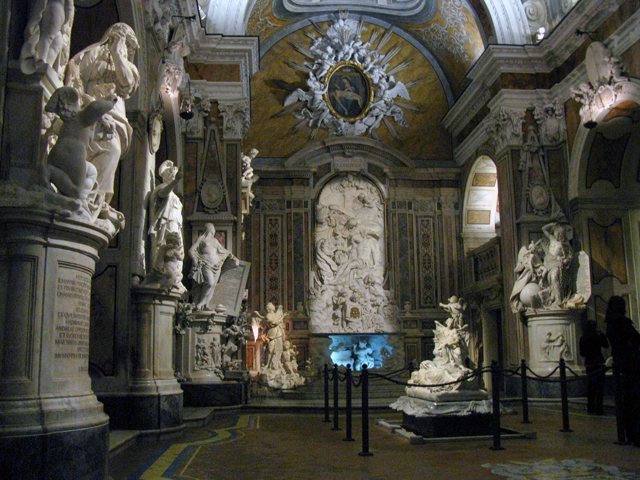
Cappella Sansevero is a former private chapel and mausoleum of the Sansevero princes in Naples, transformed in the eighteenth century by Raimondo di…
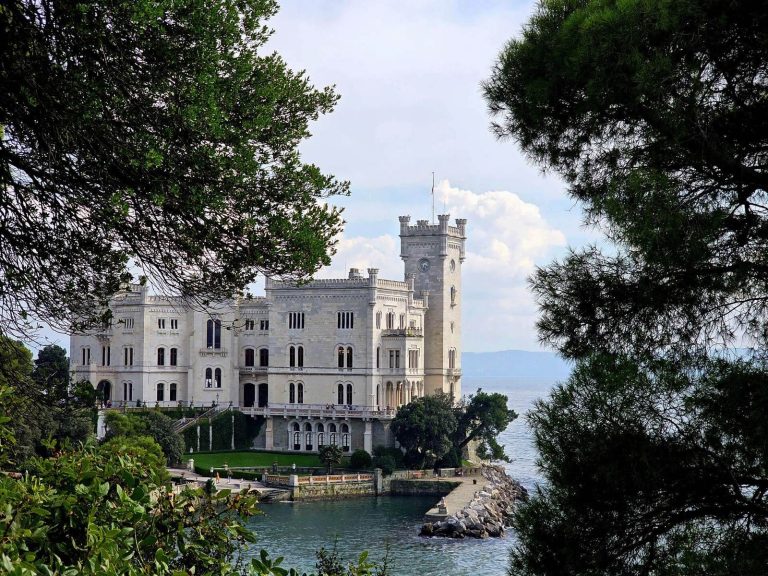
Miramare Castle is a nineteenth-century Habsburg residence on Italy’s Gulf of Trieste, built for Archduke Ferdinand Maximilian and Charlotte of…
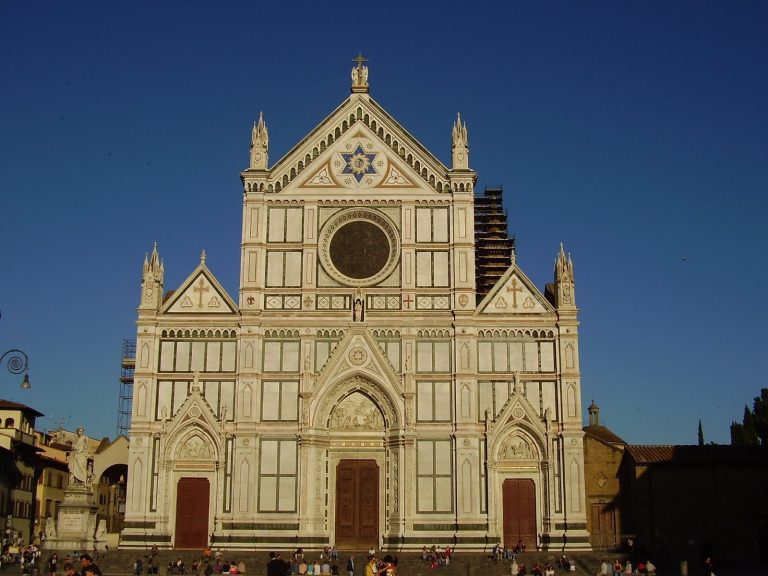
The Basilica of Santa Croce in Florence developed from a Franciscan foundation into a major Gothic church, artistic centre, and national pantheon.…
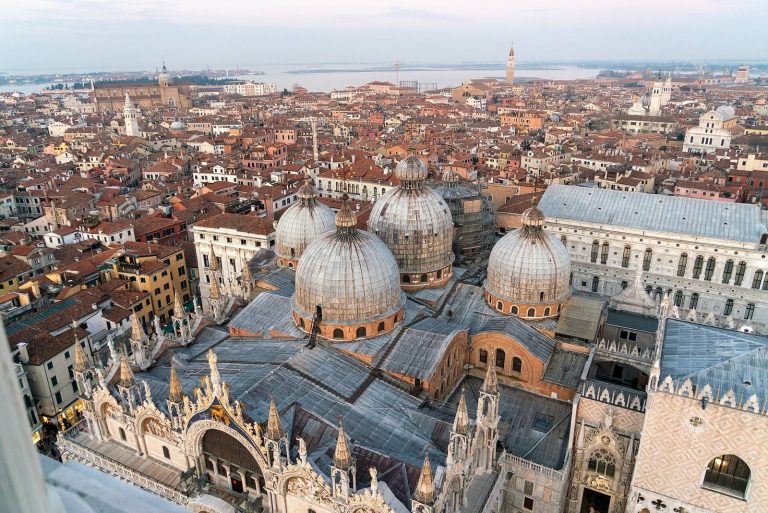
Doge’s Palace was the residence of Venice’s elected doge and the principal center of the Republic’s political, judicial, and administrative…
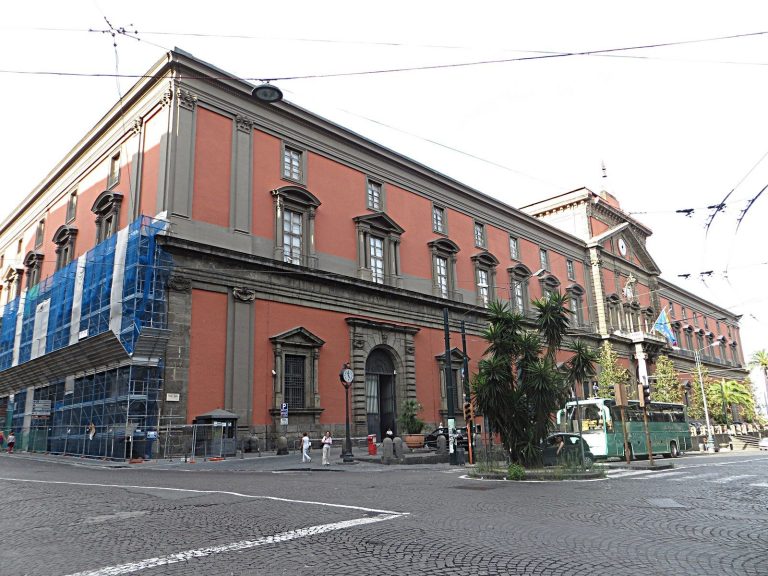
Palazzo degli Studi in Naples developed from a sixteenth-century cavalry barracks into a university palace and then the home of the National…
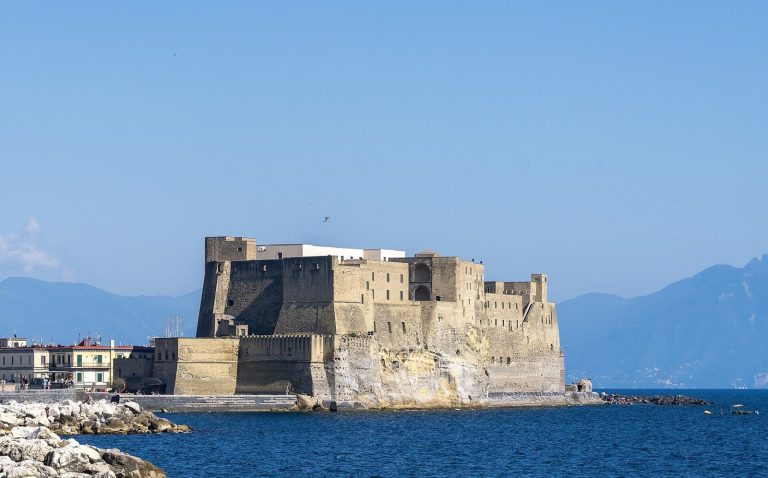
Castel dell'Ovo is Naples' oldest castle, built on the ancient island of Megaride and shaped by Greek, Roman, monastic, Norman, Angevin, Aragonese,…
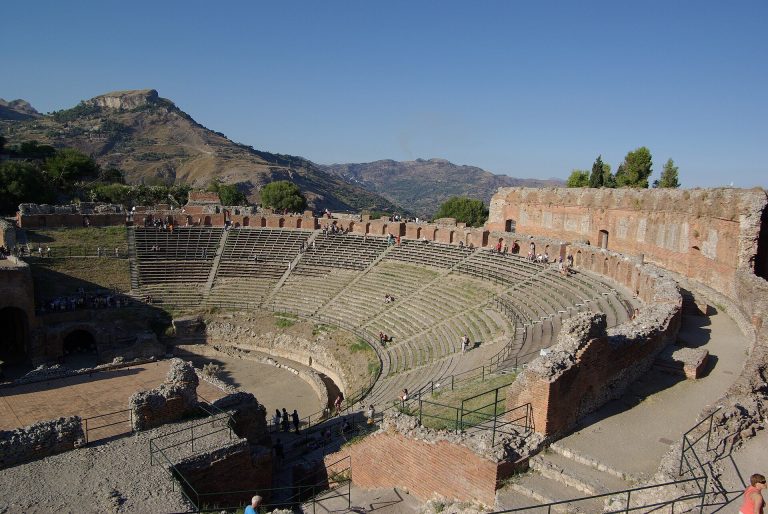
Teatro Antico di Taormina preserves the remains of a Hellenistic theatre enlarged under Roman rule and later adapted for arena spectacles. Its…
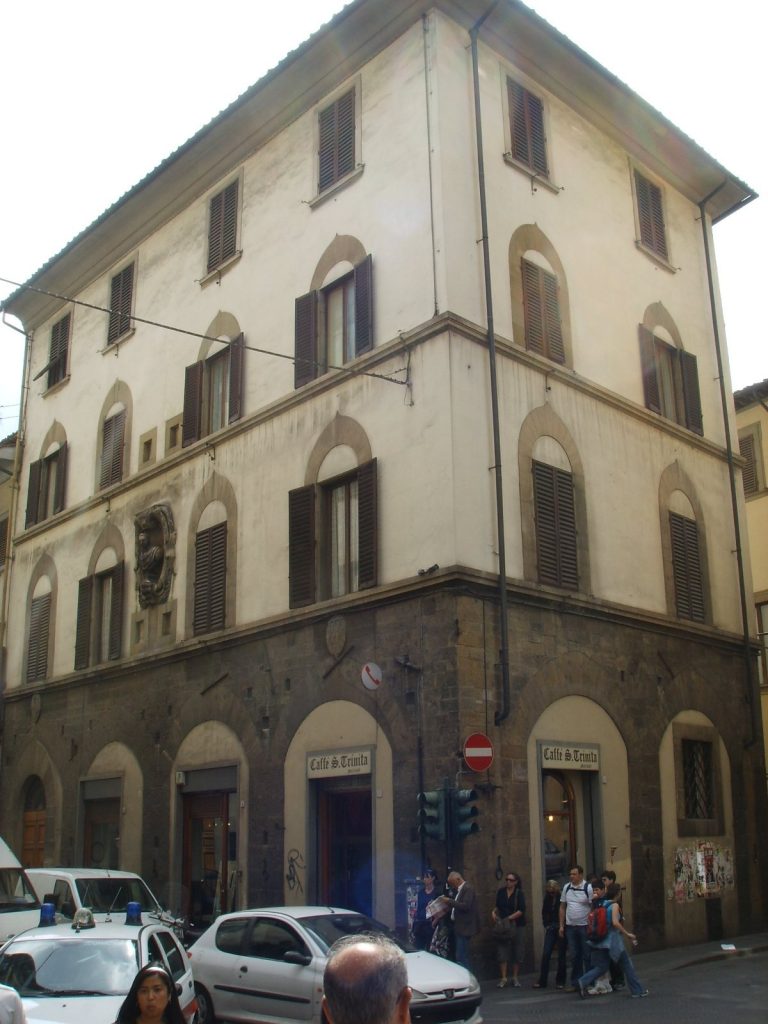
Palazzo Pitti-Mannelli is a Florentine building formed from several older structures, preserving late-medieval arcades, Renaissance alterations,…
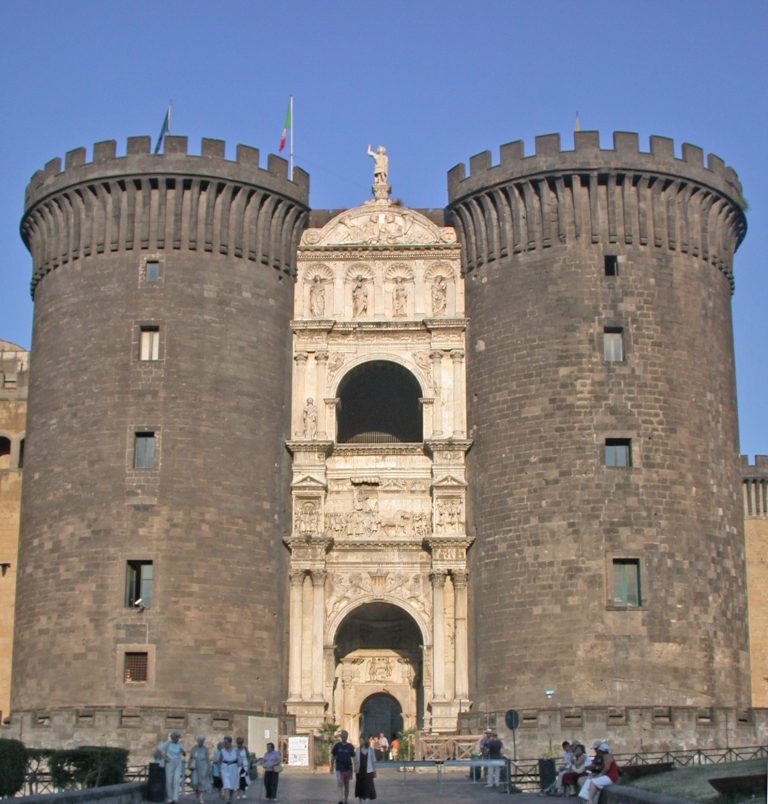
Castel Nuovo in Naples developed from an Angevin royal residence into an Aragonese palace-fortress, a Spanish military garrison, and a civic museum…
For details on how to use the maps, which sites are included, how popularity and ratings are determined, and how sites are classified, see the help page.
On this page6 sections
Ancient temples and sanctuaries
At Paestum in Campania, three substantial Greek temples stand within the remains of an ancient city. Their rows of Doric columns preserve the outlines of buildings whose roofs have disappeared. The wider site also contains streets and public spaces from the settlement’s later history.
A long circuit of stone walls encloses the city. Gateways controlled approaches from the surrounding countryside and coast, while smaller openings provided additional access. The temples are therefore part of an urban site with its own defensive boundary, rather than isolated buildings.
Roman towns and neighbourhoods
Herculaneum, on the Bay of Naples, preserves residential streets buried by the eruption of Vesuvius in AD 79. Deep volcanic deposits protected masonry buildings and carbonized wooden furnishings.
The houses contain varied combinations of courtyards, reception rooms, gardens, shops and service spaces. Evidence for upper floors adds a vertical dimension to the excavated neighbourhood. At the House of Argus, remains of a second storey included a balcony overlooking the street.
Ostia Antica developed near the mouth of the Tiber and became a major commercial centre involved in supplying Rome, including its grain supply. Its excavated streets connect the theatre, forum and other buildings across a substantial area of the former town.
The sea lay closer to the settlement in antiquity. The site’s position beside the river helps explain its original function, while the separate imperial harbour developments farther north record later expansion of Rome’s port infrastructure.
Castles and fortified residences
Castelvecchio in Verona was developed into a fortified residence under Cangrande II della Scala from 1354. The complex separated residential courts from a larger military court and incorporated sections of the city’s earlier walls.
Its fortified bridge across the Adige provided a route for escape or assistance from outside the city. The river was consequently both a defensive boundary and a connection to the territory beyond the castle.
Palaces and government buildings
The Doge’s Palace in Venice housed the doge and the principal institutions of the republic. Its buildings surround a courtyard beside Saint Mark’s Basilica. On the lagoon and Piazzetta façades, open arcades and an upper loggia support a broad, marble-patterned wall.
The palace’s large meeting spaces served government as well as residence. Its Gothic façades and later additions belong to a complex repeatedly adapted for the administration of Venice.
Churches and cathedrals
The Basilica of San Vitale in Ravenna was begun in the sixth century and completed after the Byzantine conquest of the city. Its octagonal central space is enclosed by piers and curved openings beneath a dome. Mosaics include the imperial panels of Justinian and Theodora.
At Monreale Cathedral in Sicily, King William II commissioned a cathedral and monastery in the early 1170s. Here, Byzantine-derived mosaics cover the interior of a long church with a central nave and side aisles.
Rows of columns support pointed arches, combining with the mosaic decoration in a building created under Sicily’s Norman monarchy. San Vitale and Monreale preserve different plans and periods, but in both the wall decoration remains integral to the architectural interior.
Explore the collection
Explore sites on the map or in the grid. Map icons indicate each site’s primary function, helping you identify different kinds of places at a glance. Narrow the results by primary function, site type, civilization or era, with additional filters for popularity and rating. Select a map marker to view the site’s details and open its article, or open the article from its grid entry.