Historic Sites in Bulgaria: Explore Roman Monuments, Fortresses and Monasteries
Explore more than 100 historic sites in Bulgaria, including Roman theatres and stadiums, medieval fortresses, monasteries and painted churches. Religious buildings form the largest group in this collection. The examples below include ancient seating in Plovdiv, fortifications at Veliko Tarnovo and Vidin, and the towers, courtyards and decorated interiors of Rila and Boyana.
Primary Function: All
Type: All
Civilization: All
Popularity: All
Rating: All
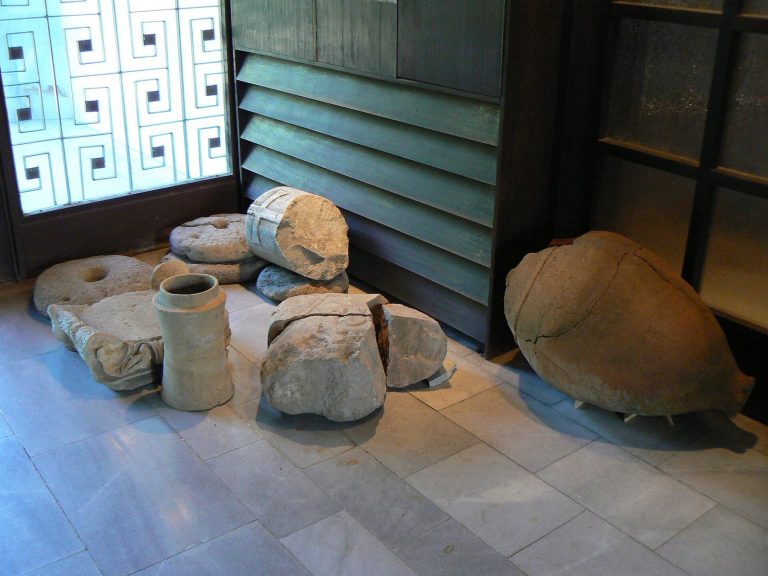
The Museum of Mosaics Devnya preserves the House of Antiope, a Late Roman villa built at Marcianopolis, with richly decorated floors and…
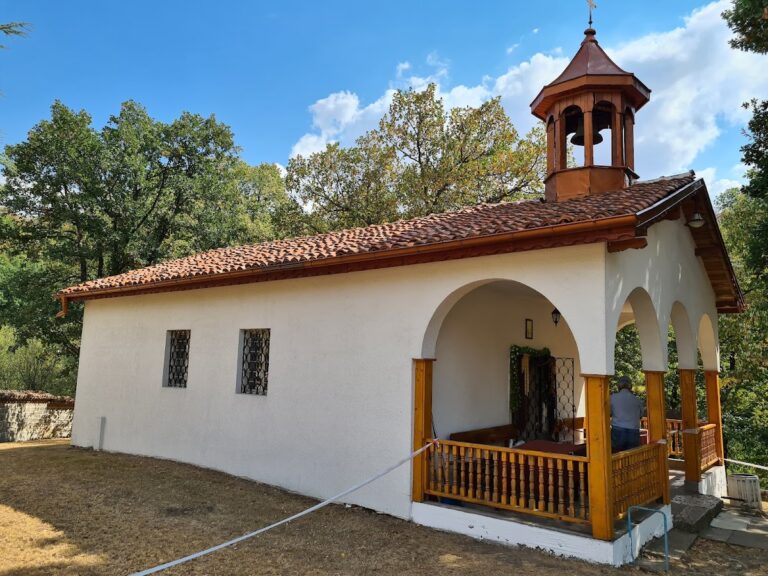
The Monastery of Saint Athanasius in Zlatna Livada is an active Bulgarian Orthodox nunnery traditionally founded by Athanasius of Alexandria in 344.…
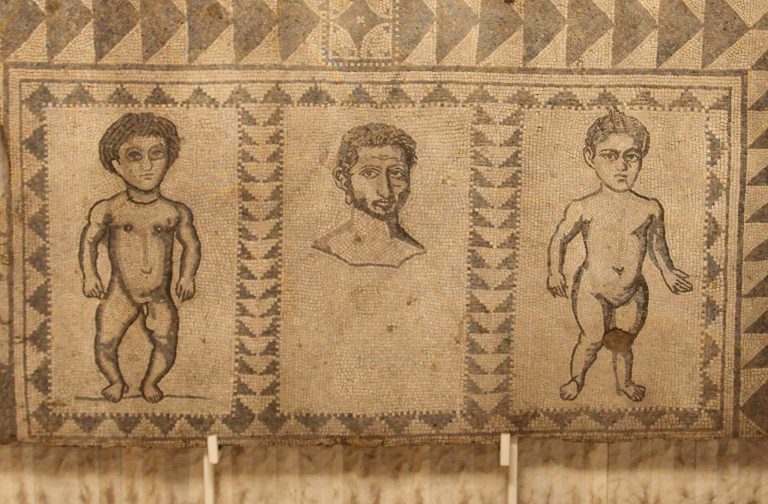
Villa Armira was a wealthy Roman villa and marble-producing estate in ancient Thrace, occupied from the late 1st century AD until its destruction…
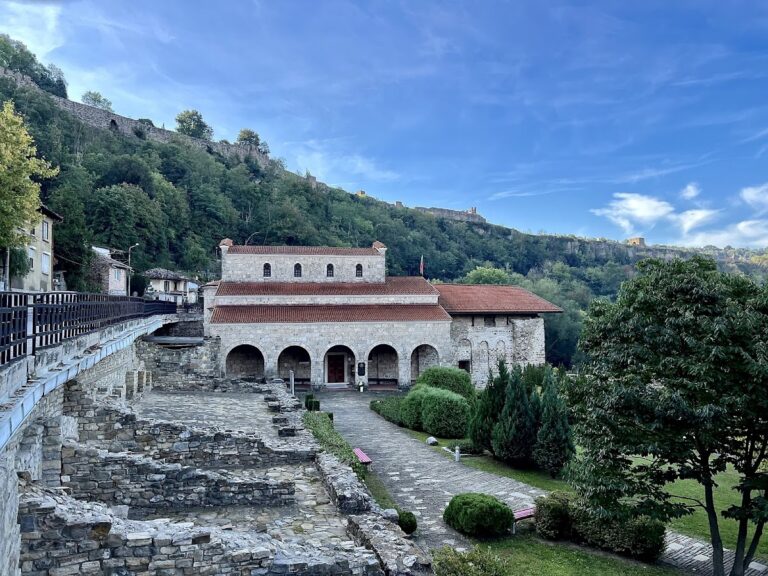
Holy Forty Martyrs Church in Veliko Tarnovo was the principal church of the Great Lavra royal monastery and a major monument of the Second Bulgarian…
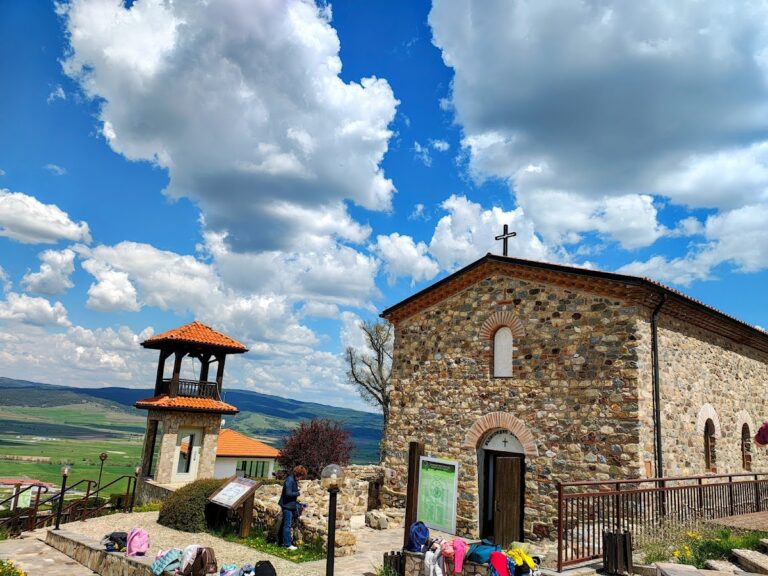
Tsari Mali Grad is a Roman fortress and fortified settlement near Belchin, Bulgaria, with Bronze Age and Thracian associations, late-antique…
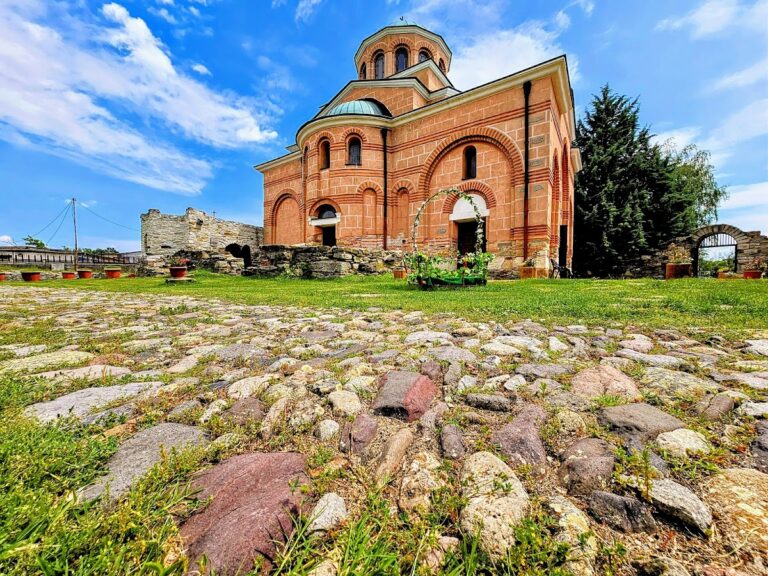
St. John the Precursor Monastery in Kardzhali developed from an early Christian site into a fortified medieval religious center associated with the…
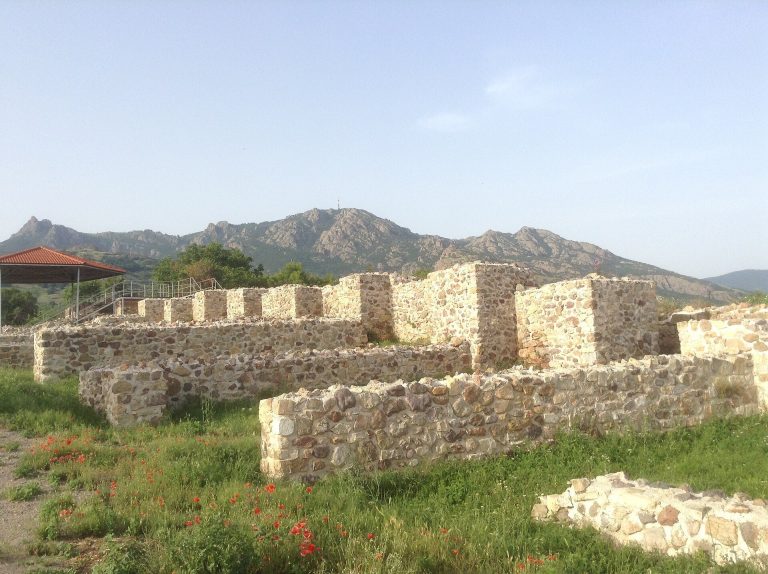
Tuida, also known as Suida or Tsoida, was a fortified settlement on Hisarlaka Hill near Sliven. Its history spans Late Iron Age habitation, Roman and…
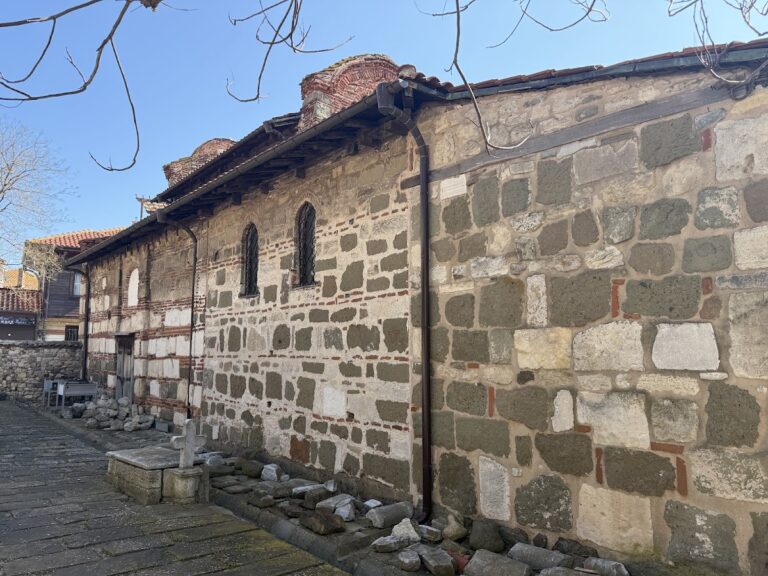
Church of St Stephen in Nesebar is a medieval Byzantine-style church that served as the seat of the local bishopric and preserves extensive frescoes,…
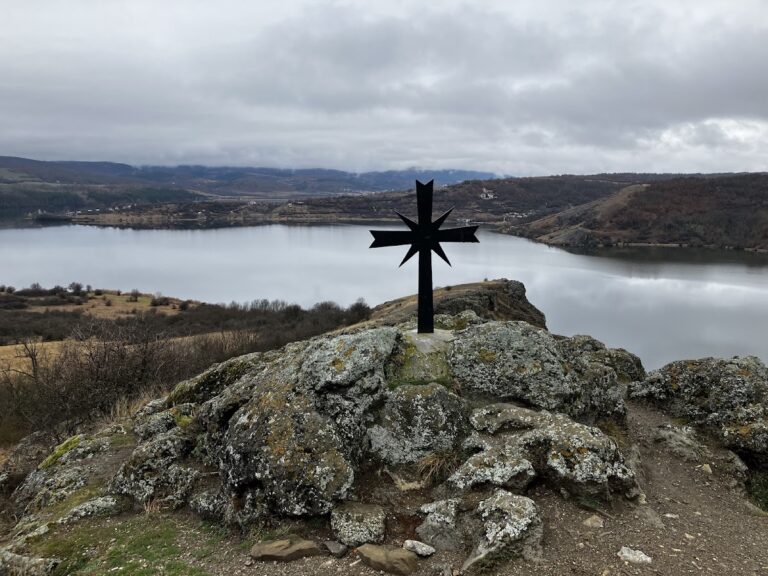
St John Chapel, Pchelina is a surviving medieval church beside the reservoir that flooded the former village of Pchelintsi. Its fifteenth- or…
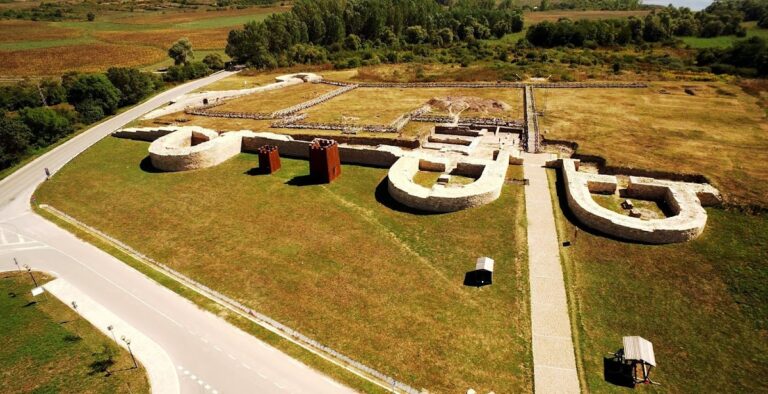
Kovachevsko kale was a Roman city founded in the early fourth century and abandoned in the late sixth century after repeated destruction and…
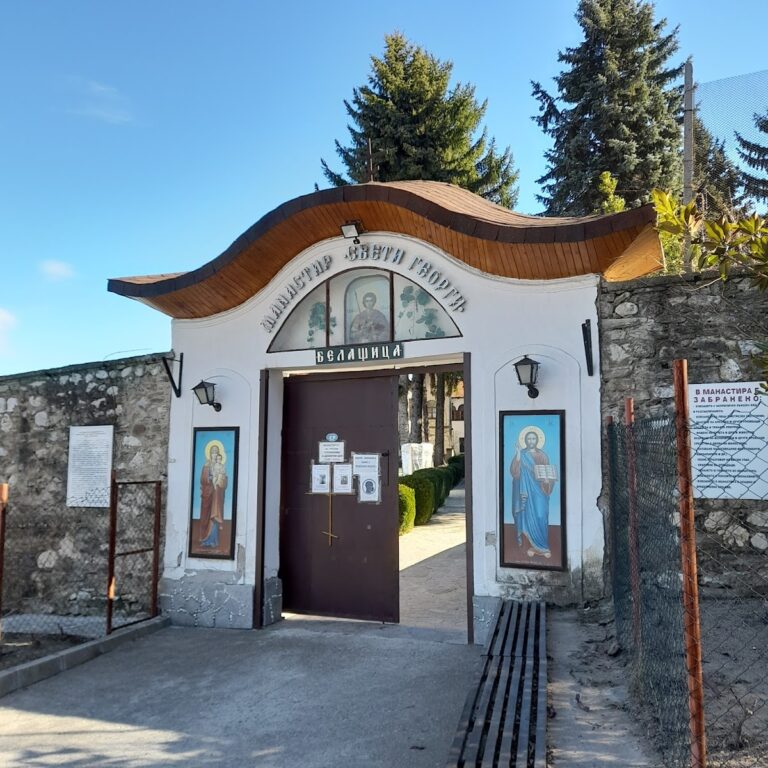
Belashtitsa Monastery near Plovdiv preserves a history stretching from a pre-Christian Thracian spring sanctuary and Byzantine foundation to its…
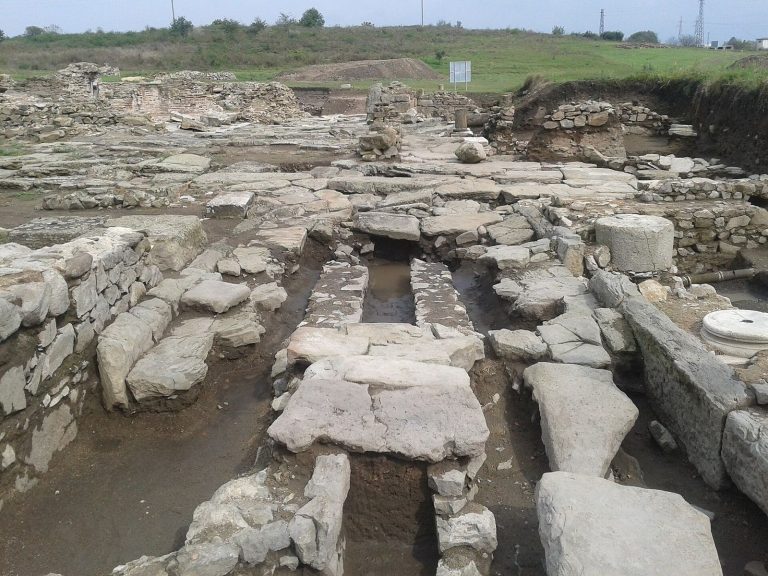
Develtos, near Debelt in southeastern Bulgaria, developed from a Greek trading settlement into a Roman colony, medieval frontier stronghold, and…
For details on how to use the maps, which sites are included, how popularity and ratings are determined, and how sites are classified, see the help page.
On this page5 sections
Roman theatres and stadiums
The Ancient Theatre of Philippopolis uses a hillside for its semicircular auditorium. Marble seating is divided by radial stairs and a broad horizontal passage, with the orchestra and stage building below. Substantial seating survives, while the restored stage architecture helps define the space used for performances. Its southern orientation opens towards the lower ancient town and the mountains beyond.
The Ancient Stadium of Philippopolis is a different kind of spectator building beneath central Plovdiv. Its exposed northern curve preserves rows of marble seats, some decorated with lion-paw forms. Much of the long track remains beneath later streets and buildings. The visible end shows the scale and seating arrangement of the stadium without implying that its entire course is exposed.
Castles and hilltop fortresses
Tsarevets occupies a fortified hill in Veliko Tarnovo. Its walls and controlled approaches enclosed royal and ecclesiastical compounds, with a separately defended palace area and the patriarchal complex on the summit. The present outline combines archaeological remains with substantial modern reconstruction. Baldwin’s Tower and the summit church are reconstructed buildings, rather than intact medieval survivals.
Baba Vida at Vidin has two concentric wall circuits, defensive towers and a surrounding moat. Several towers retain their medieval height and battlements. Later Ottoman alterations contributed to the fortress’s present form. Its compact, layered enclosure offers a different defensive arrangement from the much larger occupied hill at Tsarevets, with successive walls concentrated around the same inner complex.
Monasteries and fortified towers
The Monastery of Saint John of Rila fills an irregular courtyard in a mountain valley. Multi-storey wings contain monastic cells, chapels, a library and service rooms. The main church belongs to the nineteenth century, with domes, an external arcade, wall paintings and a carved, gilded icon screen.
Beside it, Hrelja’s Tower is a substantial fourteenth-century survival. Its thick stone walls enclose several levels, with the Chapel of the Transfiguration and medieval paintings near the top. The tower retains medieval fabric beside the nineteenth-century church. The surrounding residential wings complete a much larger ensemble than the medieval tower alone.
Churches and painted interiors
Boyana Church at the foot of Vitosha combines small buildings from successive periods. The thirteenth-century addition included a lower family burial space and an upper chapel. Blind arches, stone and brick decoration, and glazed ceramic ornaments articulate parts of the exterior.
Inside, the painting campaign dated by a donor inscription to 1259 provides the principal medieval decoration. It overlays or accompanies fragments of an earlier painted church. The compact rooms bring architecture, burial functions and wall paintings together on a much smaller scale than Rila’s later courtyard complex, while preserving a substantial medieval interior.
Explore the collection
Explore sites on the map or in the grid. Map icons indicate each site’s primary function, helping you identify different kinds of places at a glance. Narrow the results by primary function, site type, civilization or era, with additional filters for popularity and rating. Select a map marker to view the site’s details and open its article, or open the article from its grid entry.