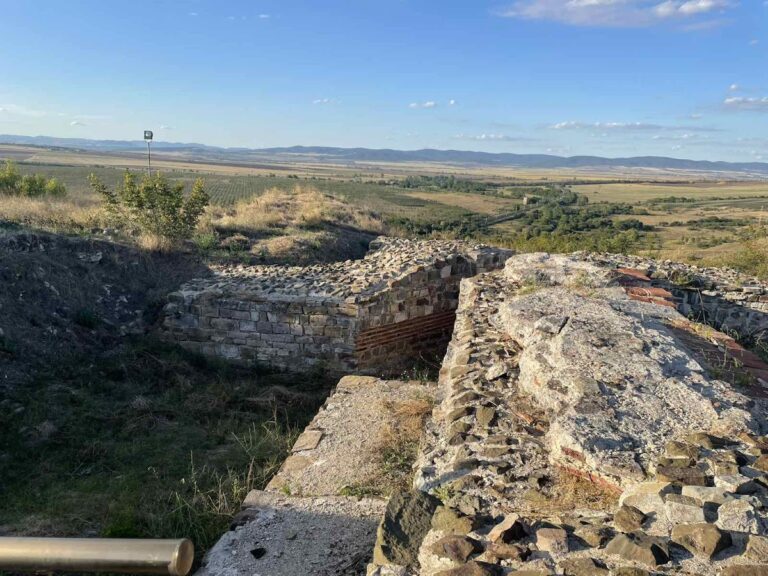
Develtos: An Ancient Port City and Bishopric in Bulgaria


Site at a Glance
- Rating
- 4.6
- Popularity
- Low
- Country
- Bulgaria
- Primary era
- Classical
- Eras represented
- Iron Age, Classical, Medieval
- Civilizations
- Ancient Greek, Bulgarian, Byzantine, Roman
- Site type
- City
On this page19 sections
History
Develtos, also known as Deultum, was an ancient port city and bishopric near Debelt in Bulgaria. Founded as a trading settlement of Apollonia Pontica in the seventh century B.C., it became a Roman veteran colony in the first century A.D. and later served as a fortified frontier centre between the Roman and Bulgarian states. Its history continued through the Byzantine period and the Second Bulgarian Empire before the settlement declined and was conquered by the Ottoman Empire.
Greek trading settlement and Roman foundation
The earliest settlement, called Develton or Debelton, was an emporium, a market established to facilitate exchange between different communities. From the sixth to the fourth century B.C., it connected Thracian and Greek groups through trade. The settlement stood at the mouth of the Sredetska River, beside the waters that formed part of the Gulf of Burgas, a position that supported its long commercial history.
Develton was annexed by Rome in A.D. 46 and incorporated into the province of Thrace. A colony for veterans of the Eighth Augusta Legion was probably planned before A.D. 69, but the civil war of that year delayed its establishment. During the reign of Emperor Vespasian, probably in the 70s A.D., the veteran settlement was founded as Colonia Flavia Pacis Deultensium, or Colonia Flavia Pancensis Deultum. A Roman colonia was a legally organized settlement, often created for Roman citizens or military veterans.
The colony’s location may have been influenced by its proximity to the former base of the Eighth Augusta Legion in Moesia. The veterans also had experience draining marshland, a useful skill in the wet landscape around Develtos. The name Pacis, meaning “peace,” probably referred to the end of the civil war. The new colony received an extensive territory, as shown by inscriptions found at Panchevo and Sladki Kladenci near Burgas.
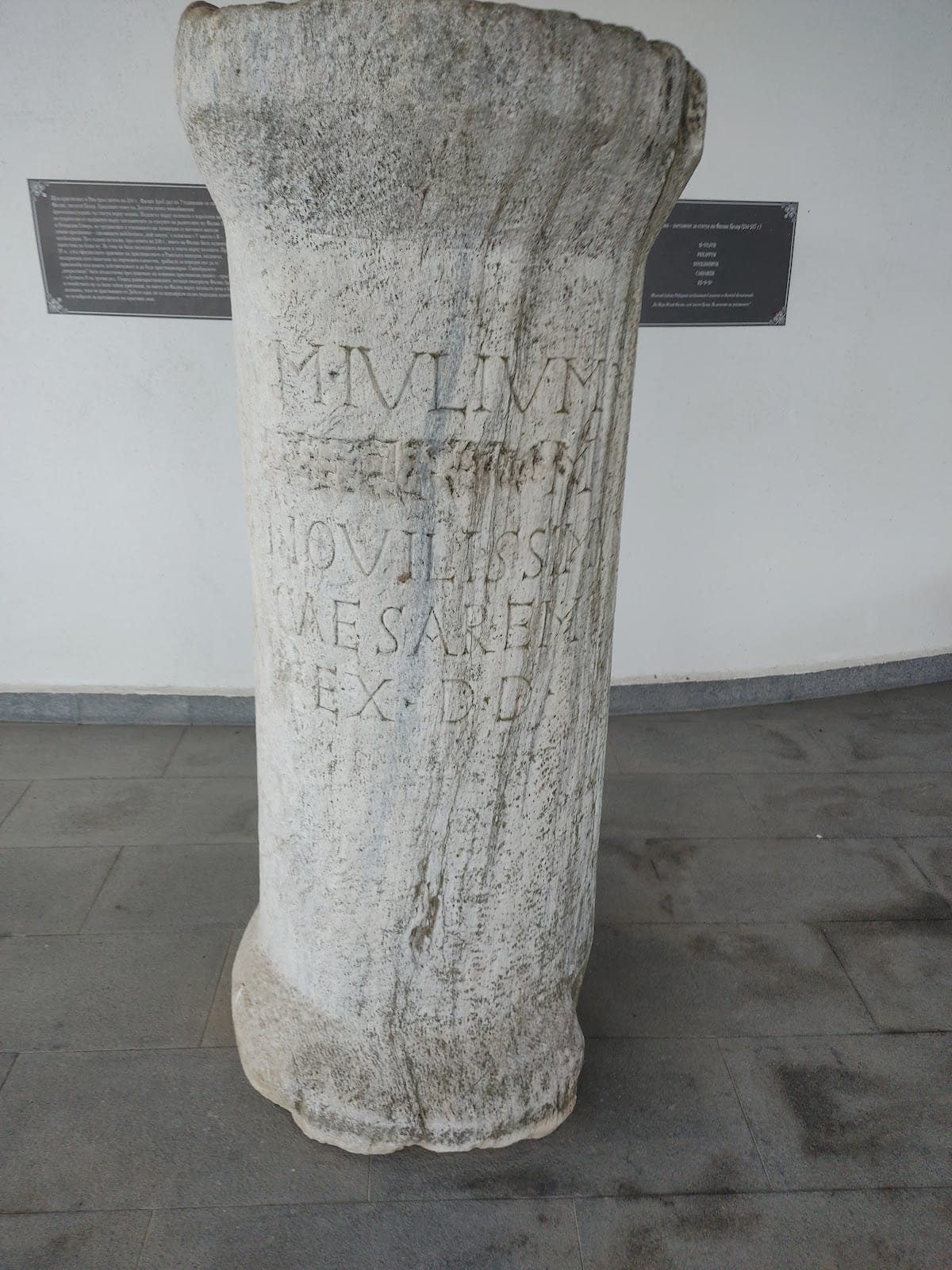
Develtum was mentioned by Pliny the Elder in his Natural History. In A.D. 82, its inhabitants invited Titus Avidius Quietus to become the city’s patron. Emperor Trajan later issued commemorative bronze coins for the thirtieth anniversary of the colony’s foundation. The city suffered severe damage during barbarian attacks between approximately A.D. 130 and 150, but it developed again into a substantial Roman centre by the late second or early third century.
Roman prosperity and imperial administration
By the late second or early third century, Deultum contained temples dedicated to Asclepius, the god associated with healing, and Cybele, an ancient mother goddess whose worship spread widely through the Roman world. A mint operated at Deultum from the reign of Caracalla to that of Philip the Arab. The city also appeared in the early third-century Antonine Itinerary, an imperial listing of routes and stations.
Philip the Arab passed through Deultum in A.D. 244 while travelling from Circesium to Rome. The city struck adventus coins to commemorate the emperor’s arrival. Later in the third century, the Goths sacked Deultum. The settlement was rebuilt, although the destruction marked a major change in its development. It subsequently formed part of the province of Haemimontus.
Emperor Diocletian passed through Deultum in A.D. 294 while travelling from Sirmium to Nicomedia. The legions I Flavia Pacis, II Flavia Pacatiana, and III Flavia Pacis may have been raised at Deultum or in its surrounding territory by Diocletian or by Constantius II. During the second half of the fifth century, new walls were built around the city. Buildings outside the protected area were demolished so that hostile forces could not use them as cover. Slavs and Avars destroyed the walls at the end of the sixth century.
The bishopric of Develtos
The diocese of Develtos was established in the second century A.D. A bishop named Aelius Publius Julius is known near the end of that century. His condemnation of Montanism, an early Christian prophetic movement regarded as heterodox by the developing mainstream church, indicates that Montanist communities were present in the area during the 170s. He probably attended a synod at Hierapolis in Phrygia.
The episcopal title was initially “Bishop of Develtos and Sozopolis.” Sozopolis may have become an independent diocese during the fifth century. Athanasius, Bishop of Develtos and Sozopolis, attended the Council of Ephesus in A.D. 431. He first supported Nestorius, Patriarch of Constantinople, but later accepted the council’s orthodox position.
Jovian, or Jovinus, attended the Synod of Constantinople in A.D. 448 and the Council of Chalcedon in A.D. 451. In A.D. 457, he joined other bishops of Haemimontus in protesting to Emperor Leo I against the murder of Saint Proterius of Alexandria. Another bishop of Develtos attended the Synod of Constantinople in A.D. 459. Bishop Eustratius attended the Second Council of Nicaea in A.D. 787.
Saint George, Archbishop of Develtos, was deported after Khan Krum captured the city in A.D. 812. In A.D. 815, Khan Omurtag tortured him to death together with approximately 380 other Christians who refused to renounce their faith. The see was vacant in A.D. 869, but Bishop Symeon attended the Fourth Council of Constantinople in A.D. 879. From the second half of the ninth century until the twelfth century, Develtos was a suffragan diocese of the Archdiocese of Adrianople. Bishop Constantine was active at the end of the tenth and beginning of the eleventh century.
Frontier city between Byzantium and Bulgaria
After the treaty of A.D. 716 between Emperor Theodosius III and Khan Tervel, Develtos stood on the Bulgarian frontier. It became an important defensive post in the wars between Bulgaria and the Roman Empire, at the edge of a depopulated border zone known to the Bulgarians as Zagoria. The office of kommerkiar, concerned with customs and commercial administration, is first attested at Develtos in the eighth century.
Emperor Constantine V reconquered Zagoria in A.D. 756. By the early ninth century, Develtos formed part of a chain of military bases in northern Thrace intended to contain Bulgaria north of the Haemus Mountains. Khan Krum besieged the city in May 812, and Develtos surrendered in June. Krum seized its siphons, devices used to project Greek fire, an incendiary weapon associated with the Byzantine navy. He then destroyed the city and its fortifications and forcibly relocated the population to Bulgarian territory.
Krum later repopulated Develtos with Bulgarians. In A.D. 814, he annexed it to a new province administered by his brother. The province was divided into districts on either side of the Tonzos River. Develtos belonged to the left-hand district, administered by the boyar Irataïs and the strategoi Cordyles and Gregoras.
After Emperor Leo V defeated Khan Omurtag near Mesembria in April 816, a treaty ratified in September returned Develtos to Roman control. The treaty required Bulgaria to build the Great Fence, a fortified earthen palisade northwest of Develtos, as a frontier marker. Following Bulgarian raids into Thrace in A.D. 853, Empress Theodora ceded the city to Khan Boris I, although Develtos remained partly ruined. Boris restored it to the Roman Empire in A.D. 864 and may have been baptized there.
Develtos also played a role in diplomacy and ecclesiastical politics. In A.D. 866, an embassy sent by Pope Nicholas I to Emperor Michael III was prevented from entering the Roman Empire. The delegation waited at Develtos for forty days before travelling to Pliska. It consisted of Donatus, Bishop of Ostia, the deacon Marinus, and the priest Leo, and carried the pope’s condemnation of Patriarch Photios I of Constantinople.
Later medieval decline
The treaty of A.D. 896 transferred Develtos to Tsar Simeon I and designated the city as the place where Bulgaria’s annual tribute would be delivered. Simeon used Develtos as the route for his campaign against Constantinople in the summer of A.D. 913, beginning the war of 913 to 927.
Under the treaty of A.D. 927, Tsar Peter I relinquished Develtos to Emperor Romanos I Lekapenos. The city then became part of the Byzantine theme of Thrace, a province organized for civil and military administration. In A.D. 1087, Emperor Alexios I Komnenos transferred it to the newly created theme of Anchialos.
Emperor Alexios III Angelos took temporary refuge at Develtos in mid-July 1203 after fleeing Constantinople before the Fourth Crusade. The Second Bulgarian Empire conquered the city after the Battle of Adrianople in A.D. 1205, but Michael Glabas Tarchaneiotes recovered it in A.D. 1263. During the fourteenth century, Develtos declined and became depopulated, either because of Turkish attacks or because sedimentation filled its lagoon. The Ottoman Empire conquered the city in A.D. 1396.
Excavation and preservation
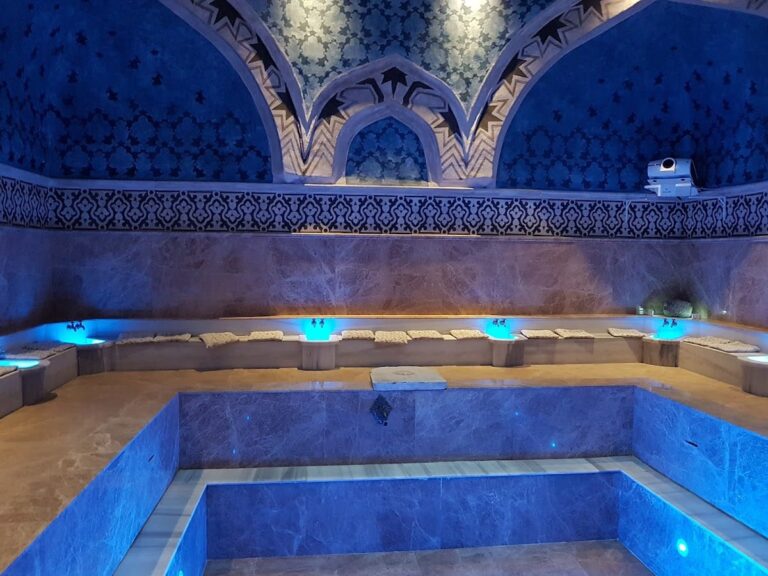
Scholarly interest began with descriptions by professional scholars of ancient history in the late nineteenth century. Individual finds were transferred to museums during the first half of the twentieth century. Large-scale excavations near Debelt began in the 1980s in connection with construction of a major metallurgical complex and continued thereafter. Since 1981, archaeologists have investigated Roman and Byzantine baths, an imperial-cult temple, fortifications, and other remains, with an interruption around the turn of the century.
A museum dedicated to Develtos opened beside the archaeological site in 2016. In 2020, archaeologists found a second- or third-century A.D. sarcophagus with a Greek inscription that demonstrated the city’s character as a port town. In 2024, an amulet dated to the late second or early third century A.D. was found at the site. It is regarded as the earliest Christian relic discovered in the region and contains the region’s earliest known reference to Christ.
The remains were declared an architectural and construction monument in 1965, and the area is now a national archaeological reserve. An archaeological base within the reserve supports year-round research. Many discoveries have only been partially published, leaving further investigation necessary. The bishopric was nominally revived as a titular bishopric in 1933. Its listed titular bishops include Yulian Voronovskyi from 1991 to 1994, Ignatius Anthony Catanello from 1994 to 2013, and John Rodrigues from 2013 onward.
Remains
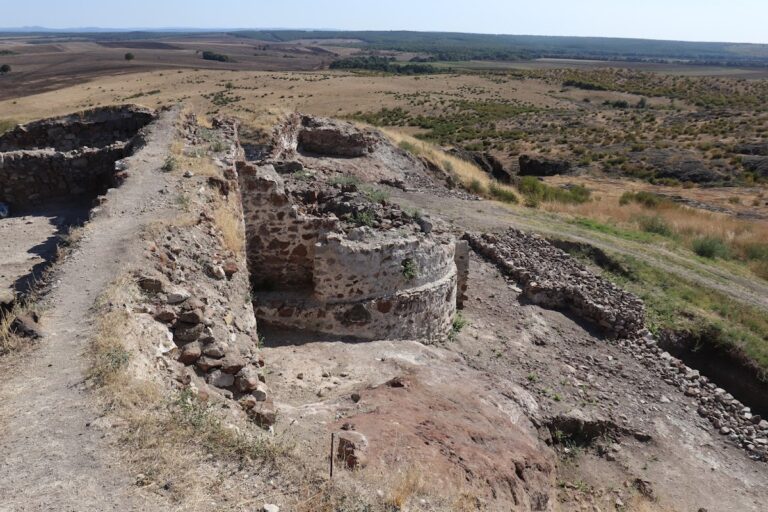
Develtos stood at the mouth of the Sredetska River on the western shore of Lake Mandrensko, formerly part of the Gulf of Burgas, near the modern village of Debelt. More than twenty-five archaeological sites occupy about three square kilometres around the western shore of the lake, ranging in date from the Late Bronze Age to the Late Middle Ages. By the end of the second or beginning of the third century, the ancient city covered approximately 62 acres, or 0.25 square kilometres, within a rectangular plan.
Roman city and public buildings
Eastern gate and main street
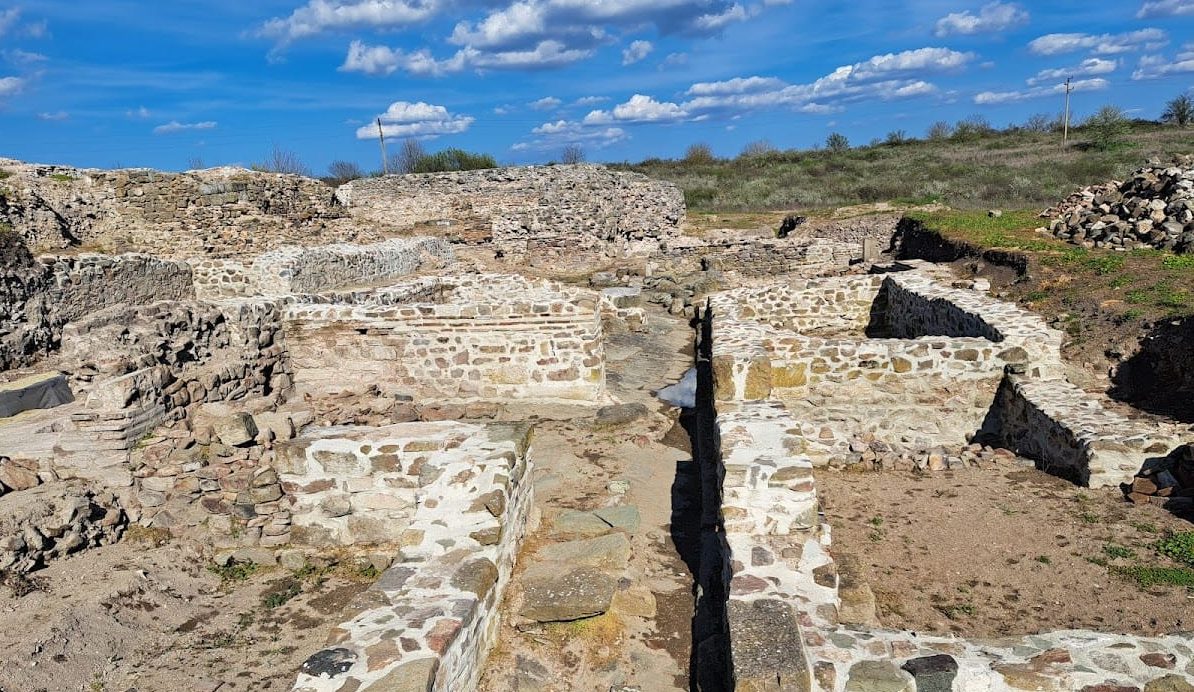
The eastern gate of the ancient city and part of its main street have been fully exposed. Niches on the inner side of the gate held statues of the city’s protective gods and goddesses. Together, the gate and street show the planned organization of the Roman settlement and its controlled entrances.
Temple of Asclepius and imperial cult
The temple of Asclepius stood in the northeastern part of the ancient city. It was later converted into a temple of the imperial cult, dedicated to the religious veneration of the Roman emperor and the imperial institution. The building was not completely investigated during the major twentieth-century excavations, but its remains are still visible.
Imperial statues
A fragmented bronze statue of a Roman emperor was found within the ancient city. The nearby museum displays a bronze head of Septimius Severus from a statue damaged by fire, providing material evidence for the city’s imperial imagery and its later destruction.
Necropolis
The ancient necropolis lay on a hill east of the medieval fortification. It contains ten burials in rectangular pits cut into bedrock, with depths reaching 1.50 metres. Grooves along the upper edges held stone cover slabs. The cemetery dates to the second and third centuries A.D., and some graves were reused during Late Antiquity and the Middle Ages.
Medieval fortification and settlement
Little Gradishte
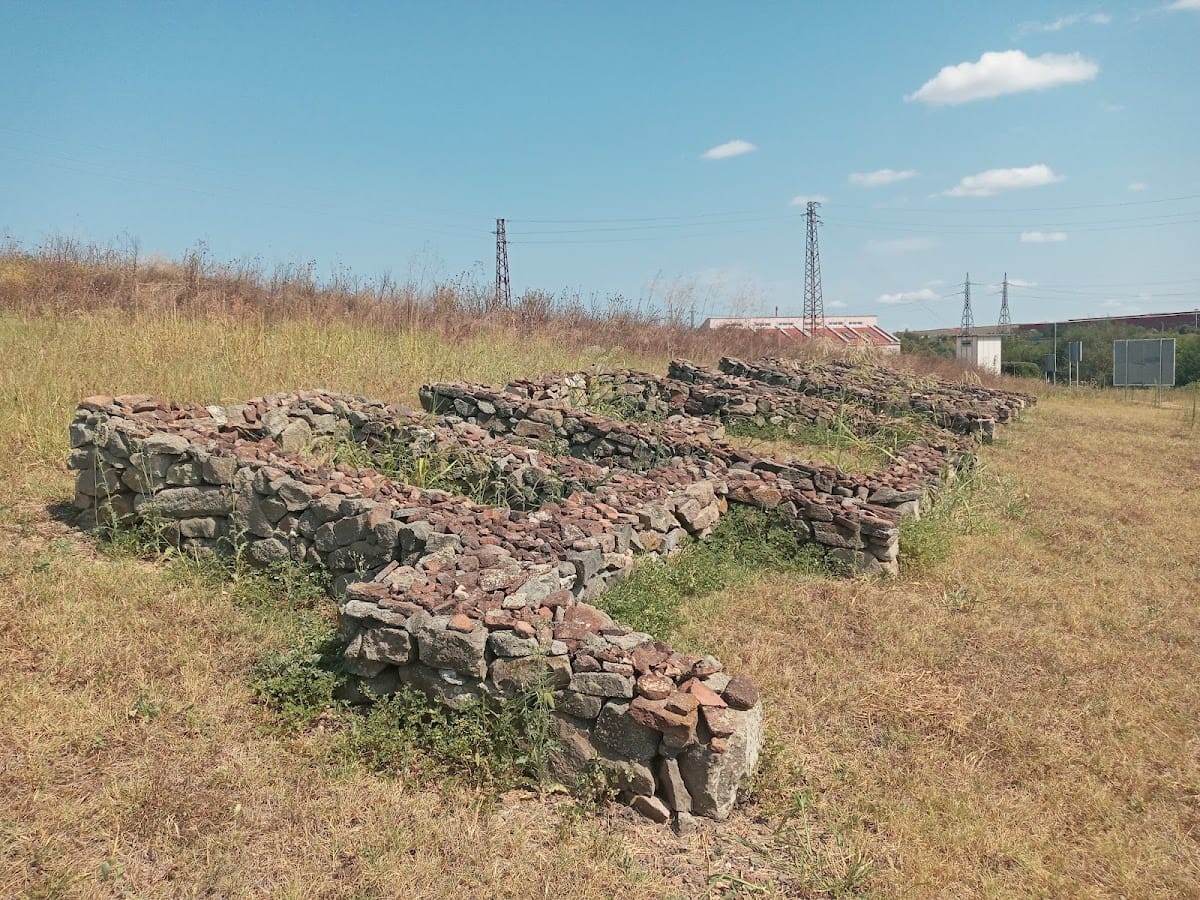
The medieval fortification known as Little Gradishte has two principal occupation phases. The first dates from the fourth to the seventh centuries, while the second belongs to the twelfth to fourteenth centuries and corresponds to the period of the Second Bulgarian Empire. The fortification has not been completely excavated, although limited archaeological investigations have clarified parts of its history.
Church and customs house at Kostadin Cheshma
A medieval church and customs house stood in the area called Kostadin Cheshma. The church dates to the ninth century and survives in foundations made from roughly broken stone bonded with white mortar. It was oriented from east to west and measured 14.5 by 12 metres. Its three-aisled basilical plan, an elongated church layout, included a western narthex, or entrance hall.
During a second construction phase, four columns were installed in the central aisle to support a dome. Cracks in the building may have resulted from an earthquake. Thirty-four Christian burials were found inside and around the church. The bodies were placed directly in the ground, with their right hands raised in a blessing gesture. Three skeletons had large silver-plated crosses dated to the ninth or tenth century.
Sixty-four lead seals were recovered from the church. Most bear monogrammatic crosses and the names of Byzantine dignitaries from the iconoclast period, the controversy over the religious use of images conventionally dated here to A.D. 726 to 843. Three seals belong to Boris I, who adopted the Christian name Michael. Their images show Christ holding a Gospel and blessing on the front and the Virgin Mary on the reverse. Inscriptions invoke help for Michael, archon of Bulgaria, with archon identifying the Bulgarian ruler as a high official or sovereign.
Frontier earthwork and changing harbour landscape
Erkesia
The border earthwork called the Erkesia lies immediately near the medieval settlement. It consists of a fortified ditch or embankment system built to mark the Bulgarian and Byzantine frontier. Investigations place its construction around A.D. 705, during the rule of Khan Tervel. Soundings produced materials dating from the fourth to second centuries B.C., raising the possibility that an unidentified Thracian city of the Classical and early Hellenistic periods lies within the reserve.
Port environment
Develtos’s long economic importance was linked to changing Black Sea levels, groundwater, and the open navigation channel of Lake Mandrensko. For nearly two thousand years, the principal economic centre of the modern Burgas region was located near present-day Debelt. After the Eastern Roman Empire ceded the Zagore region to Bulgaria in the early eighth century, the port of Mesembria gradually declined while the newly established port of Poros, later identified with Deultum, gained importance.
Nearby sites