Castles in Russia: Explore River Fortresses, Walled Monasteries and Palace Interiors
Castles in Russia in this collection include river fortresses, enclosed monastic communities and palaces built for royal or aristocratic households. Some survive as walls and towers surrounding open ruins; others retain or recreate elaborate interiors. The examples below explain those differences through defensive circuits, protected stores, ceremonial halls and a theatre built within a timber palace.
Primary Function: All
Type: All
Civilization: All
Popularity: All
Rating: All
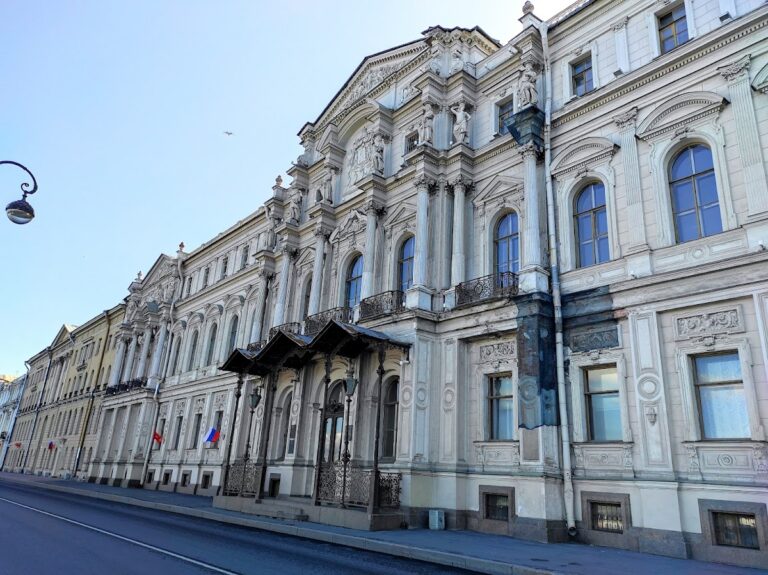
New Michael Palace in Saint Petersburg was built between 1857 and 1862 for Grand Duke Michael Nikolaevich. Its early eclectic architecture…
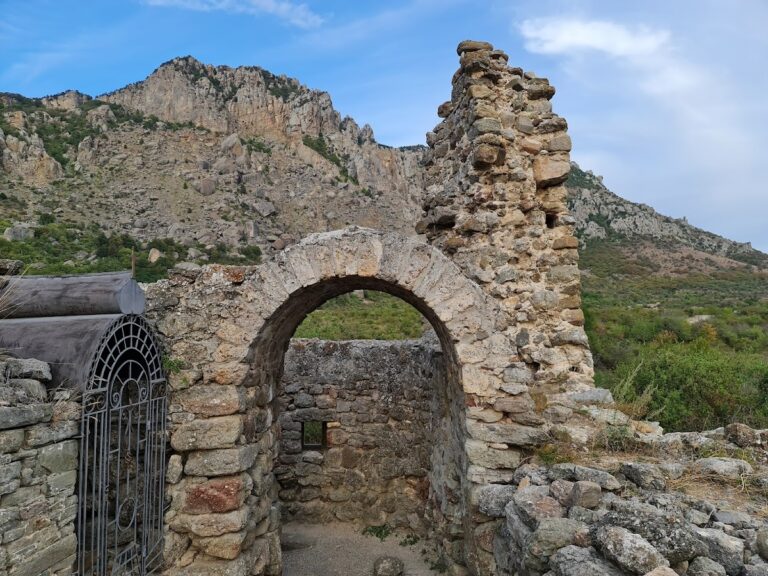
Funa Fortress was a medieval stronghold of the Principality of Theodoro, guarding a trade route and facing Genoese possessions on Crimea’s southern…
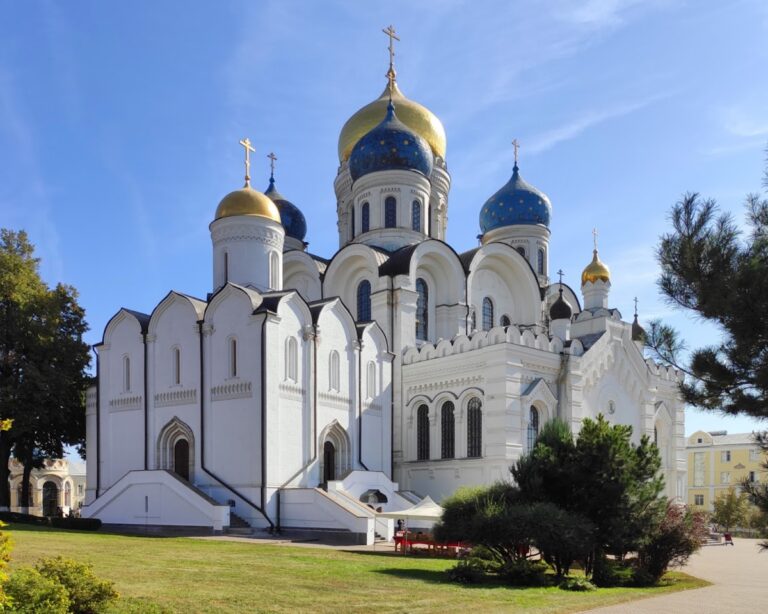
Ugresha Monastery, founded in 1380 near Moscow, developed from a medieval religious foundation into a royal pilgrimage site, a fortified settlement,…
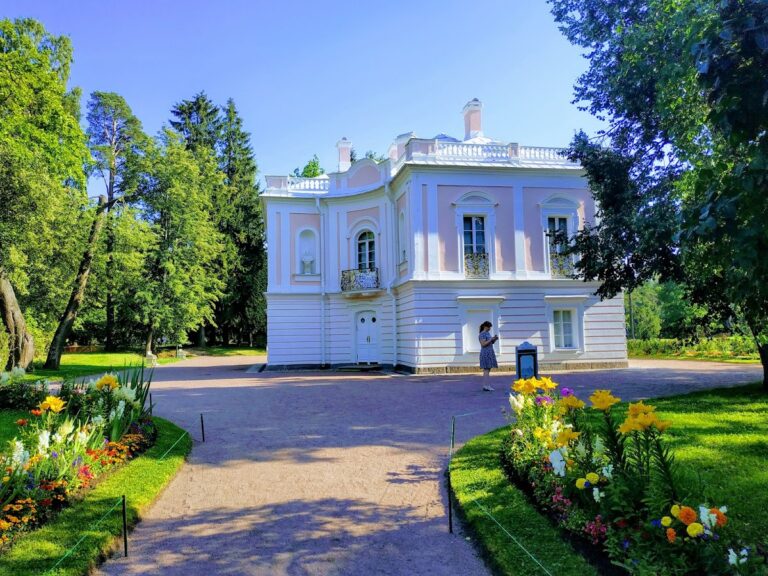
Built between 1758 and 1762 for Peter Fyodorovich, the future Peter III, this palace was the principal building of the miniature Peterstadt fortress…

Monplaisir Palace was Peter the Great’s favored country residence at Peterhof, built between 1714 and 1723 with Dutch influences and later restored…
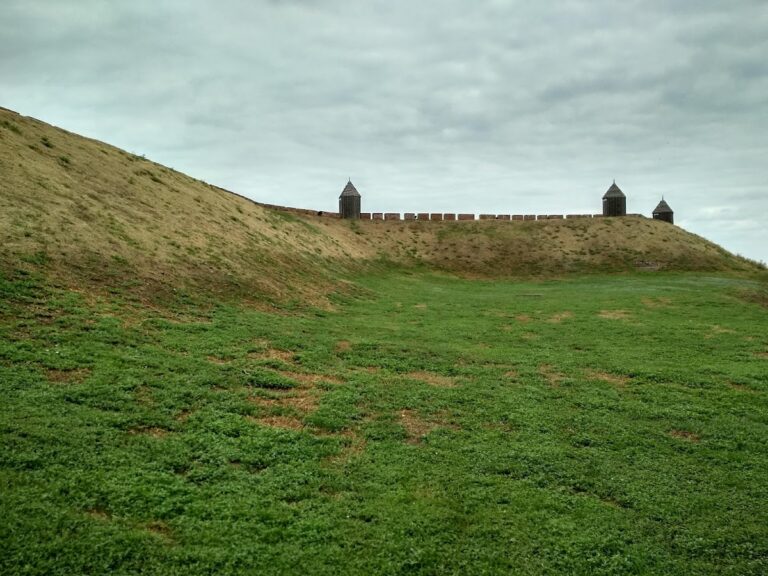
Azov Fortress guarded access to the Sea of Azov and changed hands between the Ottoman Empire and Russia after major sieges in the seventeenth and…
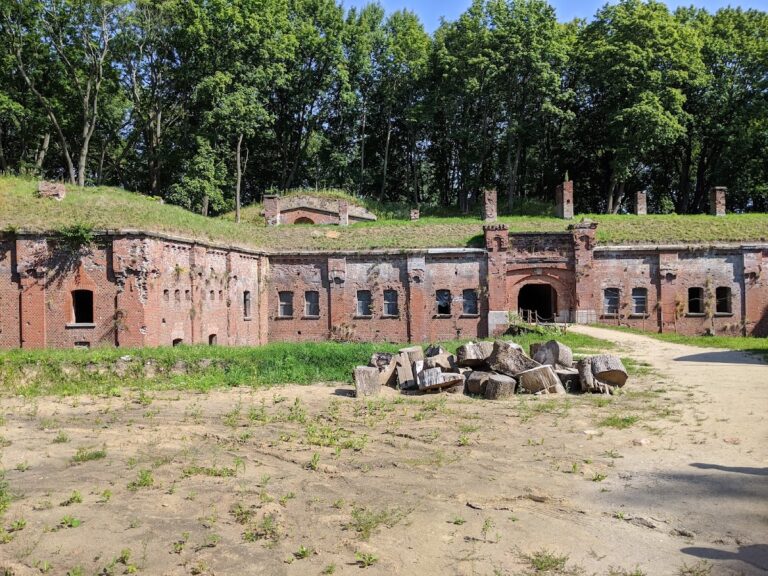
Fort III in Kaliningrad was the first and largest of the twelve principal forts in Königsberg’s fortified belt. Built between 1873 and 1878, it…
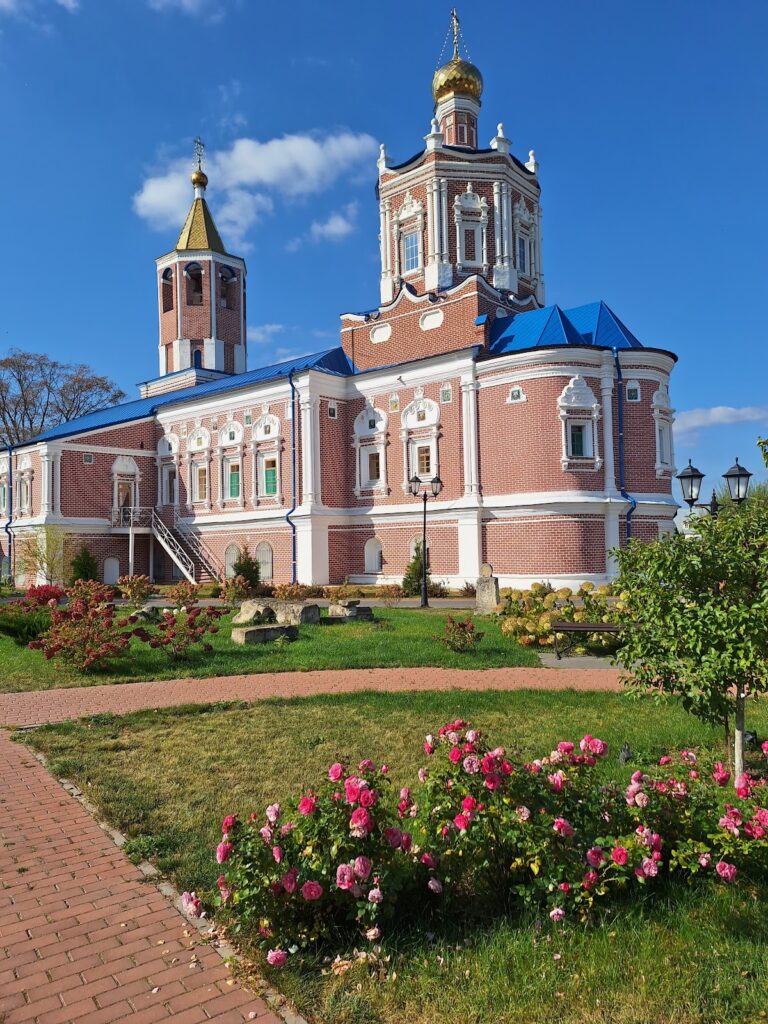
Founded in 1390 by Grand Prince Oleg Ivanovich of Ryazan, the Solotcha Nativity of the Theotokos Monastery developed into a major religious and…
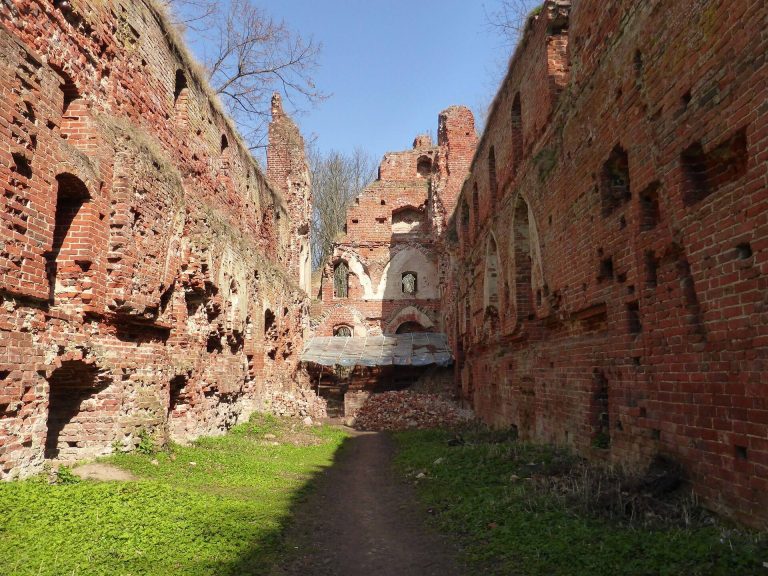
Balga was a Teutonic Order fortress, commandery seat, and settlement on the Vistula Lagoon. Its ruins preserve evidence of medieval military,…
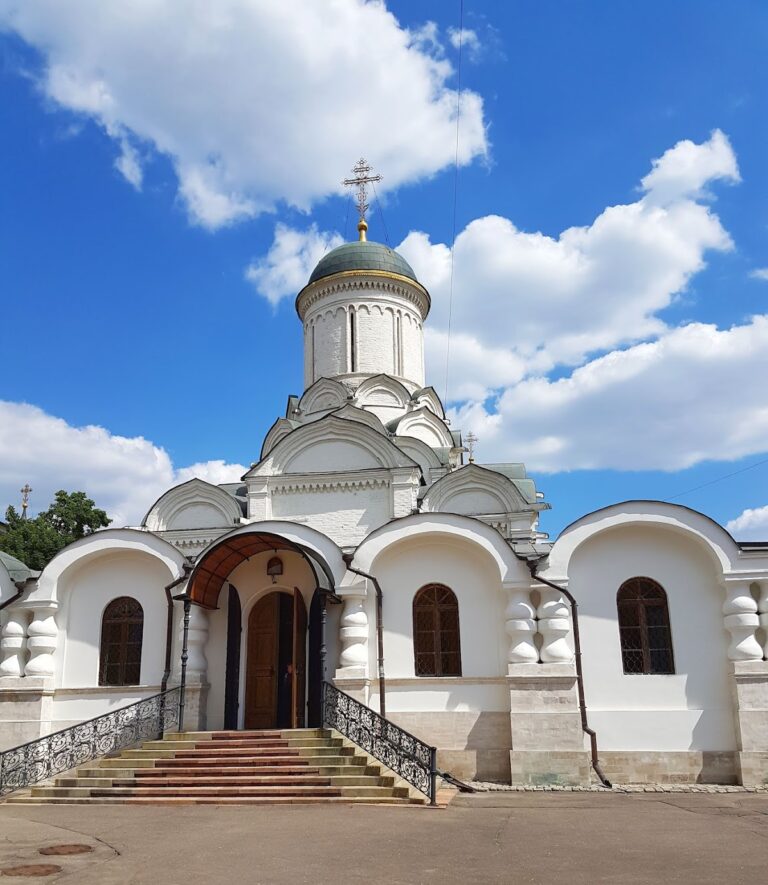
Nativity Convent is a historic Orthodox women’s monastery in central Moscow, founded in 1386 and rebuilt and expanded across six centuries. Its…
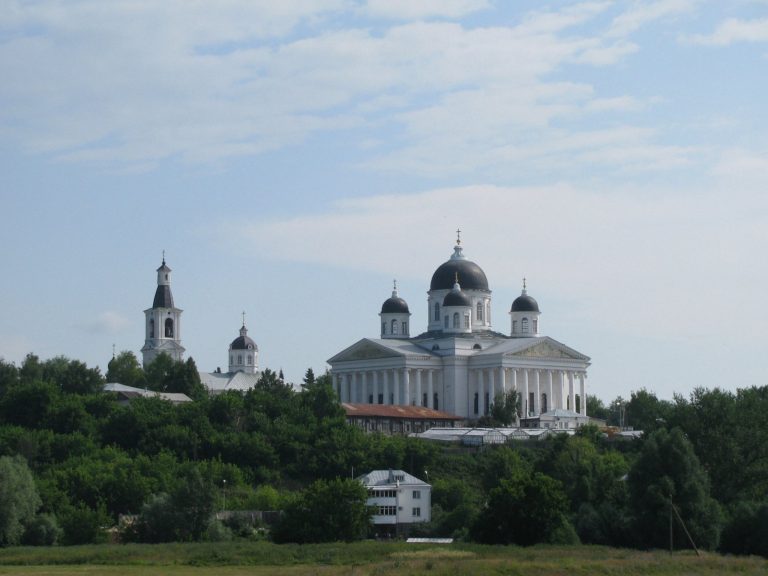
Founded in 1572, the Arzamas Kremlin was a wooden fortress that defended a strategic settlement in Russia until its destruction by fire in 1726.
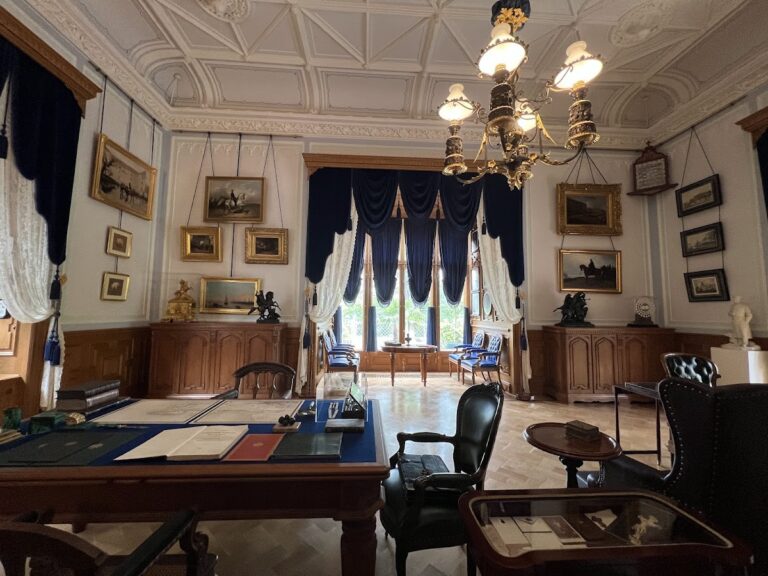
Farm Palace in Alexandria Park at Peterhof developed from a small pastoral farm into a country palace used by Alexander II and his family. Its…
For details on how to use the maps, which sites are included, how popularity and ratings are determined, and how sites are classified, see the help page.
On this page6 sections
River defences at Ivangorod and Oreshek
Ivangorod Fortress stands opposite Narva across a bend in the river. Its first small, regular enclosure was enlarged with further defended areas. Later walls extended towards the water and made greater use of the ground, while round and square towers divided the longer stretches of masonry.
The resulting complex contains several defensive lines, churches and stores. Restoration rebuilt damaged tower sections and wall breaches, while the Small Powder Magazine retains earlier lower masonry and vaults within its repaired structure. The separate enclosures preserve the sequence by which a compact fortress became a larger garrison position.
Oreshek Fortress occupies an island where the Neva leaves Lake Ladoga. Its later perimeter follows the island’s elongated outline, with projecting towers covering adjoining walls. An inner citadel was separated from the rest of the fort by its own walls and a channel that also accommodated boats. War damage and restoration left a mixture of standing towers and ruined buildings; the original complete tower circuit does not survive intact.
Solovetsky Monastery: boulder walls around a working community
The main enclosure of Solovetsky Monastery stands between a lake and a bay of the White Sea. Enormous local boulders form much of its thick defensive walls, punctuated by gates and towers. Inside, roofed passages connect churches with residential and service buildings.
The Assumption Cathedral adjoins a large refectory, while stores and workshops supported the island community. These spaces also have a later history of imprisonment. The monastery premises were used for a Soviet forced-labour camp and subsequently a prison, making confinement part of the history of the same enclosed buildings that had served religious and domestic life.
Peterhof Grand Palace: a sequence of restored state rooms
Peterhof Grand Palace is a long, relatively narrow building with ceremonial rooms arranged along its principal façade. Connected doorways create an extended sequence through the halls. Mirrors, gilded carving, painted ceilings and inlaid floors enrich spaces whose apparent size is increased by repeated reflections.
Wartime destruction led to extensive reconstruction of the interiors. In the main staircase, some sculpture survived through evacuation, while other figures and painted decoration were recreated. The palace therefore presents a recovered ceremonial scheme containing both surviving objects and replacement work, rather than an untouched eighteenth-century interior.
Ostankino: a wooden palace built around a theatre
Ostankino Palace was constructed largely from pine, with exterior plaster giving it the appearance of stone. Columned façades and low connecting galleries unite the principal building with pavilions and residential wings.
At its centre, a rectangular stage adjoins a semicircular auditorium. The two spaces could be combined into a ballroom after performances. Parts of the theatrical machinery survive alongside the stage, audience spaces and dressing rooms. This practical arrangement gives the palace a specific purpose beyond formal reception: performance and entertainment shaped its plan.
Saint Michael’s Castle: an octagonal court within a royal residence
Saint Michael’s Castle in Saint Petersburg encloses an octagonal ceremonial courtyard within a roughly square building with rounded corners. Paul I’s residence originally stood between rivers and canals, approached by guarded bridges and additional defensive works.
The south façade has paired red-marble columns and a raised central entrance. Its enclosed form and former water barriers gave a palace the appearance and controlled approaches of a fortress. Later changes removed or altered much of that surrounding arrangement, while restoration recovered parts of the canal and bridge system as well as selected palace interiors.
Explore the collection
Explore sites on the map or in the grid. Map icons reflect each site’s primary function, helping you identify different kinds of places at a glance. Narrow this collection by primary function, by a site type within the castle and residence group, or by civilization and era. Additional filters cover popularity and rating. Select a map marker to view the site’s details and open its article, or open the article from its grid entry.