Castles in Albania: Explore Hilltop Strongholds, Coastal Forts and Walled Enclosures
Castles in Albania range from compact strongholds fitted to rocky summits to forts enclosing broad courtyards near the coast. Towers and curtain walls remain the main features at several sites, while others preserve vaulted rooms, cisterns and buildings adapted for religious or domestic use. Their plans often make particular sense when seen against the surrounding cliffs, river plains and sheltered bays.
This collection includes forts and fortified enclosures as well as castles. The examples below follow those differences in setting and construction, from the heights above Tirana to the Adriatic and Ionian shores.
Primary Function: All
Type: All
Civilization: All
Popularity: All
Rating: All
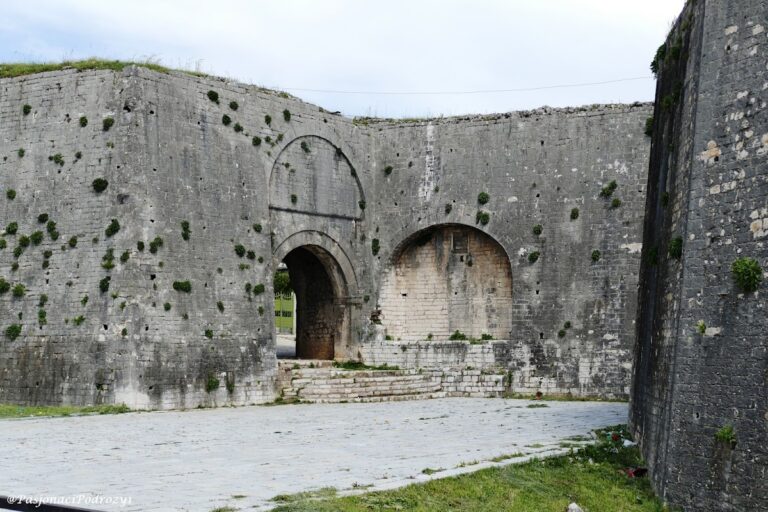
Tepelenë Fortress developed from an earlier Byzantine fortification into an Ottoman stronghold and the enlarged residence of Ali Pasha in the early…
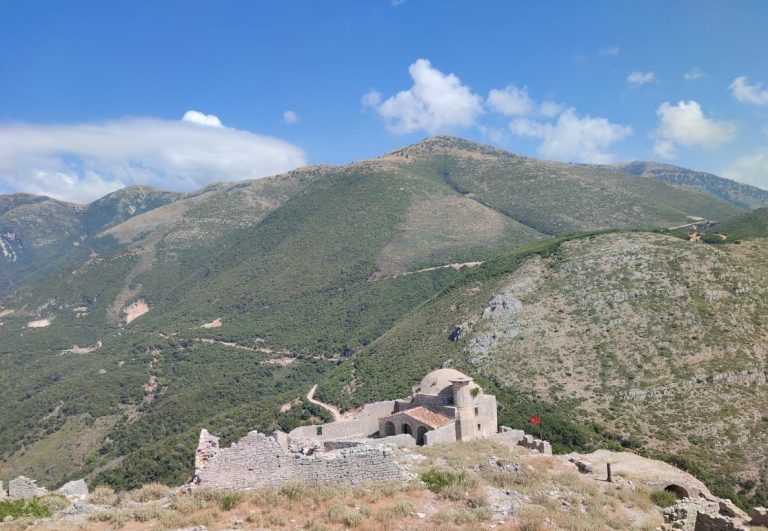
Borsh Fortress, also known as Sopot Fortress, occupies an ancient fortified hill above Borsh on Albania’s Ionian coast. Its remains reflect Bronze…
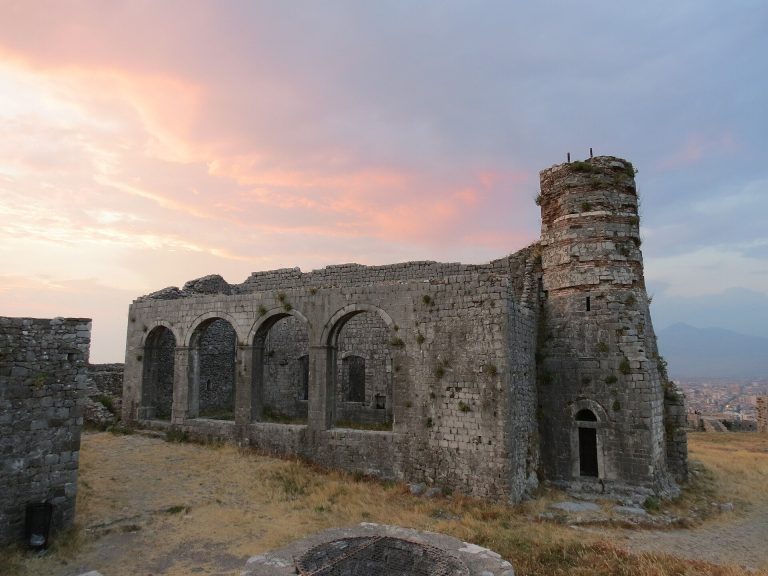
Shkodër Castle, also known as Rozafa Castle, occupies a strategic hill above the Buna and Drin rivers. Its history extends from the Illyrian city of…
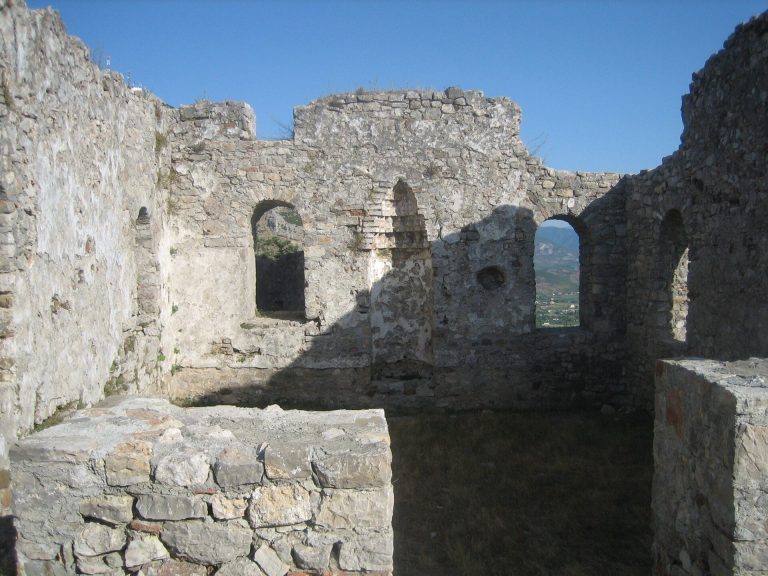
Lezhë Castle occupies the hill of ancient Lissus, a fortified Illyrian, Roman, Byzantine, Venetian, and Ottoman center whose history reflects the…
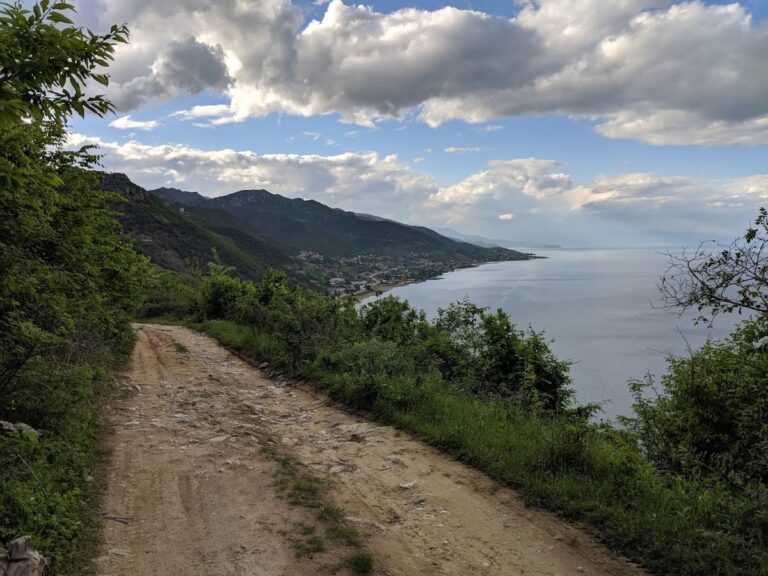
Pogradec Fortress is an ancient-origin fortified settlement on Castle Hill above Lake Ohrid, associated with the Illyrian Enchelei and rebuilt for…
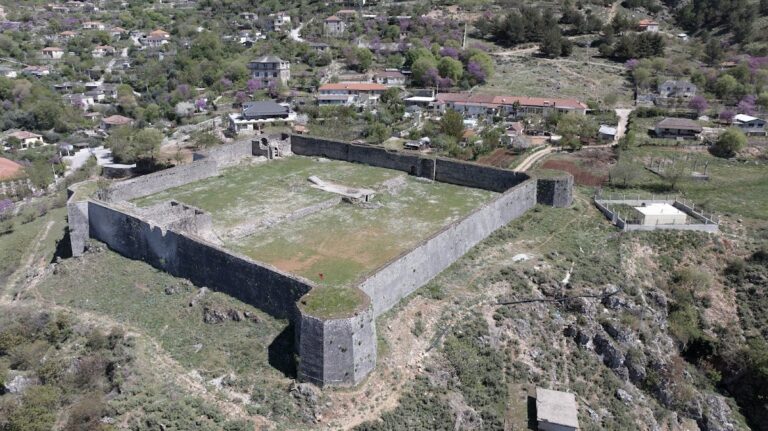
Libohovë Fortress was built between 1796 and 1798 on the orders of Ali Pasha of Tepelena. Rising above Libohovë, it protected the settlement and…
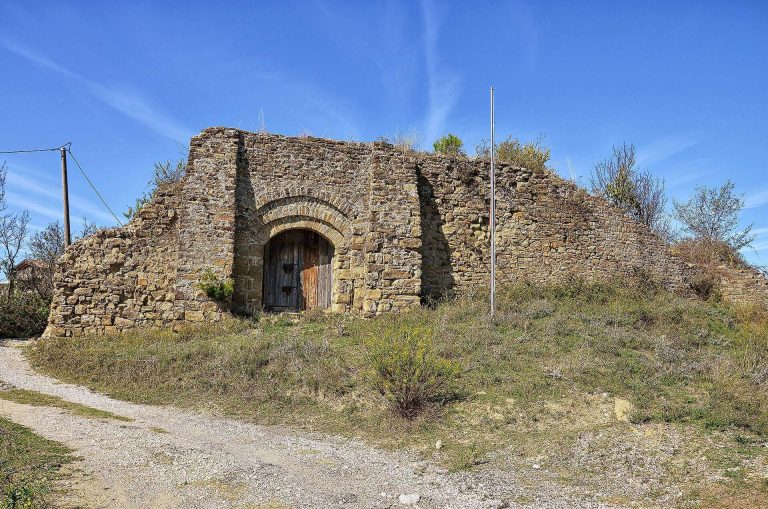
Ishëm Fortress is an Ottoman defensive site built between 1572 and 1574 to control unrest, trade, smuggling, and access through the Ishëm River…
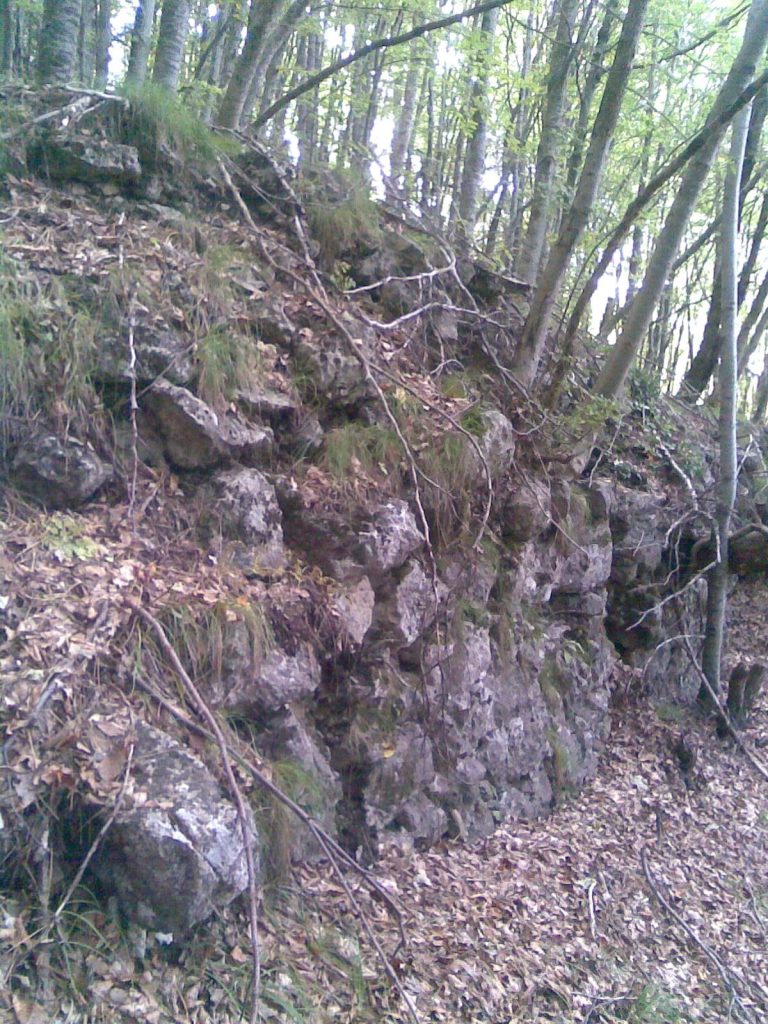
Dajti Castle is a late-antique archaeological site on Mount Dajti, probably built in the sixth century over earlier Illyrian foundations and later…
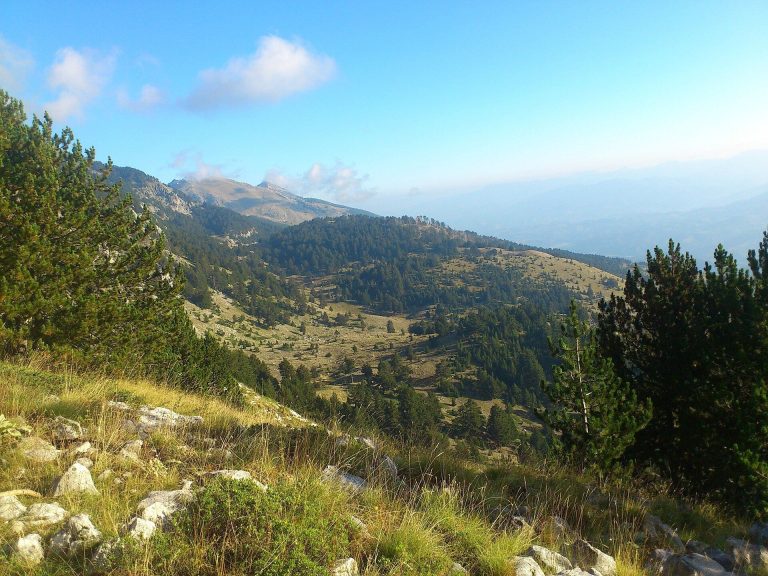
Tomornitsa, also known as Tomori Fortress, was a strategically placed stronghold on Mount Tomorr near Berat. Originating in the Roman period, it…
For details on how to use the maps, which sites are included, how popularity and ratings are determined, and how sites are classified, see the help page.
On this page5 sections
Rocky hilltop fortresses
At Petrelë Fortress, steep drops protect much of the rocky hill, leaving the more accessible northern side defended by two strong towers and a connecting wall. A narrow entrance corridor leads into the triangular castle, with an outer wall providing a further defensive boundary. The compact arrangement concentrates several obstacles along the approach rather than spreading them across a large enclosure.
Water storage was built into the defences. One tower contained a domed cistern at its lowest level, waterproofed with mortar containing brick powder and supplied by ceramic pipes from the terrace. Above it were fighting levels with loopholes. This is a useful example of a tower serving the garrison’s daily needs as well as its defence.
Prezë Fortress occupies a longer ridge between the Tirana and Durrës plains. Stone walls and circular towers surround an open courtyard, with stronger defences on the more exposed western side. Its gate building later incorporated a mosque, while the clock tower was added to the foundations of a defensive tower and repeatedly rebuilt. The prominent clock tower therefore belongs to the fortress’s later development.
Krujë Fortress: towers, bathhouse and domestic buildings
Krujë Fortress encloses a much broader area on a steep-sided outcrop. Its circuit follows the rock, reinforced by towers, and a separate wall protected a spring below the main enclosure. The clock tower at the high northeastern end was converted from a defensive tower.
Within the walls are buildings with quite different purposes: an Ottoman bathhouse, the Dollma Tekke and a large Ottoman-period mansion. Together they give this fortress more internal variety than an empty walled courtyard. The defensive perimeter surrounded places for washing, worship and household life, alongside structures associated with the garrison.
Compact coastal forts
Porto Palermo Fortress has a triangular plan with a gun bastion at each corner. Thick walls enclose a sequence of vaulted rooms around a central chamber, and a staircase leads to the roof. Stores, accommodation and a rainwater cistern were fitted inside this compact coastal position. Its location on a small peninsula in a sheltered bay is as distinctive as its plan.
Above Sarandë, Lëkurësi Fortress uses a roughly square enclosure with round towers at opposite corners. The southern and eastern walls and southeastern tower retain historic fabric; other walls and parts of the present appearance result from reconstruction. The open, terraced courtyard differs from Porto Palermo’s enclosed vaulted interior, even though both forts occupy positions overlooking coastal approaches.
Bashtovë Fortress: walls and towers on the river plain
Bashtovë Fortress stands on flat ground near a bend in the Shkumbin River. Its substantial rectangular circuit, surviving battlements and corner towers provide the enclosure that a rocky hill supplies elsewhere. The interior is largely open, so the walls themselves are the principal structures to examine.
The masonry includes Venetian work and sections rebuilt under Ottoman rule. Loopholes occur both near the battlements and lower down the walls. With no steep summit dictating its shape, Bashtovë gives the collection a different defensive layout from the tight hilltop castles of Petrelë and Prezë.
Explore the collection
Explore sites on the map or in the grid. Map icons reflect each site’s primary function, helping you identify different kinds of places at a glance. Narrow this collection by primary function, by a site type within the castle and residence group, or by civilization and era. Additional filters cover popularity and rating. Select a map marker to view the site’s details and open its article, or open the article from its grid entry.