Britain’s Kingdoms and Empire: Explore Castles, Palaces and Colleges
Explore more than 1,000 sites associated with English, Scottish, Welsh and British history. The collection includes castles, royal residences, churches, colleges and military works in Britain, Ireland and beyond. These labels preserve distinct histories: a Welsh princely tower, a Scottish castle and an English royal palace served different rulers and communities. The examples below identify those connections through surviving buildings and later alterations.
Primary Function: All
Type: All
Civilization: All
Country: All
Popularity: All
Rating: All
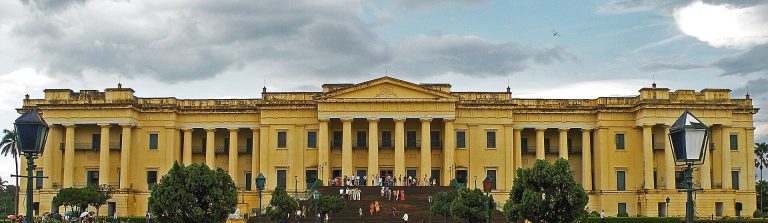
Hazarduari Palace, formerly Bara Kothi, was commissioned by Nawab Humayun Jah and built between 1829 and 1837 on the site of the old Nizamat Fort.…
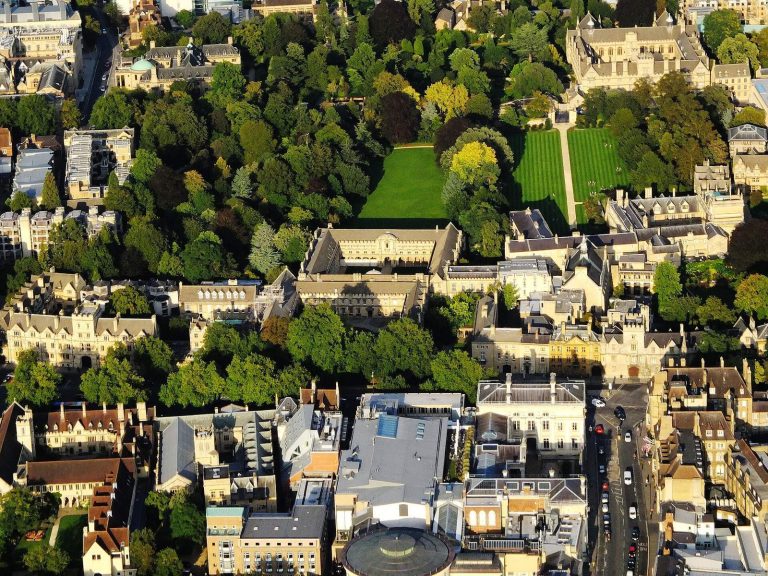
Founded around 1263 as a scholars’ residence, Balliol College has occupied its Oxford site for centuries. Its history includes medieval statutes,…
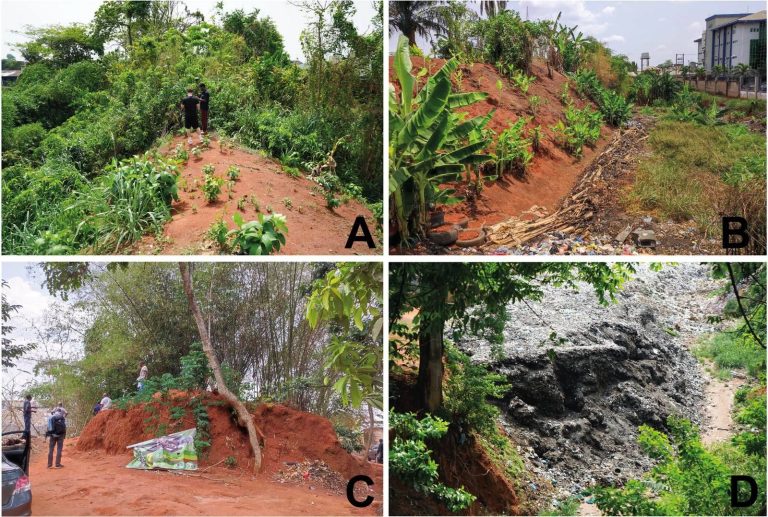
The Benin Moat formed the central defenses of Benin City as part of a vast, gradually developed earthwork network. Its surviving sections preserve…
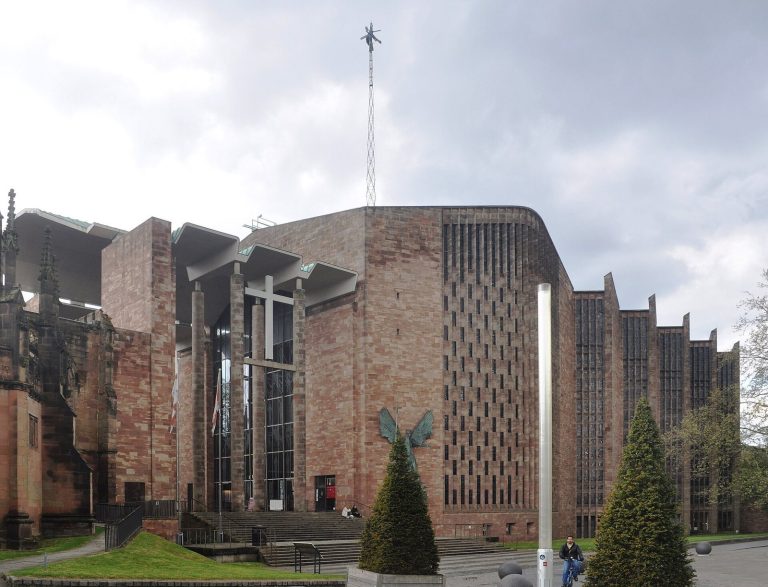
Coventry Cathedral joins the ruins of medieval St Michael’s with a postwar cathedral, reflecting the city’s religious history and its work for peace…
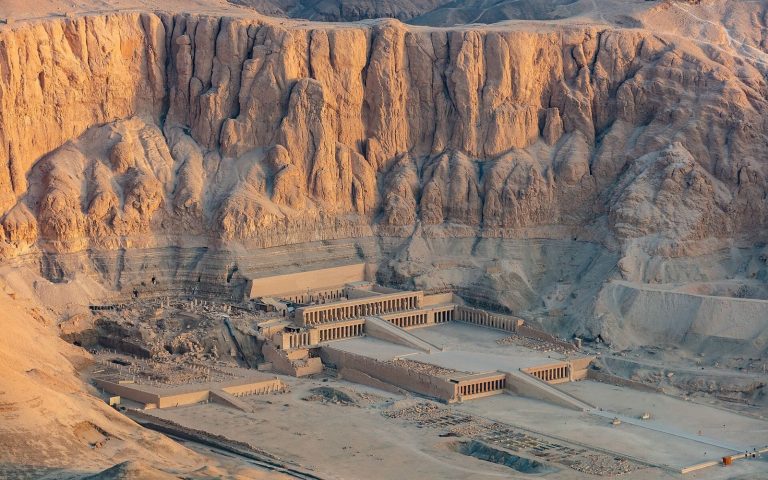
On the west bank of the Nile opposite Luxor, Deir el-Bahari preserves royal temples and burials spanning several periods of Egyptian history,…
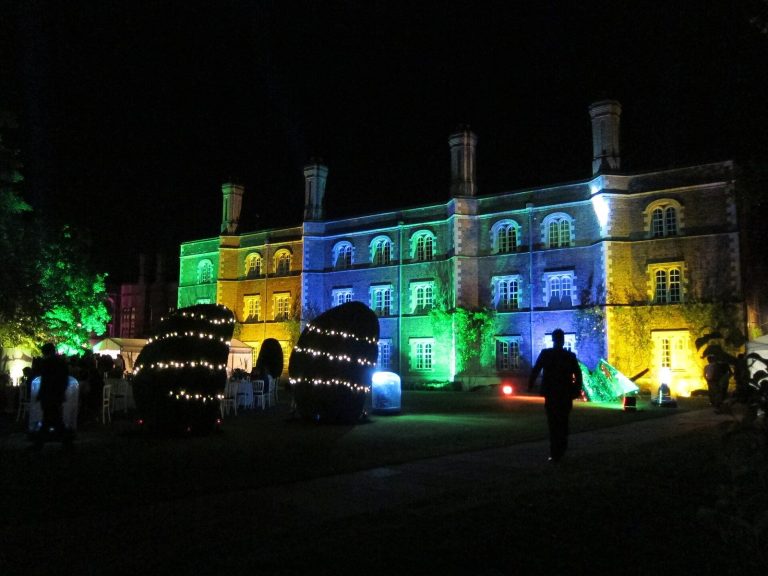
Founded in 1496 on the site of a Benedictine nunnery, Jesus College retains medieval buildings at the heart of its Cambridge precinct and reflects…
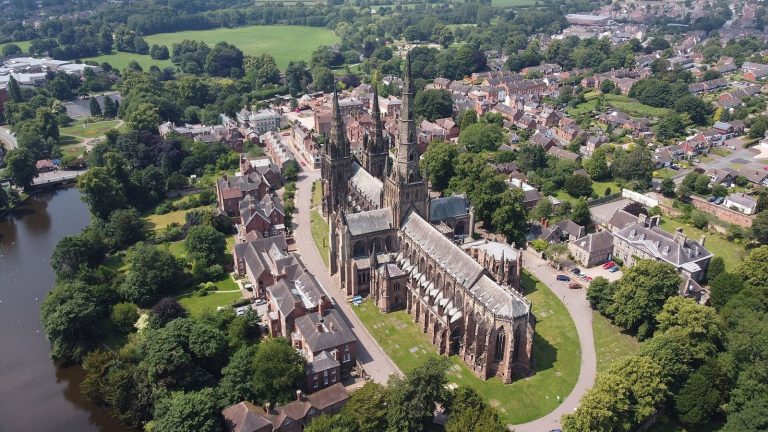
Lichfield Cathedral is the principal church of the Diocese of Lichfield and the seat of its bishop. Its history includes an early shrine to Chad,…
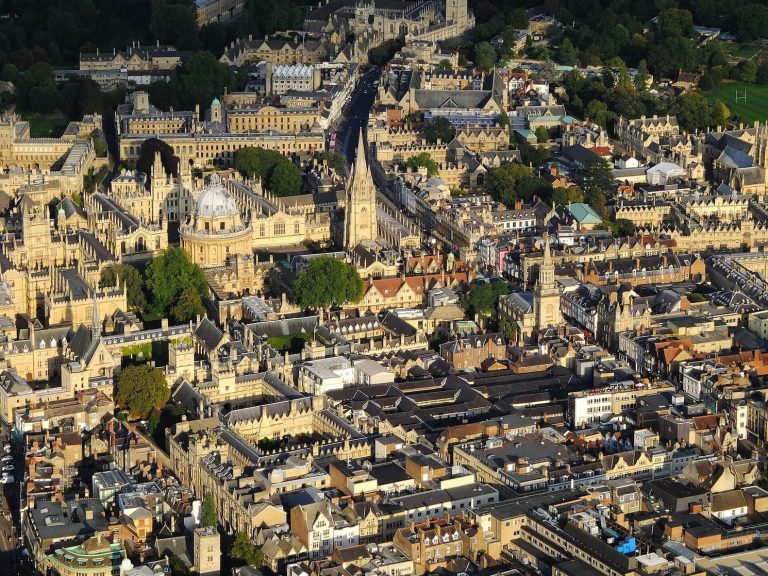
Founded in 1427 to oppose Lollardy, Lincoln College is an Oxford college known for its medieval quadrangles, seventeenth-century chapel and…
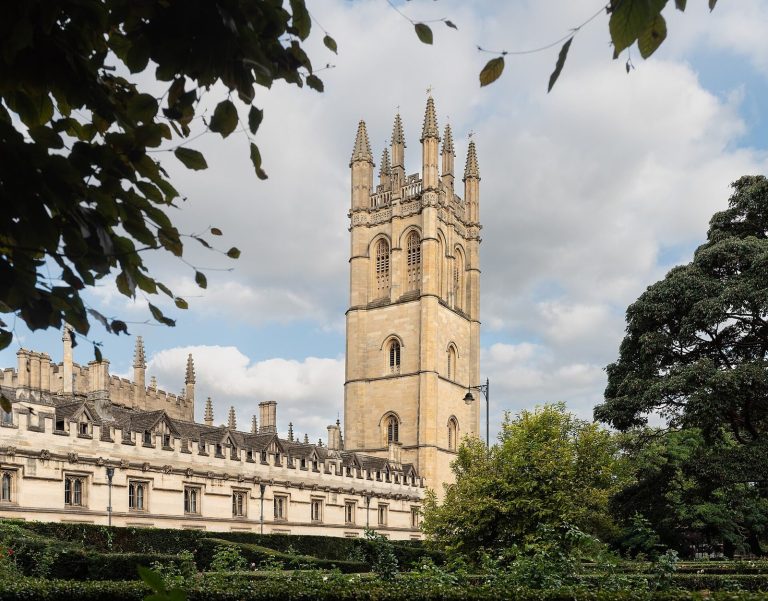
Founded by William Waynflete in 1458, Magdalen College developed from a medieval religious institution into one of Oxford’s colleges. Its history…
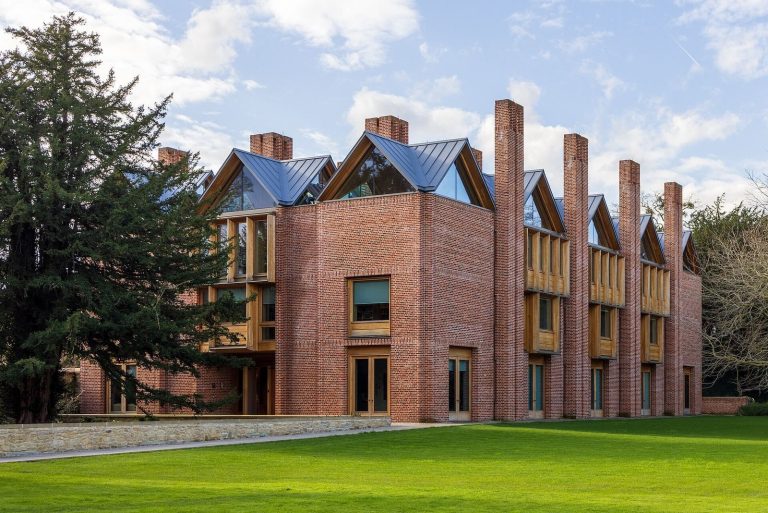
Founded in 1428 as a Benedictine hostel, Magdalene College developed into a Cambridge college with a long history of scholarship, distinctive courts…
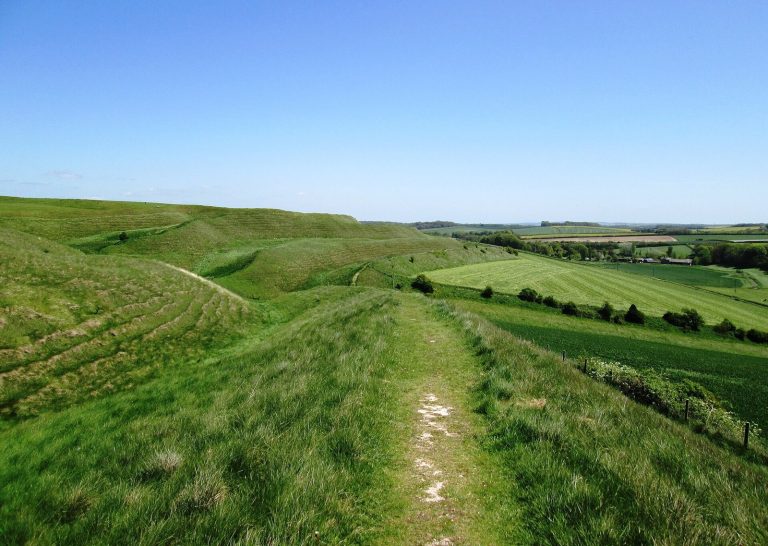
Maiden Castle developed from a Neolithic enclosure into a major Iron Age hillfort, later serving as a place of Roman-period worship and medieval…
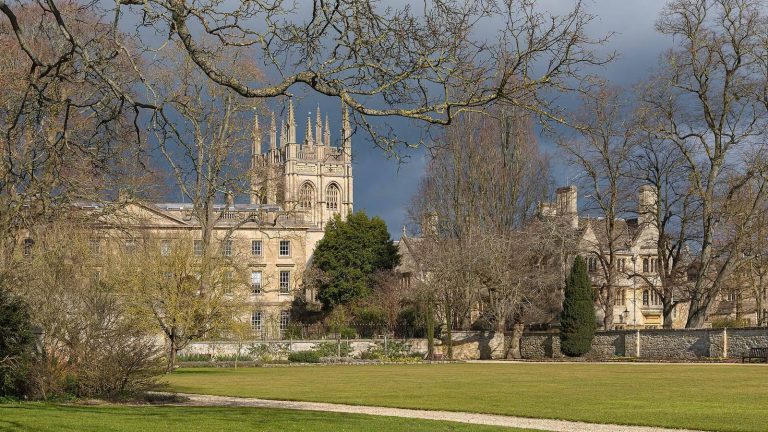
Founded in 1264, Merton College developed as a self-governing academic community in Oxford. Its history includes medieval institutional growth, Civil…
For details on how to use the maps, which sites are included, how popularity and ratings are determined, and how sites are classified, see the help page.
On this page7 sections
Welsh and Scottish strongholds
Dolbadarn Castle was built for Llywelyn the Great in the early thirteenth century beside the Llanberis Pass. Its round keep remains the dominant standing structure above the low walls of the surrounding enclosure. Slate was used throughout the castle, with mortar bonding the masonry of the principal tower.
An elevated entrance controlled access to the keep. The floors have disappeared, but the internal stair, fireplace and latrine preserve features of its residential chambers. The tower belonged to a Welsh princely stronghold guarding a mountain route; its later English occupation does not change the identity of that original building campaign.
Urquhart Castle occupies a promontory on Loch Ness. Its two main enclosures extend along the shore, with a broad dry moat cutting off the landward approach. The northern court contains the principal tower house and a gatehouse formed by paired towers around the entrance passage.
Scottish royal grants and later rebuilding shaped the surviving castle. The substantial ruins preserve walls from several centuries, while collapsed masonry around the gatehouse records its eventual destruction. Its waterfront enclosure and enclosed approach differ from Dolbadarn’s more concentrated hilltop tower.
Kensington’s royal state rooms
Kensington Palace grew around a seventeenth-century mansion purchased by William III and Mary II in 1689. Christopher Wren added corner pavilions and wings, retaining the earlier house within an enlarged royal residence. Separate apartments accommodated the king and queen.
Later state rooms include a staircase painted with figures from George I’s court and a Cupola Room with a richly coloured coffered ceiling. The route through presence and private chambers regulated access to the monarch. Restoration has affected parts of the palace, but its connected rooms retain the distinction between ceremonial reception and more restricted household spaces.
Charles Fort and Kinsale Harbour
Charles Fort was built between 1677 and 1682 under Charles II in the Kingdom of Ireland. Its projecting bastions and thick perimeter walls overlook Kinsale Harbour. The strongest seaward bastions faced the anticipated direction of naval attack, while higher ground inland exposed a weakness in the defences.
Later British military works added an internal citadel and other alterations. Fire and abandonment left substantial ruins, subsequently conserved. The surviving enclosure makes its artillery-defence plan clear while preserving evidence of a garrison established under English rule and developed through later British occupation.
Bordeaux Cathedral during English Aquitaine
Bordeaux Cathedral includes Gothic construction from the period when Aquitaine was ruled by the English crown. That phase belongs within a longer history of local ecclesiastical building, with Romanesque masonry surviving in the western nave wall.
The broad single nave has rib vaults above an elevation of recessed openings and high windows. Later builders altered some vaults and extended the eastern parts, producing differences between the nave and choir. Its inclusion in this collection concerns the English-governed medieval phases, while subsequent French additions remain identifiable within the same cathedral.
Trinity College Dublin’s Georgian quadrangles
Trinity College Dublin was founded by Elizabeth I in 1592, but much of its prominent surviving architecture belongs to later centuries. The eighteenth-century entrance leads through a granite and Portland stone frontage into Parliament Square. Matching Classical fronts for the chapel and examination hall organise the space beyond.
The inward-facing courts brought worship, teaching, accommodation and academic ceremony into an enclosed collegiate setting. Their dates distinguish the institution’s Tudor foundation from the Georgian buildings subsequently created during British rule in Ireland.
Leadenhall Market’s covered passages
Leadenhall Market occupies a much older market site in London, but its standing covered passages were designed by Horace Jones in 1881. Iron supports and glass roofs shelter intersecting walkways and shopfronts. A tall entrance of brick and Portland stone addresses Gracechurch Street, while narrower openings connect the market with neighbouring streets. Its surviving architecture belongs to the Victorian commercial city rather than the medieval market’s original fabric.
Explore the collection
Use the map or grid to explore by country, primary function, site type and era. The civilization filter distinguishes the included historical labels. Popularity and rating offer further refinements; map icons indicate primary functions, and both markers and grid entries link to the site articles.