Aztec Sites: Explore Temples, Sanctuaries and Royal Gardens
Aztec buildings survive among the streets of Mexico City, on the former shores of Lake Texcoco and across the hills of central Mexico. The collection includes stepped temple platforms, sanctuaries cut into rock and royal landscapes supplied by channels and aqueducts. Their remains preserve the work of the Mexica and neighboring communities whose histories became connected through alliance and conquest.
Primary Function: All
Type: All
Country: All
Popularity: All
Rating: All
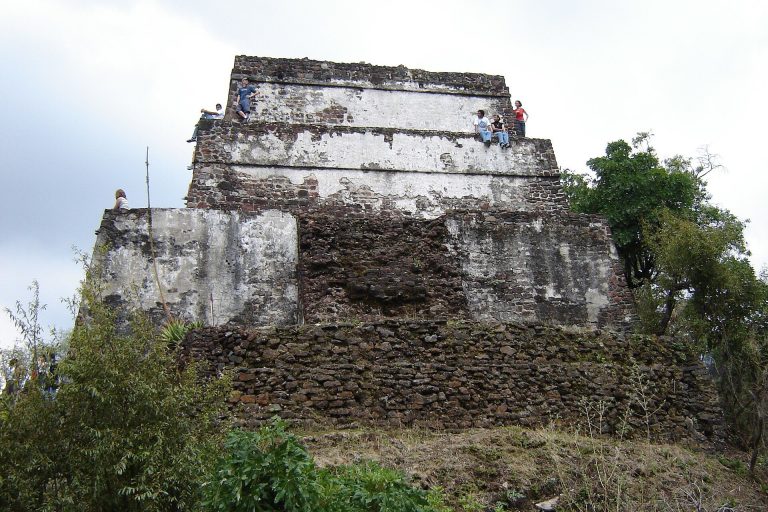
El Tepozteco is a Middle Postclassic sanctuary above Tepoztlán, dedicated to Tepoztēcatl, the deity associated with pulque, fertility, and harvests.…
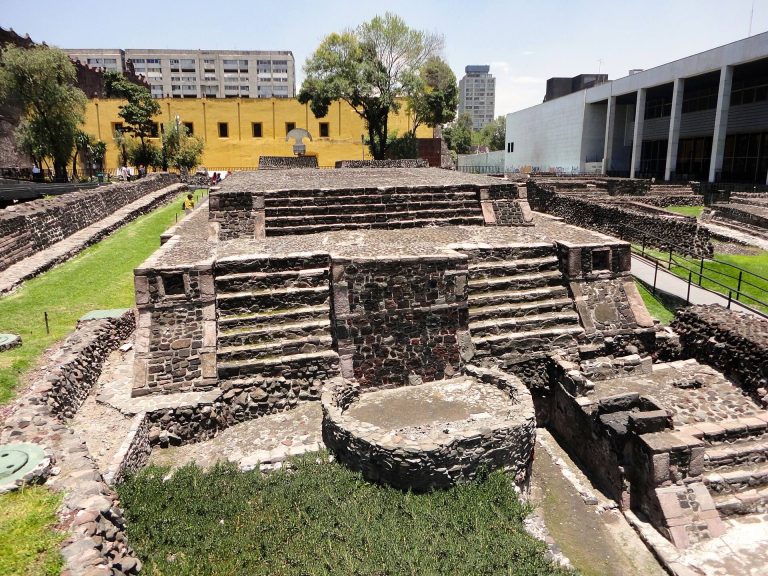
Tlatelolco was a Mexica city founded in the fourteenth century that became the principal commercial center of the Mexica world. Its archaeological…
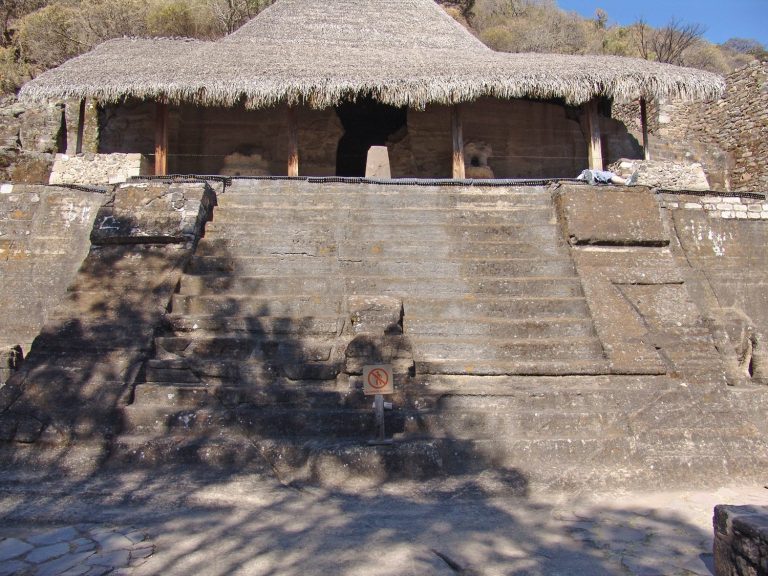
The Malinalco Archaeological Site is a pre-Hispanic ceremonial complex in central Mexico, known for its rock-cut sanctuaries, military associations,…
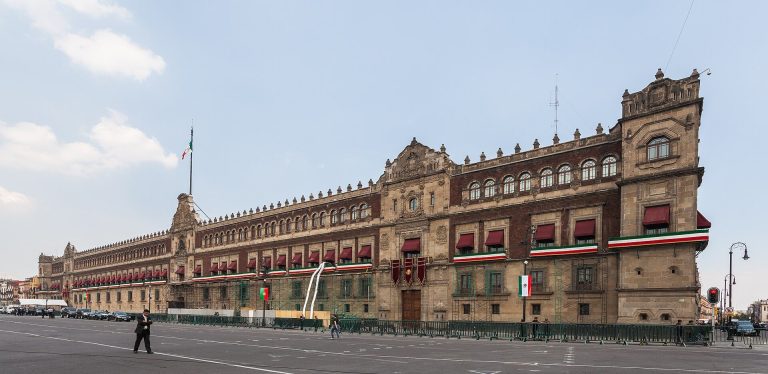
The National Palace in Mexico City developed from an Aztec royal and administrative complex into the viceregal headquarters and, later, the seat of…
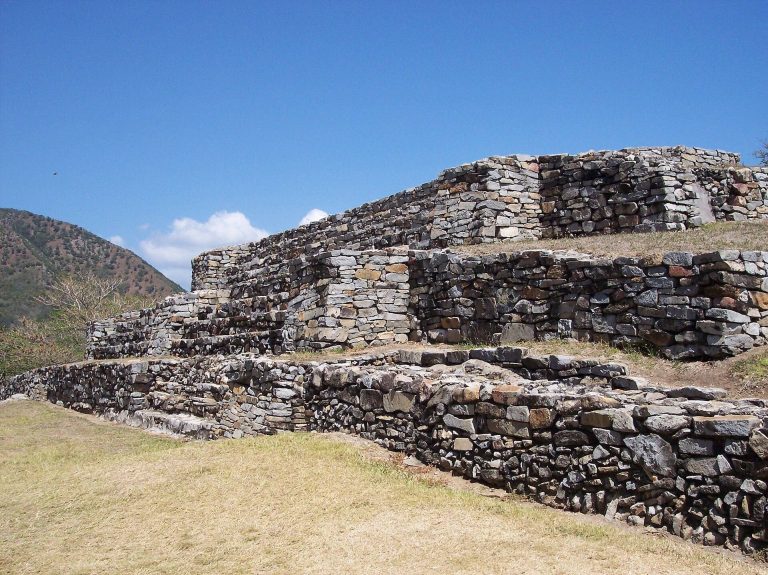
Quiahuiztlan was a major Totonac city, fortress, and funerary center on Cerro de los Metates in Veracruz. Its terraces, cemeteries, pyramids, plazas,…
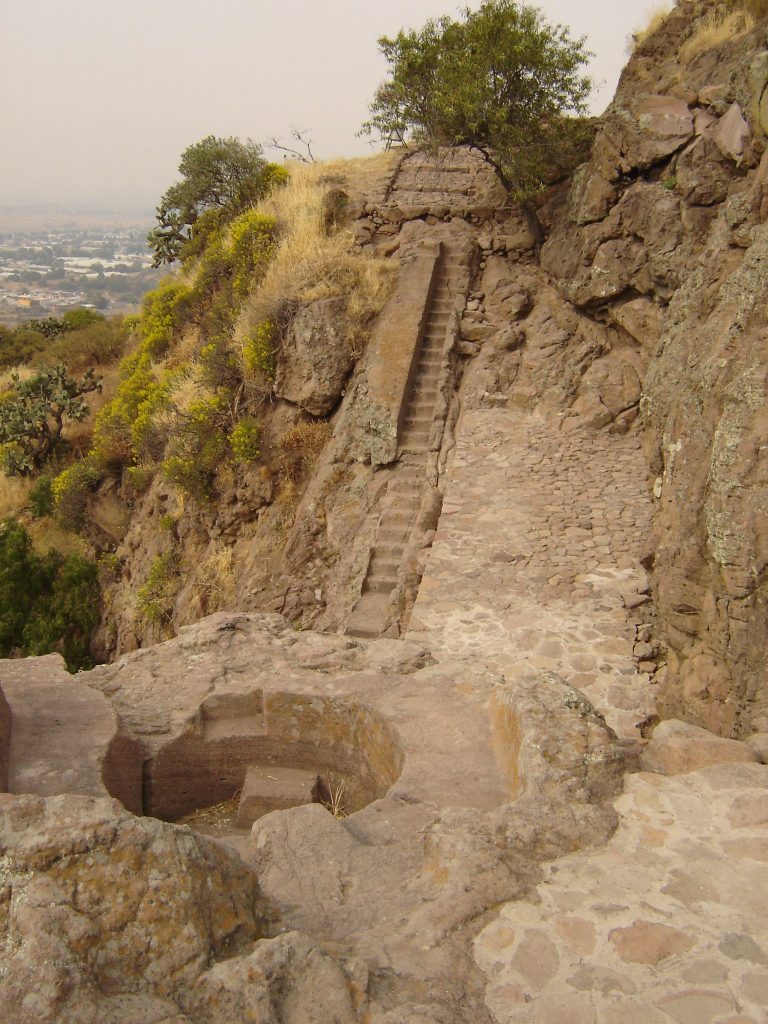
Texcotzingo was a fifteenth-century royal garden-palace created by Nezahualcóyotl near Texcoco. Its terraces, residences, pools, sculptures,…
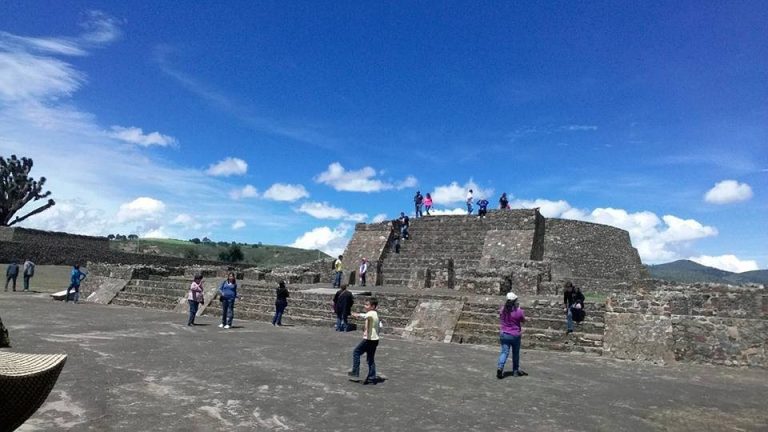
Tecoaque, formerly Zultepec, was an Acolhua settlement linked to Texcoco whose remains preserve evidence of Postclassic life, the capture and…
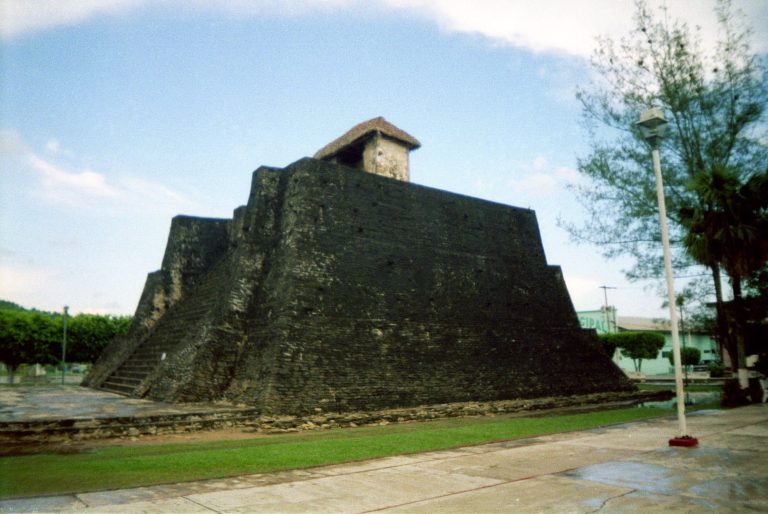
Castillo de Teayo is a pre-Hispanic archaeological site in northern Veracruz, centered on a large pyramid associated with Huastec, Mexica, and Toltec…
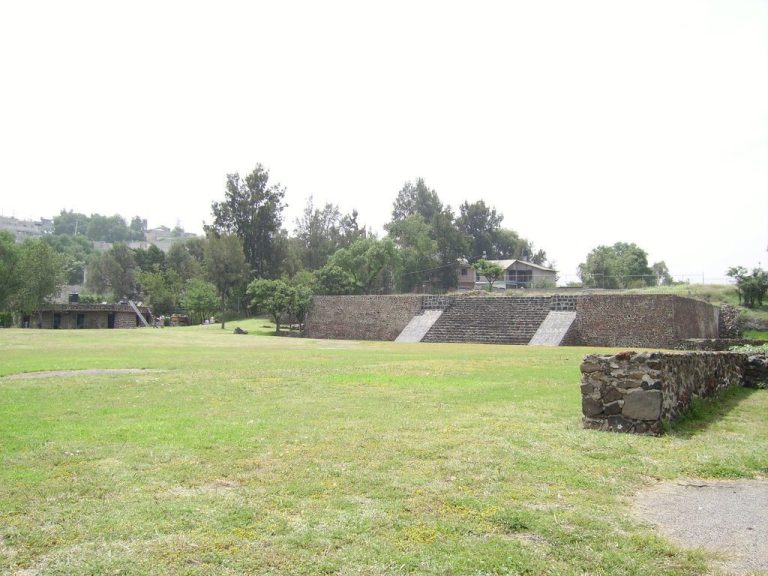
Chimalhuacán, also known as Los Pochotes, preserves a rare palace complex associated with Texcoco, along with evidence of human occupation and…
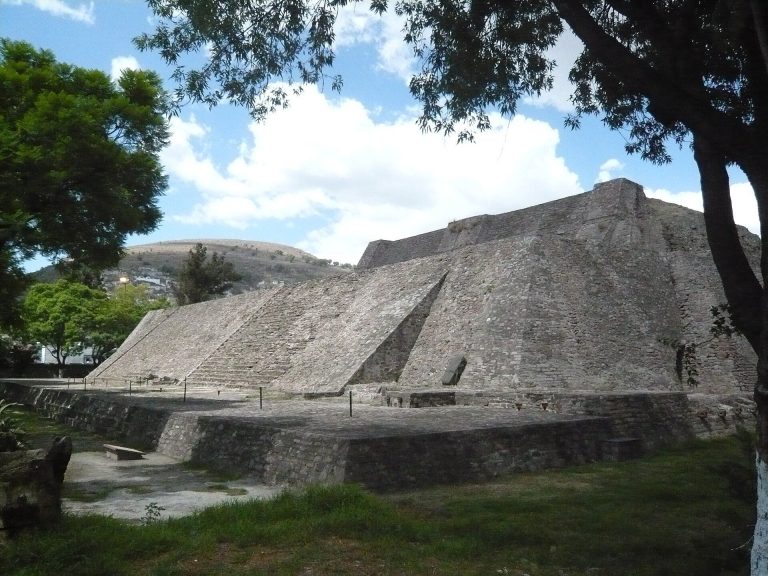
Tenayuca is a major pre-Columbian archaeological site in the Valley of Mexico, known for its double pyramid, serpent wall, and role in the…
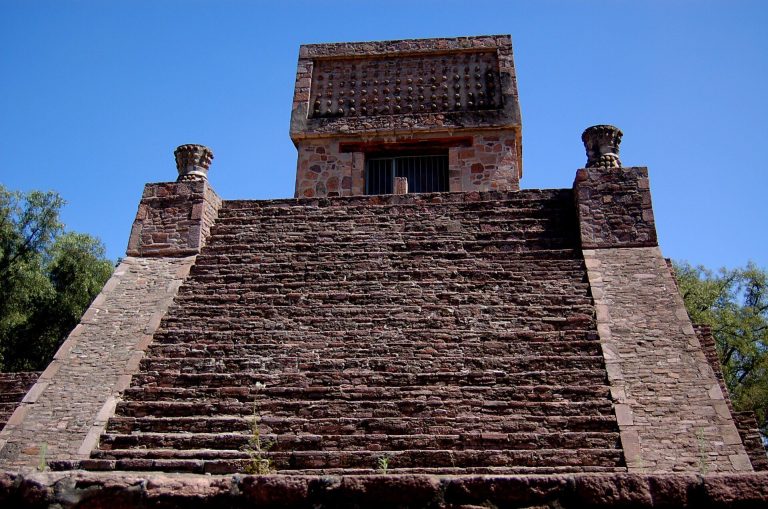
Santa Cecilia Acatitlan is a pre-Hispanic archaeological site in Tlalnepantla, Mexico, centered on a reconstructed pyramid associated with the early…
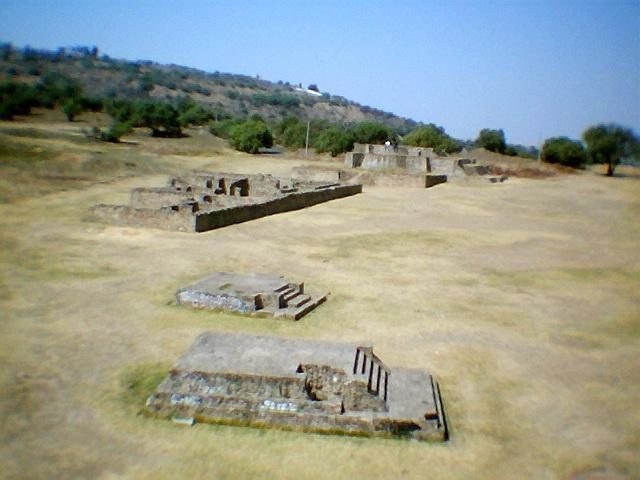
Acozac in Ixtapaluca preserves evidence of occupation from around AD 900 to 1521, including temple pyramids, palace buildings, a circular pyramid,…
For details on how to use the maps, which sites are included, how popularity and ratings are determined, and how sites are classified, see the help page.
On this page5 sections
Temple precincts and double pyramids
At Templo Mayor, excavations expose successive versions of the principal temple of Tenochtitlan. Builders enlarged the monument by enclosing earlier structures within new ones. Its two stairways led to separate summit shrines dedicated to Huitzilopochtli and Tlaloc, joining the cults of the Mexica patron deity and the rain god in the capital’s central precinct. The excavated bases and earlier stages help explain a building whose uppermost temples were destroyed after the Spanish conquest.
Tenayuca, northwest of the former capital, preserves a broad pyramidal platform with a divided western staircase. Its history began before Mexica dominance, and repeated enlargements retained the paired-sanctuary arrangement. Stone serpents surround the base in a low enclosure known as a coatepantli. This gives the platform a sculptural boundary that can still be followed around its sides, alongside evidence of earlier construction enclosed by later work.
Malinalco’s sanctuary carved from the hillside
The main sanctuary at Malinalco was shaped directly from volcanic rock. A staircase approaches an entrance carved as an open serpent mouth; inside, eagle and jaguar figures form part of the chamber’s benches and floor. The carved room belonged to a ceremonial complex associated with military and religious gatherings.
The sanctuary’s modern protective thatched roof should be distinguished from its surviving stone carving. Other buildings on the hillside use masonry and terraces, so the complex also allows comparison between construction assembled from separate blocks and architecture excavated from the rock itself. These differences are visible within a compact group of platforms above the town.
Channels and pools at Texcotzingo
Texcotzingo was a fifteenth-century royal retreat associated with Nezahualcoyotl of Texcoco. Builders transformed the hillside with terraces, residences and gardens, bringing water through an extensive hydraulic system. Channels connected pools and reservoirs, while baths were carved into solid rock.
The surviving waterworks give the royal landscape a structure that is still legible even where its planted gardens have disappeared. Water had to be conveyed across uneven terrain and distributed between different levels. The pools and channels therefore explain how the retreat operated as well as how its buildings occupied the mountain.
El Tepozteco’s mountain temple
El Tepozteco stands above Tepoztlan on a natural elevation enlarged with terraces and platforms. Its temple was dedicated to Tepoztēcatl, a deity associated with pulque, the fermented drink made from agave. A stepped base supports the remains of a two-room sanctuary, with additional rooms on terraces to the east.
The temple represents a regional cult place with a history extending before the height of the Aztec Empire. Its elevated setting differs from the large urban precincts of Tenochtitlan and Tenayuca: the surviving platform, stair and adjoining terraces show how a sanctuary could be fitted to a restricted mountain site.
Explore the Aztec collection
Use the map to locate sites around central Mexico and the grid to compare their remains. Open a marker or grid entry for the individual article, including the site’s earlier occupation, Aztec-period work and later alterations.