Texcotzingo: A Royal Garden-Palace of Texcoco
Site at a Glance
- Rating
- 4.7
- Popularity
- Medium
- Country
- Mexico
- Primary era
- Medieval
- Eras represented
- Classical, Medieval, Early Modern
- Civilizations
- Aztec
- Site type
- Domestic
- Remains
- Park
On this page11 sections
History
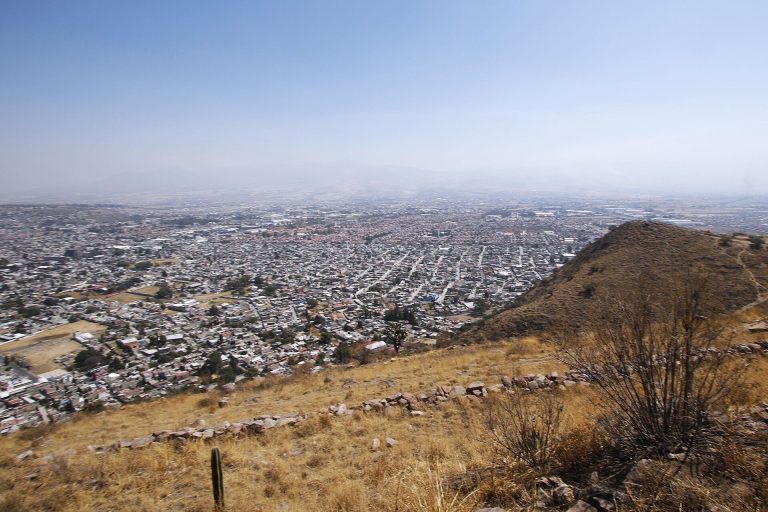
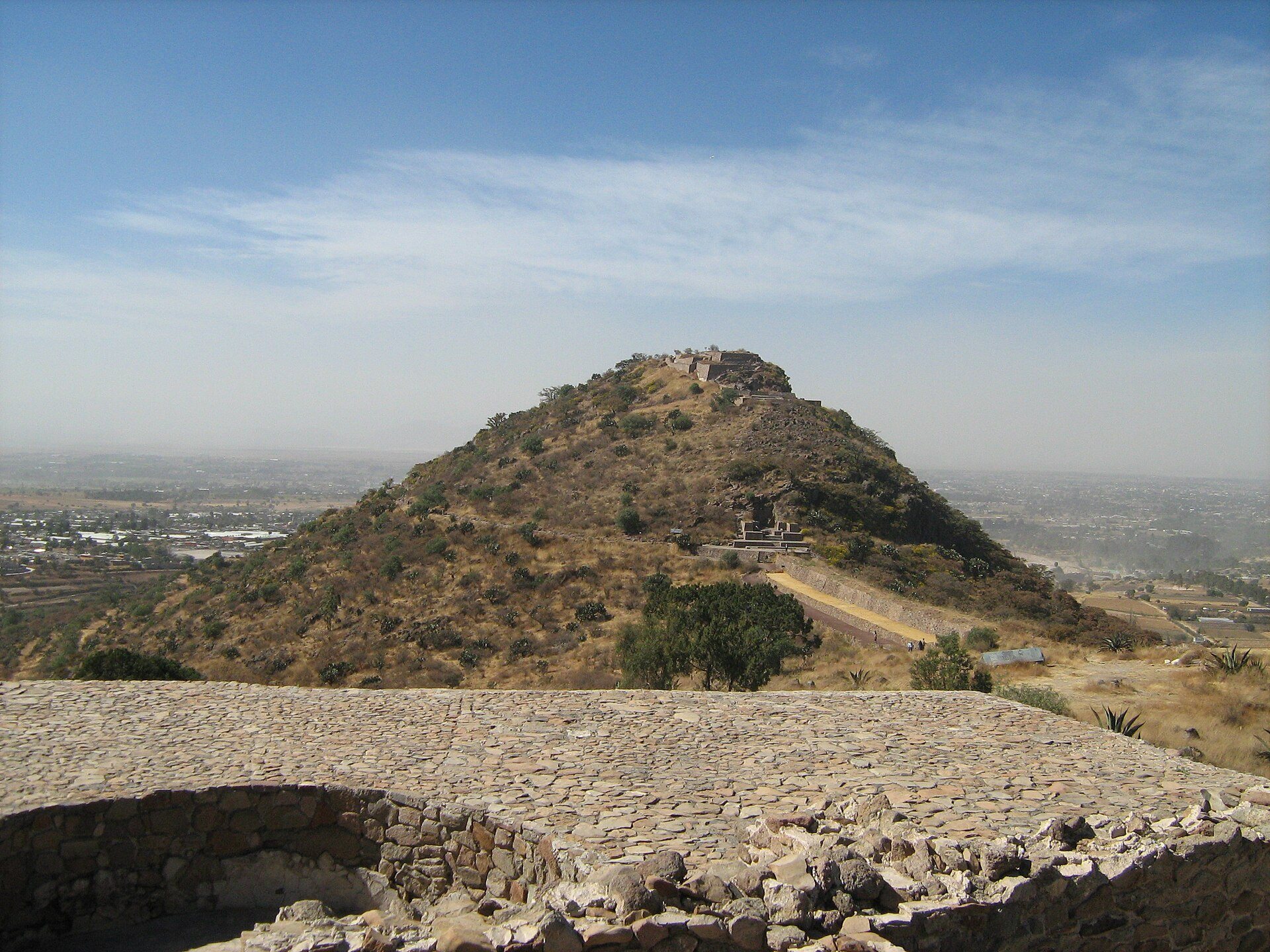
Texcotzingo is an archaeological landscape and royal garden-palace on the mountain of Texcotzingo near Texcoco in the State of Mexico, Mexico. Created and designed in the fifteenth century by Nezahualcóyotl, ruler of Texcoco, it belongs to the late pre-Hispanic history of the Acolhua center and formed part of the architectural and political world of the Aztec Empire. Its archaeological chronology extends approximately from AD 1431 to 1521, when the site was abandoned.
Nezahualcóyotl’s Royal Retreat
Texcotzingo lay beside the capital of Texcoco and served as a summer retreat for the ruler and his court. It combined residences with gardens, agricultural terraces, pools, performance areas, and religious spaces. The complex therefore supported courtly recreation and political display as well as farming, worship, and ceremonial activity.
The gardens were designed to collect and display plants and animals from across the Aztec Empire. They supported the cultivation of medicinal plants and encouraged an encyclopedic study of the empire’s flora and fauna. At the same time, the landscape was conceived as a place of sensual pleasure and as a recreation of paradise. Poetry, music, singing, dancing, oration, and prayer all formed part of the activities associated with the site.
Religion and Political Meaning
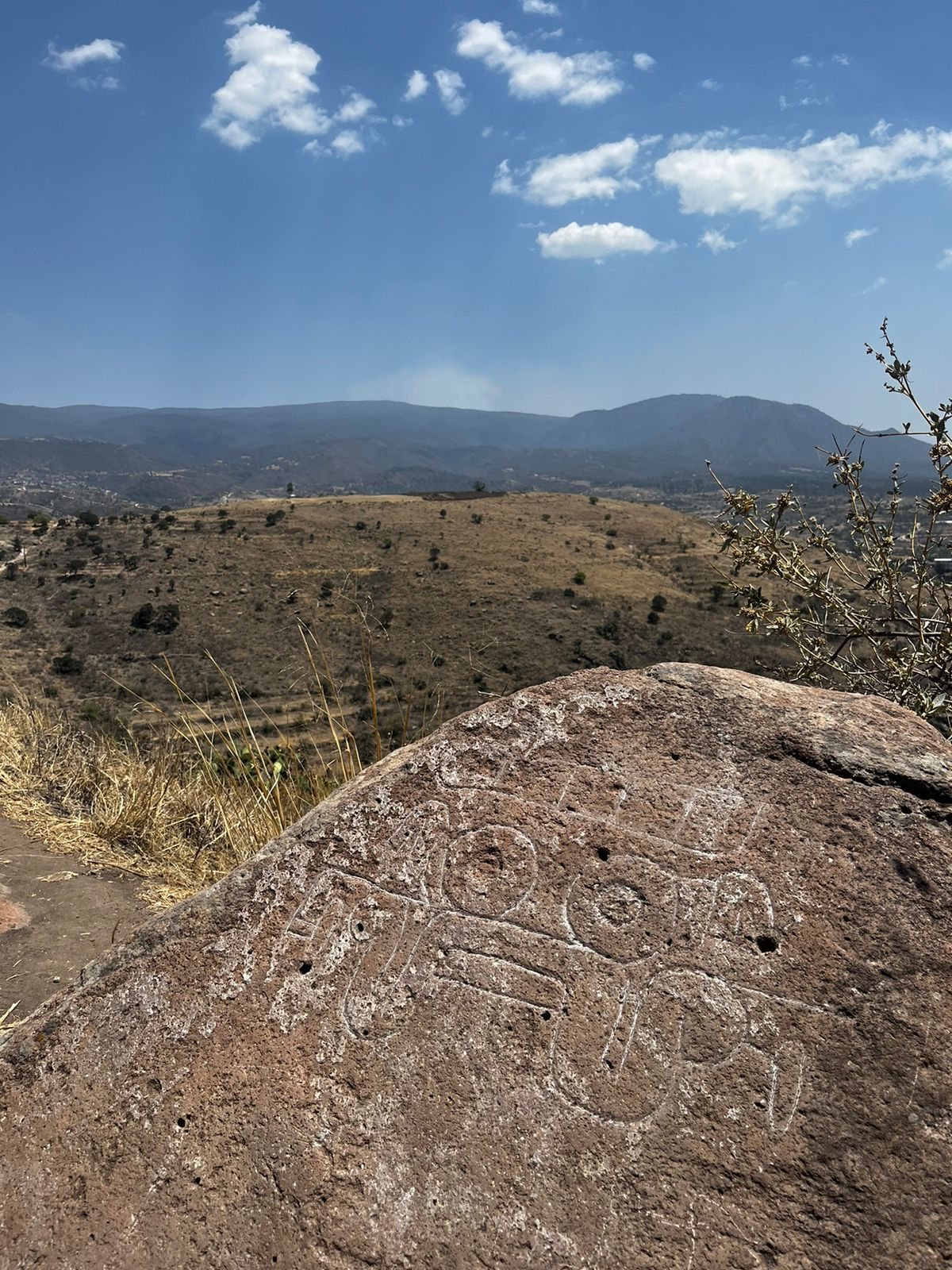
Texcotzingo was dedicated to Tlaloc, the Mesoamerican rain deity associated with rain, fertility, and plant growth. Sculptures of gods, symbolic rocks, planted areas, pools, and water channels brought religious imagery into the mountain landscape. The design also followed sacred numbers, including 52, linking the arrangement of the site to Aztec religious concepts.
Before the Spanish conquest, Texcotzingo included what is considered one of the earliest botanical gardens in the Americas, together with a zoological collection. It was still actively used when the Spanish arrived, and Bernal Díaz del Castillo described it as exceptionally beautiful. The transformation of the mountain joined art, culture, nature, agriculture, and mythology in a single designed environment.
Colonial Destruction and Modern Protection
During the colonial period, features associated with the site’s pre-Hispanic religion were destroyed. The fullest historical description of Texcotzingo’s works was written by Fernando de Alva Ixtlilxóchitl in History of the Chichimeca Nation, preserving an account of the complex’s historical form and functions.
The Mexican government declared the archaeological zone a zone of historic monuments in 2002. Texcotzingo also lies within the Tetzcotzingo System, a protected natural area recognized for endemic plant and animal biodiversity.
Remains
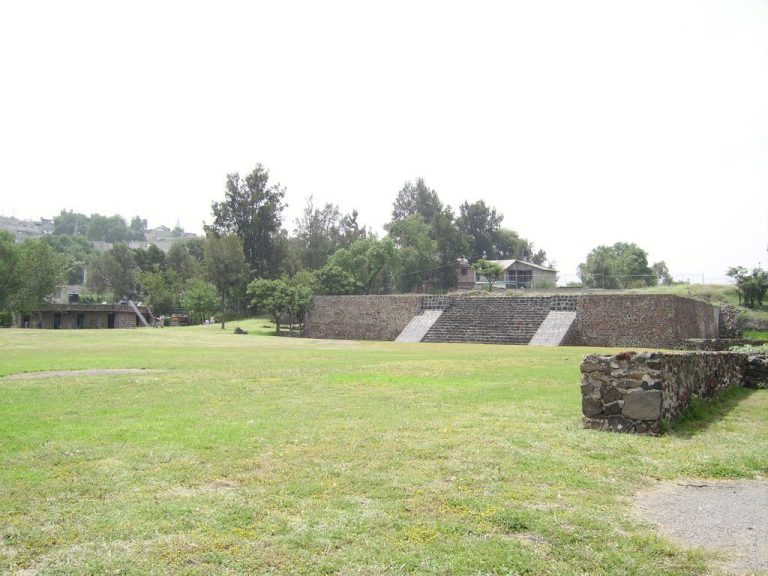
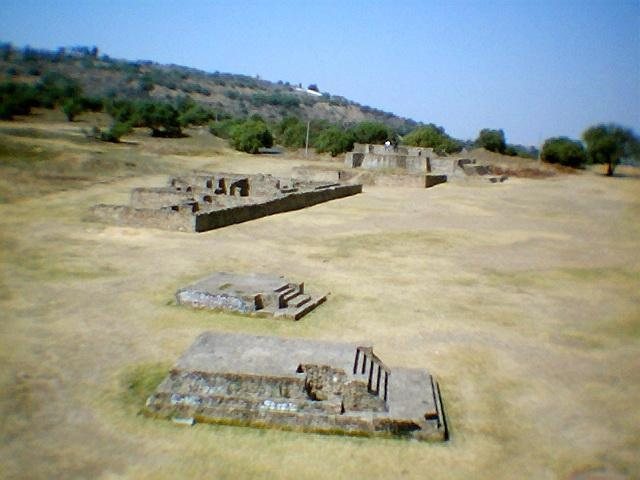
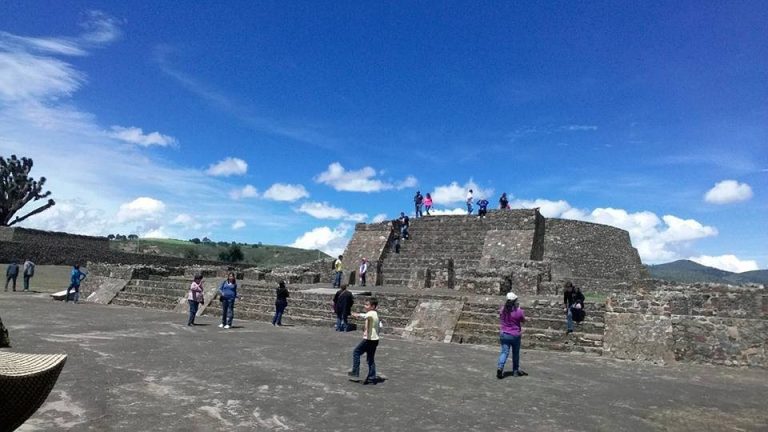
Texcotzingo covers approximately 122 hectares on the mountain of the same name. Its layout is an earthwork, meaning a landscape created by reshaping terrain, in which the mountain was transformed into an integrated artistic, agricultural, hydraulic, and symbolic design. Imperial and courtly residences were combined with terraces, gardens, pools, sculptures, performance spaces, and water installations.
Terraces and Cultivated Landscape
Terraced gardens converted previously sterile or uncultivable ground into productive land. They supported maize, beans, squash, medicinal plants, and other cultivated vegetation. Plantings were arranged with rocks, monolithic sculptures, and symbolic representations, creating a deliberate relationship between the mountain’s natural features and the site’s architecture and religious imagery.
The archaeological area also contains buildings dating to the final stages of the Preclassic period, around the first years of the Common Era. Later Postclassic construction demonstrates the engineering associated with Texcotzingo’s water-supply system and its transformation of the mountain into a planned landscape.
Hydraulic Works and Baths
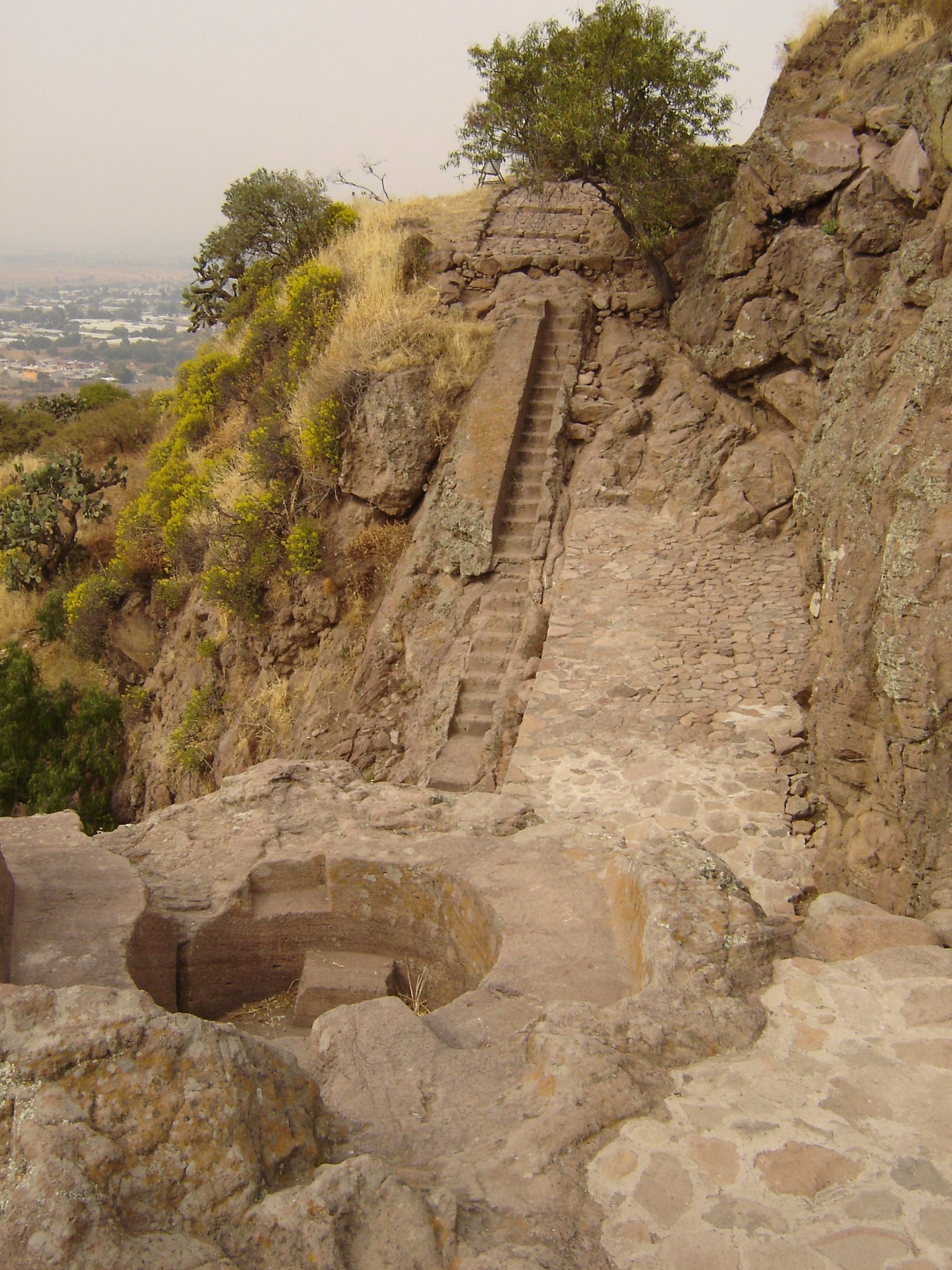
Water reached the gardens and nearby communities through an extensive system of aqueducts, channels, pools, and vegetated basins. Watercourses connected pools with historical and mythological importance, while the baths were carved from solid rock and surrounded by gardens, vegetation, and other hydraulic works.
Aqueduct and Reservoir
The Aqueduct and the Reservoir formed named parts of the water system. Together with channels and pools, they organized the movement and storage of water across the mountain and helped supply the cultivated landscape and surrounding communities.
Queen’s Bath and King’s Bath
The Queen’s Bath and the King’s Bath were rock-cut pools incorporated into the gardens and waterworks. Their position within the hydraulic landscape connected royal use with the site’s cultivated, recreational, and symbolic functions.
Pool with Frog Sculptures
One pool or bath was flanked by three frog sculptures. The figures represented Tenochtitlan, Texcoco, and Tlacopan, the three cities of the Aztec Triple Alliance, a political and military alliance that dominated much of central Mexico before the Spanish conquest.
Residences and Performance Spaces
Residential installations for the ruler and his court stood alongside spaces intended for poetry, singing, dancing, oration, and prayer. These areas formed part of the same designed environment as the gardens, baths, agricultural terraces, and water channels, allowing courtly, religious, and recreational activities to take place within the mountain landscape.
The site’s relationship between water, sculpture, cultivated plants, and reshaped terrain later inspired the Mexican painter José María Velasco to create the oil painting The Baths of Nezahualcóyotl.