The Ancient World: Explore Cities, Temples, Tombs and Fortifications
Explore more than 2,000 prehistoric and ancient sites, including Neolithic settlements, Bronze Age tombs, Iron Age cities, temples, amphitheatres, forts, baths and aqueducts. The collection spans Europe, North Africa and Asia. The examples below focus on surviving buildings and extensive archaeological remains, from circular houses in Cyprus to Punic streets in Tunisia and Roman waterworks in Spain. Some sites also contain later structures, whose dates and uses are distinguished in their articles.
Primary Function: All
Type: All
Civilization: All
Country: All
Era: All
Popularity: All
Rating: All

The Metz Aqueduct Underground Part is a well-preserved Roman aqueduct that supplied water to the ancient city of Metz.
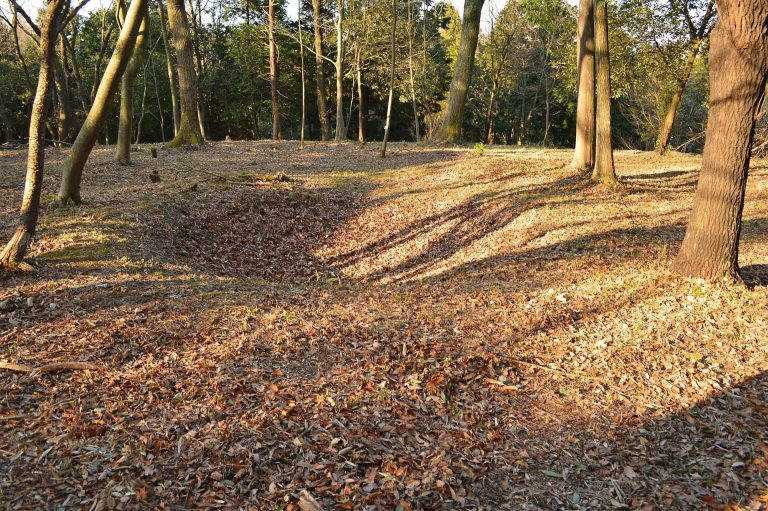
Mihakayama Kofun is a large fifth-century burial mound in Iga, Mie, associated with the leading chiefly power of the region and preserved as a…
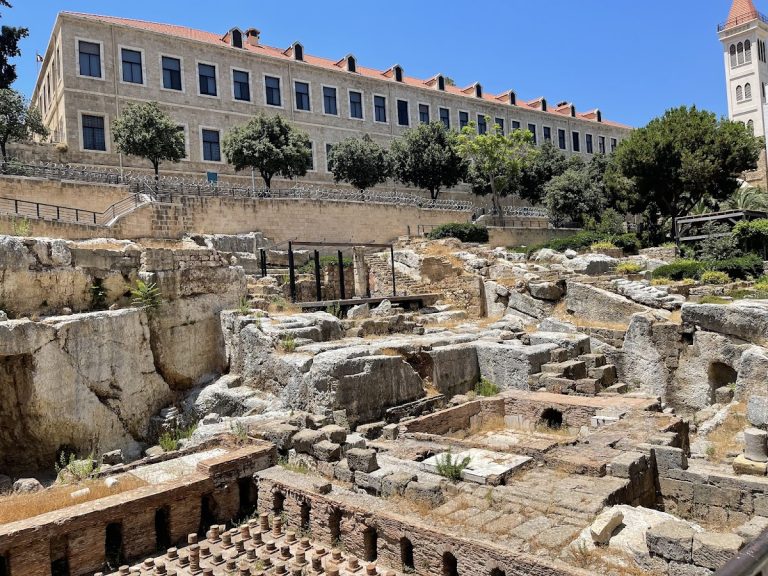
The Roman Baths Beirut formed part of ancient Berytus, expanding into an imperial-style complex before later restoration, destruction, and reuse…
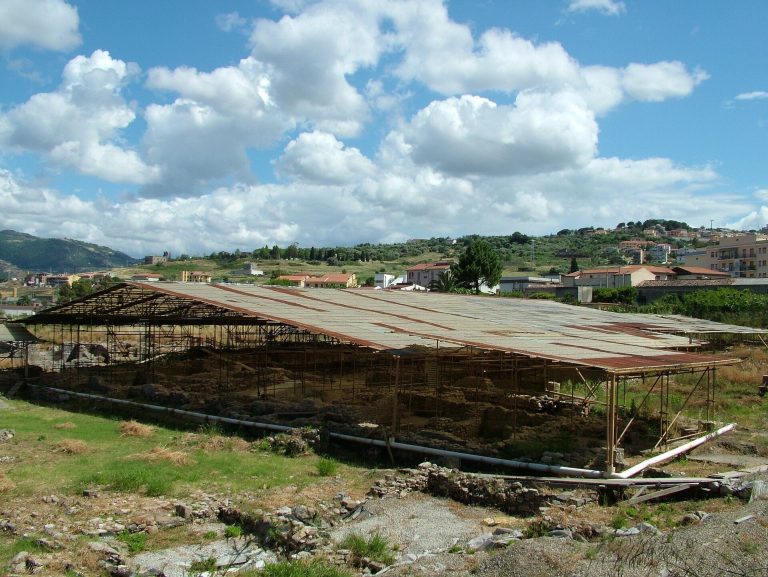
The Roman Villa of Patti was a wealthy extra-urban residence and estate center near the ancient road between Messana and Mylae. Its late Roman…
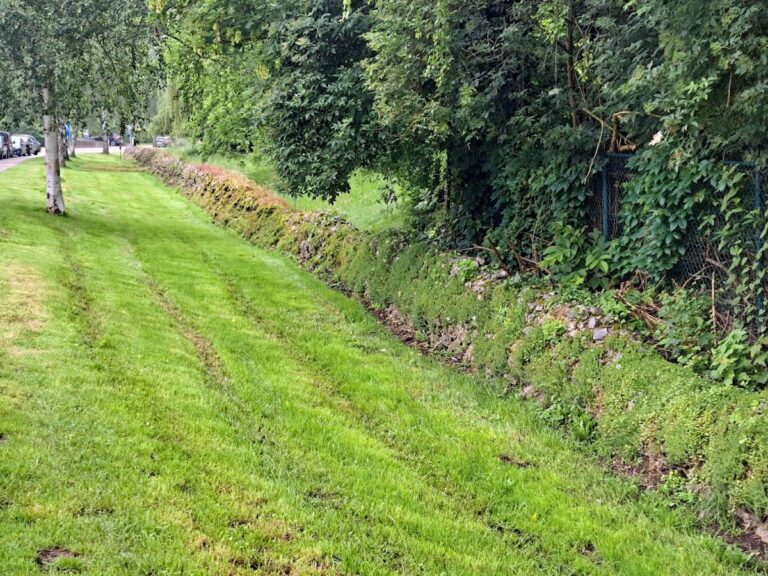
The Roman walls of Tongeren mark one of the earliest urban centers in the region now known as Flanders, reflecting its role as a political,…
Tengu-yama Kofun is a fifth-century burial mound in Kurashiki, Okayama, whose construction and burial chamber illuminate political change and…
Zangtepa is a ruined fifth-century castle near Termez in Uzbekistan, preserving evidence of Chaganian fortification, elite military accommodation,…
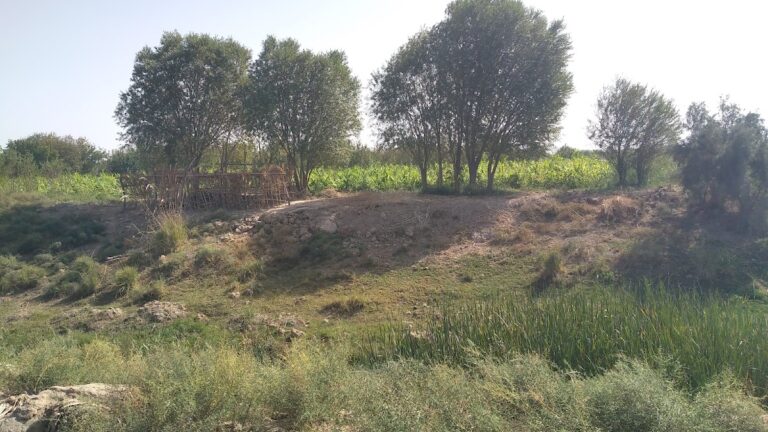
Zartepa was a major urban settlement in southern Uzbekistan and one of the principal Kushan centers in northern Bactria. Its fortifications, streets,…
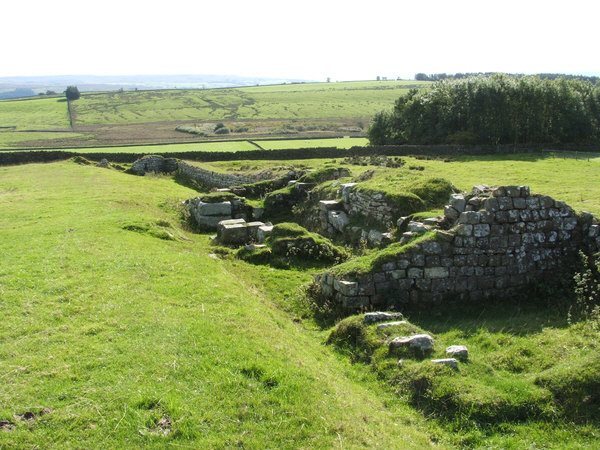
Aesica, also known as Great Chesters, was a Roman fort built around AD 128–129 to guard the Caw Gap on Hadrian’s Wall. Its surviving defenses,…
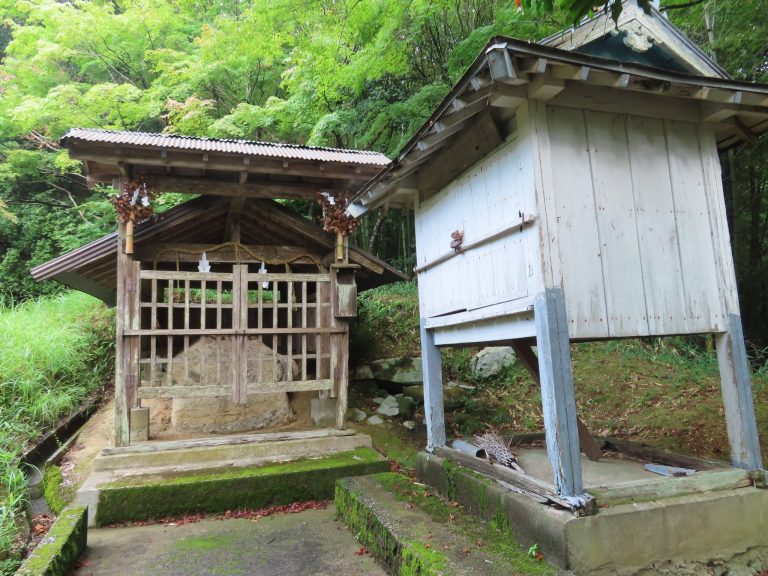
Ageshima Kofun is a late Kofun-period burial mound in Izumo, known for its house-shaped stone sarcophagus, rich grave goods, and two distinct burial…
Alexandria on the Caucasus was a fortified Hellenistic colony founded by Alexander the Great in 329 BC at a major crossroads south of the Hindu Kush.…
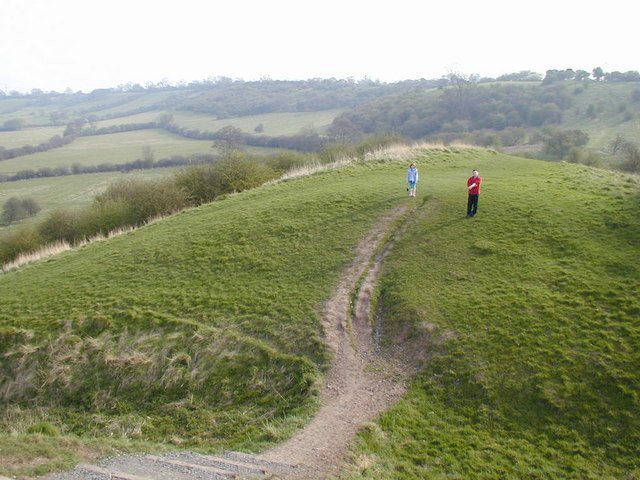
Beaudesert Castle developed from an Iron Age hilltop fort into a Norman fortification and later a stone castle. It was the De Montfort family seat…
For details on how to use the maps, which sites are included, how popularity and ratings are determined, and how sites are classified, see the help page.
On this page9 sections
Prehistoric settlements and houses
At Khirokitia in Cyprus, closely grouped circular buildings occupy a hillside above the Maroni River. Stone lower walls define rooms with hearths, platforms and internal supports. Several round buildings could share a courtyard as parts of one household. Substantial enclosure walls and gateways controlled access to the settlement.
The excavated buildings preserve the arrangement of a Neolithic community, including spaces for cooking, storage and work. Reconstructions outside the archaeological remains show how mud-brick upper walls and flat roofs could have completed the houses; they are separate from the original structures on the slope.
Ancient cities, streets and residential quarters
Kerkouane, on Tunisia’s Cape Bon, preserves a Punic town that was abandoned in the third century BC and was not rebuilt as a Roman city. Streets pass houses with entrance passages, small courtyards and surviving thresholds. Wells, waterproof basins and drains record how water was supplied and removed within the residential blocks. Some floors retain simple mosaics or surfaces made with crushed pottery and white stone fragments.
At Sardis in Turkey, Roman and late antique buildings occupy part of a much older Lydian city. The bath-gymnasium combined large bathing halls with an open exercise court. Its two-storey Marble Court, restored during the twentieth century, framed a ceremonial space with columns and architectural decoration. A hall within the complex became a synagogue with mosaic floors, marble fittings and an apsidal end. Shops along the adjoining street connect these public and religious buildings with the city’s commercial frontage.
Temples and standing colonnades
The Doric temple at Segesta in Sicily retains its surrounding colonnade, with six columns across each end and fourteen along each side. The columns carry much of the horizontal stonework above them, preserving the outline of a late-fifth-century BC sacred building.
Its unfinished details are particularly clear: the columns were never fluted, and raised bosses used to lift stone blocks remain on parts of the base. A completed inner chamber and roof are absent. The building follows Greek architectural forms at a city of the Elymians, one of Sicily’s ancient peoples.
City gates and military forts
At Tel Dan in Israel, a Bronze Age Canaanite gateway survives in mud brick, with arches spanning the entrance passage and projecting towers framing the approach. Burial beneath a later rampart helped preserve the structure; a modern shelter now protects the exposed bricks. A separate Iron Age entrance preserves stone paving, door-pivot sockets and adjoining defensive works, showing successive ways of controlling entry to the city.
Richborough Roman Fort in England preserves high sections of a late Roman defensive enclosure near a former harbour. Bands of tile run through the thick masonry, while projecting towers and ditches protected the landward approaches. The fort reused material from a demolished monumental arch whose cross-shaped foundations remain inside. Earlier invasion ditches and later fort walls belong to distinct phases of a site that developed from a landing place into a defended coastal base.
Amphitheatres and underground service rooms
The Amphitheatre of Capua, at Santa Maria Capua Vetere in Italy, preserves an extensive network of vaulted rooms and passages beneath its arena. These accommodated animals, equipment and lifting arrangements used to bring them to the performance surface. Channels drained water away from the underground spaces.
Much of the tall outer façade has disappeared, but the surviving lower structure retains routes for both spectators and the people operating the spectacles. The underground galleries make the service arrangements as clear as the arena’s shape above them.
Aqueducts and water channels
The Ferreres Aqueduct near Tarragona in Spain carries its water channel across a valley on two levels of stone arches. Eleven lower arches support a longer upper arcade of twenty-five. Regularly cut blocks form the piers and arch rings, with the channel running along the top at a slight gradient.
The bridge formed part of the supply to Roman Tarraco. Elsewhere, the conduit followed the contours of the ground; the elevated section maintained its level across the depression. Waterproof lining inside the channel helped keep the water within the narrow passage above the much larger supporting structure.
Baths, pools and heating systems
The Roman Baths of Fordongianus in Sardinia were built around hot springs. A rectangular pool retains steps descending into the water, with a surviving vaulted portico along one side. Water from the springs was tempered with cooler water stored uphill before reaching the bathing pool.
An adjoining bath building used a different heating arrangement. Changing, cold, warm and hot rooms formed a connected sequence, with furnaces supplying heat to the warmer spaces. Channels, reservoirs and bathing rooms preserve the practical connections between the water supply and the buildings it served.
Pyramids and royal funerary complexes
The Step Pyramid of Djoser at Saqqara in Egypt rises in six tiers above a royal funerary enclosure. Its stepped form developed through successive enlargements of an earlier, lower tomb structure. Beneath it, shafts and galleries contained burial and storage spaces.
The surrounding complex includes a colonnaded entrance, large courts and stone shrines associated with the king’s Sed festival, a ceremony of royal renewal. Many shrine façades reproduce forms originally built in lighter materials. The pyramid is therefore one part of a larger arrangement of burial chambers, ceremonial courts and symbolic buildings, with conservation and reconstructed sections contributing to the form seen today.
Explore the collection
Explore sites on the map or in the grid. Map icons indicate each site’s primary function. Filter by country, primary function, site type or civilization, and use the Era filter to choose among Stone Age, Bronze Age, Iron Age and Classical sites. Popularity and rating provide additional filters. Select a map marker to view site details and open its article, or open the article from its grid entry.