Umayyad Historic Sites: Explore Mosques, Desert Palaces and Coastal Forts
Explore more than 100 historic sites connected with Umayyad history, including mosques, fortified residences, bathhouses and defensive works. The collection covers the eastern Umayyad world and the later Umayyad dynasty in al-Andalus. Many entries are in Spain and Portugal, with further sites across the Levant.
The buildings range from large urban places of worship to isolated complexes whose plans depended on wells, reservoirs and seasonal water. Their survival also varies by phase: some retain substantial Umayyad architecture, while others combine early Islamic work with older structures and later rebuilding. The examples below identify those distinctions in the remains.
Primary Function: All
Type: All
Country: All
Popularity: All
Rating: All
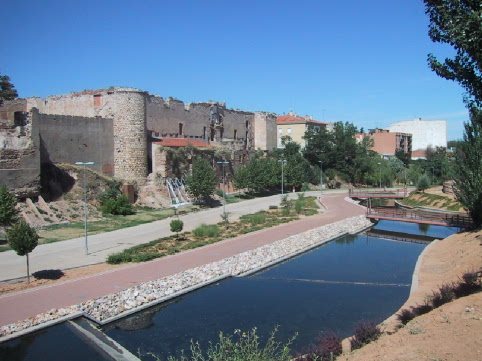
The Alcázar of Guadalajara in Spain developed from a ninth-century Andalusi fortress into a Castilian royal palace, textile manufactory, barracks,…

As Suwayda National Museum traces the history of Syria’s basalt-rich southern region through archaeological collections from prehistoric, Nabataean,…
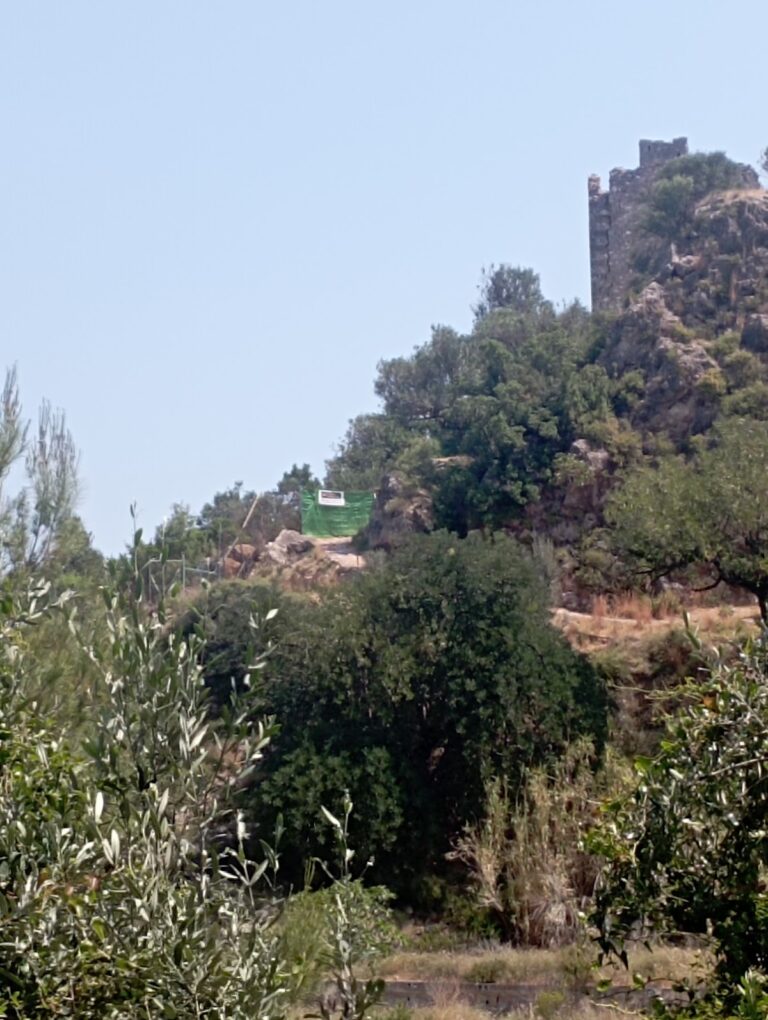
Castell de Rebollet is a hilltop fortress near La Font d’en Carròs whose history spans Islamic rule, the Christian conquest, feudal lordship,…
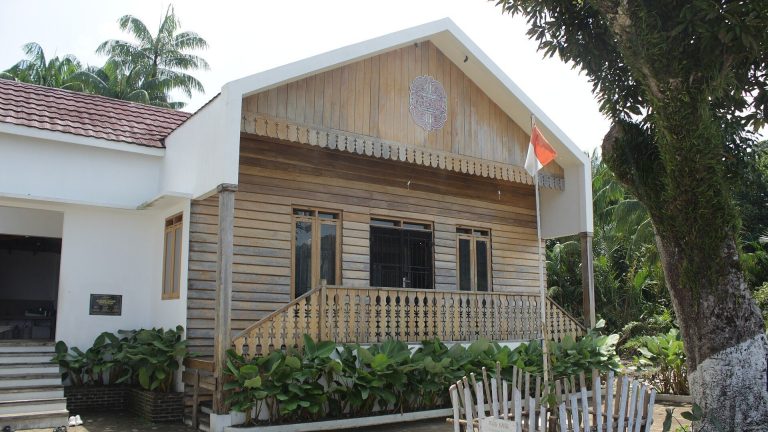
Fansuri Museum preserves and presents archaeological discoveries from Bongal Site, a trading area on the west coast of North Sumatra with evidence of…
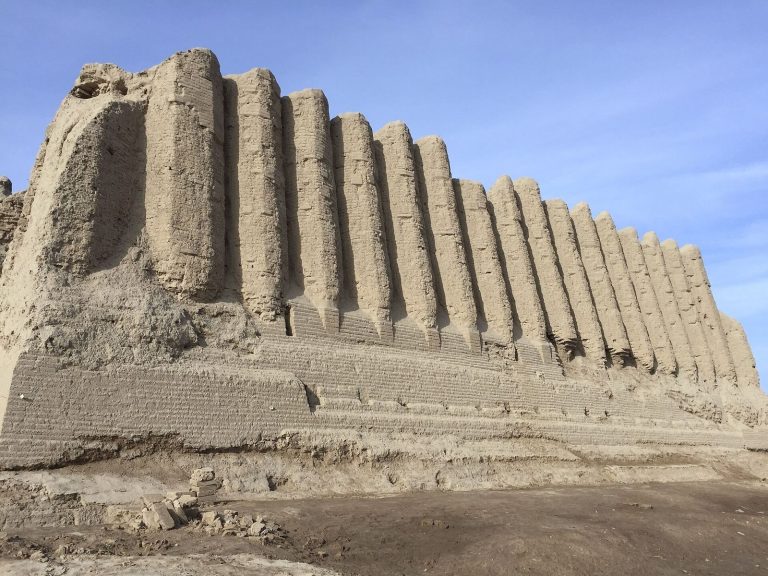
Great Kyz Kala is a large fortified earthen palace at ancient Merv in Turkmenistan, associated with uncertain Sasanian or early Islamic origins and…
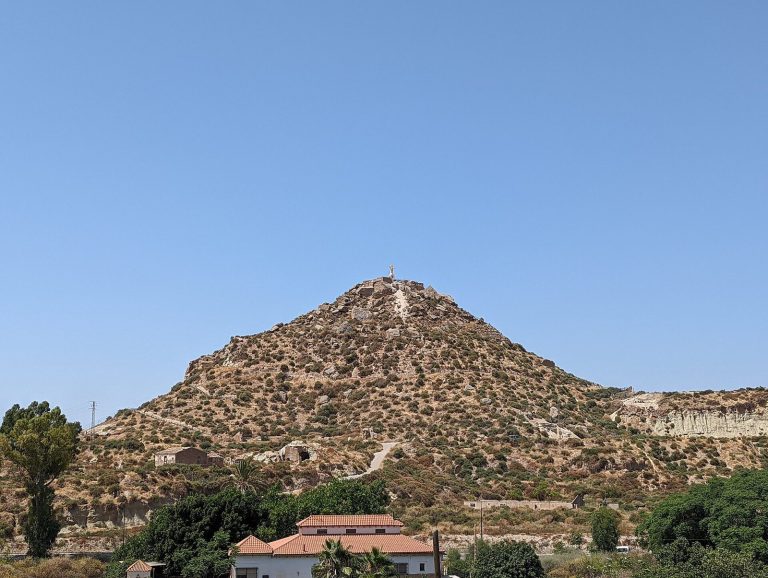
Cerro del Espíritu Santo preserves the remains of Bayra, an Islamic-period fortified settlement near Vera in Almería, alongside prehistoric and late…
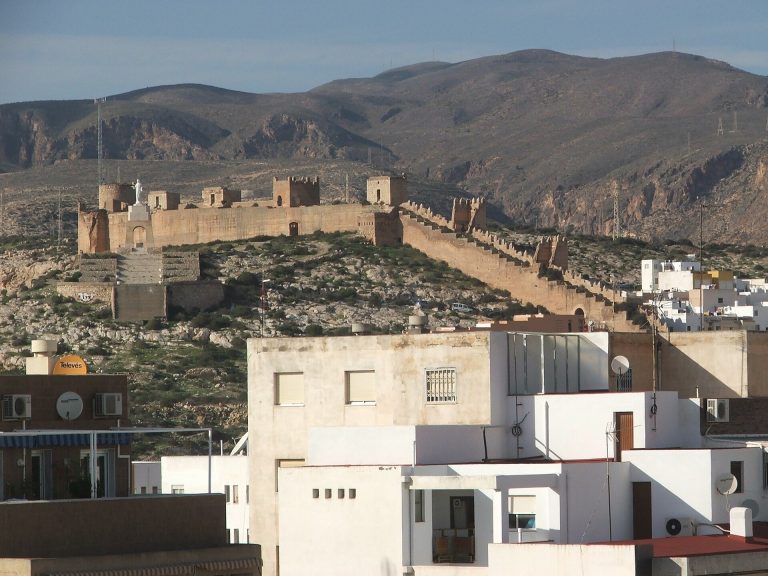
The Murallas del Cerro de San Cristóbal are the surviving section of Almería’s medieval city walls, preserving Muslim and Christian defensive phases…
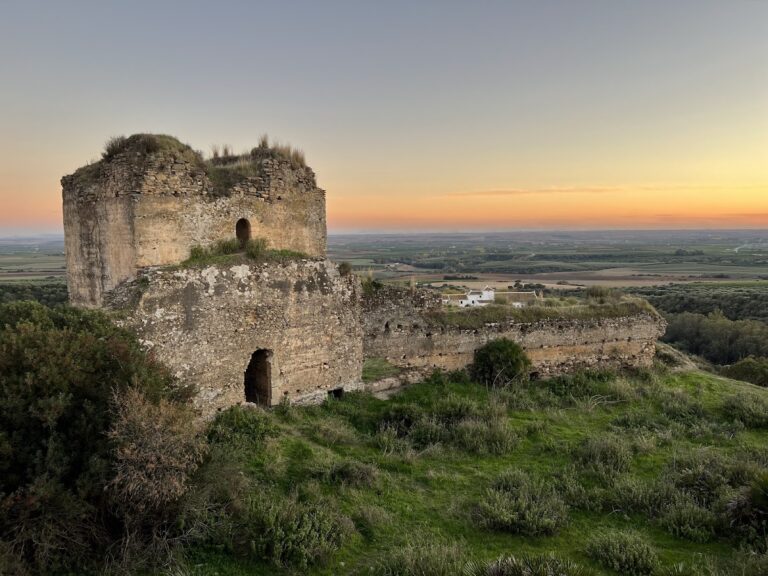
Castillo de Setefilla is a ruined medieval fortress near Lora del Río in Andalusia, shaped by Islamic rule, the Christian reconquest, and later…
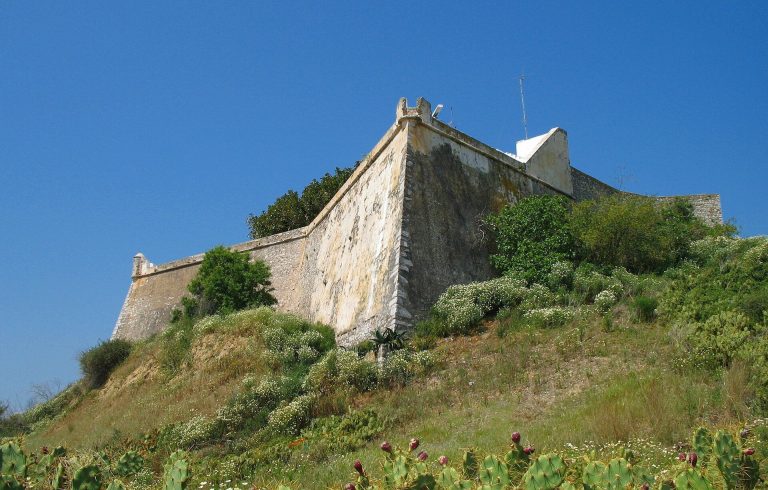
The Fortress of Cacela overlooks the mouth of the Ria Formosa in Portugal and preserves evidence of Muslim, medieval Portuguese, and late…
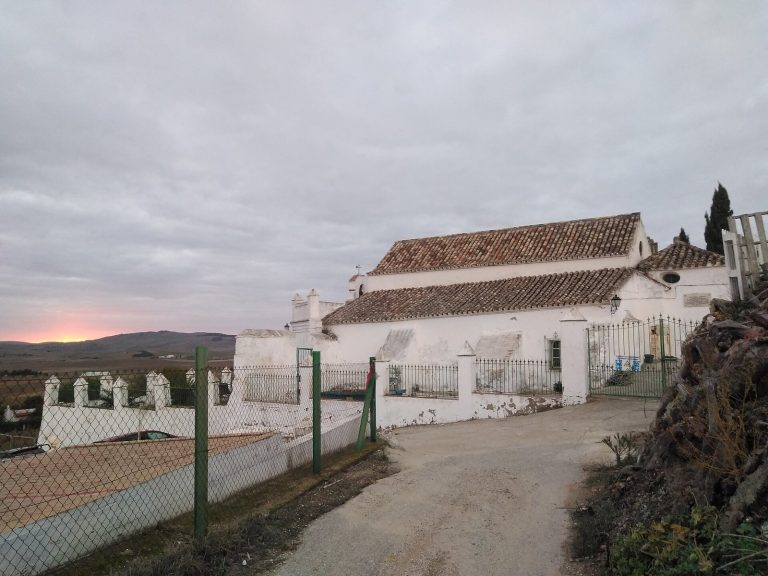
Ermita de los Santos Mártires near Medina-Sidonia preserves a layered history spanning Late Antiquity, Islamic rule, and the Castilian period, with…
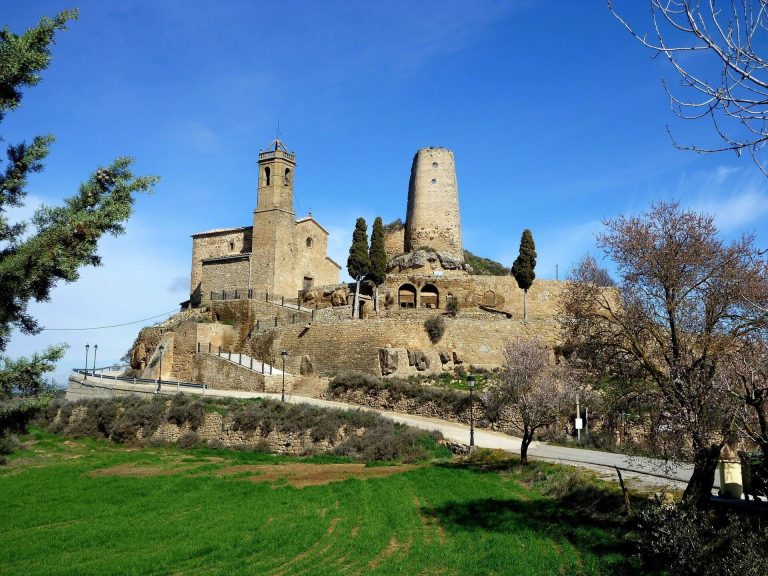
Lloberola Castle in Spain preserves successive Muslim-period and Christian fortifications dating from before and around the year 1000, with later…
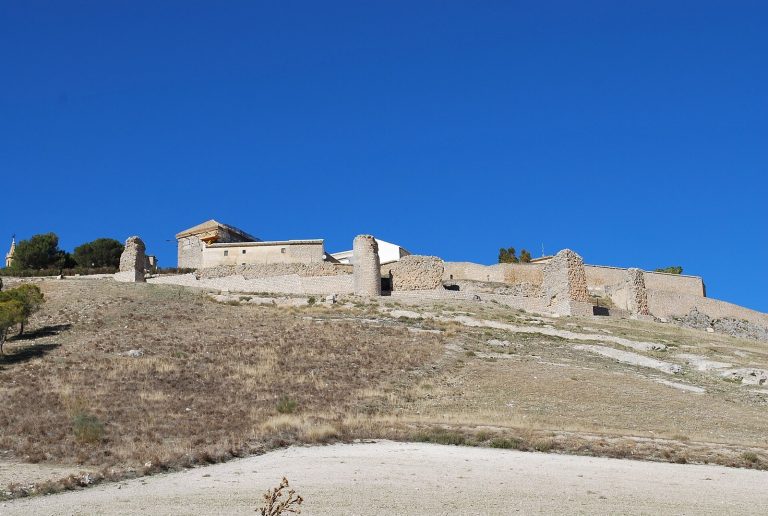
Castillo-Palacio is a ruined defensive complex on the hill of ancient Ostippo in Estepa. Its Islamic enclosure and alcázar were later strengthened by…
For details on how to use the maps, which sites are included, how popularity and ratings are determined, and how sites are classified, see the help page.
On this page6 sections
Great mosques in Damascus and Córdoba
The Umayyad Mosque in Damascus occupies a monumental enclosure inherited in large part from the Roman temple precinct. Within it, a broad courtyard lies north of the prayer hall. Arcades frame the open space, while rows of columns organize the sanctuary.
The Mosque-Cathedral of Córdoba presents a different arrangement through its repeated two-tiered arches. The prayer hall expanded through successive building campaigns, increasing the number of aisles while retaining the characteristic rhythm of columns and arches.
Both are major surviving mosque complexes, but neither is unchanged. Damascus experienced fires, earthquakes and repeated repairs. Córdoba combines the earlier mosque with Gothic, Renaissance and later Christian work, including the cathedral inserted into the prayer hall. Their linked articles explain which features belong to each phase.
Fortified residences around courtyards
Qasr Tuba, in Jordan, was planned as two connected courtyard residences. Its almost double-square outline, separate northern entrances and connecting passage allowed the two parts to operate together or separately. Semicircular towers reinforced the enclosing walls, while rooms of different sizes surrounded the courtyards.
The surviving remains represent only part of that ambitious plan, principally the western portion. Nearby wells and a dam also place the residence within a managed water system. These features help explain why a substantial complex could be built in an otherwise dry landscape without presenting the entire intended building as completed or preserved.
Bathhouses and their service systems
Hammam al-Sarah served the Qasr al-Hallabat complex in Jordan. A rectangular audience hall adjoins a bathing suite with changing, warm and hot rooms. The arrangement joins reception and bathing within a relatively compact building.
The bath required more than a sequence of decorated chambers. Its installations included a furnace, well, water-lifting device and raised tank. These components supplied and heated the water used inside. Extensive stone robbing damaged the building in the twentieth century, and subsequent conservation and reconstruction form an important part of the structure seen today.
Residences beside desert water sources
Qasr Burqu’ stands beside a water basin in eastern Jordan’s basalt desert. The complex combines residential remains with an earlier tower, probably Roman in origin. Its early Islamic use therefore involved adapting an existing site rather than building every element from scratch.
The tower remains the most prominent standing feature. Water catchments and the neighbouring basin explain the location’s continuing importance, although the dates of the individual waterworks are not all established. The site offers evidence of occupation and adaptation around a scarce resource, with uncertainty retained where the surviving systems cannot be securely dated.
Forts on the Mediterranean coast
Ashdod-Sea Fortress preserves a rectangular coastal enclosure built in local sandstone. Towers guarded the sea and land entrances, while a moat protected the landward side. Its early Islamic defensive role places it within the coastal network of forts and lookout positions.
The compact plan differs from the residential courtyards at Qasr Tuba. Here the opposing gates, projecting towers and landward ditch organized defence around a position directly beside the sea. Earthquake damage, marine erosion and later occupation are also part of the fortress’s history; the standing remains should not all be assigned to one early campaign.
Explore the collection
Explore sites on the map or in the grid. Map icons reflect each site’s primary function, helping you identify different kinds of places at a glance. Narrow the results by country, primary function, site type or era, with additional filters for popularity and rating. Select a map marker to view the site’s details and open its article, or open the article from its grid entry.