Fansuri Museum: A Research and Educational Museum in North Sumatra
Site at a Glance
- Rating
- 5
- Popularity
- Very Low
- Country
- Indonesia
- Primary era
- Medieval
- Eras represented
- Medieval
- Civilizations
- Abbasid, Chinese, Umayyad
- Site type
- Museum
On this page6 sections
History
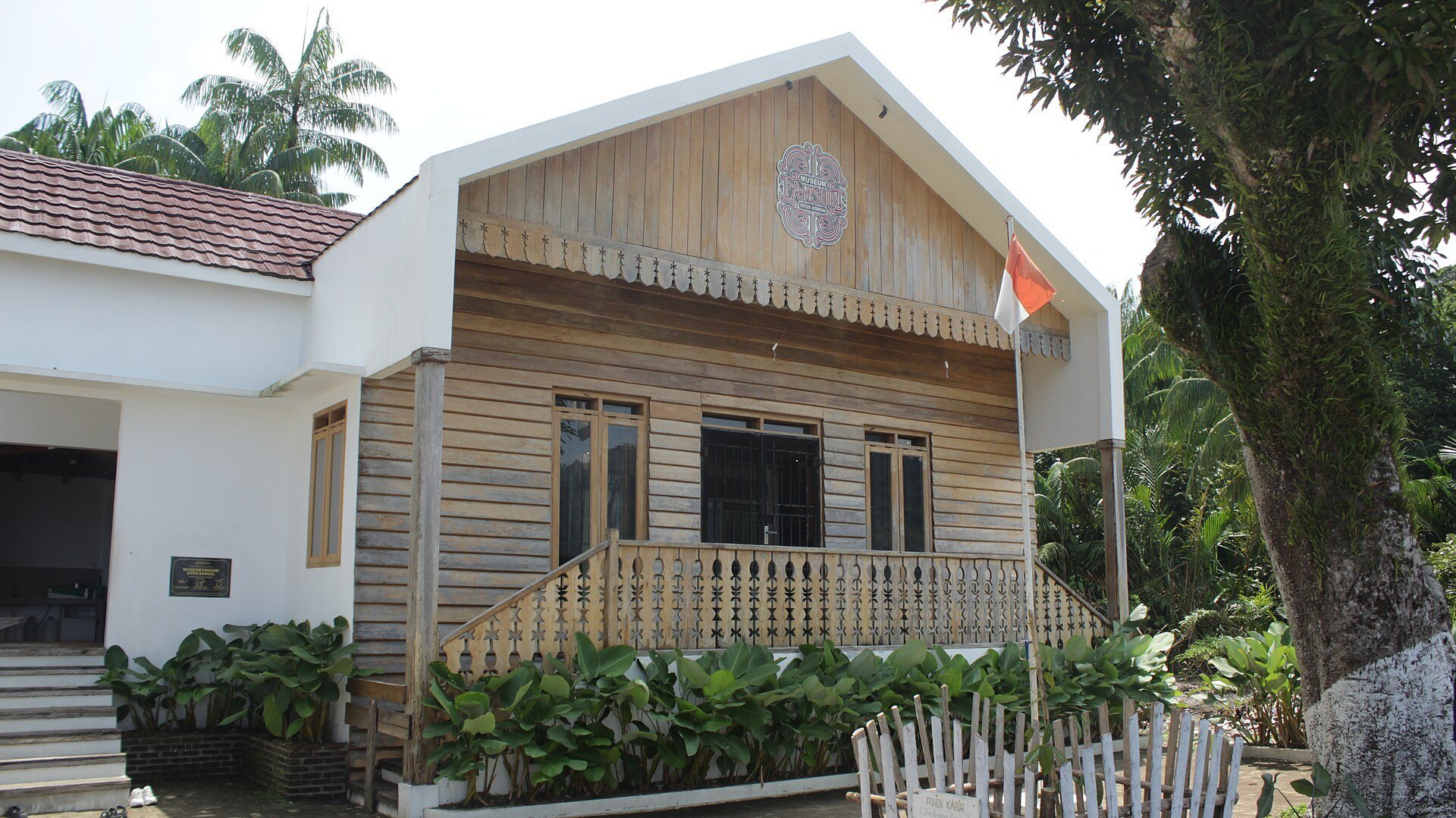
Fansuri Museum is a museum in Jago-Jago Village, Badiri District, Central Tapanuli Regency, North Sumatra, Indonesia. Established and inaugurated on 13 May 2023 by the private research institution Sultanate Institute, it was created to conserve and investigate Bongal Site, an important Islamic and archaeological area on the region’s west coast. The museum archives discoveries from the site, presents them for education, and provides a place where researchers and academics can examine new finds and support continuing conservation.
Foundation and research
The inauguration brought together government officials, academics, and researchers from Indonesia’s National Research and Innovation Agency and the Ministry of Culture. The museum’s creation formed part of wider efforts to preserve Bongal Site and to make its archaeological evidence available for study. Its work combines exhibition, education, and research rather than treating the discoveries only as a collection of historic objects.
Bongal Site and long-distance exchange
Research at Bongal Site in 2021 revealed evidence of trading activity from the seventh to the tenth century AD. The site reflects contact between local Nusantara communities, meaning peoples of the Indonesian archipelago and its surrounding maritime region, and merchants from the Middle East, India, and China. Its position near the Lumut River and Tapian Nauli Bay helped make it a trading centre from ancient times, while gold at the site may have attracted overseas merchants. The museum’s collections span the sixth to the tenth century AD and reflect cultural influences from West Asia, India, China, and Southeast Asia.
Remains
The museum is arranged around an exhibition room, an artifact gallery, interactive educational media, and a research room. Toilets and a guest room stand beside the gallery. Together, these spaces support the display of material from Bongal Site, the explanation of its historical setting, and the study of newly recovered evidence.
Museum facilities
The exhibition room and gallery present archaeological materials with explanatory information and specialist guidance. Interactive educational media provides another way to introduce the discoveries, while the research room supports examination by scholars and academics. The arrangement connects public interpretation with the continuing investigation of the site.
Archaeological collections
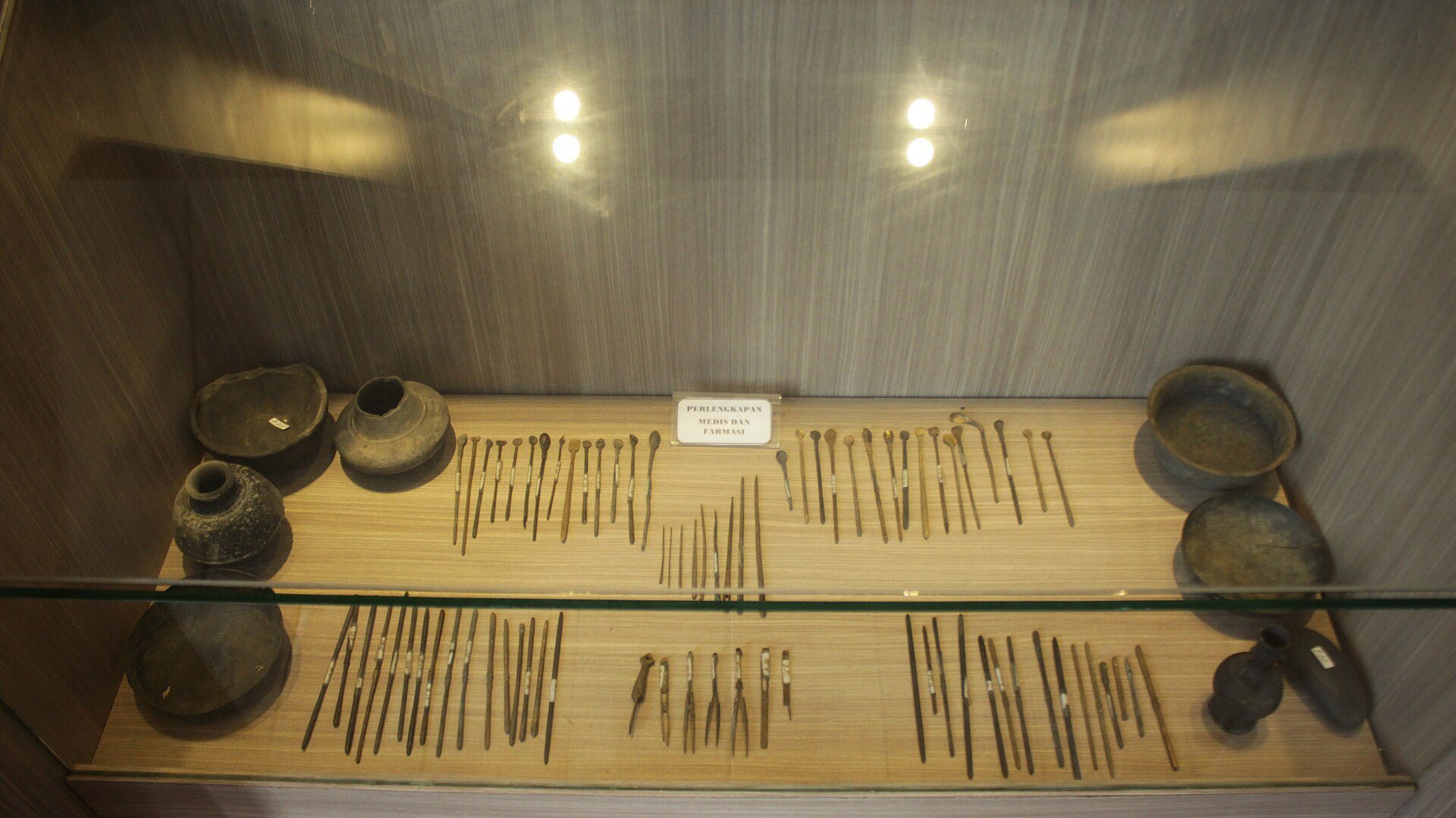
The collections include ceramics, pottery fragments, ancient trade equipment, medical and pharmaceutical tools, beads, and metalwork. Chinese ceramics from the Tang dynasty, which ruled China from 618 to 907 AD, represent the wider commercial and cultural exchanges of that period. Other finds include metal needles, ijuk palm fiber, rope made from the same material, and spices such as nutmeg, candlenut, and areca nut. The gallery also preserves glass bottles used for oil distillation, called alembics, silver coins issued under the Umayyad and Abbasid caliphates, and the remains of a wooden ship. Associated remains include nibung-wood stakes, fragments of ceramic and pottery vessels, and a stone used as boat ballast.