Swedish Historic Sites: Explore Castles, Cathedrals and Baltic Fortresses
Explore more than 200 historic sites connected with Swedish history, from medieval castles and brick cathedrals to royal residences, town halls and island fortresses. The collection extends beyond present-day Sweden into Finland and other Baltic regions once governed by the Swedish Crown. Buildings in these places often combine Swedish construction with work undertaken before or after Swedish rule.
Fortifications form a substantial part of the collection, but their settings and purposes differ. A castle controlling a narrow inland waterway has a different plan from a naval base spread across coastal islands. Churches and municipal buildings add examples of the religious and urban architecture that developed alongside those defences.
Primary Function: All
Type: All
Country: All
Popularity: All
Rating: All
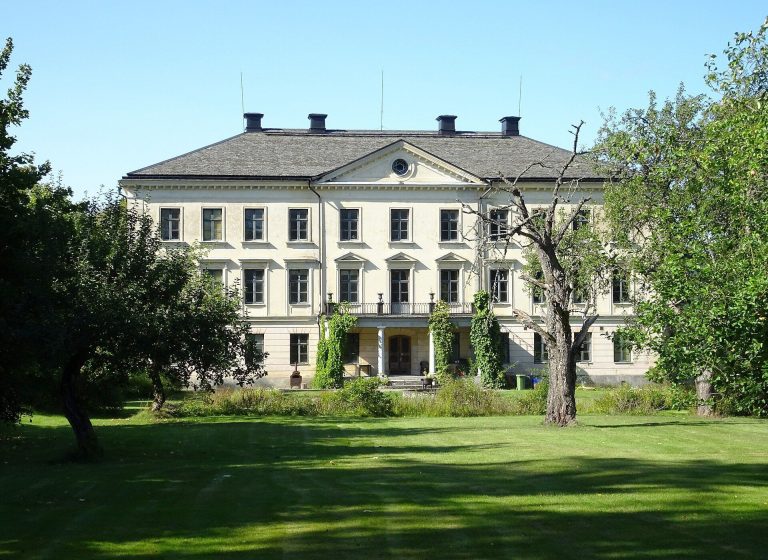
Ökna Manor in Södermanland has a history reaching back to 1319. Its surviving buildings and enclosure wall reflect transformations from an…
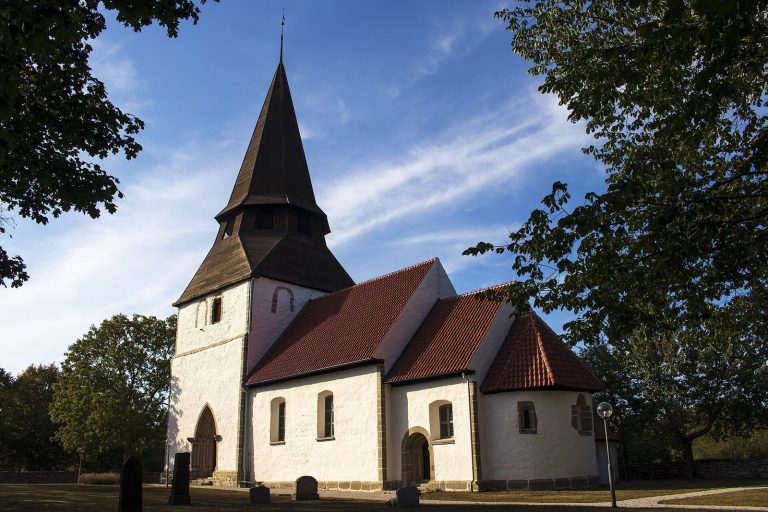
Alva Church on Gotland preserves a late Romanesque choir and apse, an unfinished medieval tower, sculpted portals, wall paintings, and furnishings…
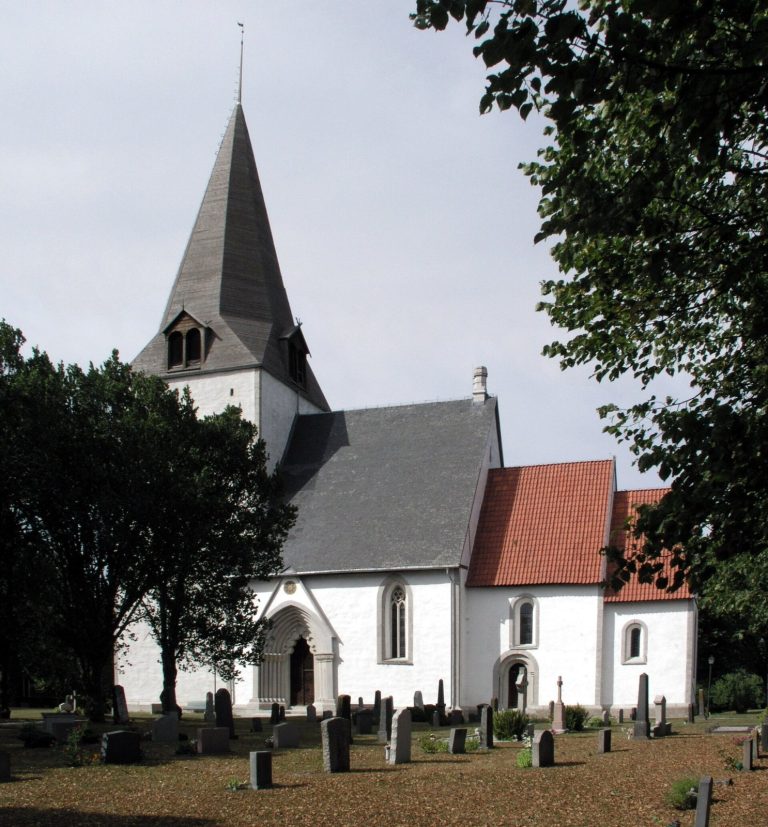
Barlingbo Church on Gotland preserves medieval architecture, stained glass, wall paintings, furnishings, and artworks spanning several centuries of…
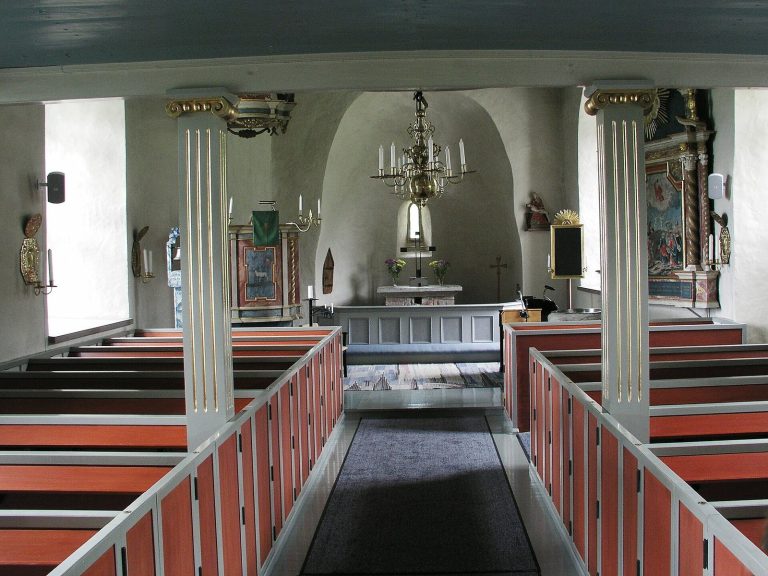
Egby Church on Öland is a small Lutheran church whose medieval stone fabric, defensive alterations, furnishings, and later rebuilding preserve a long…
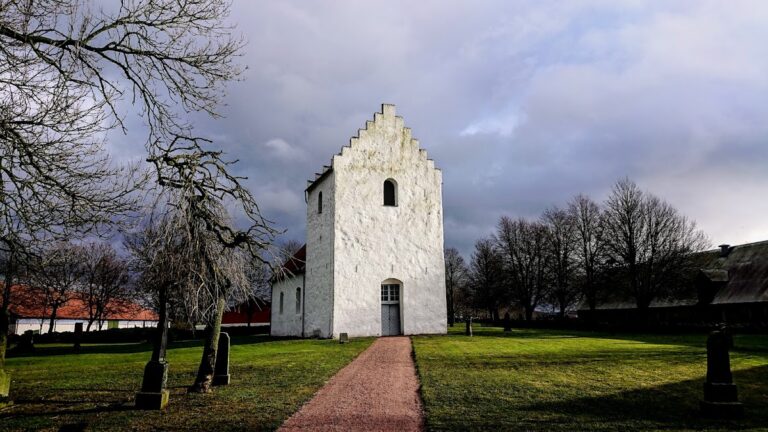
Södra Åsums gamla kyrka is a late twelfth-century Romanesque church in Skåne, known for its medieval frescoes, historic furnishings, and preservation…
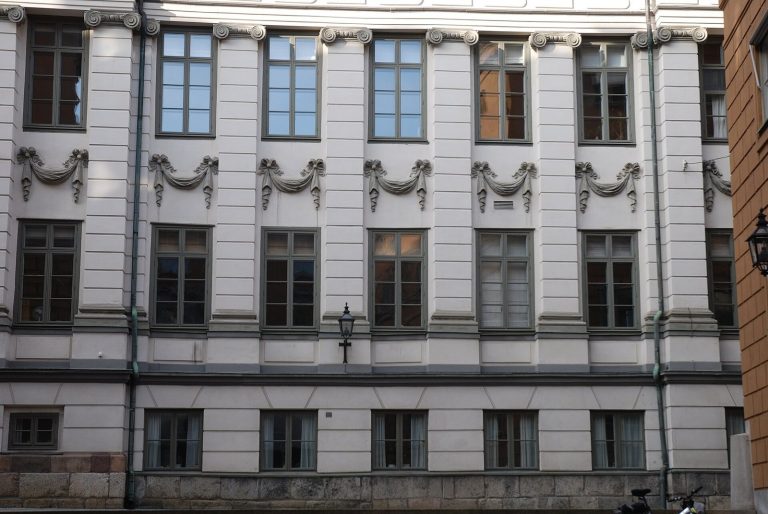
Bonde Palace was built in the seventeenth century as the residence of Lord High Treasurer Gustaf Bonde. After fires and reconstruction, it became…
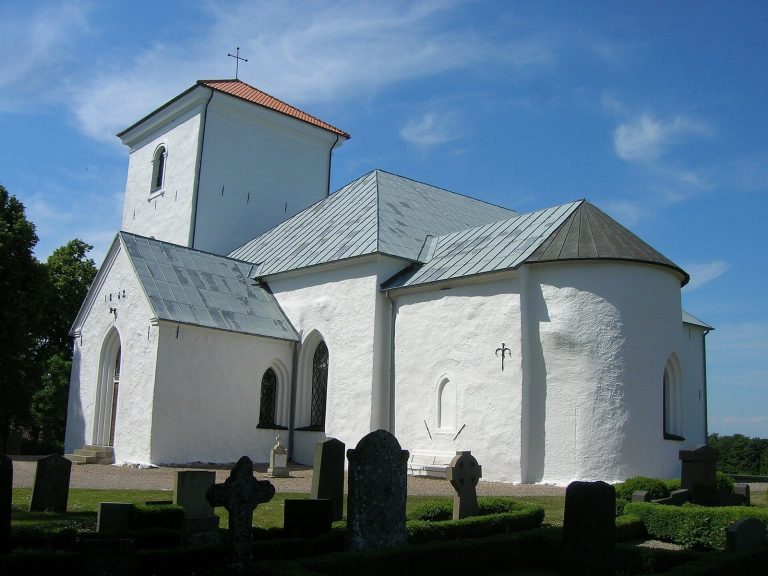
Fågeltofta Church in Skåne preserves a medieval Romanesque core, fifteenth-century vaults and frescoes, later additions, and furnishings spanning…
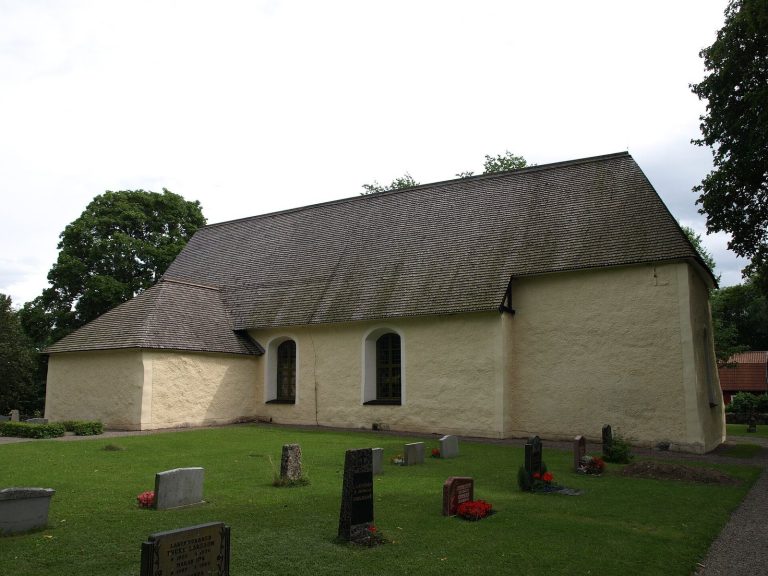
Gryta Church is a medieval Lutheran parish church near Örsundsbro in Sweden, preserving Romanesque masonry, later medieval vaults and wall paintings,…
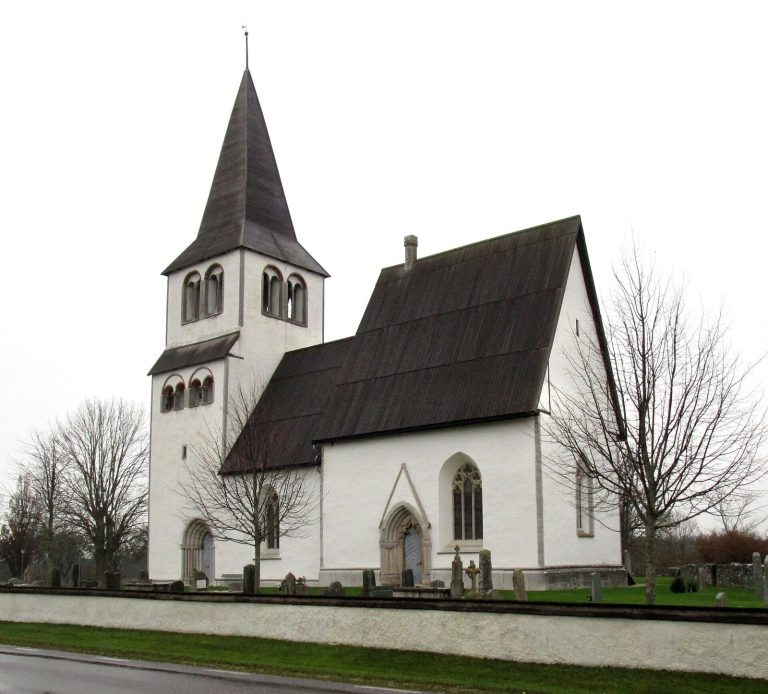
Hejde Church in central Gotland preserves a medieval tower, nave, choir, stained glass, lime paintings, sculpture, and the runestone G 171, which…
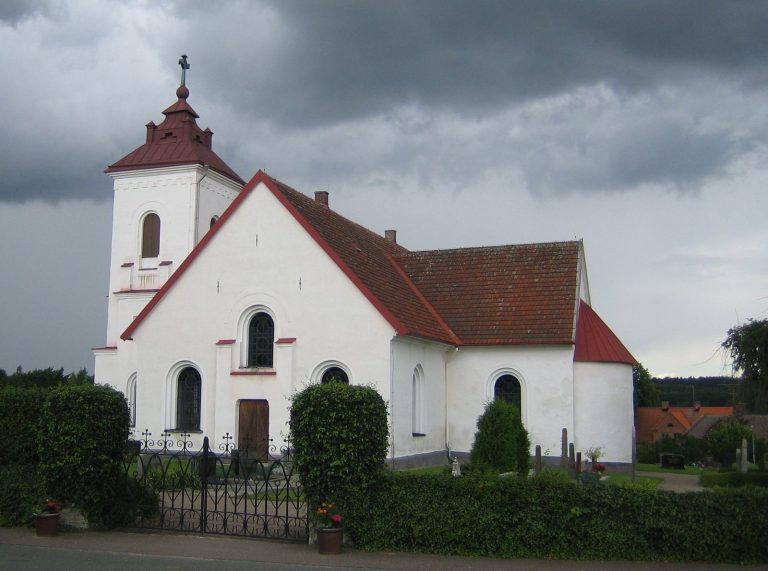
Brösarp Church is a twelfth-century Lutheran church in Brösarp, Sweden, shaped by medieval construction, nineteenth-century rebuilding, and…
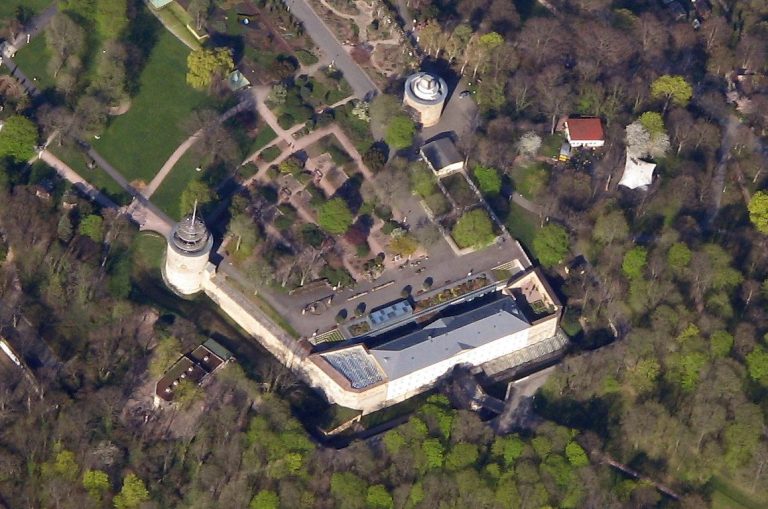
Citadel Cyriaksburg was a fortress on Cyriaksberg in Erfurt, developed from a fifteenth-century city defense into a citadel and later incorporated…
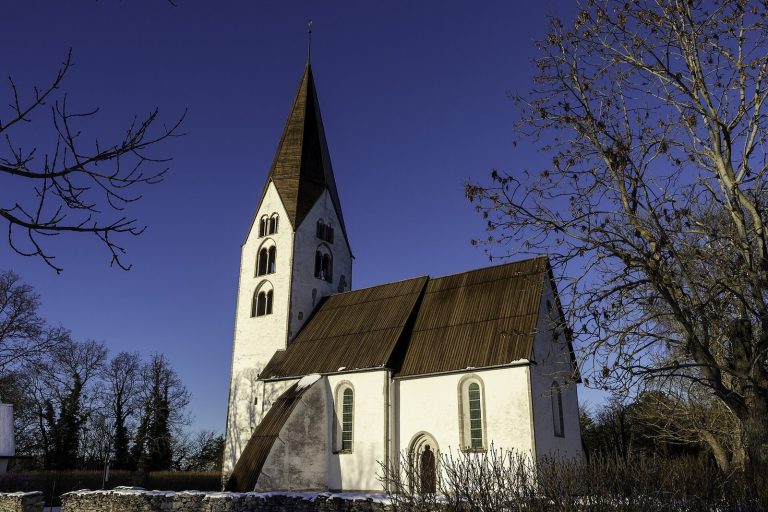
Othem Church in northern Gotland preserves a medieval building developed from a 12th-century predecessor, with Romanesque and Gothic features,…
For details on how to use the maps, which sites are included, how popularity and ratings are determined, and how sites are classified, see the help page.
On this page6 sections
Castles on islands and waterways
Kalmar Castle stands beside the harbour of medieval Kalmar, separated from the mainland by a narrow channel that served as a moat. Its brick and limestone buildings combine medieval defences with Renaissance wings and round corner towers. Changes to the residence could alter the fortifications themselves: the original central keep was demolished during the remodelling of the complex.
Olavinlinna Castle, in Finland, was founded in 1475 to strengthen Sweden’s eastern frontier. Its rocky island lies in the Kyrönsalmi strait between two lakes. A roughly triangular main castle occupies the western end, with a larger outer bailey to the east. The palace, towers and covered firing passage fit a restricted site, while subsequent bastions and fortified additions belong to later stages of the castle’s history, including Russian rule.
A royal residence preserved as a ruin
Borgholm Castle stands on Öland’s limestone escarpment, with steep ground protecting two sides and open limestone heath beyond the others. A medieval fortress developed around an earlier tower before Renaissance rebuilding transformed the complex into a royal residence.
Its roofless masonry gives a different view of palace architecture from a furnished castle. The surviving walls and openings expose the arrangement of the wings and rooms, while the earlier defensive location remains clear. The present ruin should therefore be understood through both its fortified origins and the later residential building, rather than treated as an unchanged medieval castle.
Brick cathedral architecture
Uppsala Cathedral has a Gothic plan with a long nave, transepts and an ambulatory encircled by chapels. Red brick forms the main body, with limestone used for portals, pillars and architectural details. The repeated bays and side chapels give the interior a scale very different from the compact rooms of a fortified residence.
The cathedral also illustrates the importance of restoration when reading a familiar skyline. Fires damaged the building repeatedly, and the comprehensive restoration of 1885–1893 changed its appearance. The medieval plan, surviving fabric and nineteenth-century work need to be considered together.
Town halls under Swedish rule
Narva Town Hall, in Estonia, was built during Swedish rule on the initiative of the Swedish royal court. Its stone façade is arranged around pilasters, a central clock pediment and a double staircase leading to the entrance. A tower rises from the steep roof above the municipal rooms.
The building was heavily damaged in 1944, when much of Narva’s historic centre was destroyed. Its subsequent restoration means that the town hall is both evidence of the city’s earlier municipal architecture and a substantially repaired survivor. The roof, tower and interior cannot all be presented as untouched seventeenth-century work.
Island fortresses and naval bases
Suomenlinna, established as Sveaborg by the Swedish Crown in 1748, occupies an island group outside Helsinki. Its defences extend across several islands connected by bridges, causeways and later infilling. Gun bastions and the King’s Gate at Kustaanmiekka mark the seaward edge of a much larger military complex.
This was a naval base as well as a fortress. The spread of defensive works across the islands contrasts with the concentrated medieval enclosure at Olavinlinna. Russian additions and rebuilding after nineteenth-century bombardment also form part of the surviving site, so its present appearance extends beyond the original Swedish project.
Explore the collection
Explore sites on the map or in the grid. Map icons reflect each site’s primary function, helping you identify different kinds of places at a glance. Narrow the results by country, primary function, site type or era, with additional filters for popularity and rating. Select a map marker to view the site’s details and open its article, or open the article from its grid entry.