White Castle: A Norman Defensive Stronghold in Wales
Visitor Information
Google Rating: 4.6
Popularity: Low
Official Website: cadw.gov.wales
Country: United Kingdom
Civilization: Medieval European
Site type: Military
Remains: Castle
History
White Castle is located near the village of Llantilio Crossenny in modern Wales, United Kingdom. It was originally constructed by the Normans following their invasion of England in 1066, likely under the direction of William fitz Osbern, Earl of Hereford. The castle was built to secure the route leading from Wales into the English town of Hereford.
During the early 12th century, White Castle became part of a defensive network established by King Stephen in 1135. This group, known as the “Three Castles,” included Grosmont and Skenfrith, and was intended to strengthen English control and counter Welsh uprisings. Over the following centuries, ownership of the castle shifted several times. In 1201, the fortress was granted to Hubert de Burgh, followed by a transfer to William de Braose before returning to Hubert’s control. Its strategic importance remained high during this period.
Throughout the 13th century, White Castle underwent significant reconstruction, replacing earlier wooden structures with stone fortifications. Scholars debate whether this rebuilding took place during Hubert de Burgh’s tenure between 1229 and 1239, or slightly later under Prince Edward in the mid-13th century. Notably, the castle’s main entrance was moved from the south side to the northeast during these renovations.
In 1267, the castle came under the possession of Edmund, Earl of Lancaster, and stayed associated with the Earldom and later the Duchy of Lancaster for several centuries until 1825. After King Edward I completed his conquest of Wales in 1282, White Castle’s military relevance diminished. It gradually fell into disuse and ruin by the 1500s, though it remained a focal point during the Owain Glyndŵr Welsh rebellion around 1404 to 1405.
During the 19th and early 20th centuries, the estate passed into the hands of the Duke of Beaufort and later Sir Henry Mather Jackson, who undertook efforts to conserve the remaining structure. Official state protection began in 1922, with the castle now managed by Cadw, reflecting its status as a Grade I listed building and Scheduled Monument. Throughout its history, White Castle retained its identity linked to its white-rendered walls, a distinctive feature which inspired its name.
Remains
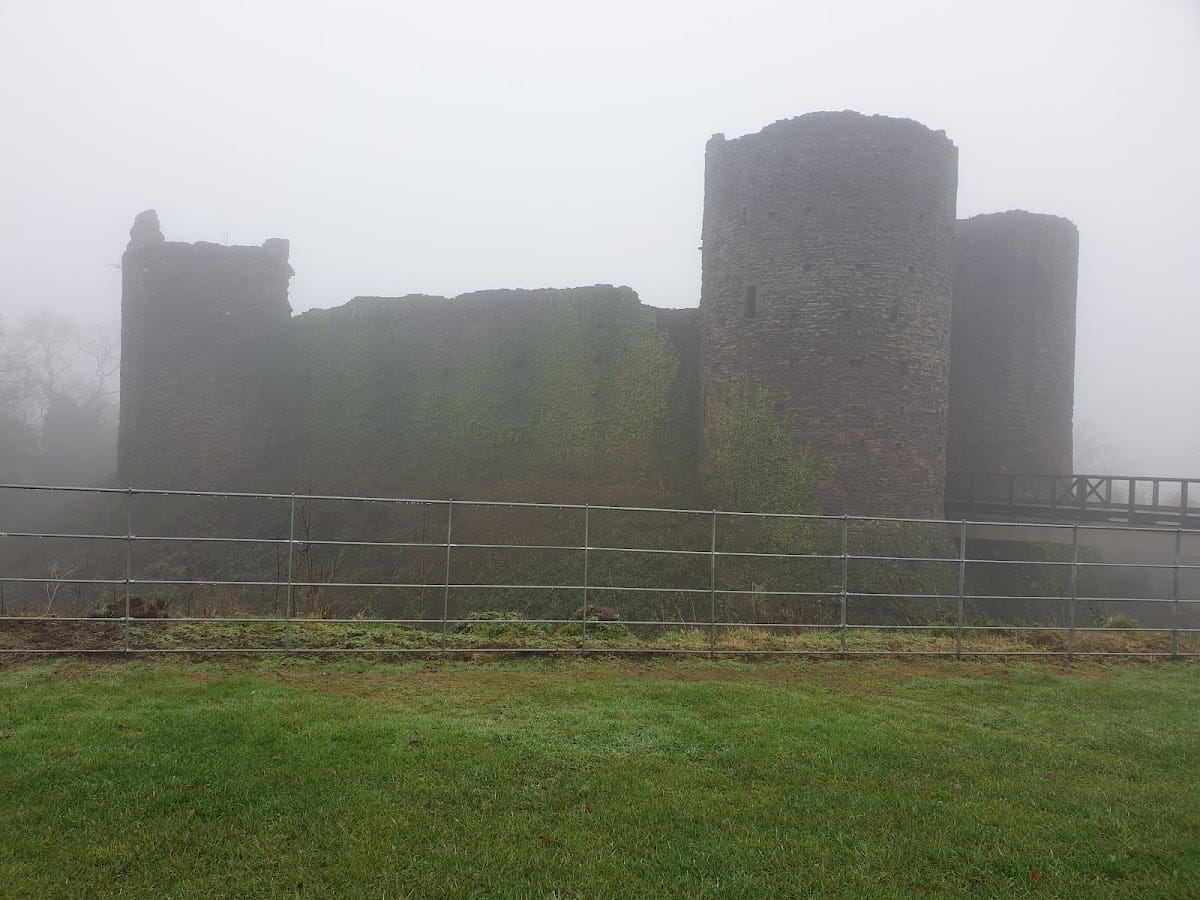
White Castle occupies a commanding position atop a hill overlooking the Monnow valley at approximately 157 meters above sea level. Its layout comprises three principal sections: a central inner ward, a crescent-shaped southern hornwork, and a large northern outer ward. The defensive complex is forged primarily from red sandstone, shaping formidable walls and towers.
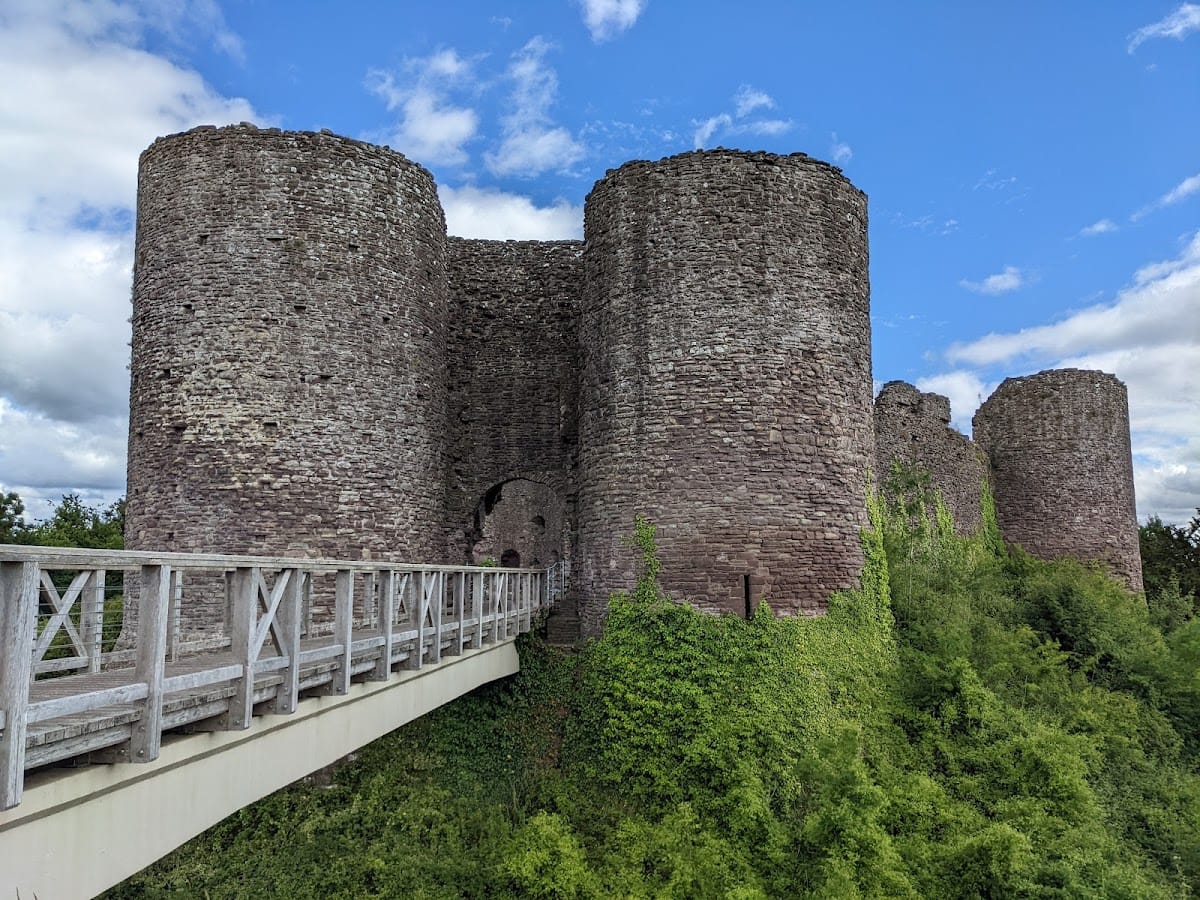
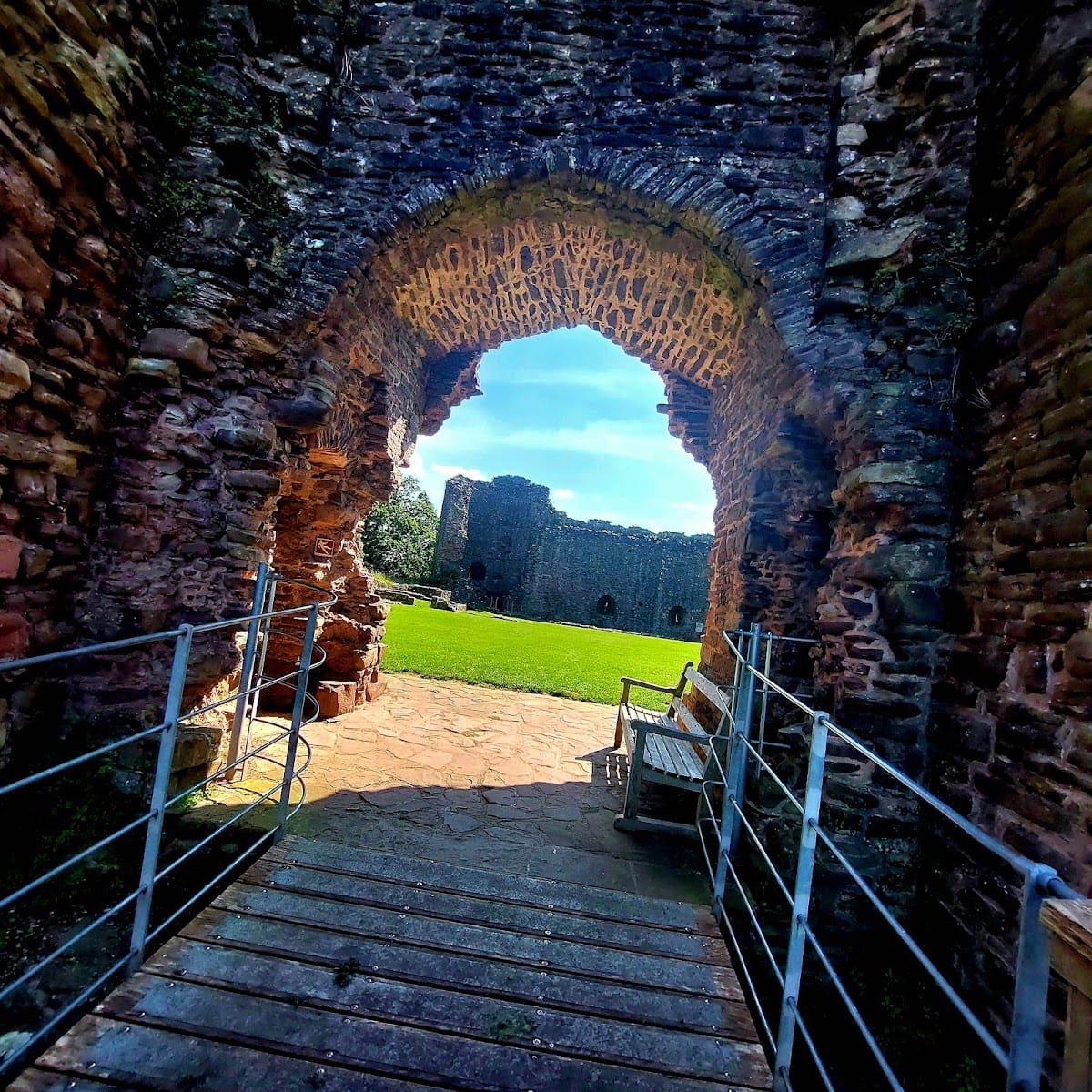
The outer ward spans roughly 98 by 52 meters, enclosed by a curtain wall featuring four mural towers—three circular and one rectangular. The rectangular tower served as official lodgings, while the massive curtain wall was strengthened by a dry ditch and an eastern gatehouse. This gatehouse remains up to five meters high and was originally protected by a portcullis, a heavy vertically sliding grille, and a drawbridge. Historically, the outer ward contained a very large barn measuring about 35 by 20 meters, along with smaller ancillary buildings, but these structures have not survived intact.
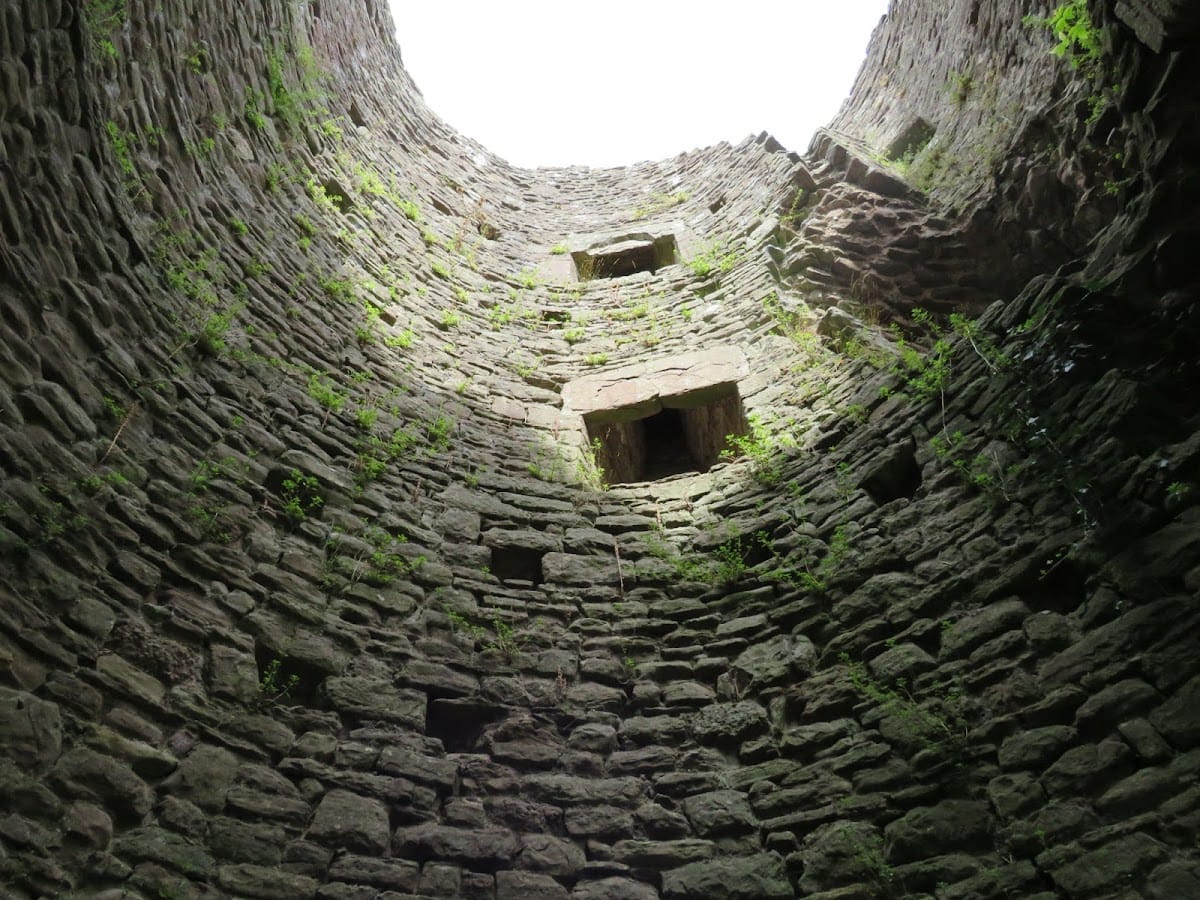
Within the inner ward, measuring about 46 by 34 meters, a deep moat cuts through the rock and retains water, offering added defense. The inner curtain wall is reinforced by four circular towers rising four stories high. The main gatehouse here is flanked by two circular towers and originally included a portcullis and drawbridge as well. Foundations of key domestic buildings lie within this area, including the hall, quarters for the castle constable, kitchen facilities, and the castle chapel, part of which was even integrated inside one of the towers. Early works of the original keep also remain in this vicinity.
The southern hornwork presents a crescent form, initially accessible from the inner ward by a wooden bridge spanning the intervening defenses. It was mainly protected by timber fortifications and towers, though some stonework was added later. Much of this section now survives only in traces, providing a glimpse into the castle’s extended defensive layout.
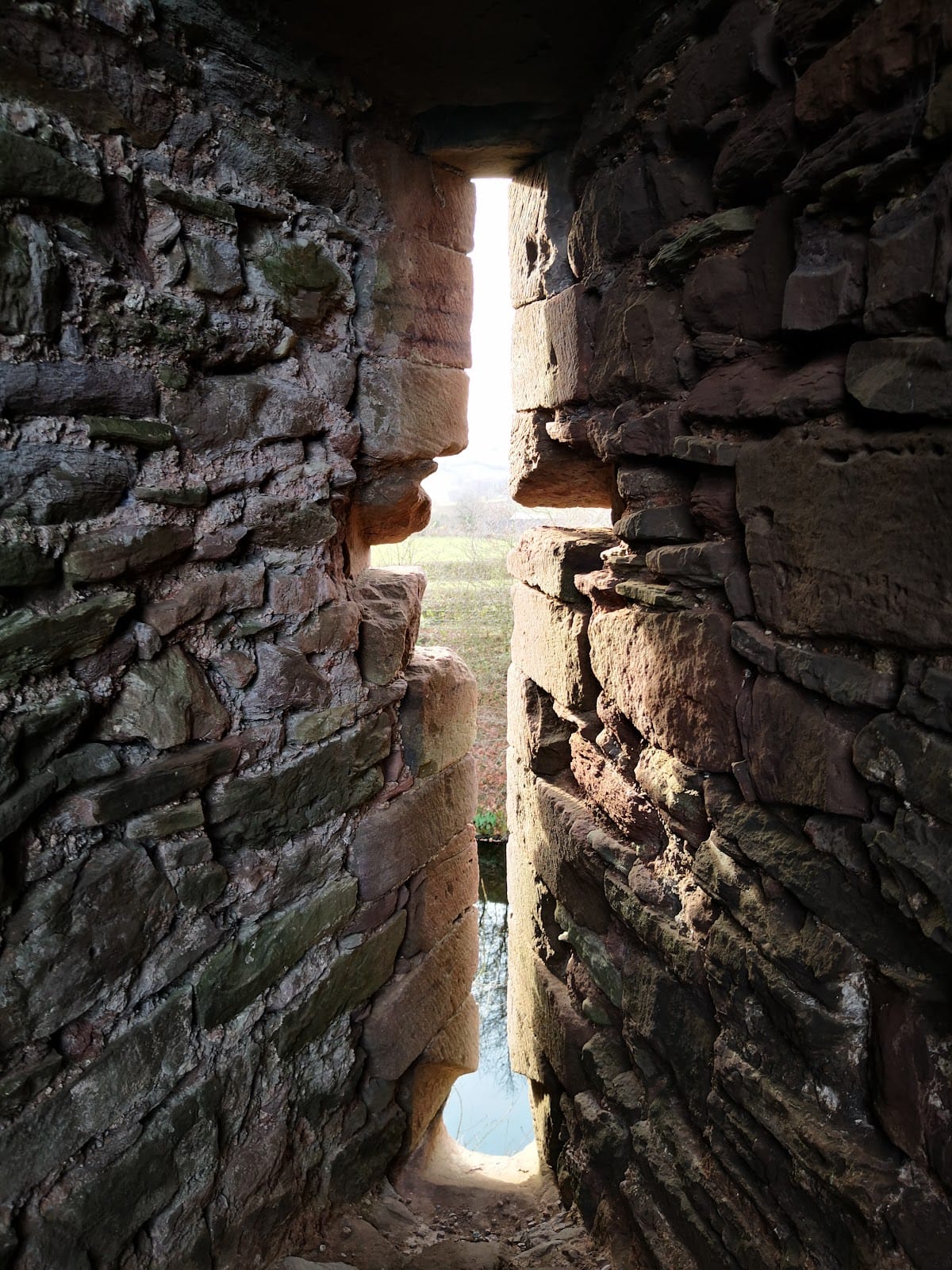
One of White Castle’s most striking features is its distinctive arrow loops—narrow openings used by archers. These have a cross-shaped design with vertically offset arms. This unusual form may have been intended to improve firing angles or offer better protection to defenders, though experimental testing showed these loops were still vulnerable to incoming attacks.
Originally, the castle’s walls were coated in a white render, lending White Castle its name. Remains of this bright white coating can still be seen on the external stone surfaces. The overall form and defensive arrangements of the complex emphasize military strength rather than comfort, with relatively small halls and austere living accommodations reflecting its primary role as a fortress.
Nearby sites