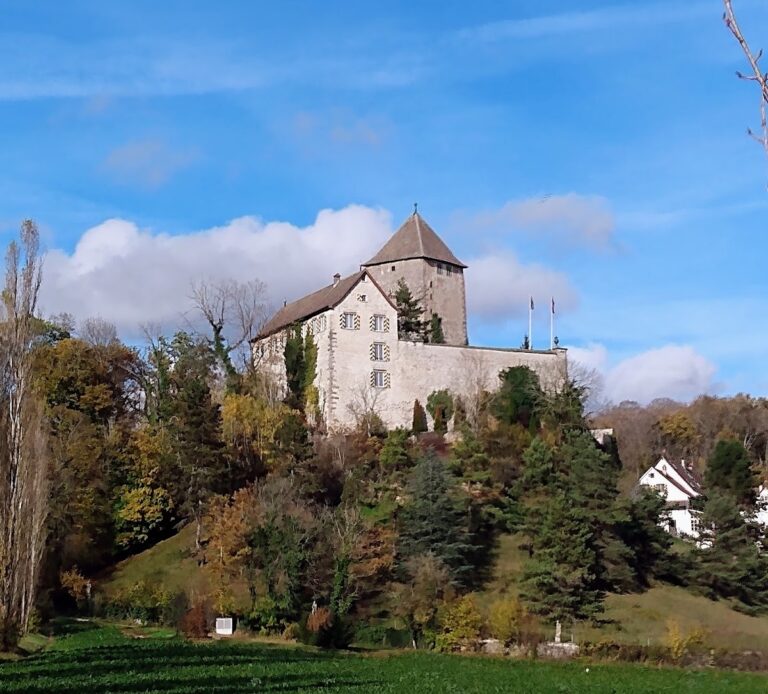
Schloss Blumenfeld: A Historic Castle in Tengen, Germany
Visitor Information
Google Rating: 4.6
Popularity: Very Low
Official Website: schloss-blumenfeld.de
Country: Germany
Civilization: Early Modern
Site type: Military
Remains: Castle
History
Schloss Blumenfeld stands in the town of Tengen, Germany, and traces its origins to medieval German builders who established the site on a prominent limestone hill beside the Biber River. Its earliest history likely begins in the 11th century, though the first written records mentioning the castle date from 1292 and again in 1362.
The castle originally served as the ancestral home of the Ritter von Blum(en)egg family. During the 14th century, ownership transferred to the Klingenberg family, who were prominent in the regions of Hegau and Thurgau. Under their stewardship, the castle was expanded as they increased their influence locally. In the mid-15th century, specifically 1441 and 1442, Schloss Blumenfeld endured a siege by the Swabian city leagues, which sought to put an end to raids conducted by local nobles. Although the siege did not capture the castle, its strategic importance was highlighted. However, in 1499, during the Swabian War, Swiss troops succeeded in destroying Schloss Blumenfeld.
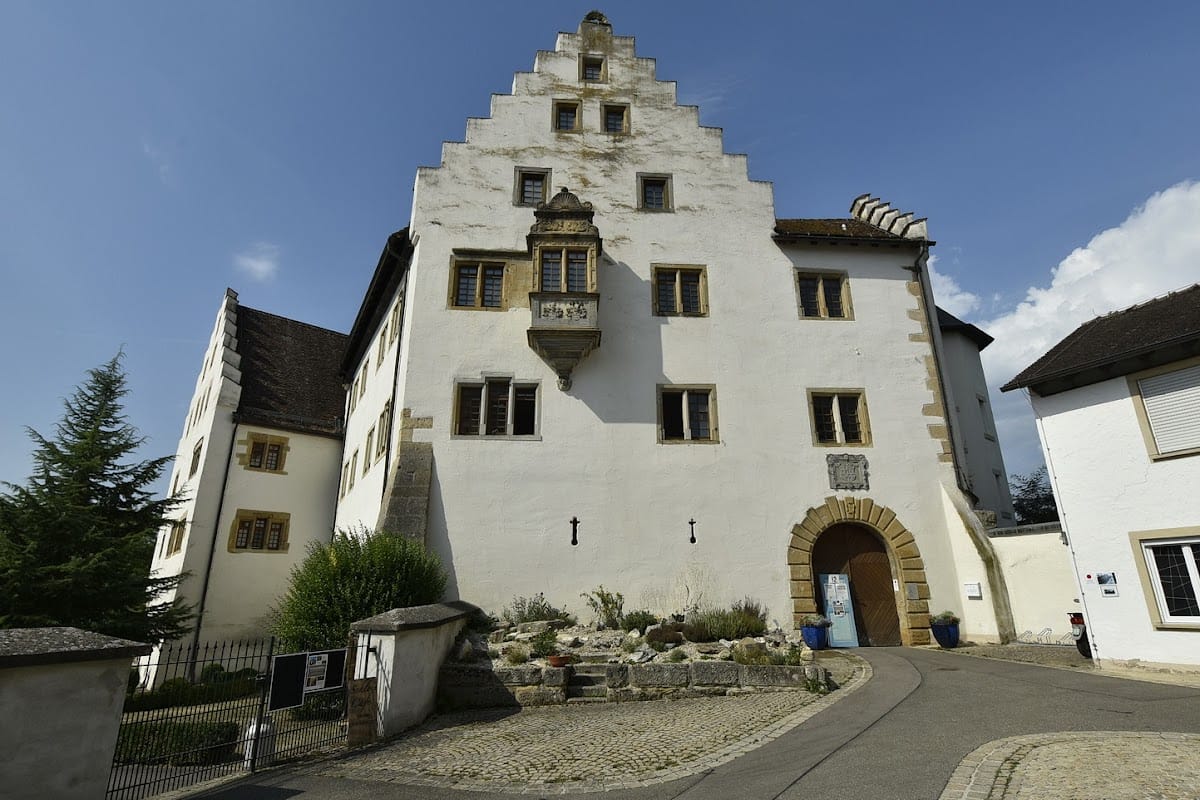
Following its destruction, the castle entered a new phase in the early 16th century when, from 1511 until 1806, it came under the possession of the Teutonic Order’s Mainau commandery. During this period, it functioned as the residence of the vogt, or local bailiff, acting as an administrative center for the surrounding territories. Significant building efforts were undertaken at this time: in 1515 the south wing was erected on the foundations of the former medieval palas (a main residential hall typical of castles), and between 1578 and 1582, the north wing was added, expanding the castle’s footprint.
The 18th century brought restoration work between 1759 and 1762, focusing on renewing windows and stoves, reflecting the care to maintain the castle’s habitability and function. However, from 1774 until 1876, the castle was largely empty and fell into disrepair.
In the 19th century, Schloss Blumenfeld’s role shifted towards civic and social uses. It first housed the district administration until 1857, followed by the district court until 1864. Soon after, it was repurposed as a children’s orphanage from 1864 to 1874. From 1876 onward, the castle was converted into a hospital and poorhouse, later transitioning into a nursing home which remained in operation until 2017.
The castle faced the threat of ruin until 1975, when community efforts successfully preserved the building. Subsequent demolitions in 1980 removed some 19th-century annexes, replaced by a new nursing wing designed to resemble medieval architecture and featuring two stair towers. Restoration work continued throughout the 1980s and 1990s, focusing on structural elements like roofing and interior spaces, ensuring the historic character was maintained.
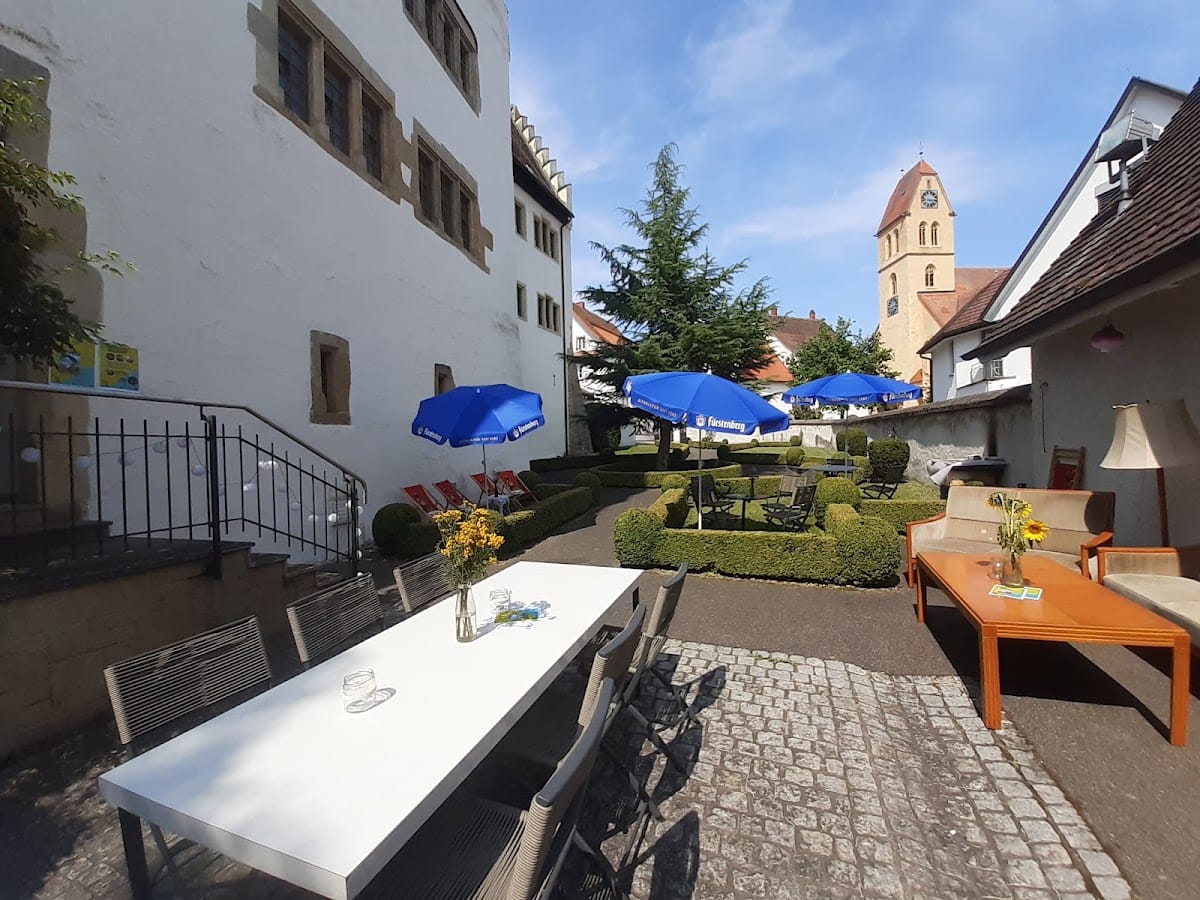
Since 2021, Schloss Blumenfeld has been used for community-oriented projects, including coworking and coliving spaces, along with a café, marking a contemporary chapter in its long history.
Remains
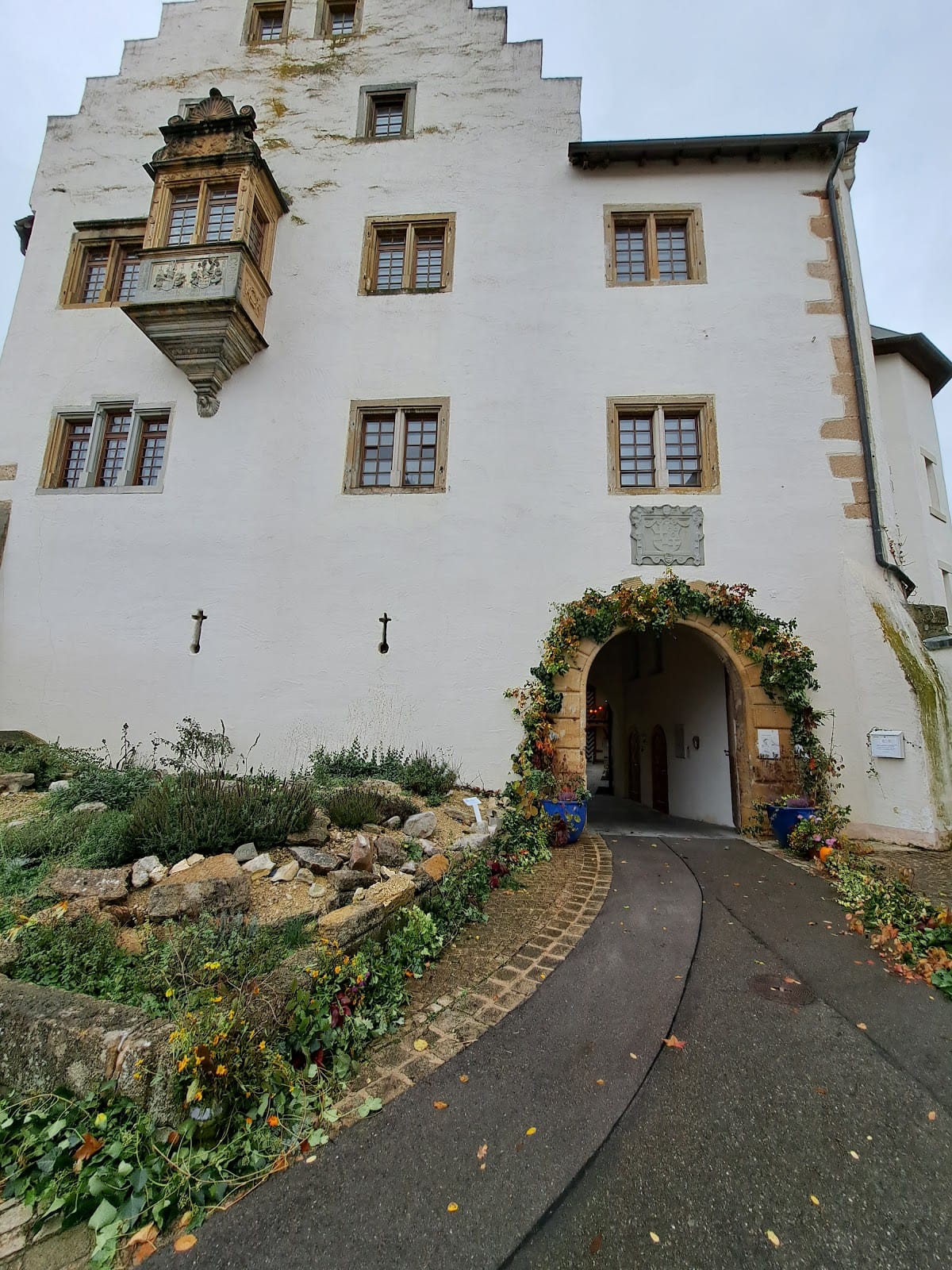
Schloss Blumenfeld is situated atop a limestone hill shaped by the course of the Biber River, commanding a height advantage of roughly 40 meters above the surrounding land. The castle’s layout today reflects construction phases primarily from the early 16th century, with significant additions extending into the late 16th century.
The core surviving structure begins with the south wing, built in 1515 on the remains of the medieval palas, the main residential building of the original castle. Its foundations tie the newer construction directly to the earlier stronghold. Later, between 1578 and 1582, a north wing was added along the northern wall, expanding the castle’s defensive and residential capacity.
The castle complex underwent notable changes in the 18th century when renovations updated windows and heating stoves, reflecting a modernization of the interior environment. In 1815, further renovations took place, although details are limited.
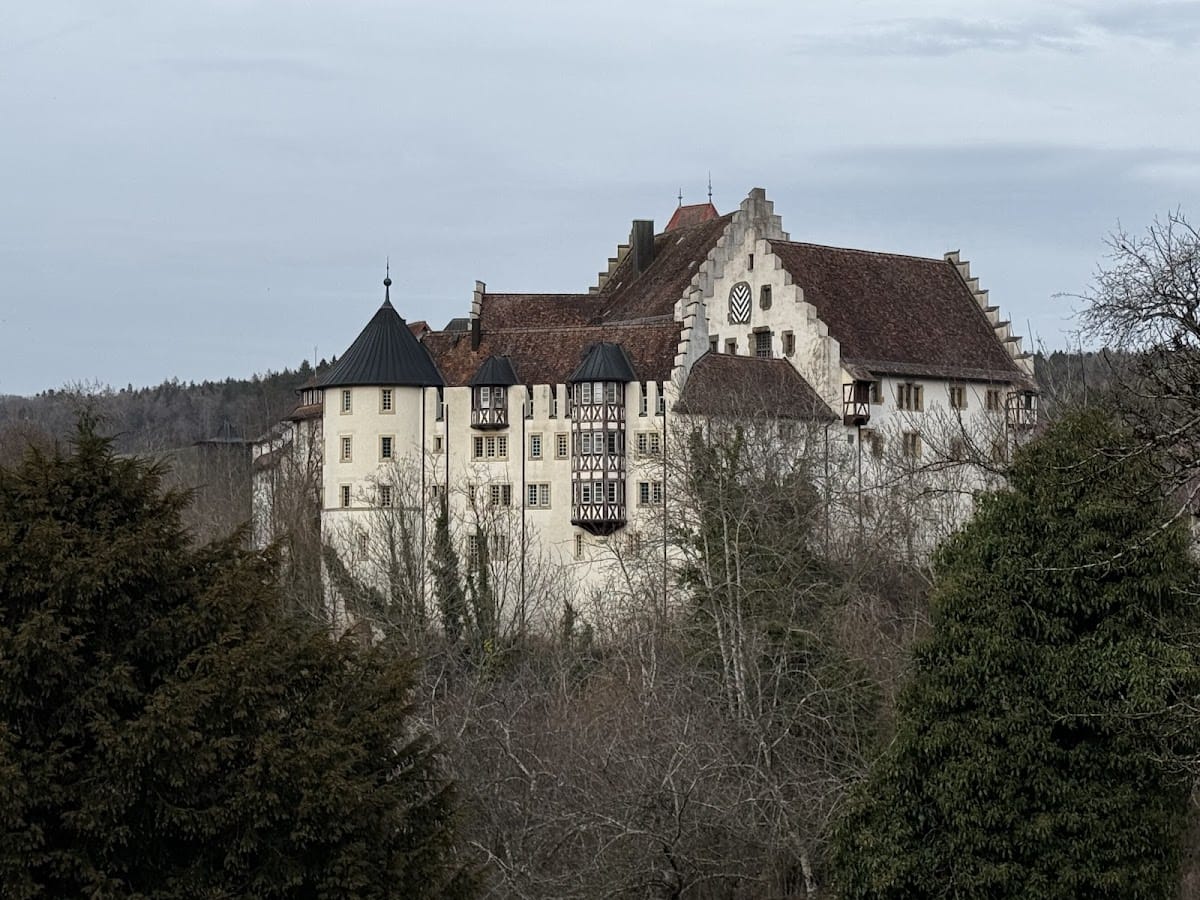
A major alteration occurred in 1980 when several single-story annexes from the 19th century were removed. These were replaced by a new wing constructed to echo medieval architectural styles and included the addition of two stair towers, enhancing both access and aesthetic continuity with the castle’s historic appearance.
Restoration efforts from 1980 until 1998 concentrated on roofing—critical for structural preservation—and the interior rooms, with a focus on maintaining historical authenticity. Today, the castle rises five stories high, though only two floors have been fully restored and are accessible. Archival photographs and records reveal architectural features such as fireplaces, bay windows, and family heraldic emblems, attesting to the castle’s medieval and early modern heritage.
The castle’s position, elevated above the Biber River and near the town of Tengen, reflects strategic considerations in its original siting, leveraging natural topography for defense and surveillance. The structure remains an important representative example of local castle architecture evolving from medieval fortification to administrative residence and social institution.
Nearby sites