Herblingen Castle: A Medieval Castle in Switzerland
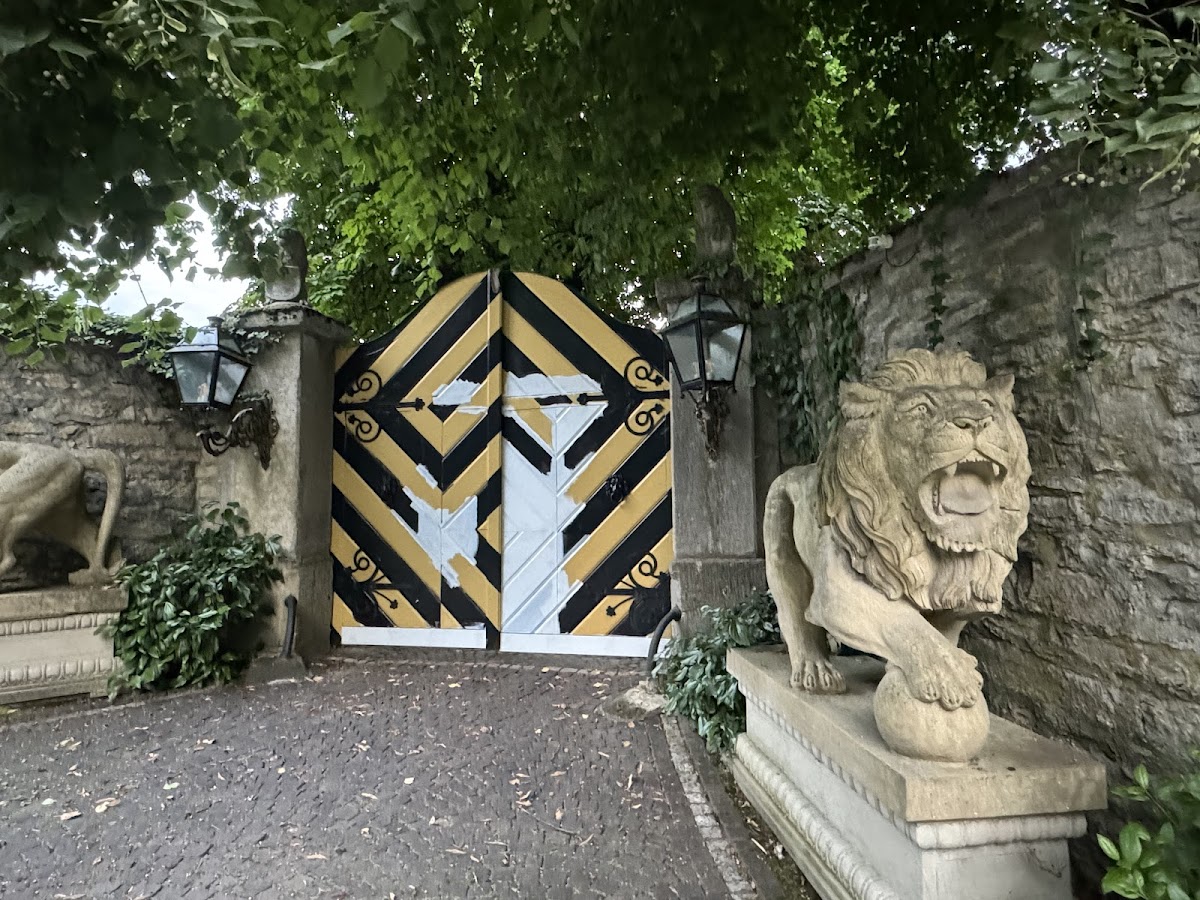
Site at a Glance
- Rating
- 4.3
- Popularity
- Very Low
- Country
- Switzerland
- Primary era
- Medieval
- Eras represented
- Medieval, Early Modern
- Civilizations
- Holy Roman Empire
- Site type
- Domestic
- Remains
- Castle
On this page7 sections
History
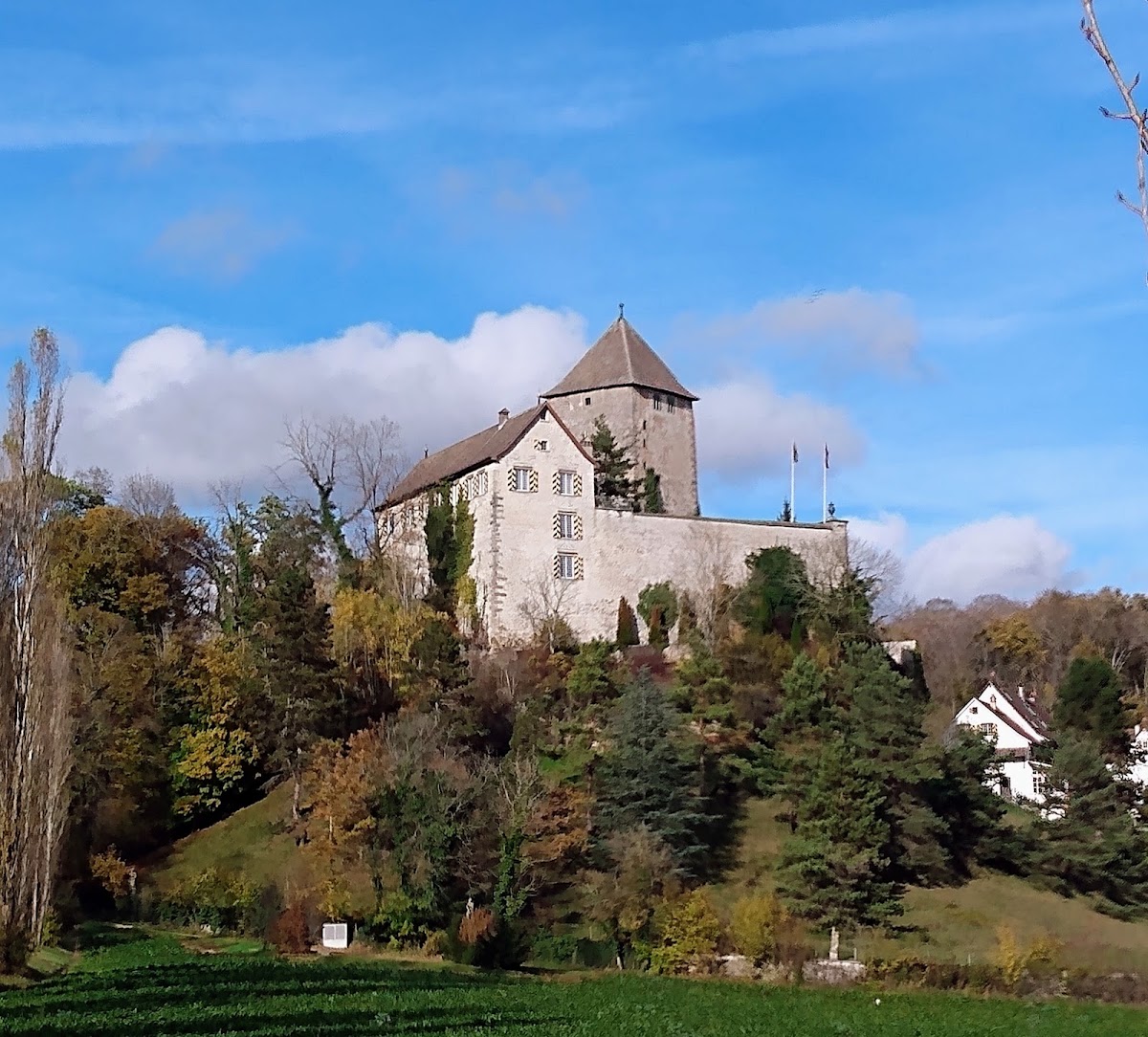
Herblingen Castle is a medieval castle in Switzerland, probably erected in the early thirteenth century by the Lords of Herblingen. Its exact construction date is unknown, and it is not established whether an earlier castle stood on the same site. The family is mentioned in 1181, although the meaning of that reference is uncertain, and it died out in the mid-fifteenth century.
Origins and the castle chapel
An old tradition, which has not been confirmed, holds that Pope Leo IX consecrated the castle chapel around 1049. Leo IX was pope from 1049 to 1054. In 1281, Konrad of Herblingen rebuilt the chapel, and Bishop Albert consecrated it on behalf of the Bishop of Constance. The chapel remained a place of Catholic worship even after the Reformation, the sixteenth-century religious movement that led to major divisions within Western Christianity and the establishment of Protestant churches.
Austrian and civic administration
At the beginning of the fourteenth century, the castle and its associated bailiwick, a territory governed by an appointed official, were sold to the Dukes of Austria. Their administrators later pledged the property to the seneschals of Diessenhofen, first in 1323 and again in 1344.
Ownership changed repeatedly in the late fifteenth and early sixteenth centuries. The Schaffhausen patrician Adam Cron bought the castle in 1469. The Cron family transferred it to Hans Löw of Schaffhausen in 1502, and Beringer of Landenberg acquired it in 1507. In 1534, the city of Schaffhausen purchased the castle and its bailiwick rights from Dorothea, the widow of Beringer of Landenberg. That same year, the city granted the property to the Brümsi family.
Herblingen Castle returned to Schaffhausen’s authority in 1565. From 1566 to 1733, it served as the seat of the Reiat higher bailiwick, a territorial administrative jurisdiction governed by a bailiff or another appointed official.
Transformation into a residence
In 1733, the Viennese bank director Johann Wilhelm Gestefeld acquired the castle and converted it into a residence. His work altered the medieval character of the complex, particularly the manor house. Major defensive elements were removed, including the wall walks, drawbridge, and ring walls, while the surrounding moats were filled.
Gestefeld went bankrupt in 1779. The von Meyenburg family then owned the property until 1833, followed by more than twenty further owners. During several decades of the twentieth century, the castle tavern contained a regionally known restaurant and an antiques business. Both closed after another change of ownership. In 1998, Christie’s auctioned an art collection assembled at the castle by its deceased owner. Peter and Stephan Günthart, owners of the Günthart company, acquired the castle in 2000 for company and private use.
The castle lies within the municipality of Stetten, although it gave its name to the former small municipality of Herblingen. Herblingen became part of the city of Schaffhausen in 1964. The castle remains privately owned and is listed as a Swiss cultural property of national importance.
Remains
Herblingen Castle is a spur castle, meaning a fortified complex built on projecting high ground, at an elevation of about 520 metres. It is also described as an inhabited castle, but eighteenth-century changes have given it a more palace-like character. The complex retained its medieval appearance until 1733, when the defensive arrangement and the principal residence were substantially remodelled.
Medieval defensive core
The oldest surviving part is probably the tower keep, the principal defensive tower of a medieval German-speaking castle, dating from the thirteenth century. The original defensive system included wall walks, a drawbridge, ring walls, and surrounding moats. Gestefeld’s conversion removed these elements or altered their setting by filling the moats, leaving the complex with a different physical character from the medieval stronghold.
Castle chapel
The chapel was rebuilt in 1281 by Konrad of Herblingen and consecrated by Bishop Albert acting for the Bishop of Constance. Its continuing use for Catholic Mass after the Reformation preserves a religious function that endured through the castle’s later administrative and residential changes.