Roch Castle: A Norman Fortress in Pembrokeshire, Wales
Visitor Information
Google Rating: 4.9
Popularity: Low
Official Website: www.rochcastle.com
Country: United Kingdom
Civilization: Medieval European, Modern
Site type: Military
Remains: Castle
History
Roch Castle is located in the municipality of St Davids in the United Kingdom and was originally constructed by Norman settlers. Its foundation dates back to around the year 1200 when Adam de Rupe, a Norman knight, built the stone fortress on what is believed to have been an earlier wooden fortification. This period was marked by Norman expansion and consolidation in Wales, and Roch Castle played a strategic role as part of the defensive network along the “Landsker” line, a historical frontier dividing English-speaking and Welsh-speaking communities in Pembrokeshire. It was erected alongside contemporaneous establishments such as Pill Priory near Milford Haven, reinforcing the region’s defenses.
The castle remained under the control of the de Rupe family until the 15th century, after which it passed into the hands of the Walter family in the 17th century. Notably, Lucy Walter, born at Roch Castle, became the mistress of King Charles II and mother to James, 1st Duke of Monmouth, linking the site to important figures in British royal history. During the English Civil War, the Walter family sided with King Charles I. Roch Castle experienced military action in this conflict, changing ownership twice before being seized and burned by forces loyal to Parliament in 1644. Following these events, the castle was abandoned and sustained further neglect after the Duke of Monmouth’s rebellion, leaving it in a state of decay for many years.
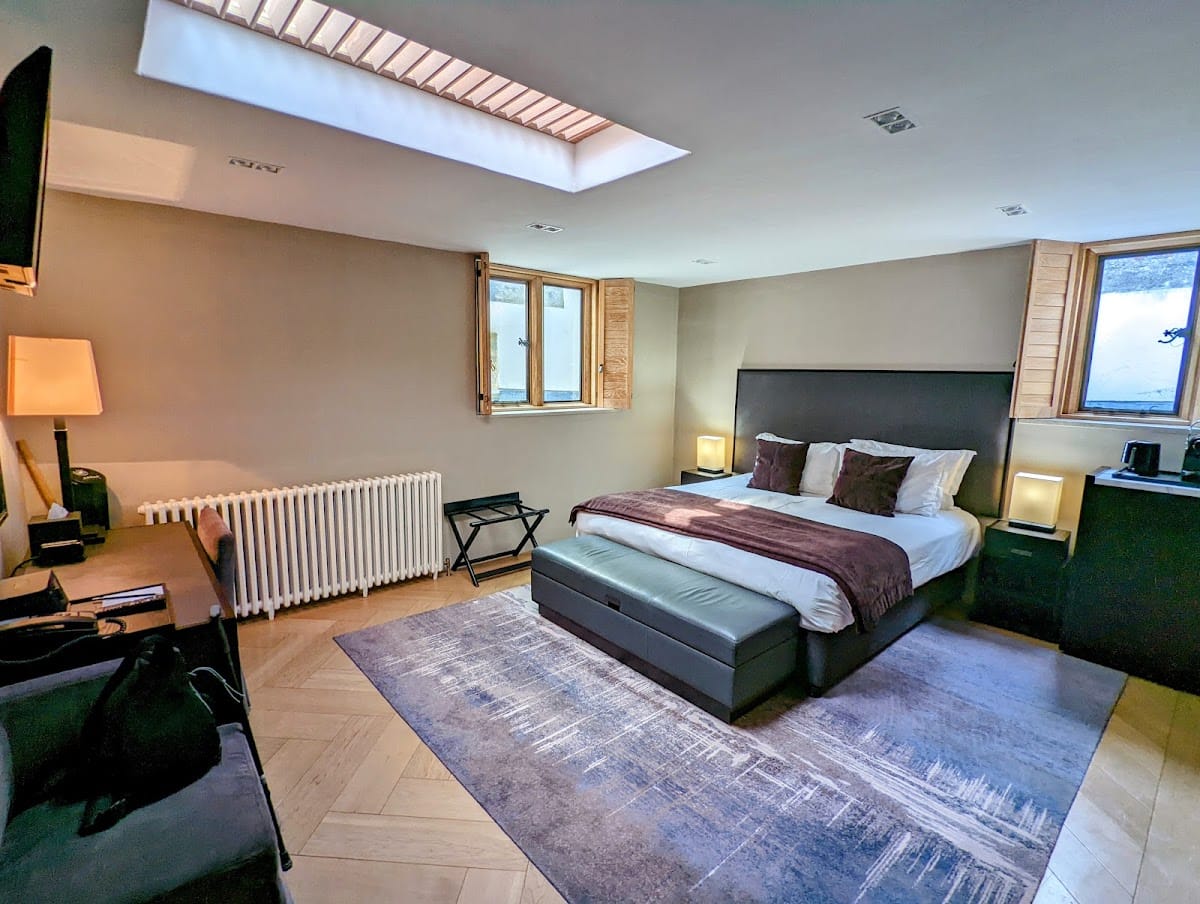
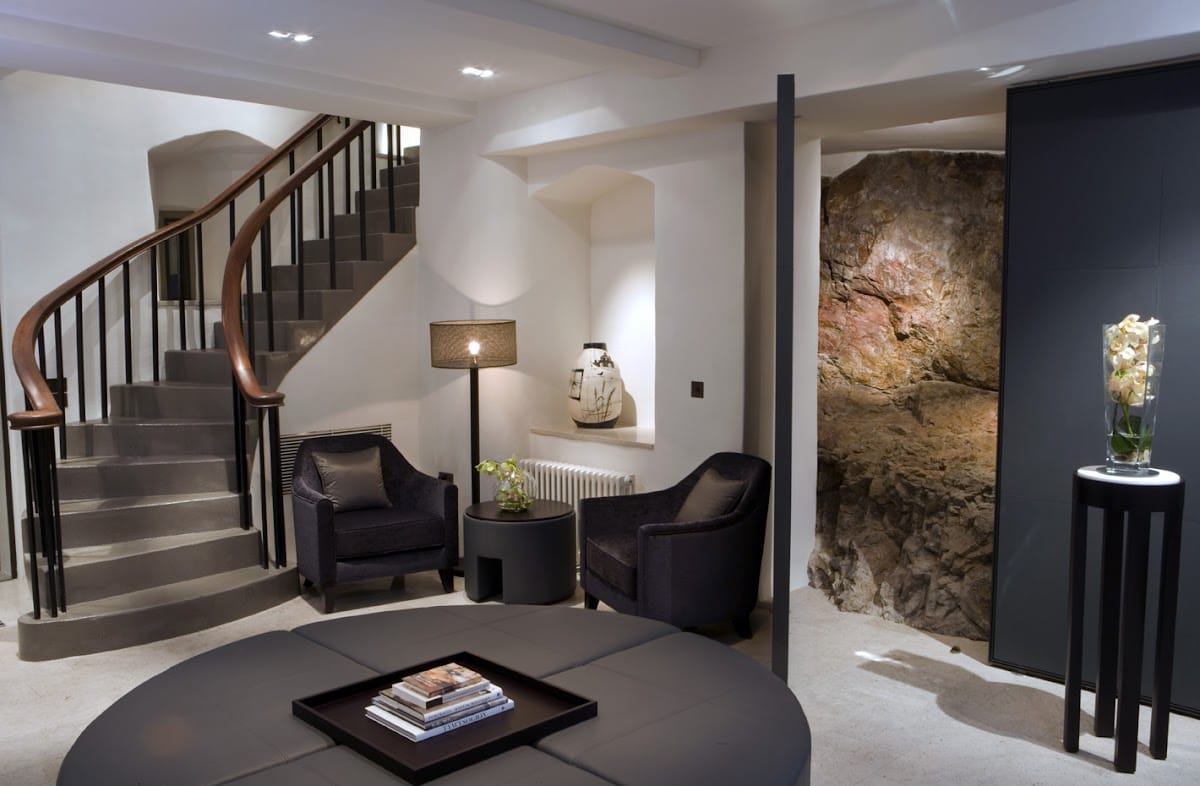
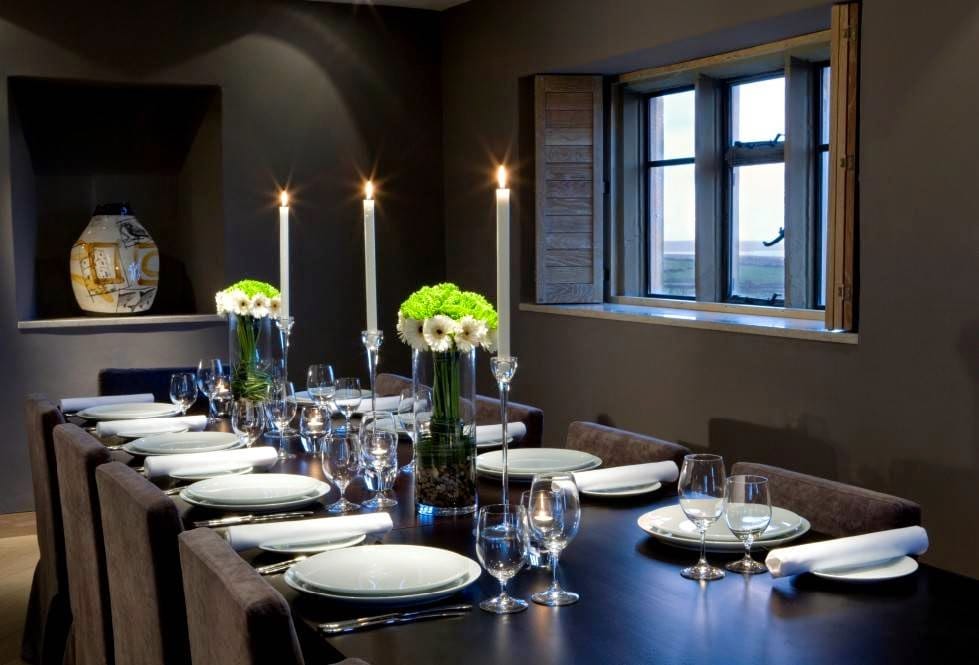
Efforts to revive Roch Castle began around the start of the 20th century. John Philipps, 1st Viscount St Davids, initiated restoration work by stabilizing the castle ruins with modern building techniques such as a steel framework and concrete flooring, interventions carried out between 1900 and approximately 1920. Over the following decades, the castle remained preserved but not fully restored until 2008, when new ownership undertook extensive renovations, completing its transformation into a hotel by 2013. This modern restoration was planned collaboratively by the owner and architectural firm Acanthus Holden, resulting in a revitalized building recognized by multiple awards.
Remains
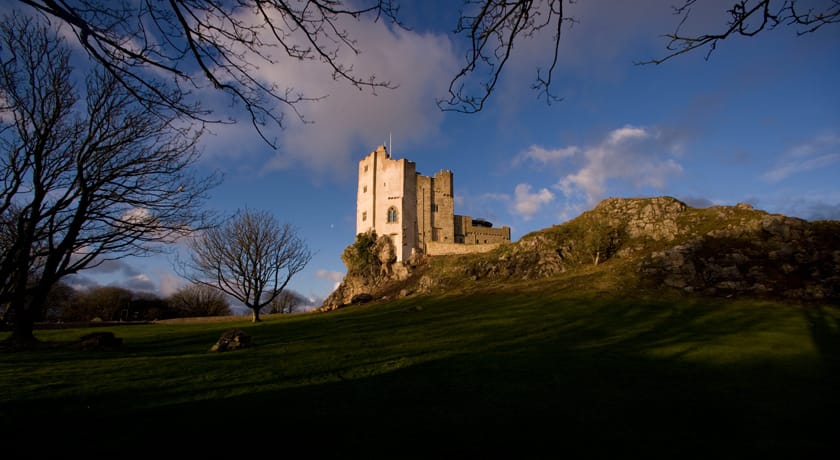
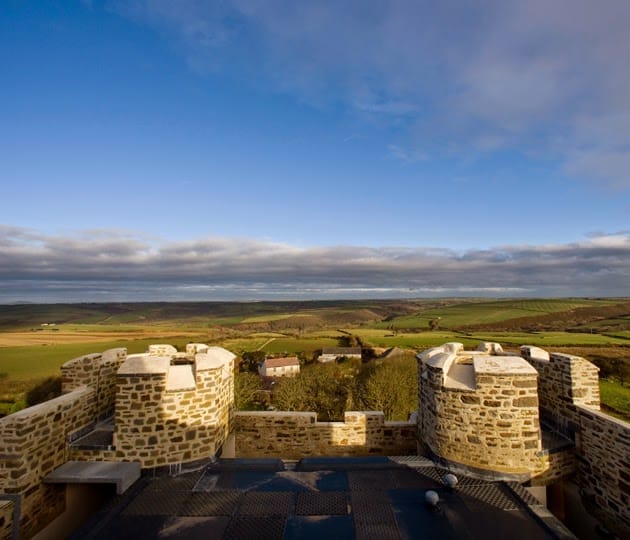
Roch Castle stands on rocky terrain some 112 meters above sea level near the southwestern coast of Wales, set within a landscape of grasslands close to the sea. Its original construction was typical of Norman military architecture of the early 13th century, featuring a stone defensive structure designed to assert control over the borderlands. The castle’s name derives from the French word “roche,” meaning rock, reflecting its siting on a rocky foundation.
The surviving elements of Roch Castle today include the main defensive portions of the fortress, which have been preserved and reinforced over time. During the early 20th-century restorations, a steel frame was installed internally to support the medieval stone walls, and concrete floors replaced or supplemented original wooden surfaces to provide stability. These interventions have allowed much of the castle’s original stonework to remain visible and structurally sound. Although specific architectural details such as dimensions or internal room layouts are not detailed in the historical record, the castle retains the robust form expected of a fortress built to withstand military conflict.
The surrounding environment retains its pastoral character, with moderately populated grasslands nearby. The castle’s location on a rocky outcrop overlooking the coastal plain ensured commanding views of the surrounding territory, which would have been crucial for defense and surveillance during its active use. The present condition reflects a combination of medieval stone remains and modern conservation measures, preserving Roch Castle as an enduring feature of Pembrokeshire’s historical landscape.
Nearby sites