Hünenberg Castle: A Medieval Fortress in Switzerland
Visitor Information
Google Rating: 4.2
Popularity: Very Low
Official Website: ixhotel.com
Country: Switzerland
Civilization: Medieval European
Site type: Military
Remains: Castle
History
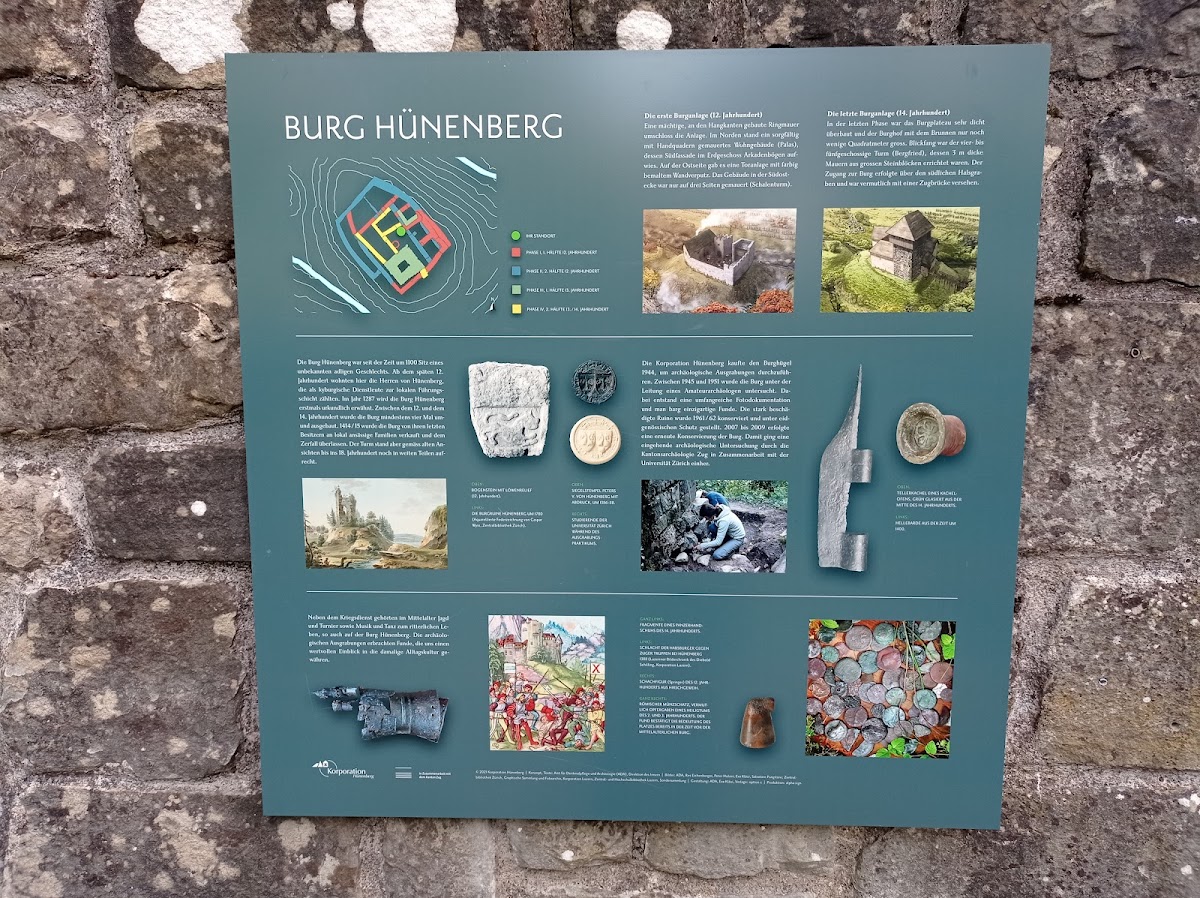
Hünenberg Castle stands in the municipality of Hünenberg in Switzerland and was originally established by the people of medieval Europe. Its earliest known use dates back to around 1100 AD when the site was first settled and fortified with an initial earth and wooden structure, protected by a surrounding stone wall.
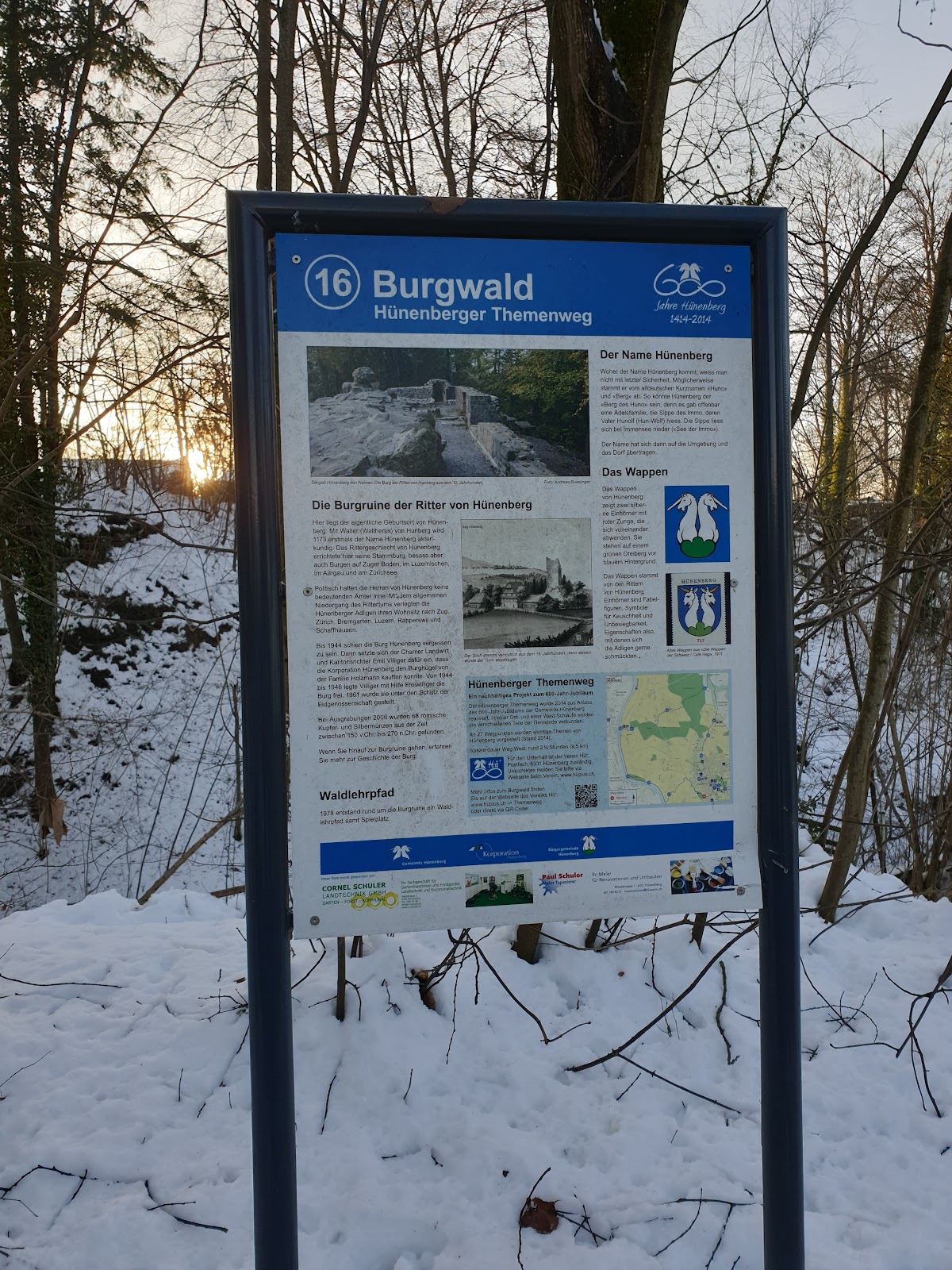
The castle became the ancestral home of the knights of Hünenberg, a noble family first recorded in written sources by 1173. This family controlled several castles in the region, including St. Andreas in Cham, Wildenburg in Baar, and Zug Castle. By the 13th century, the Zug branch of the Hünenberg family was clearly documented, with records from 1239 and 1240 confirming their local prominence.
The original 12th-century fortress suffered destruction from fire, with another damaging blaze occurring around 1200. Following these events, the castle was rebuilt on a grander scale featuring a main tower—called a bergfried—constructed using large stones with very thick walls, alongside a representative residential building known as the palas. This reconstruction marked a significant upgrade from the earlier timber and earth defenses.
During the Battle of Sempach in 1386, the Hünenberg family sided with Habsburg-Austria but faced defeat, which led to the castle’s destruction. In the decades after, as the influence of Further Austria waned, the family lost its power and sold the ruined castle along with its associated rights in 1416 to the Bütler brothers from the nearby village of Hünenberg.
Although the castle fell into ruin, the main tower remained standing until the 19th century. In 1944, local farmer and judge Emil Villiger initiated volunteer excavations to uncover the castle, which were completed by 1945. Recognized for its historical value, the site received federal protection in 1961. Further archaeological work and preservation were conducted between 2005 and 2009, including stabilization of the bergfried after comprehensive studies showed it had undergone minimal restoration during the initial excavations. Radiocarbon dating of mortar from the tower confirmed it was constructed around the mid-13th century.
Additionally, in 2006, a hoard containing 68 Roman copper and silver coins from roughly 150 BC to 250 AD was discovered nearby. This collection, consisting mostly of small coins with only a few silver pieces, is thought to represent offerings to a Roman sanctuary rather than loot or buried treasure, indicating the site’s significance long before the medieval castle was built.
Remains
Hünenberg Castle originally occupied a wooded hilltop positioned between two streams, providing a naturally defended location. The earliest fortifications were made from earth and timber, later replaced by stone constructions following fires in the 12th century and around 1200.
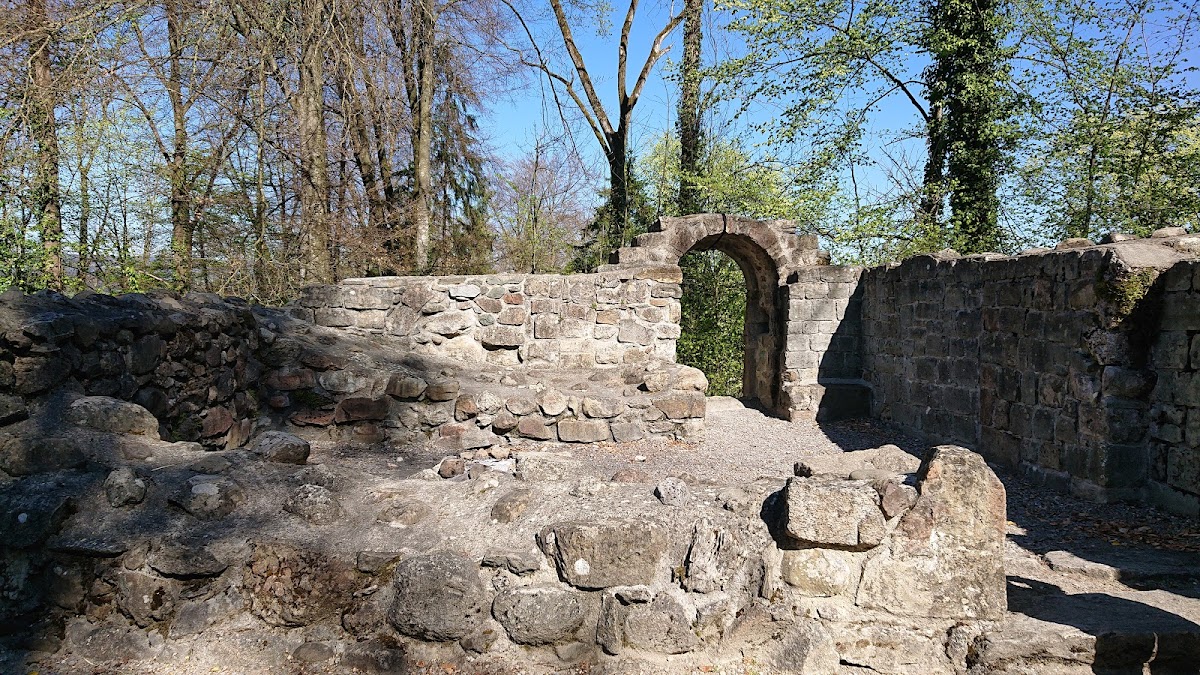
The most prominent surviving feature was the bergfried, a large main tower built with massive stones using megalithic building methods. Its walls measure approximately three meters thick, underscoring its defensive purpose. This tower dominated the site and stood intact until the 1800s. Archaeologists documented its structure extensively before undertaking conservation work in 2007, which ensured the bergfried’s current stabilization.
Accompanying the bergfried was a palas, a residential building constructed during the early 13th-century reconstruction, designed to provide comfortable living quarters for the castle’s noble occupants. While only fragments remain, parts of the palas’ exterior walls have survived.
Among the castle’s remaining architectural details is a window arch that bears a Romanesque-style lion relief, a decorative element that adds artistic interest to the ruins and reflects the medieval taste of the time.
During excavation, archaeologists uncovered a distinctive layer of mortar about one meter above the ground surface with a thin layer of charcoal above it. This sequence was interpreted as marking a phase in the castle’s construction and allowed for radiocarbon dating to establish the bergfried’s mid-13th-century origin.
Nearby the castle, the discovery of the Roman coin hoard suggests the area held religious significance long before the fortress was built. The large group of coins, mostly small denominations, likely served as votive offerings at a Roman shrine, highlighting the site’s long history of human activity.
Together, these remains provide insight into the castle’s evolution from early medieval fortification to a stone stronghold, later abandoned and transformed into an archaeological site of both medieval and ancient importance.
Nearby sites