Château de Saint-Martin de Toques: A Medieval Fortified Castle in France


Site at a Glance
- Rating
- 3.7
- Popularity
- Very Low
- Country
- France
- Primary era
- Medieval
- Eras represented
- Medieval
- Civilizations
- Unclassified
- Site type
- Military
- Remains
- Castle
On this page7 sections
History
Medieval Origins and Strategic Role
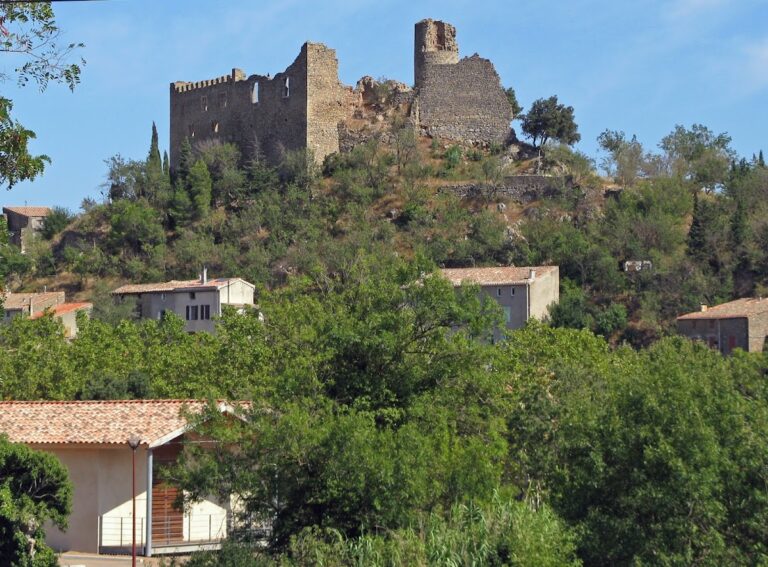
Château de Saint-Martin de Toques is a medieval fortified castle near Bizanet in southern France, built between the twelfth and fourteenth centuries. It occupied a rocky promontory high on a mountain, where its position allowed surveillance of strategic routes connecting the Viscounty of Narbonne with the Corbières region.
The site is associated with an earlier feudal history. Around 1020, Guillelmus Hibrini rendered homage and swore fealty to the Viscount of Narbonne and his wife for the castles of Durban and Saint-Martin de Toques. He probably belonged to the Durban family, which was linked to the house of Narbonne. A viscount was a medieval territorial ruler or administrator below a count, though such figures could exercise substantial authority within their territories.
Later Ownership and Decline
The castle later passed into the possession of the Viscounts of Narbonne. During the sixteenth century, an Italian family took control of the property. At the beginning of the seventeenth century, its military role had ended and the castle was converted into a farm property.
After a long period of disuse, the castle was abandoned and fell into ruin. Private owners restored parts of the buildings, particularly from the 1990s onward, while other sections remained partly ruined. The site is privately owned and has been protected as a French historic monument since 1926. This designation is a legal heritage status for buildings and sites recognized for their historical or architectural value.
Remains
Fortified Complex
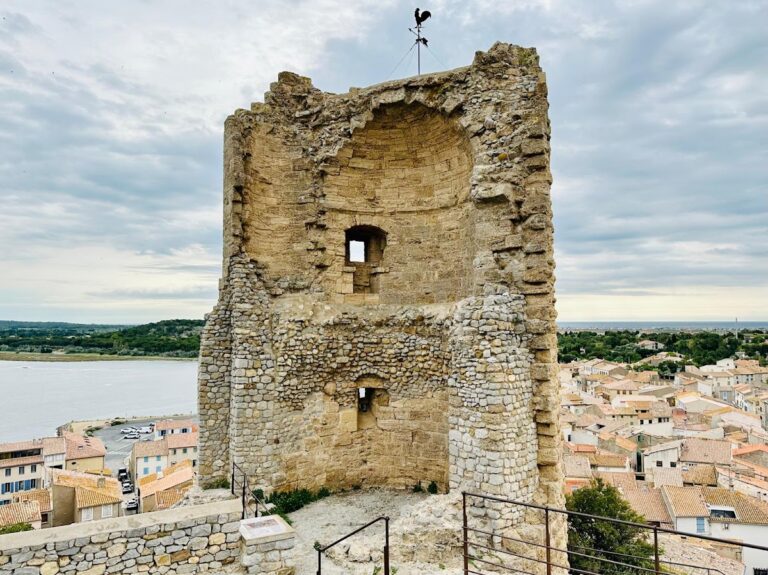
Set on elevated ground overlooking the Corbières, the partly ruined complex retains substantial medieval defensive masonry. The surviving layout includes the northeastern walls and a courtyard, together with other stone elements of the fortifications. Parts of the structure were destroyed over time, while some sections have been restored. The castle is currently uninhabited.
Northeastern Walls and Courtyard
The northeastern walls form one of the principal surviving parts of the enclosure. Their stone construction and the remaining courtyard preserve the character of the medieval fortified complex, although the fabric is incomplete and partly ruined.
Chapel
The enclosure also contains a chapel first mentioned in 1360. Its construction may date from the eleventh or twelfth century, and its arches recall Cistercian architectural forms. Cistercian architecture was associated with a monastic tradition that generally favored restrained, functional design. The chapel remains part of the surviving castle fabric.
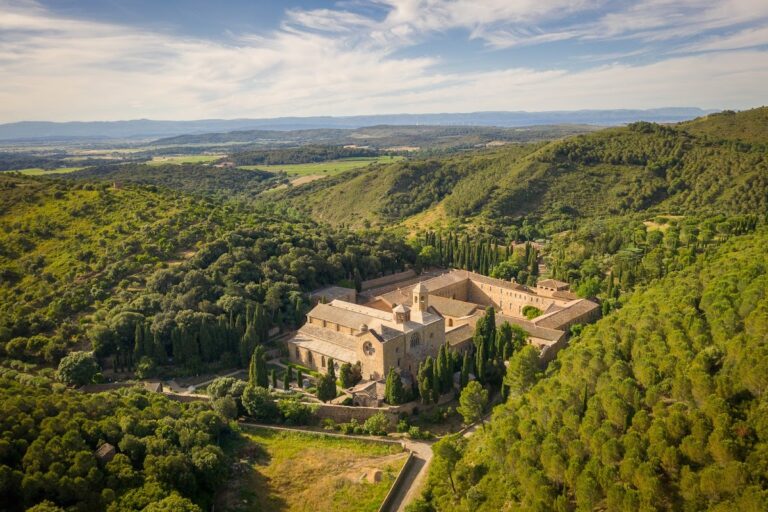
Château de Saint-Martin de Toques stands approximately 2.4 kilometres from Fontfroide Abbey, on the southern side of the commune of Bizanet. Its elevated setting and surviving fortifications preserve the physical evidence of a castle that once watched routes between Narbonne and the Corbières.
Nearby sites