Château de Dobert: A Historic Estate in Avoise, France
Visitor Information
Google Rating: 4.5
Popularity: Very Low
Official Website: www.vallee-de-la-sarthe.com
Country: France
Civilization: Early Modern, Medieval European
Site type: Domestic
Remains: Palace
History
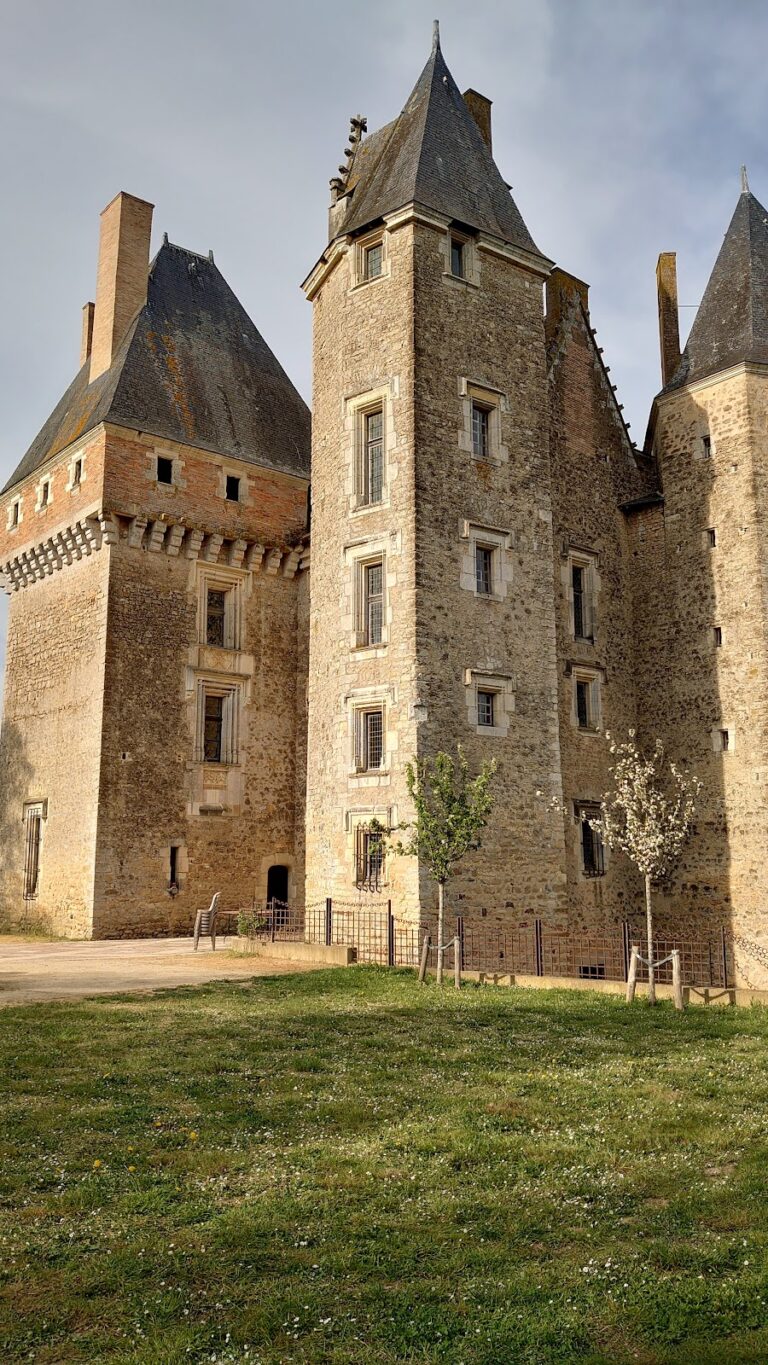
The Château de Dobert is located in the commune of Avoise, France. This estate reflects a long history stretching back to the 15th century, when it originated as a manor house built by local inhabitants of that time.
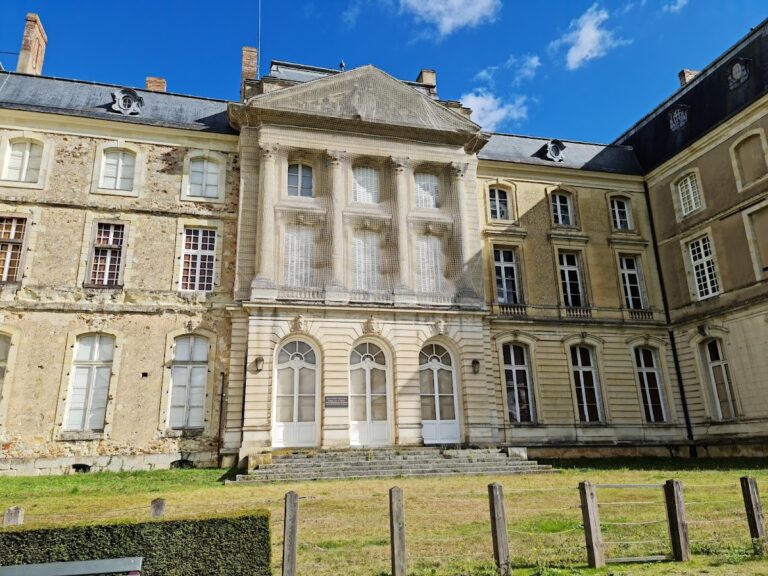
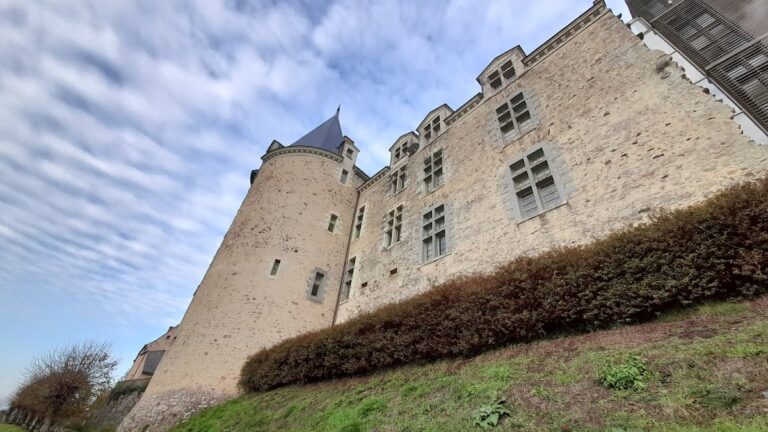
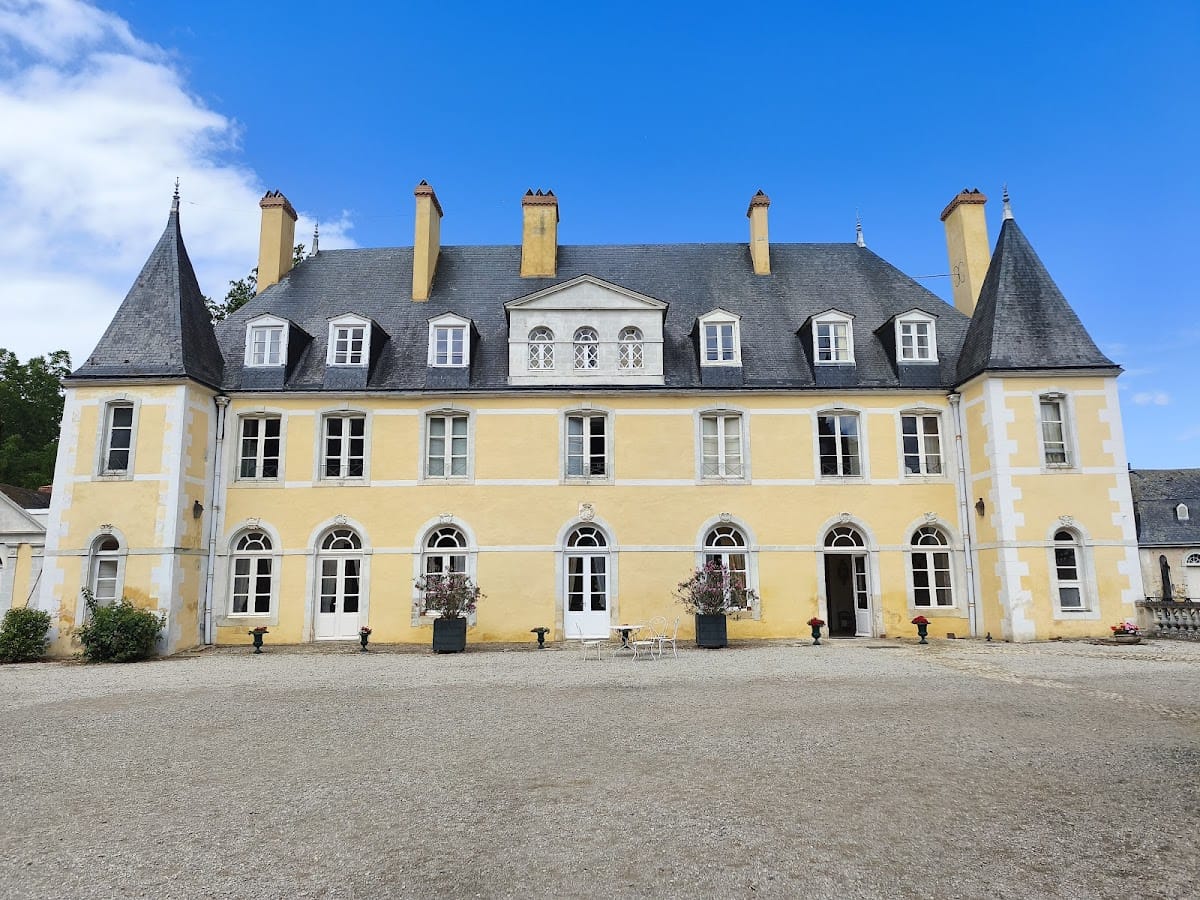
During the 15th century, the initial construction took shape as a manor positioned strategically within a bend of the Vègre river. This early form established the site as a rural residence connected closely with the surrounding landscape. Several centuries later, in the middle of the 18th century, the manor underwent substantial enlargement. At this time, the Château was redesigned in the classical architectural style popular during the period, which gave the main building much of the appearance it retains today.
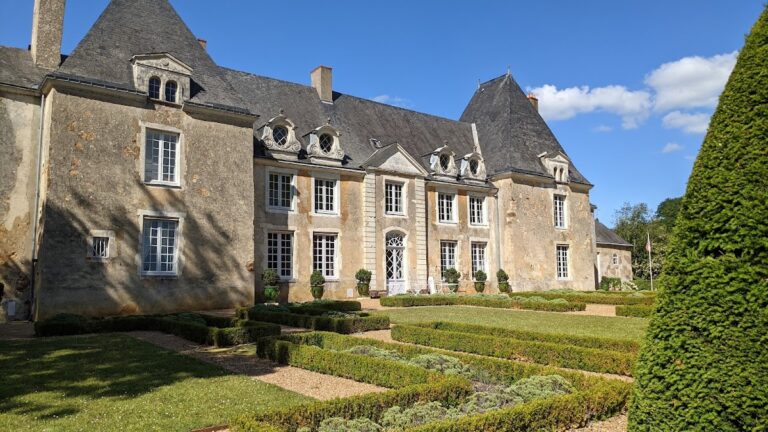
Following the upheavals of the French Revolution at the close of the 18th century, the château saw further development. Restoration work was carried out, and two long wings of outbuildings—referred to as dépendances—were added. These structures expanded the estate’s functional space and shaped its more extended configuration. The château remained an important landmark through these transformations.
In the modern era, on December 28, 2019, one of the outbuildings suffered a significant fire that destroyed its roof completely. Fortunately, this event caused no injuries. Recognizing its heritage value, parts of the château, along with its surrounding features, were placed under legal protection as historic monuments beginning in July 1989. This status helps safeguard its architectural and cultural legacy.
Remains
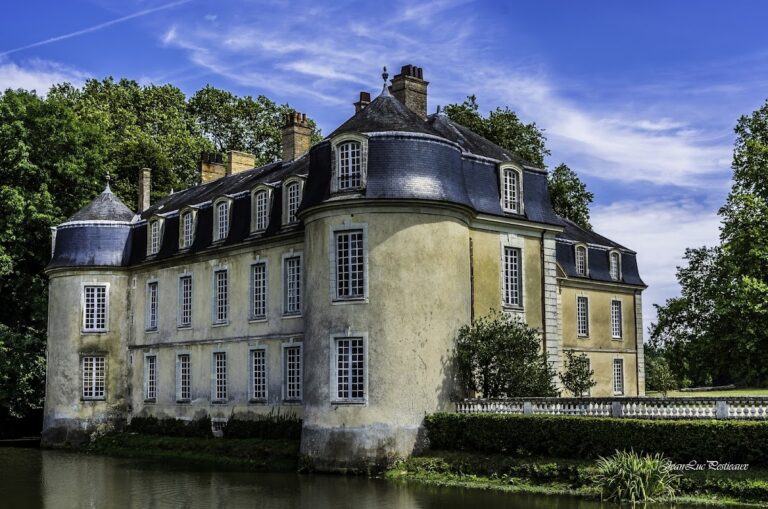
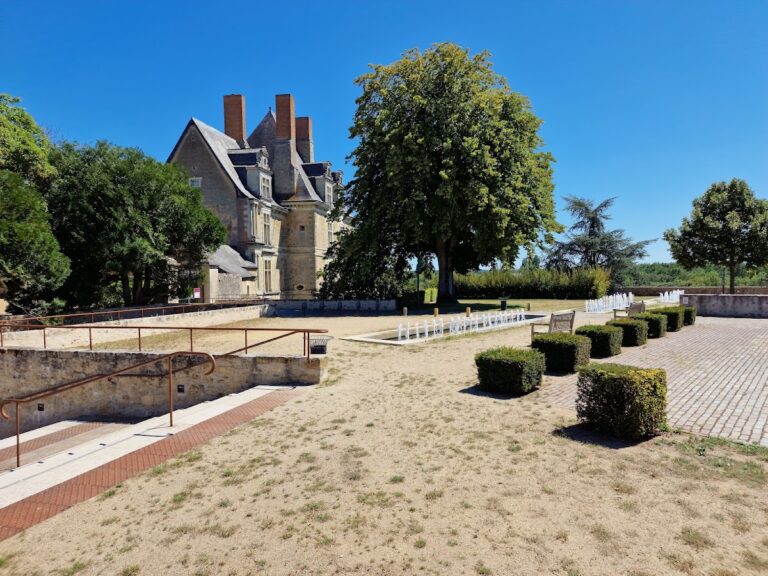
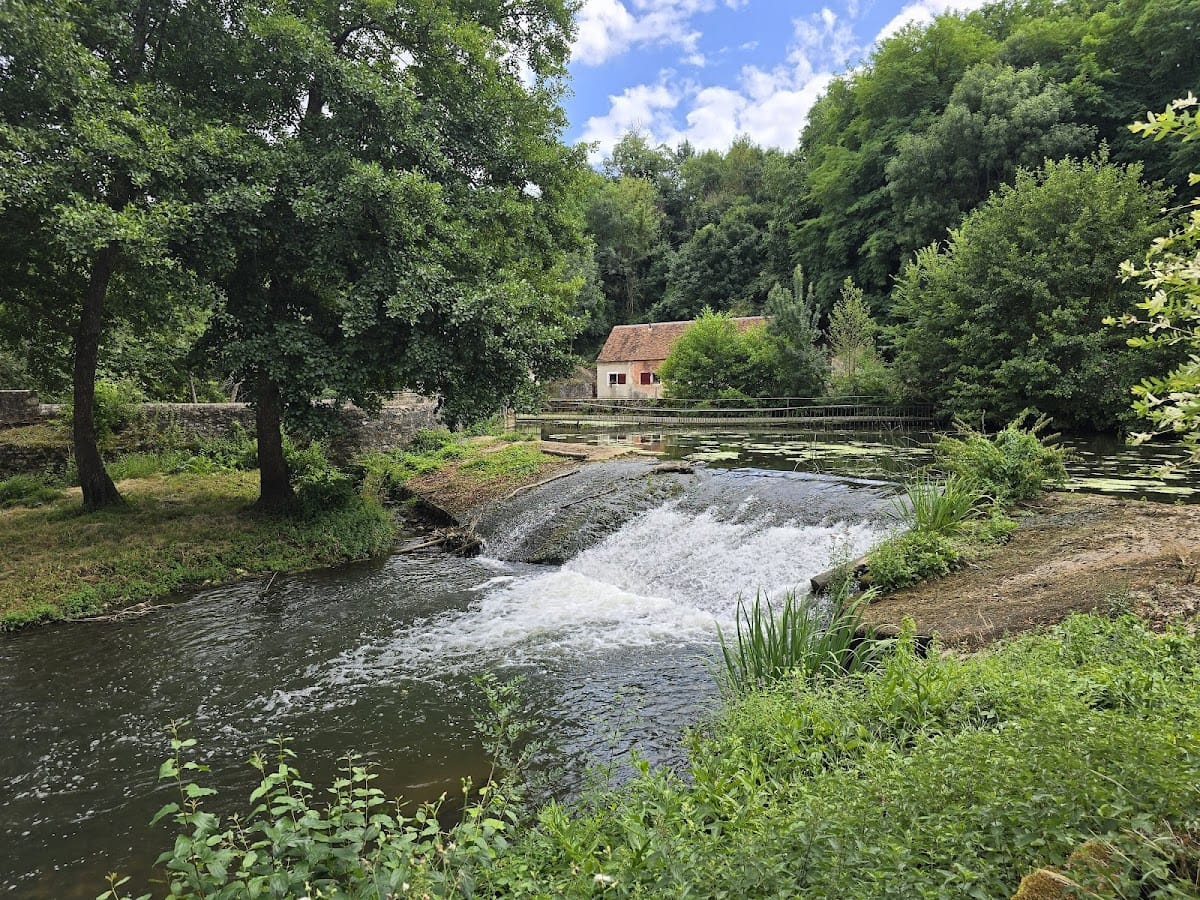
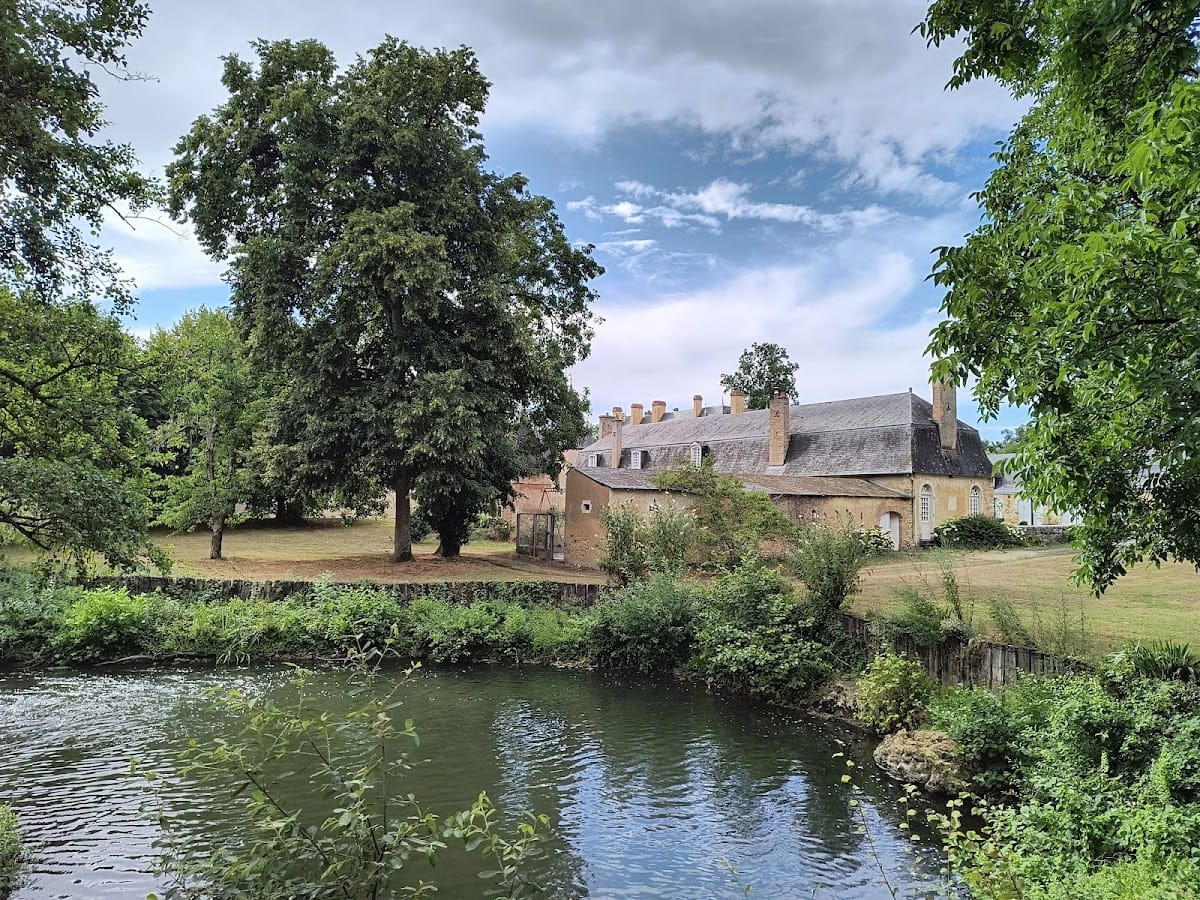
The Château de Dobert occupies a picturesque riverside site along the Vègre, with its arrangement organized around a courtyard framed by the river’s meander. The main building, shaped by the 18th-century classical redesign, exhibits balanced proportions and refined details, including an elegant entrance portal that highlights its period style.
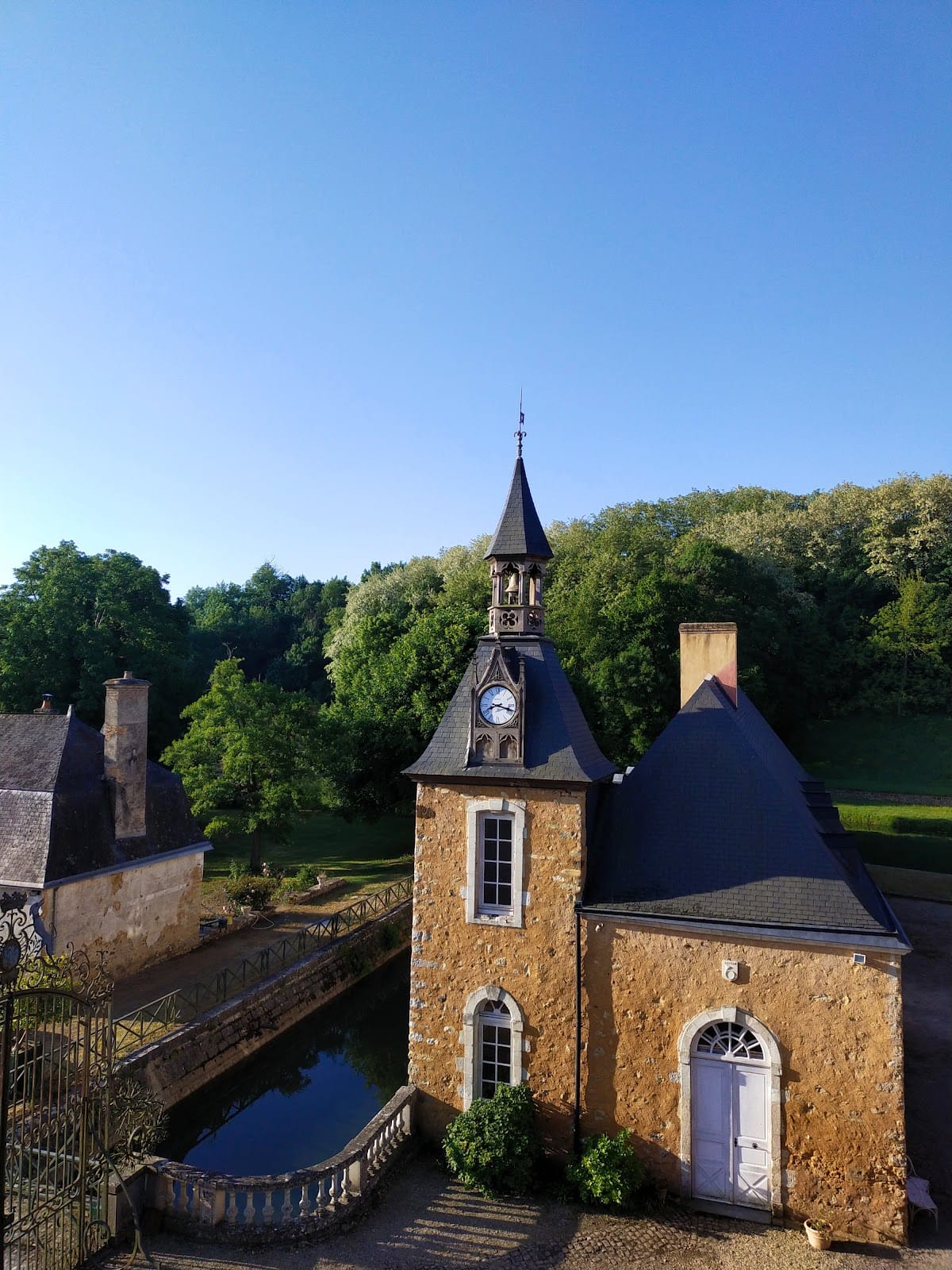
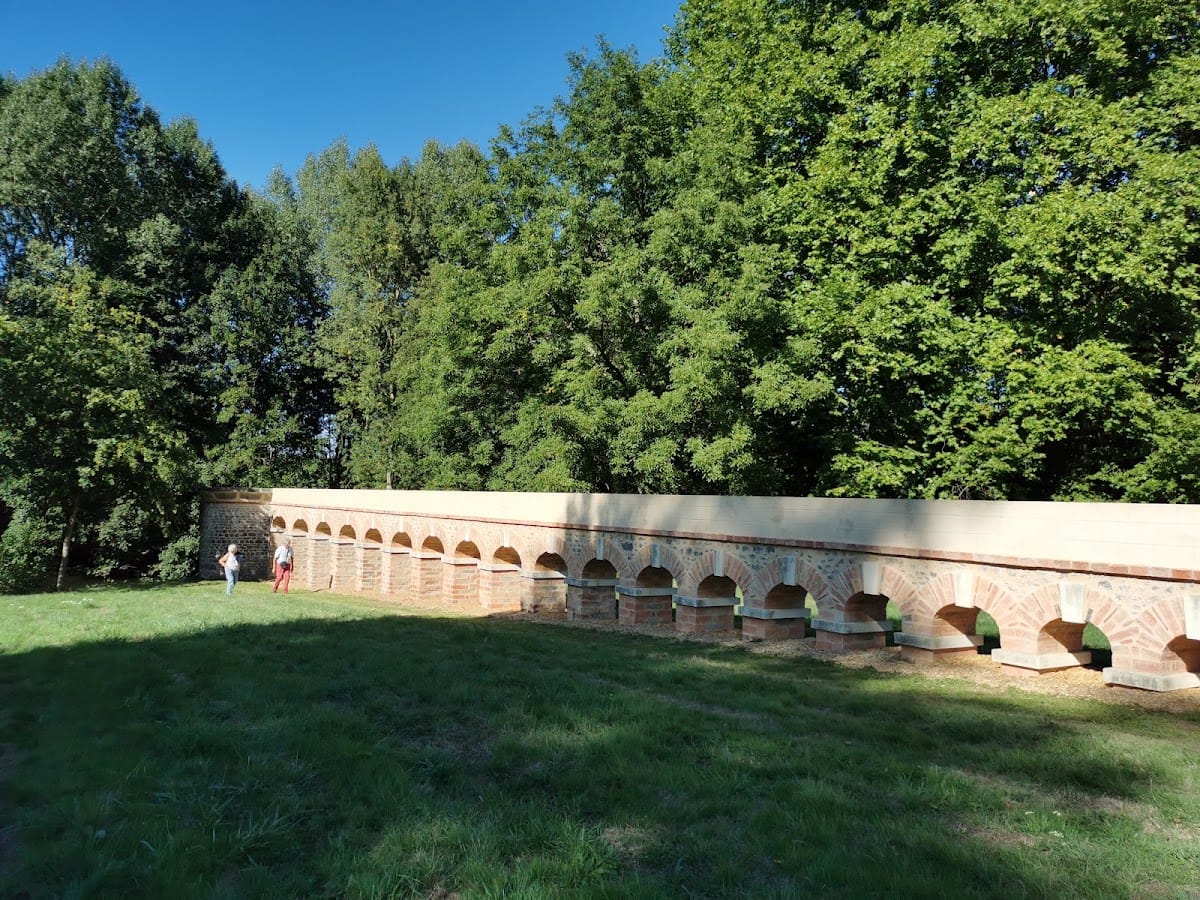
Surrounding the château, a series of historic features contribute to the estate’s character. Defensive moats, or douves, encircle parts of the property, emphasizing the site’s former status as a manor requiring protection. An aqueduct equipped with an irrigation system demonstrates advanced water management linked to the estate’s agricultural and landscaping needs. Approaching from the east, a tree-lined avenue leads directly to the château, creating an intentional and formal approach that complements the residence’s grandeur. All of these elements—the moats, aqueduct, irrigation, and the tree-lined drive—are recognized under the historic monument designation for their heritage importance.
The two long outbuildings added after the Revolution extend from the main château, forming a coherent and functional extension of the estate layout. These dependences were meant to support the château’s operations and have façades and roofs that have been preserved, testifying to their historical care and importance. Despite the 2019 fire that damaged the roof of one outbuilding, the overall complex retains much of its historic character, with key architectural features maintained in situ. This ensemble offers a well-documented example of evolving estate architecture influenced by shifts in style, function, and ownership over centuries.
Nearby sites