Ancient Religious Sites: Explore Temples, Sanctuaries and Cult Rooms
Explore more than 100 ancient religious sites, including temples, sanctuaries, Mithraic cult rooms, rock-cut sacred spaces and ziggurats. The collection follows ancient polytheistic traditions through Egyptian, Hittite, Mesopotamian, Greek, Roman and other sacred buildings. Surviving chambers, colonnades, terraces and carved rock faces show both large public precincts and smaller enclosed places of worship.
Primary Function: All
Type: All
Civilization: All
Country: All
Popularity: All
Rating: All
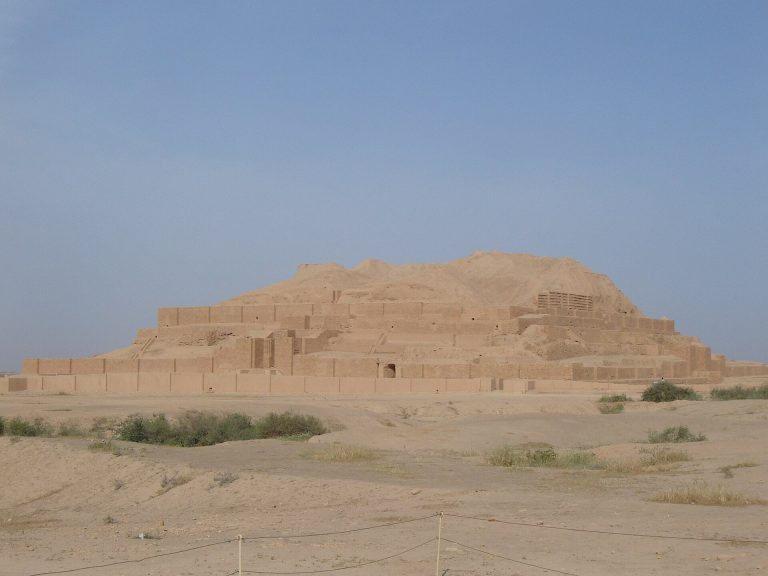
Chogha Zanbil is an ancient Elamite religious complex founded in the fourteenth or thirteenth century BC near Susa. Its central ziggurat, temples,…
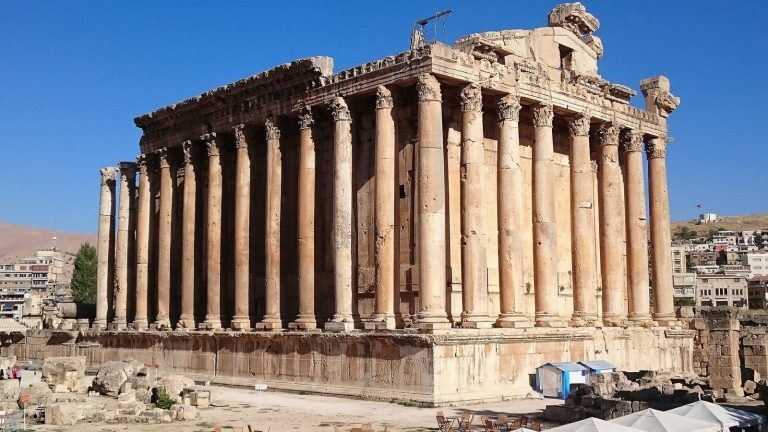
Baalbek Roman Ruins preserve a long-inhabited sanctuary shaped by Canaanite, Phoenician, Greek, Roman, Christian, Islamic, and medieval traditions.…
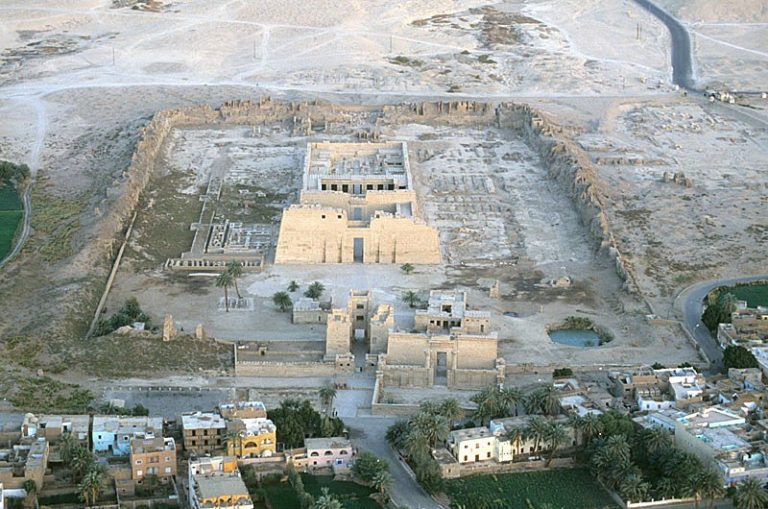
Medinet Habu on the west bank of the Nile preserves the mortuary temple of Ramesses III, earlier Amun sanctuaries, royal and administrative…
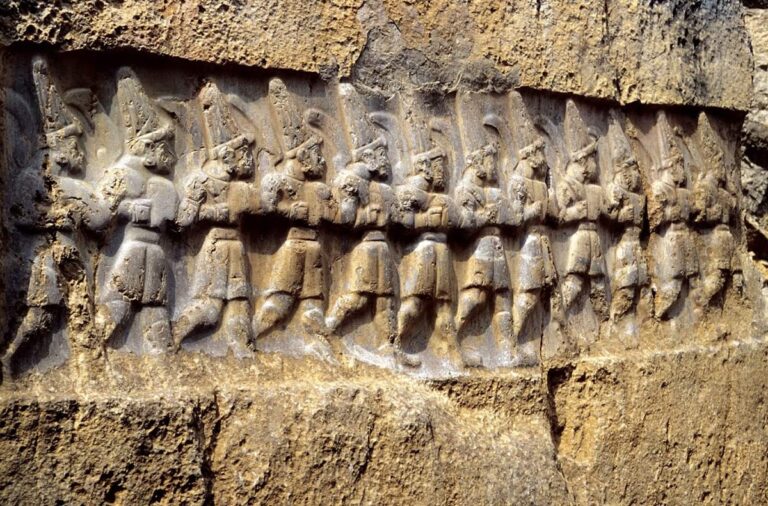
Yazılıkaya is a Hittite rock sanctuary near Hattusa in Türkiye, known for its thirteenth-century BCE reliefs of gods, kings, and mythological beings…
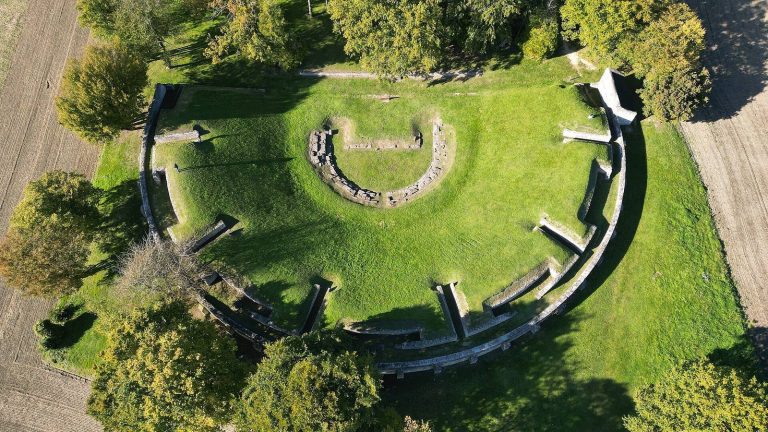
Champlieu developed from a Late Iron Age settlement into a Roman religious and civic complex, with a temple, theatre and baths. Its buried remains…
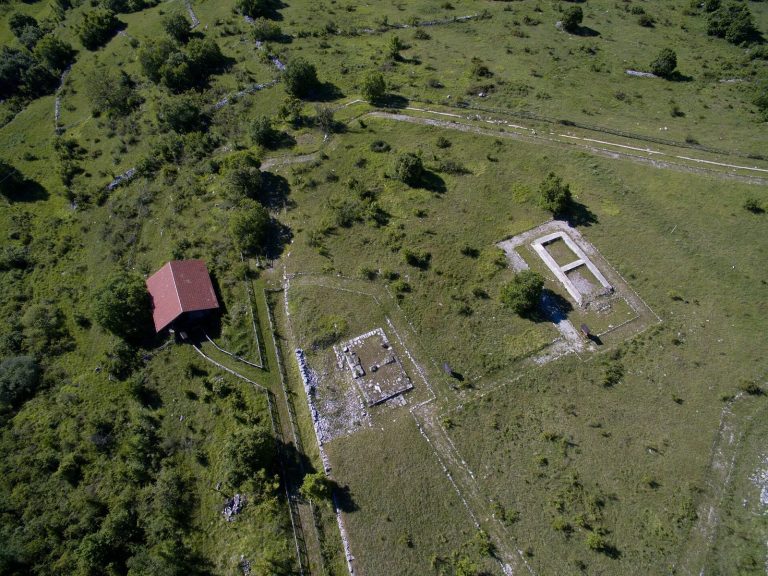
Ocriticum was an Italic and Roman settlement in the territory of Sulmona, centered on a sanctuary active from at least the fourth century BC to the…
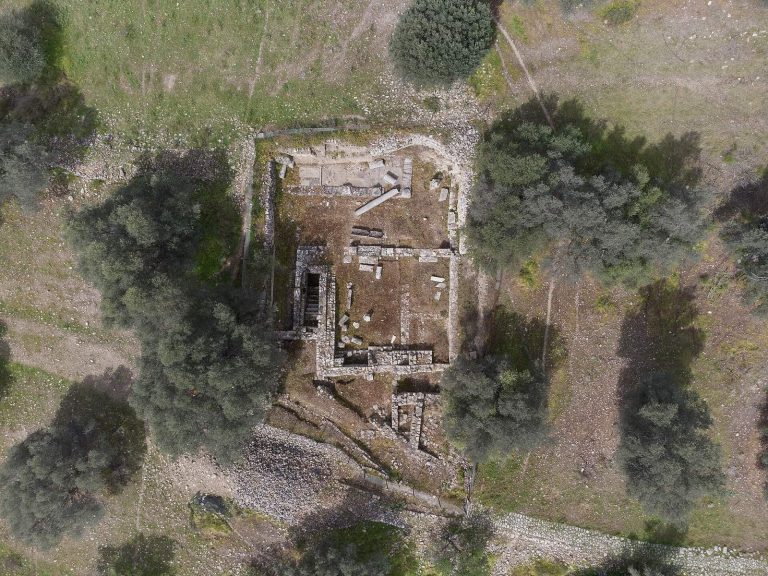
Founded for a Ptolemaic garrison in the second century BC, the sanctuary at Gortyn preserves evidence of Egyptian worship, Roman-period rebuilding,…
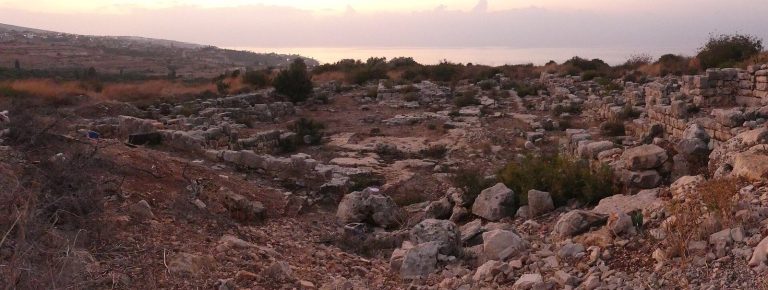
Near Naqoura, Umm al-Amad preserves two temple complexes and evidence of a Phoenician religious center active chiefly during the Hellenistic period.
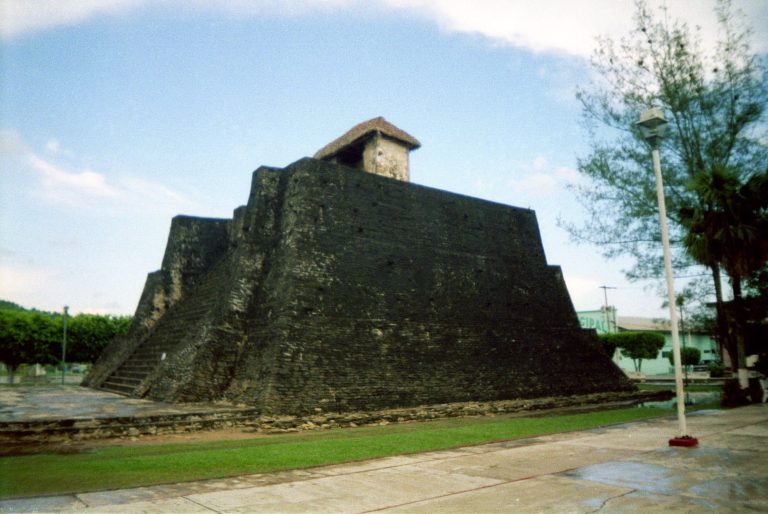
Castillo de Teayo is a pre-Hispanic archaeological site in northern Veracruz, centered on a large pyramid associated with Huastec, Mexica, and Toltec…
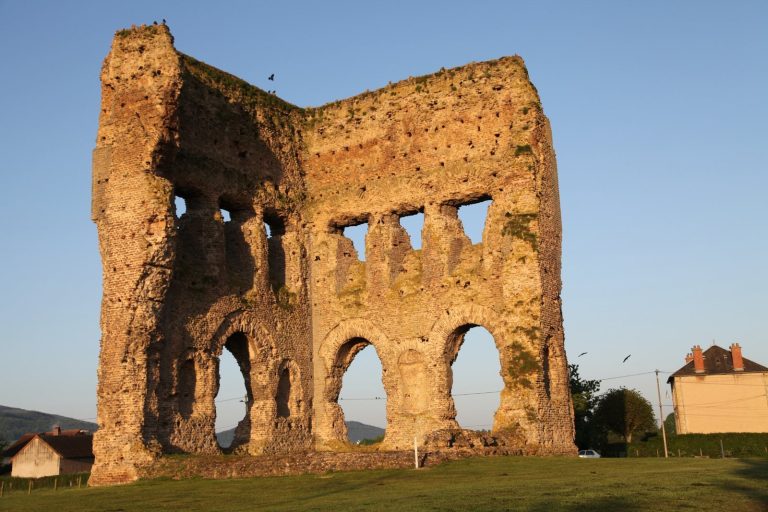
The Temple of Janus at La Genetoye formed part of a major peri-urban sanctuary outside Roman Autun. Its tall stone cella, later medieval reuse, and…
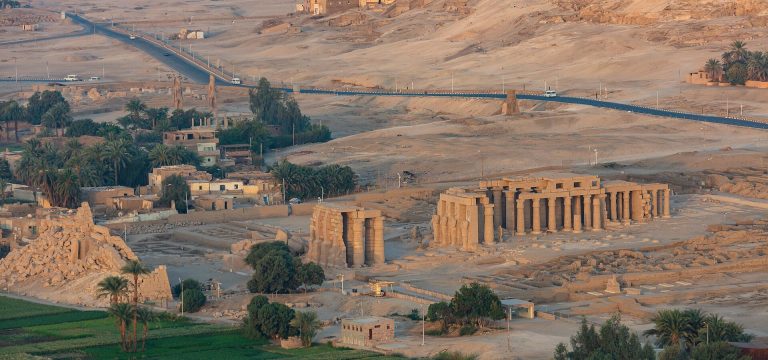
The Ramesseum was Ramesses II’s New Kingdom mortuary temple at Thebes, serving as a royal cult, administrative, economic, and scribal centre. Its…
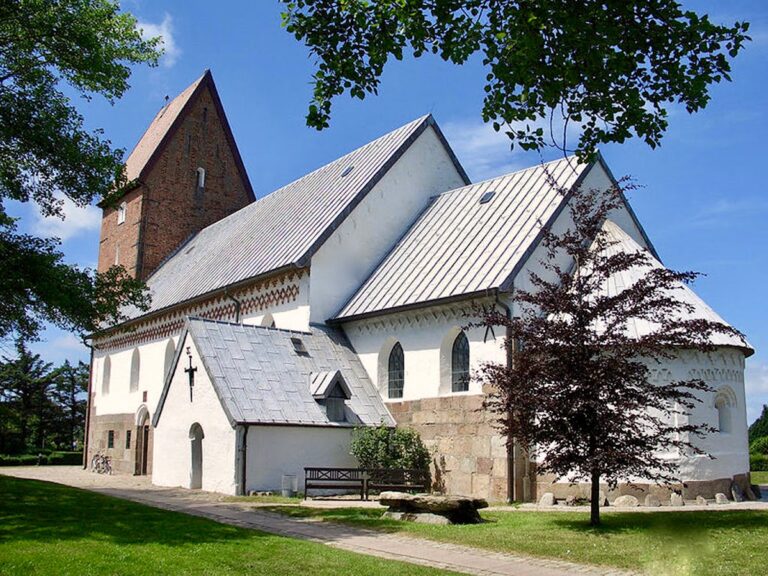
St. Severin in Keitum is a Romanesque Evangelical Lutheran church whose roof structure dates to 1216. Its medieval tower, carved altarpiece, historic…
For details on how to use the maps, which sites are included, how popularity and ratings are determined, and how sites are classified, see the help page.
On this page7 sections
Temple chambers, crypts and sacred stores
The Temple of Hathor at Dendera in Egypt preserves much more than its exterior walls. Beneath the main building, narrow crypts contain carved scenes and images of objects associated with the temple’s rituals. These chambers were used to store sacred vessels and divine images, connecting enclosed service spaces with the ceremonies carried out above.
The wider precinct includes a sacred lake, birth houses and a shrine where a divine barque could rest during festivals. Although worship at Dendera began much earlier, much of the standing temple belongs to the Ptolemaic and Roman periods. Its religious architecture follows Egyptian forms under those later rulers.
Temples and gathering spaces within sanctuaries
At Letoon in southwestern Turkey, three temples dedicated to Leto, Artemis and Apollo stand side by side within a shared sanctuary. Their foundations and column remains establish separate sacred buildings rather than one undivided hall. Part of Leto’s temple has been re-erected using excavated stonework, making its colonnade and inner room easier to read.
Pietrabbondante in Italy places a Samnite temple and theatre on the same axis. The temple podium rises behind the seating area, while terraces and retaining walls accommodate the steep mountainside. The lower seats have individually carved backs and arms, giving the assembly space a particularly clear surviving form. Religious ceremonies and public gatherings were brought together in the layout of the complex.
Roman temples and later religious reuse
The Temple of Augustus and Livia in Vienne, France, retains a tall colonnade on a raised podium. Six columns face the approach, with further columns along the sides and a solid rear wall. Corinthian capitals and the entablature preserve the architectural framing of a Roman imperial-cult temple within the modern town.
Its long reuse as a church helped the building survive, although later alterations changed the spaces between the columns. Nineteenth-century restoration reconstructed the staircase and inner chamber and removed later additions. The present form combines ancient structural elements with that restoration of the temple’s outline.
Mithraea and cave worship rooms
The Duino Mithraeum, near Trieste in Italy, occupies a natural cave adapted for the Roman cult of Mithras. Benches and an altar establish a compact ritual room within the rock, with daylight entering through the cave mouth. The setting differs from the purpose-built underground chambers used by many other Mithraic communities.
Lamps, small vessels, coins and votive altars recovered from the cave support its identification as a cult space. Its confined interior gives the collection an example of worship organised around a small gathering, alongside the large public sanctuaries and temple courts.
Rock sanctuaries and carved deities
At Yazılıkaya, near the Hittite capital of Hattusa in Turkey, processions of deities are carved into the walls of natural limestone chambers. The larger open-air chamber narrows towards the principal reliefs, while a passage leads to a second, more enclosed space. Foundations in front of the rock chambers mark buildings that once controlled access to the sanctuary.
Ziggurats and raised temple platforms
The Ziggurat of Ur in Iraq raises sacred space above the surrounding city on a massive brick platform. Its mud-brick core was protected by fired-brick facing, with bitumen used in the construction. The surviving lower mass belongs to a monument dedicated to the moon god Nanna. The upper shrine has disappeared, and parts of the façade and access stairways are modern reconstructions, clearly distinct from a complete surviving temple building.
Explore the collection
Explore sites on the map or in the grid. Map icons indicate each site’s primary function, helping you identify different kinds of places at a glance. Narrow the results by country, site type, civilization or era, with additional filters for popularity and rating. Select a map marker to view the site’s details and open its article, or open the article from its grid entry.