Portuguese Historic Sites: Explore Castles, Palaces and Coastal Forts
Explore more than 300 Portuguese historic sites, including walled towns, royal palaces, cathedrals and coastal fortifications. Most currently lie in Portugal, with additional sites in Spain, Morocco, Oman, Bahrain and Iran. The collection follows buildings associated with Portuguese history across modern borders, from medieval royal strongholds to the fortifications of maritime expansion.
The examples below introduce that range through their surviving layouts. A town castle defended a populated enclosure; a palace required rooms for government and court life; a harbour fort placed walls and gun platforms around a landing place. Later alterations are part of many of these sites, particularly where another power continued to use the same strategic position.
Primary Function: All
Type: All
Country: All
Popularity: All
Rating: All
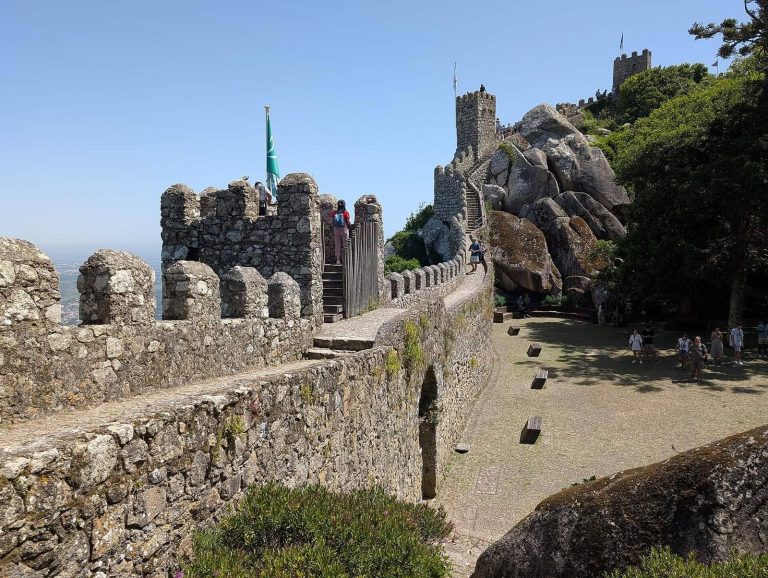
The Castle of the Moors is an 8th- or 9th-century hilltop fortress built during Muslim rule in Iberia. Its walls, towers, cistern, storage…
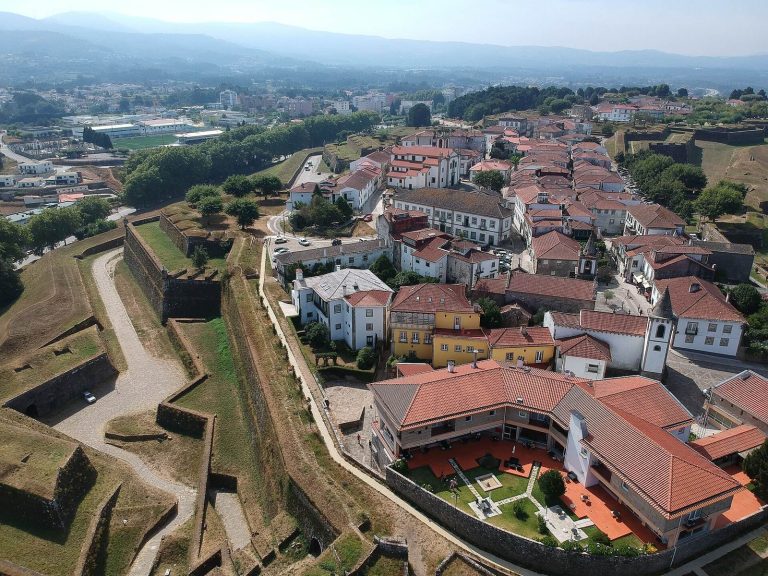
The Fortifications of Valença do Minho developed from a medieval frontier defense into a large fortified town shaped by seventeenth-century…
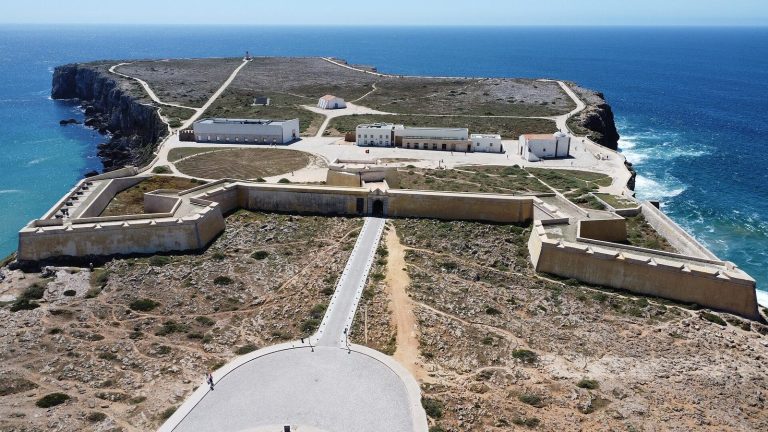
Fortaleza de Sagres is a Portuguese coastal fortress shaped by maritime defense, the legacy of Henry the Navigator, earthquake reconstruction, and…
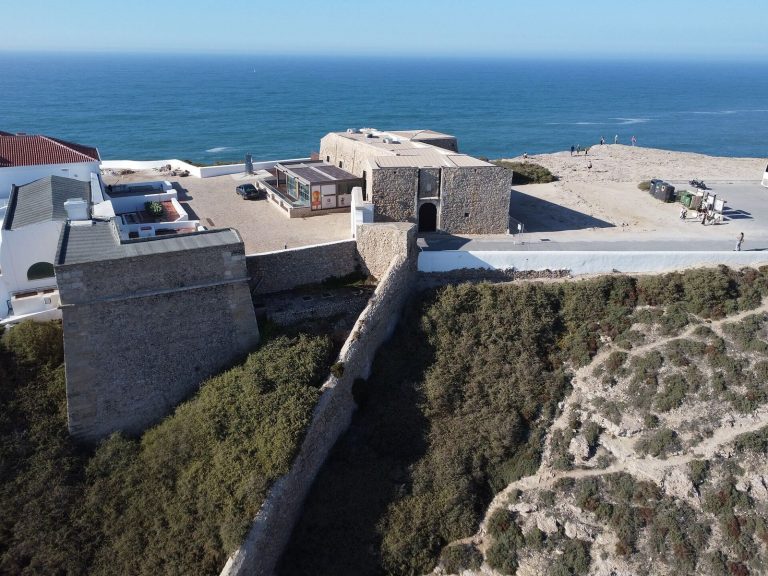
Fortaleza de São Vicente at Cape São Vicente developed from a prehistoric and sacred landscape into a Christian pilgrimage center, monastery,…
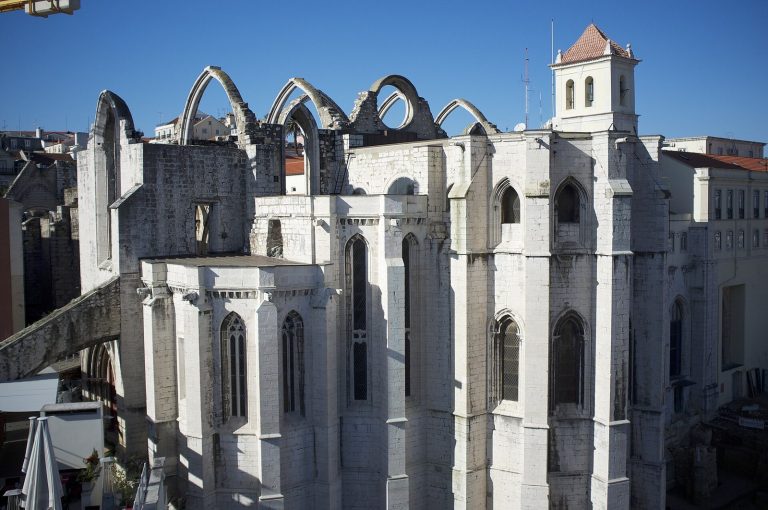
Founded in 1389 by Nuno Álvares Pereira, Carmo Convent became a major Carmelite foundation before the 1755 earthquake destroyed much of its complex.…
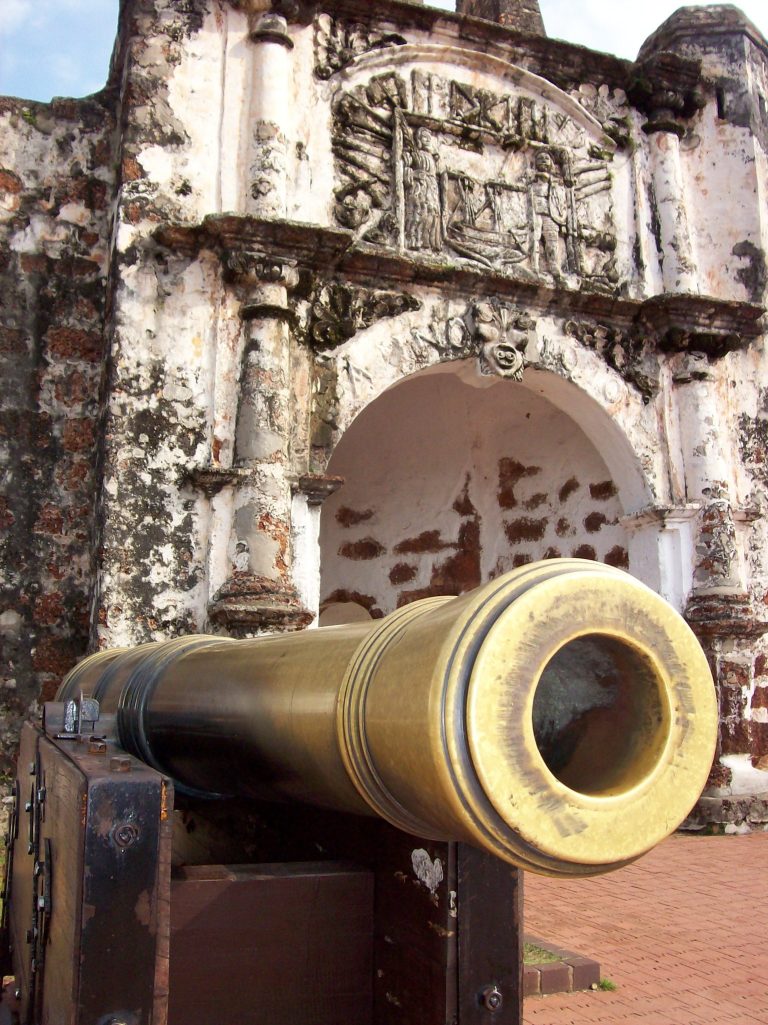
A Famosa was a Portuguese fortress established at Malacca after the conquest of 1511. Expanded by the Portuguese and altered by the Dutch, it…
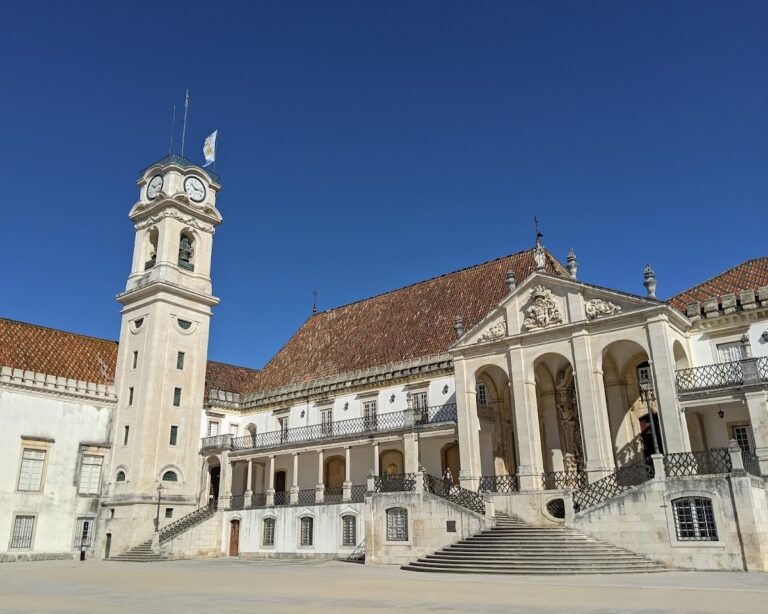
Paços da Universidade, also known as Paços das Escolas, developed from Coimbra’s medieval royal palace into the historic core of the University of…
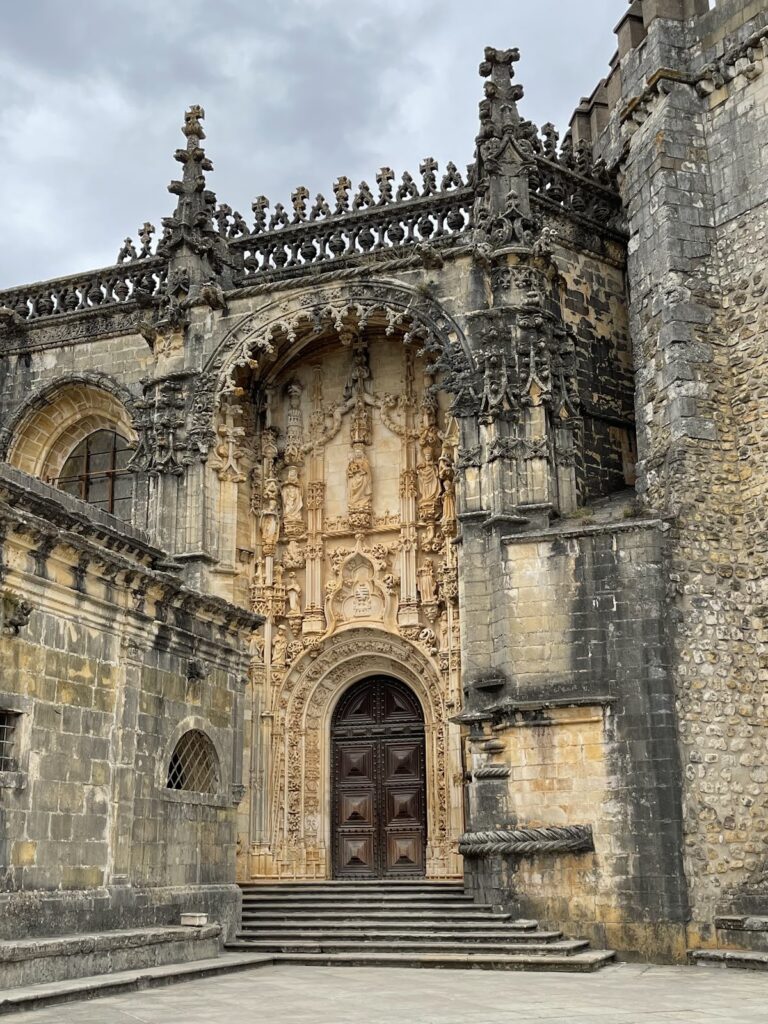
The Convent of Christ in Tomar developed from a twelfth-century Templar stronghold into a major complex of churches, cloisters, residences, and…

The Roman Temple of Évora preserves part of the ancient forum of Liberalitas Iulia Ebora. Begun in the first century AD and dedicated to Augustus, it…
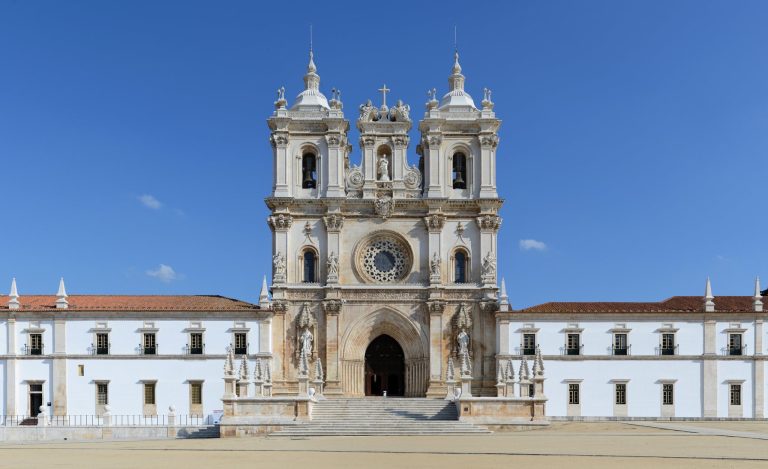
Alcobaça Monastery was founded in 1153 by Portugal’s first king and became a powerful Cistercian centre of worship, administration, agriculture,…
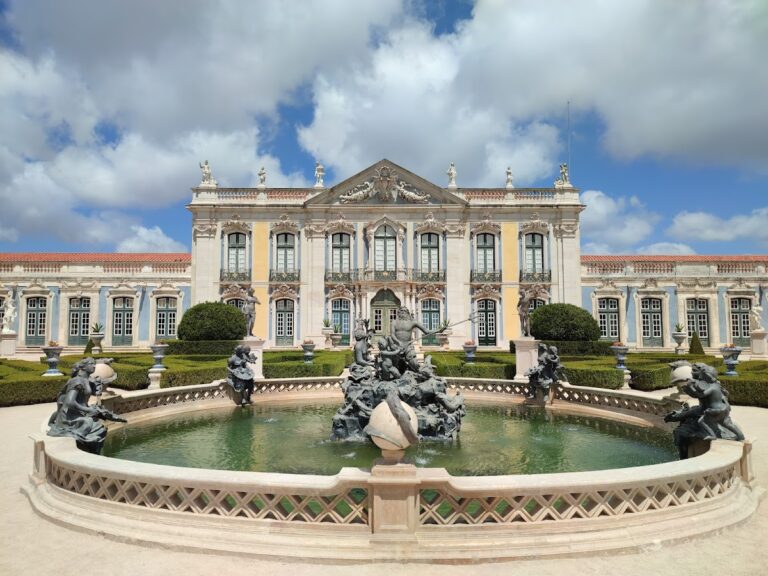
The Palace of Queluz is an eighteenth-century royal palace in Portugal, developed from a Crown estate into a summer retreat and later a royal…
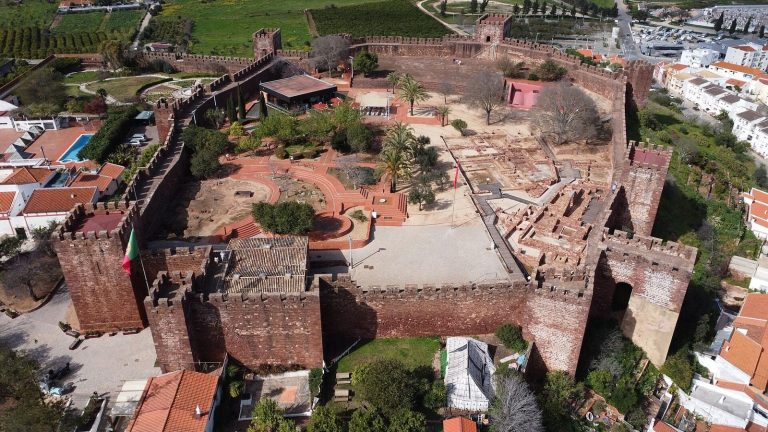
Castle of Silves preserves the layered history of an important Algarve stronghold, from Islamic rule and taifa capital to Christian conquest, later…
For details on how to use the maps, which sites are included, how popularity and ratings are determined, and how sites are classified, see the help page.
On this page6 sections
Óbidos: castle and enclosed town
The Castle of Óbidos occupies the northwestern end of the town’s walled enclosure. Its irregular plan follows the available ground, while square and round towers reinforce the wider circuit. The castle and town are connected parts of a defensive landscape, rather than an isolated keep standing apart from everyday settlement.
Battlements and a continuous wall-walk define much of the perimeter. Within the castle, successive Romanesque, Gothic and Manueline work records changes to both defence and residence. Its later adaptation as accommodation belongs to a further stage in that history. The principal distinction remains visible in the plan: a concentrated stronghold adjoining a much larger inhabited enclosure.
Court rooms and courtyards at Sintra
Sintra National Palace brings together courts, royal rooms, service spaces and a chapel. Much of its present character dates from fifteenth- and early-sixteenth-century campaigns. Entrance arches and paired windows open onto a building whose connected wings developed around internal courtyards.
The royal chapel contains geometric timber latticework and a tiled floor, while rooms for state business occupied the same complex as kitchens and private accommodation. Tiles and water features also appear in the courts. These different spaces reveal a residence organised for the activities of a working court. Restoration after the 1755 earthquake and subsequent interventions form part of the palace seen today.
Porto Cathedral: stone vaults and tiled cloisters
Porto Cathedral has a compact, strongly modelled exterior, with square towers flanking its western front. Its narrow Romanesque nave is covered by a barrel vault, with lower vaulted aisles on either side. Later work introduced a Baroque porch and other changes around the older structure.
The Gothic cloister offers a more enclosed setting beside the church. Its later tile panels added extensive narrative decoration to the medieval architecture. A funerary chapel preserves the tomb of João Gordo, including an effigy and carved reliefs. Nave, cloister and tomb therefore provide different kinds of surviving material within the same cathedral complex.
Belém Tower and the defence of the Tagus
Belém Tower combines a tall rectangular tower with a low projecting bastion. The two parts served different defensive requirements: the bastion extended towards the river, while the tower supplied a compact vertical building above it. Pale limestone gives the whole structure a unified appearance despite that contrast in form.
The tower originally stood on a small island near the northern bank. Changes to the shoreline eventually connected it to the land. Its position at the approach to Lisbon placed the defensive works beside the route used by ships entering the port.
Portuguese fortifications beyond Portugal
Fort Al-Mirani occupies a rocky position beside Old Muscat’s harbour in Oman. The Portuguese developed an existing fortified site, and its history includes destruction and rebuilding under successive powers. Walls fitted to the rock and positions overlooking the water explain why the same location continued to be used. Historic drawings document parts of its Portuguese arrangement, but should not be mistaken for a plan of wholly unchanged standing fabric.
The Portuguese Castle on Qeshm, Iran, survives as fortification ruins associated with Portuguese operations around the Strait of Hormuz. Built in 1621, it retains wall sections and towers; excavation has exposed further portions of the enclosure. Earthquake damage affected the remains. Together, these sites extend the collection from Portugal’s river defences to fortified positions along overseas maritime routes.
Explore the collection
Explore sites on the map or in the grid. Map icons reflect each site’s primary function, helping you identify different kinds of places at a glance. Narrow the results by country, primary function, site type or era, with additional filters for popularity and rating. Select a map marker to view the site’s details and open its article, or open the article from its grid entry.