Ming Empire: Sites and Map
Ming sites range from the remains of the dynasty’s first imperial palace to fortified frontiers and active places of worship. They include both new construction and extensive rebuilding at older foundations, with timber, brick, stone and cliff-side engineering answering different needs.
Primary Function: All
Type: All
Country: All
Popularity: All
Rating: All
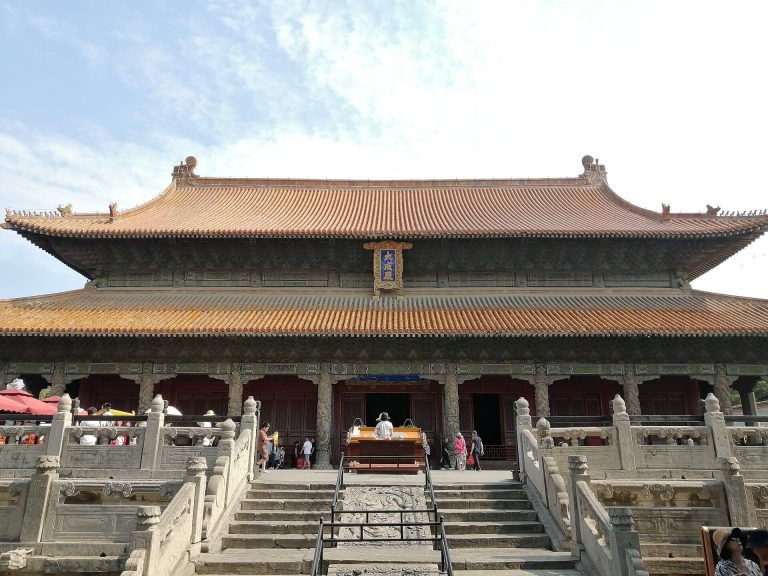
Founded in 478 BC in Confucius’s native Qufu, the Temple of Confucius developed into China’s principal state sanctuary of Confucianism and a major…
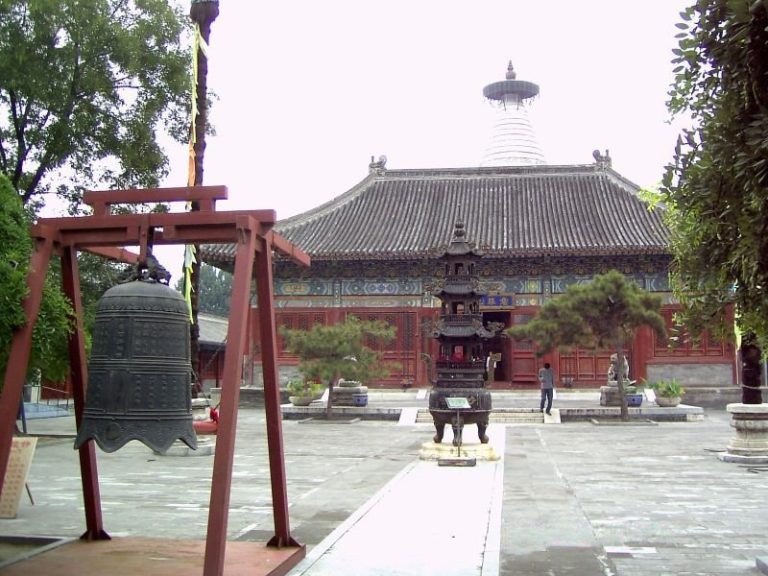
Miaoying Temple, also known as White Pagoda Temple, developed from a Yuan imperial foundation around a 13th-century Buddhist stupa. Its White Pagoda,…
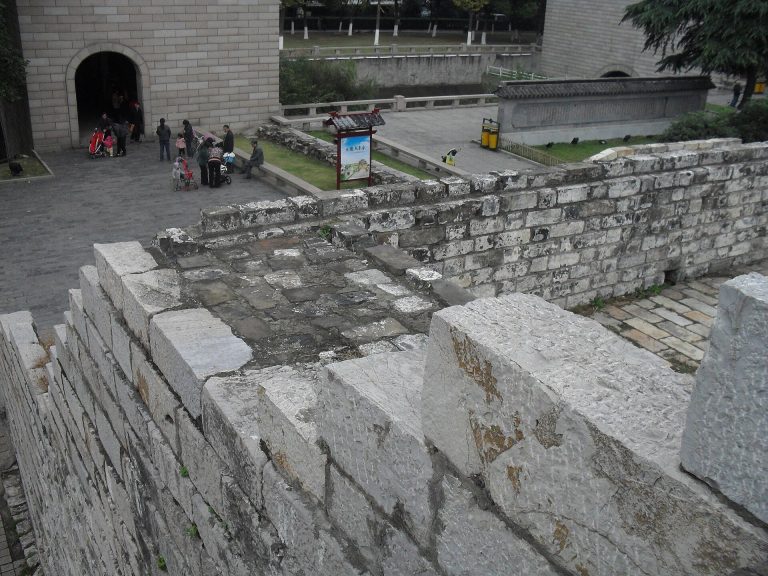
Ming Palace in Nanjing was begun by Zhu Yuanzhang in 1367 and became the main imperial residence before the court moved to Beijing. Fires,…
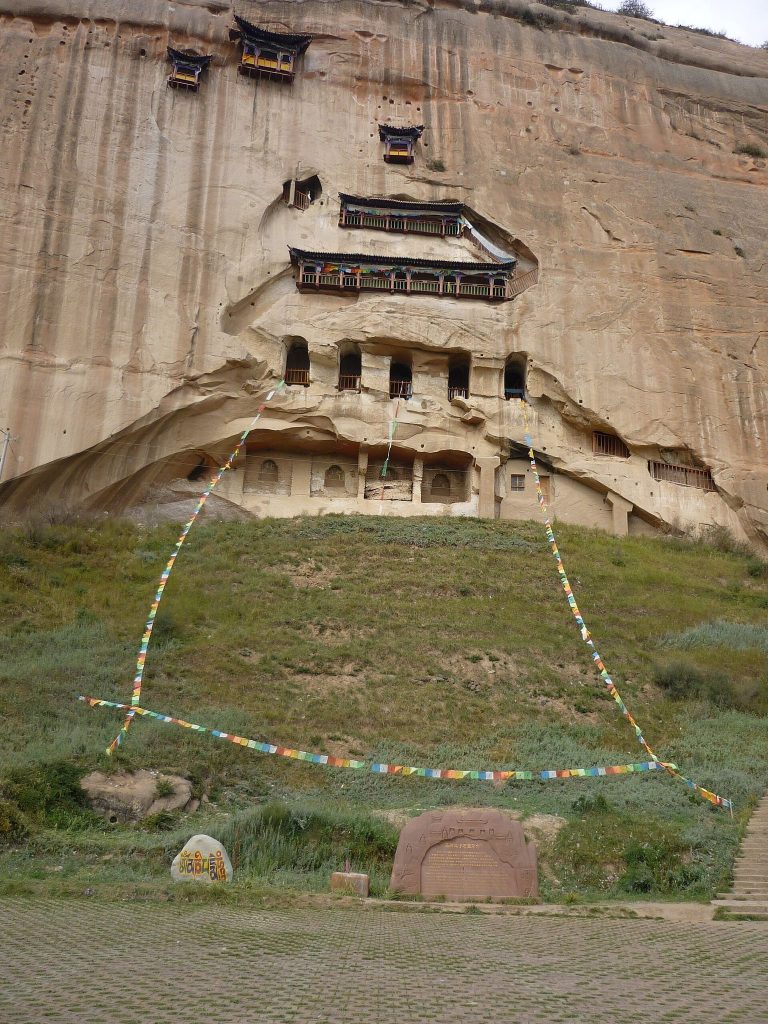
The Matisi Grottoes are a multi-site Buddhist cave-temple complex beneath Mount Linsong in Gansu, China. Developed from the Northern Liang period…
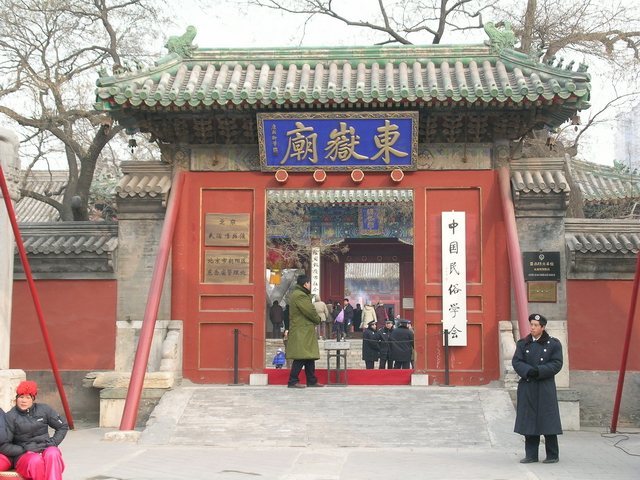
Beijing Dongyue Temple, founded in 1319 during the Yuan dynasty, developed into a major Zhengyi Daoist center devoted to Dongyue Dadi and now also…
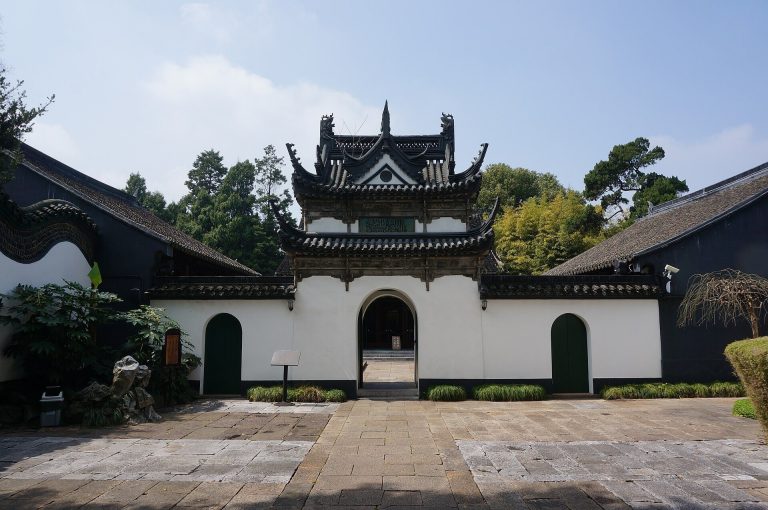
Songjiang Mosque is an active Sunni mosque in Shanghai regarded as the city’s oldest mosque. Founded in the 1360s, it was rebuilt and expanded during…
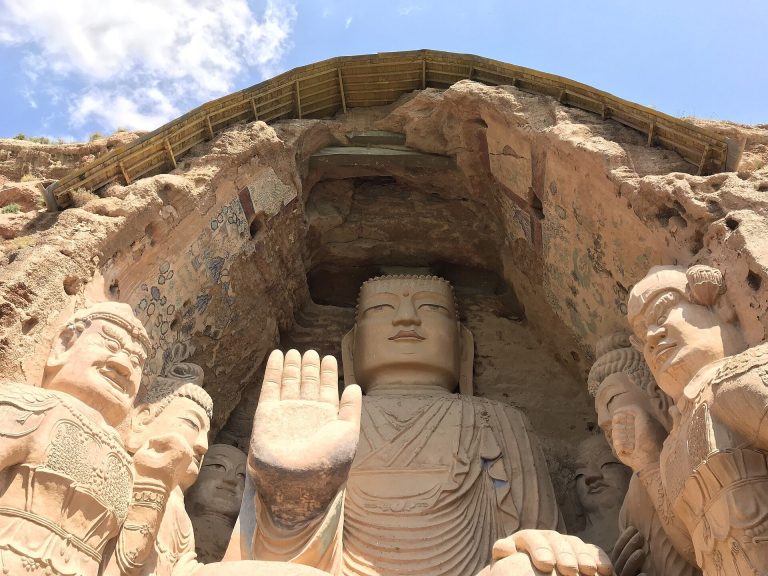
The Tiantishan Grottoes in Gansu began as the Liangzhou Grottoes during the Northern Liang and developed through successive periods of Buddhist…
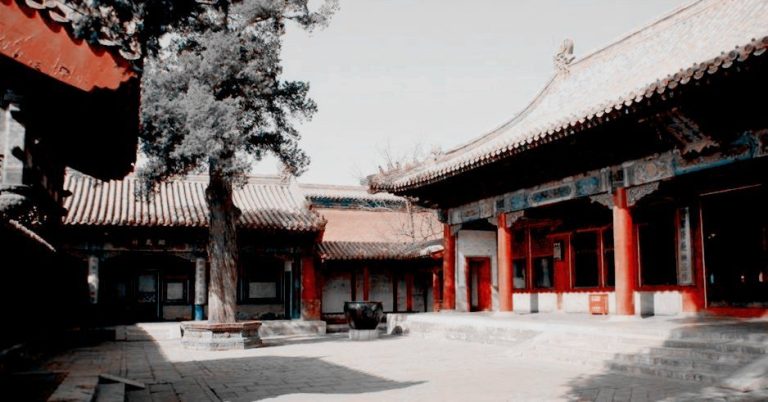
Zhongcui Palace is one of the six Eastern Palaces in the Forbidden City. Built in 1420, it housed Ming and Qing imperial consorts, crown princes,…
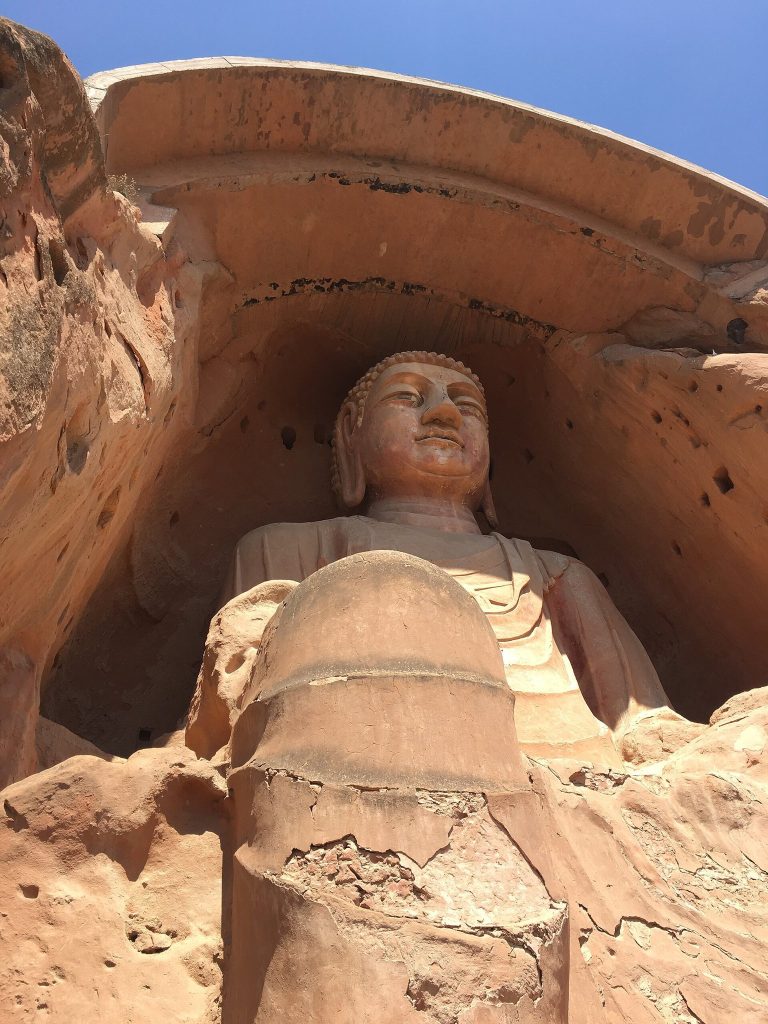
The Xumishan Grottoes in Ningxia preserve more than a thousand years of Buddhist sculpture, painting, inscriptions, and cave architecture shaped by…
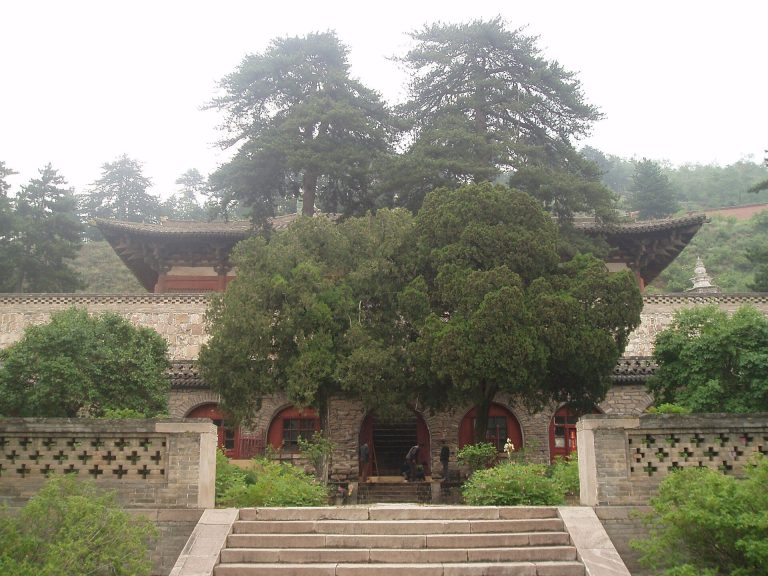
Foguang Temple in Shanxi preserves Buddhist buildings, sculptures, murals, inscriptions, and funerary monuments dating from the Northern Wei through…
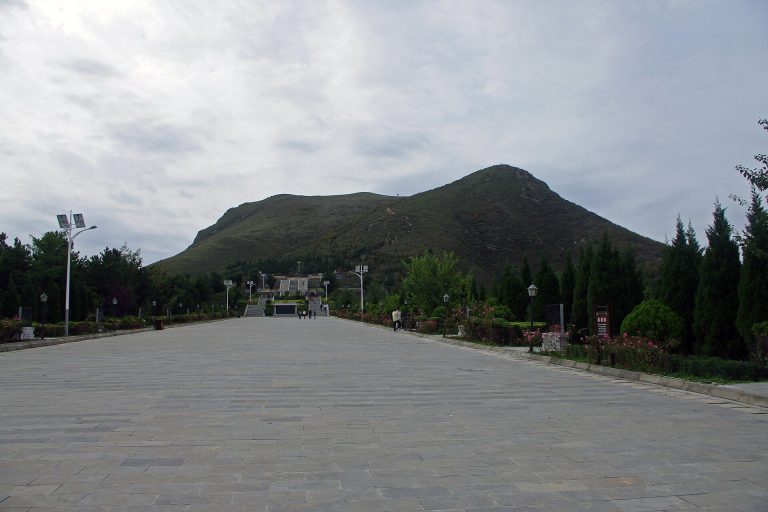
Zhao Mausoleum, or Zhaoling, is the Tang-dynasty burial complex of Emperor Taizong and Empress Zhangsun in Shaanxi. Built around Jiuzong Mountain, it…
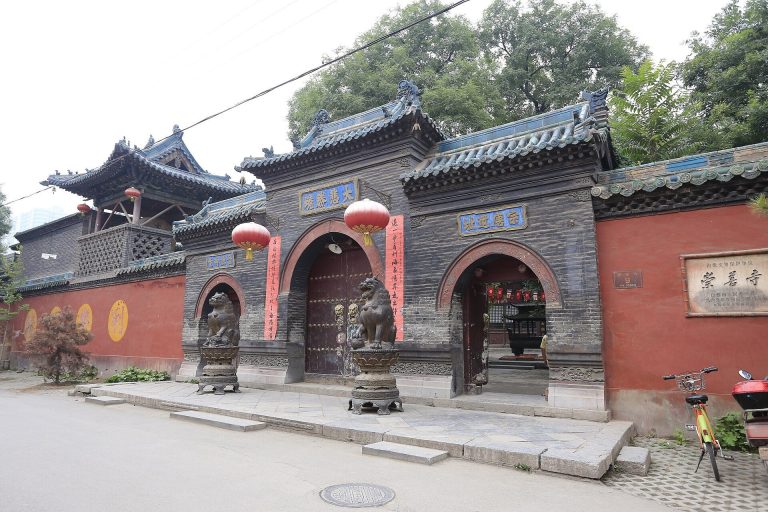
Chongshan Temple in Taiyuan traces its foundation to the early Tang dynasty and reached its greatest scale as an imperial temple of the Ming dynasty.…
For details on how to use the maps, which sites are included, how popularity and ratings are determined, and how sites are classified, see the help page.
On this page5 sections
Nanjing: the first Ming palace
The Ming Palace in Nanjing was built as Zhu Yuanzhang established the dynasty in the late 1360s. Its layout organised gates, courtyards and halls along a principal axis, creating successive controlled approaches to the ruler’s ceremonial and residential spaces.
The timber halls have largely disappeared. Gate platforms, stone components, bridge remains and the sites of former buildings now reveal the palace’s arrangement. These substantial remains help explain how the first Ming capital was planned even though they no longer present the complete architecture of a functioning court.
The Great Wall: ramparts, towers and defended passes
The best-known brick-faced sections of the Great Wall belong to the Ming period. Their ramparts carried walkways, while towers and defended passes helped garrisons watch approaches and resist attacks. Stone and brick protected the underlying wall mass and provided more durable surfaces at strategically important stretches.
Much construction followed changes in northern frontier warfare, especially during the fifteenth and sixteenth centuries. The towers were working military spaces, providing positions for observation and fighting as well as shelter and storage. Terrain shaped the defences: walls followed ridges, while fortified gates controlled the routes through them.
Chongshan Temple: a princely timber hall
Chongshan Temple in Taiyuan was enlarged in the late fourteenth century under Zhu Gang, a Ming prince. Its surviving Great Compassion Hall spans seven bays, the spaces between its principal columns, and has a double-eaved roof supported by a substantial timber frame.
Inside are large clay images of Guanyin, Manjushri and Samantabhadra. These are bodhisattvas, figures who guide others toward enlightenment, associated respectively with compassion, wisdom and Buddhist practice. The hall gave these images a sheltered ritual setting, while its broad façade marked the scale of princely patronage. Dated objects, including iron lions from 1391, add further evidence for the temple’s early Ming history.
The Hanging Temple: beams anchored in rock
The Hanging Temple near Hunyuan began before the Ming, but much of its standing fabric belongs to Ming and Qing rebuilding. Halls and narrow passages occupy a recess in the cliff, where beams inserted into the rock carry the structures outward from the face.
The slender poles visible below are only part of the support system; the anchored beams and sheltered position are central to the engineering. Rooms accommodate Buddhist, Daoist and Confucian worship within the same compact complex. Its arrangement therefore reflects both a particular religious setting and the practical demands of building against a cliff.
Niujie Mosque: rebuilding a Muslim place of worship
The Niujie Mosque in Beijing received important Ming rebuilding, including work in the fifteenth century. Courtyards and timber-roofed buildings use familiar Chinese architectural forms, while the prayer hall and Arabic calligraphy serve the needs of Muslim worship.
Its development belongs to a long-established urban community whose mosque continued to change under later dynasties. Alongside Chongshan and the Hanging Temple, it shows how Ming building extended across different religious institutions. The linked site articles distinguish those dated campaigns from both earlier foundations and subsequent repairs.
The map and grid open the site articles for fuller accounts of each building’s Ming work and subsequent changes.