Maya Sites: Explore Temple Cities, Palaces and Villages
Maya remains include tall temple pyramids, long palace ranges, carved monuments and the earth-built houses of farming communities. Their settings vary from the limestone terrain of Yucatan to the forested lowlands of Guatemala and Belize. The collection connects these places with articles explaining their buildings, political histories and successive construction phases.
Primary Function: All
Type: All
Country: All
Popularity: All
Rating: All
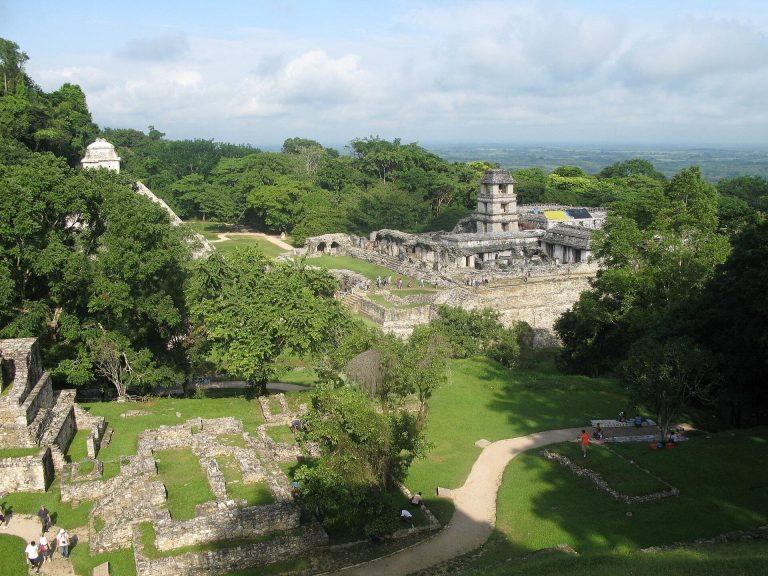
Palenque was a major Maya city-state in present-day Chiapas, flourishing from the fifth to the ninth centuries. Its temples, royal tombs,…
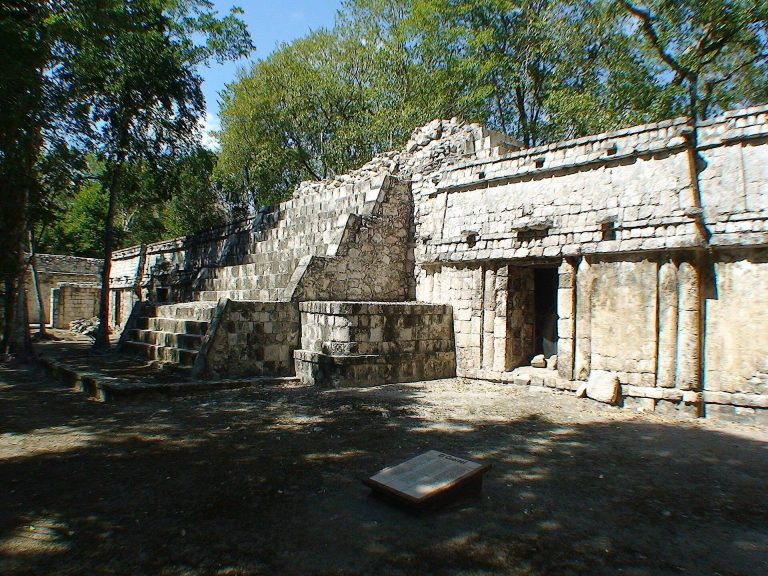
Xtampak was a major Maya settlement and political capital in the Chenes region of Campeche, flourishing between approximately AD 550 and 950. Its…
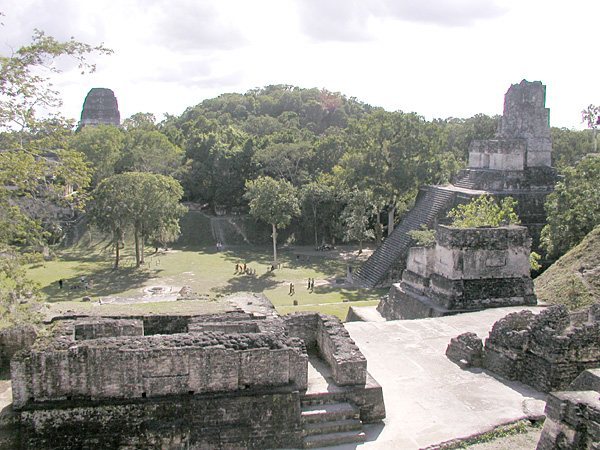
The North Acropolis at Tikal in Guatemala was a royal necropolis and funerary centre used for more than 1,300 years, preserving temples, royal tombs,…
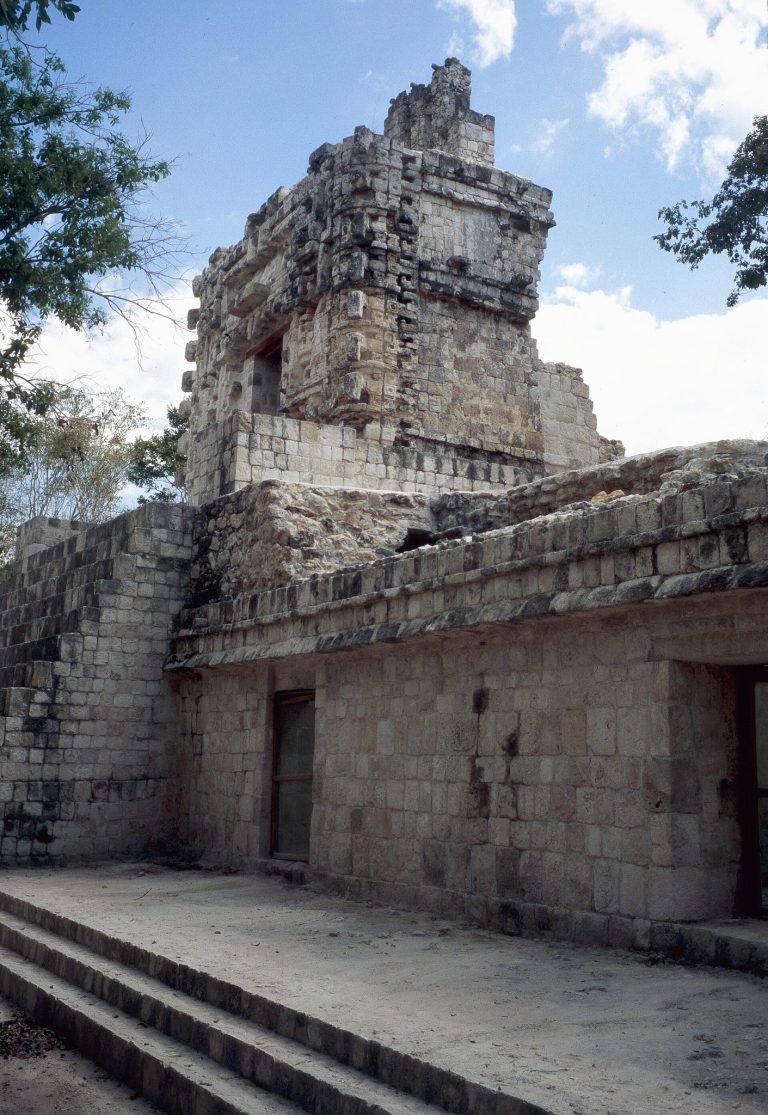
Tabasqueño was a Maya regional center in the Chenes region of Campeche, occupied from the Classic period into the Early Postclassic period and known…
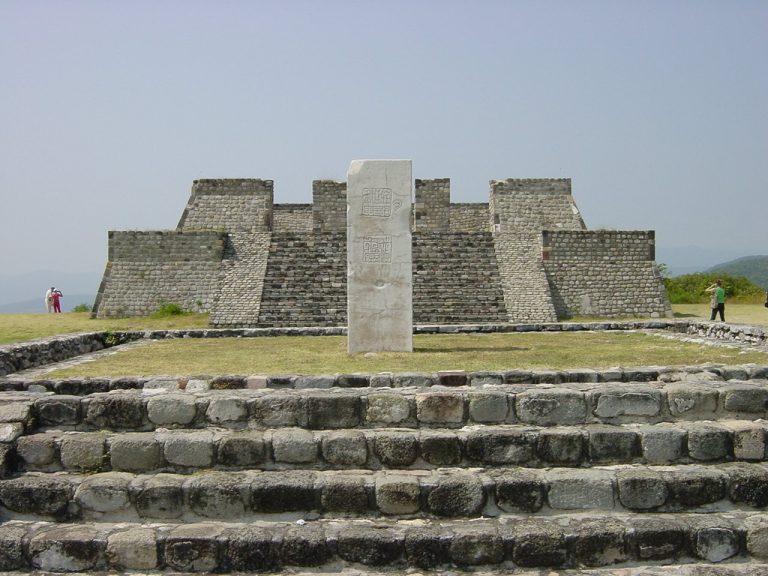
Xochicalco in Morelos, Mexico, was a fortified Epiclassic city shaped by long-distance trade, specialized craft production, religious ceremony, and…
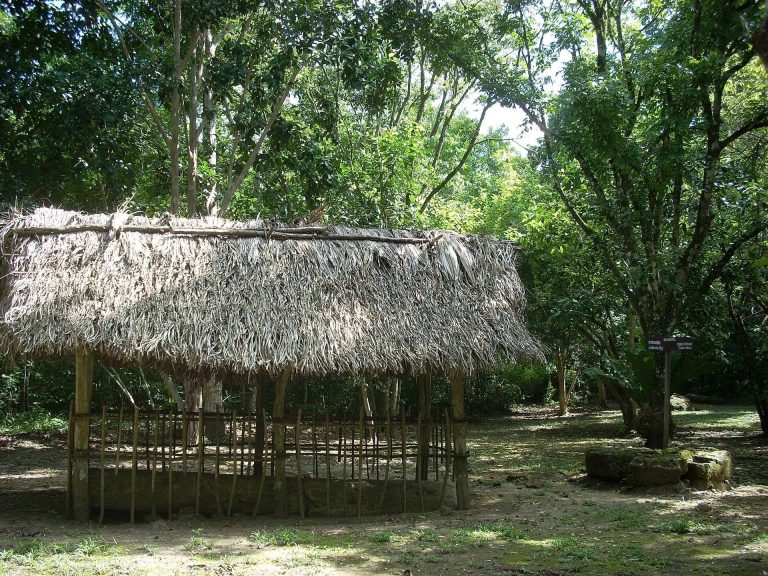
El Chal was a Maya centre in southeastern Petén occupied from the Middle Preclassic period into the Early Postclassic. Its acropolis, plazas,…
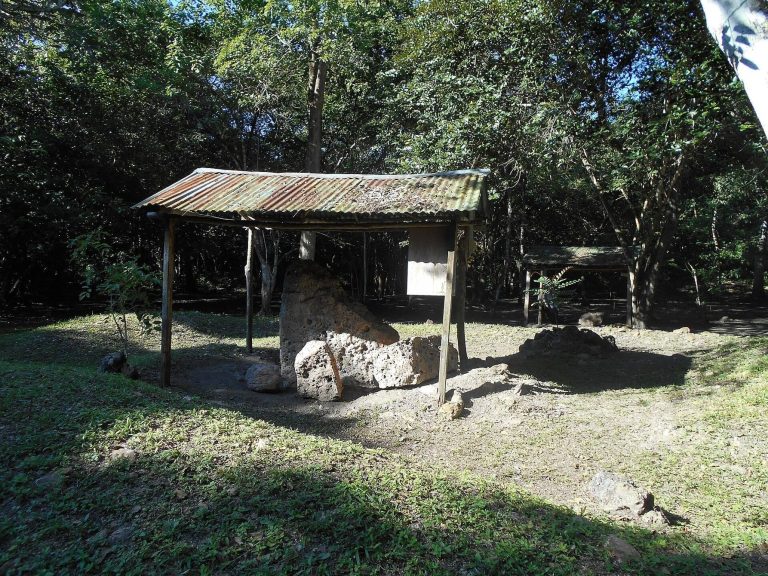
Tayasal was a Maya settlement on a peninsula in Lake Petén Itzá, occupied from the Middle Preclassic period through the early colonial era. Its…
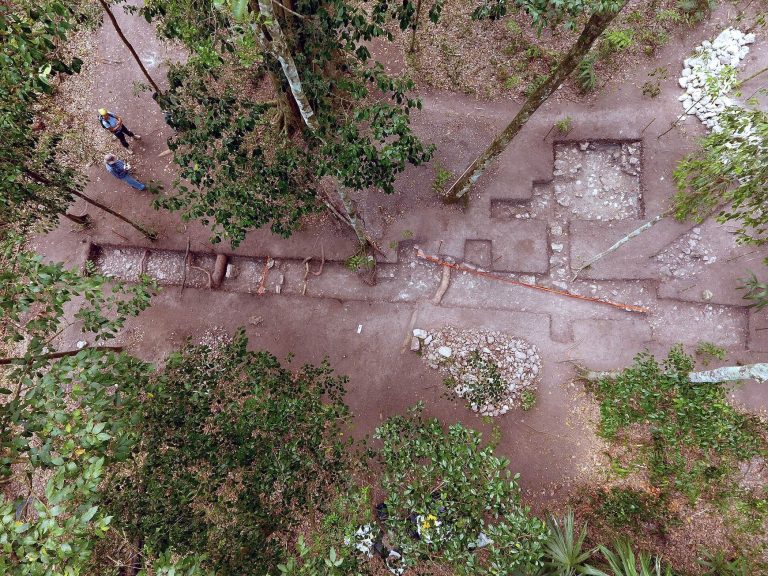
El Tintal was a major Maya city in northern Petén, occupied from the Middle Preclassic to the Terminal Classic. Its remains include monumental…
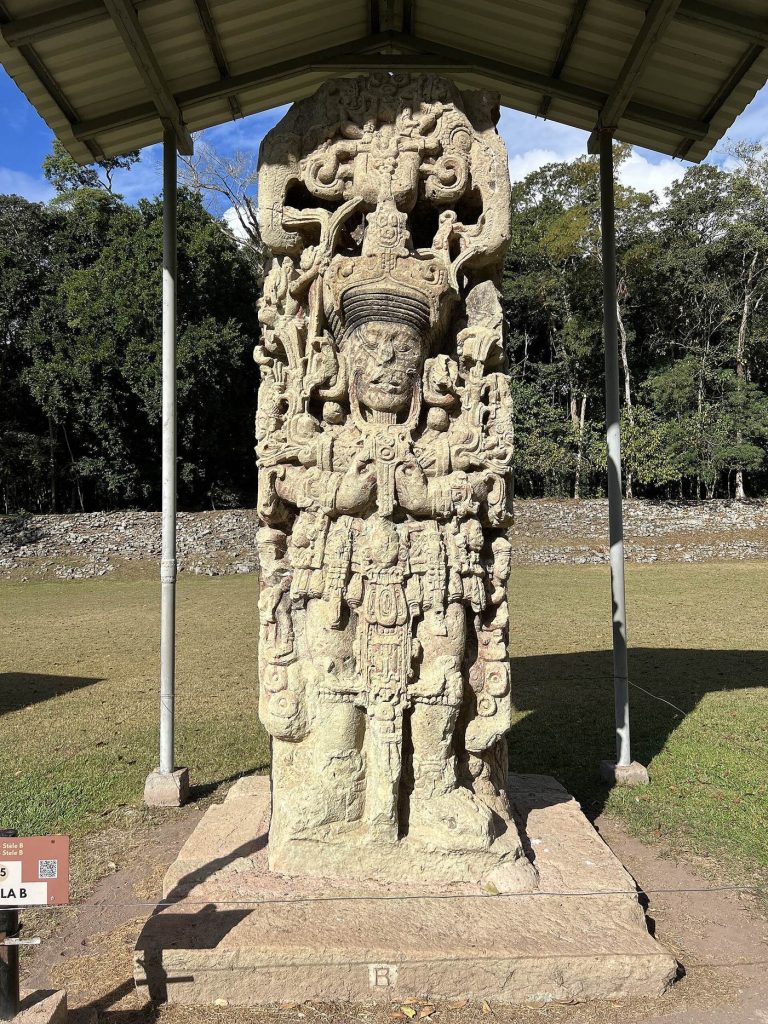
Copán was a Maya capital in western Honduras that flourished from the fifth to the ninth century AD. Its temples, palaces, hieroglyphic monuments,…
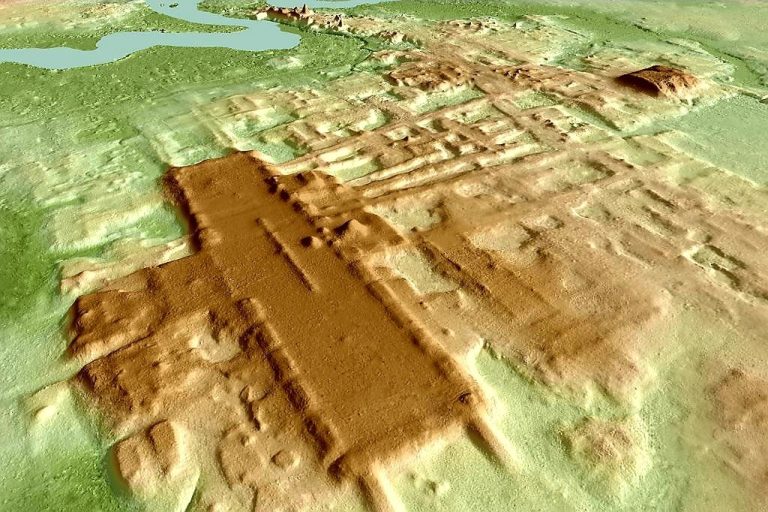
Aguada Fénix is a large Preclassic Maya ceremonial complex in Tabasco, Mexico, built between approximately 1000 and 800 BC. Its enormous platform,…
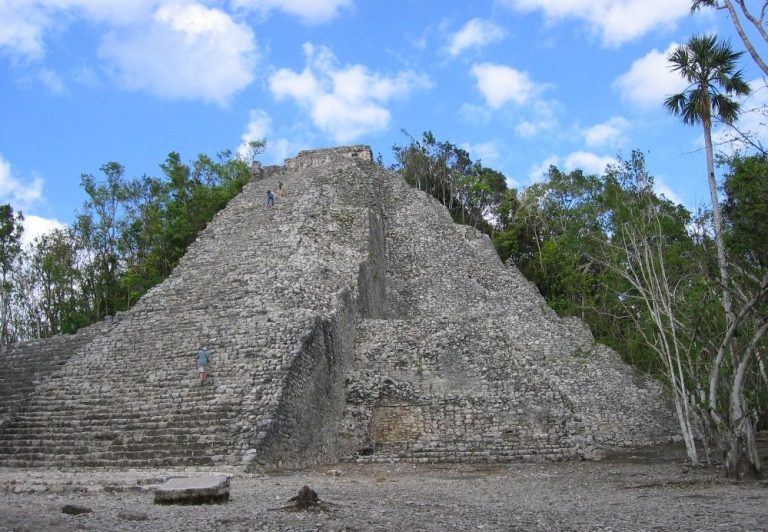
Coba was a major ancient Maya city in present-day Quintana Roo, known for its extensive raised roads, monumental pyramids, inscriptions, lagoons, and…
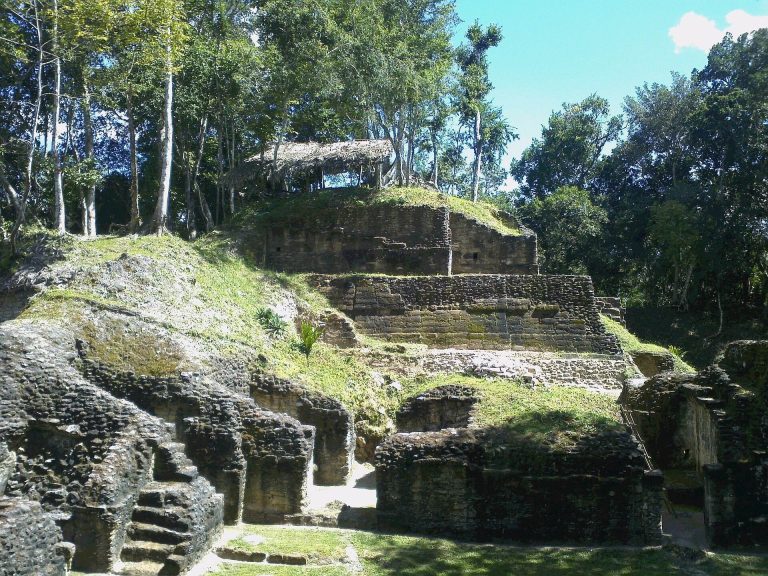
Naranjo was a major Maya capital in Guatemala’s Peten Basin, known in ancient inscriptions as Wak Kab’nal and Sa’aal. Its political history,…
For details on how to use the maps, which sites are included, how popularity and ratings are determined, and how sites are classified, see the help page.
On this page6 sections
Temple precincts and waterworks at Tikal
At Tikal in Guatemala, Temples I and II face one another across the Great Plaza, with the North and Central Acropolises along its other sides. Temple groups, palaces and residential areas occupy limestone ridges linked by raised causeways. The scale of the surviving center makes the relationship between individual monuments and the larger city particularly clear.
Water storage was essential to the settlement. Builders adapted depressions and former quarries as reservoirs, using plastered surfaces and channels to direct rainfall toward them. The temples therefore belonged to a city with substantial engineered water supplies, as well as ceremonial spaces and royal buildings.
Palace courts at Uxmal and Palenque
Uxmal in Mexico preserves the characteristic stone decoration of the Puuc region. Long ranges enclose courts, with comparatively plain lower walls beneath elaborate upper façades. Stone mosaics form geometric patterns, serpents and masks of the rain deity Chaac. Cisterns and reservoirs accompanied these monumental buildings in a landscape where water had to be collected and stored.
The Palace at Palenque developed as a network of courts, corridors and interconnected buildings on a raised terrace. The nearby Temple of the Inscriptions contained the burial of the seventh-century ruler Pakal. Streams cross the city through open and vaulted channels, fitting its built spaces to a wetter setting than Uxmal. The two sites preserve different solutions to palace design and water management, within distinct Maya kingdoms.
Plazas and pyramids at Xunantunich
Xunantunich stands above the Mopan River in Belize. Its central plazas are bordered by palace buildings and pyramids, with the large structure known as El Castillo dominating the southern end. The main ceremonial spaces developed through repeated construction, while a palace group occupied the northern part of the center.
The relationship between elevated buildings and open plazas is easy to follow in the surviving core. Excavated royal monuments and inscriptions supply a more specific political history, connecting the architectural sequence with rulers and neighboring centers. The individual article distinguishes conserved and reconstructed surfaces from the remains on which they are based.
Household remains at Joya de Cerén
Joya de Cerén in El Salvador preserves a farming settlement buried by volcanic ash. Earth-built houses, separate activity buildings and cultivation areas survive through the exceptional conditions created by the eruption. Domestic compounds place household work and food production within a settlement plan, rather than leaving them to be inferred from royal monuments.
The buildings stood on low earthen platforms and used construction techniques very different from the great limestone temple cities. Their preservation provides evidence for the arrangement of ordinary living and working spaces. The eruption sealed these remains; the protective structures over them belong to the modern archaeological site.
Successive platforms at Tazumal
Tazumal, also in El Salvador, contains a large platform and pyramid formed through successive enlargements. Earlier structures were joined and enclosed as the ceremonial center developed. The present appearance also owes much to twentieth-century excavation and reconstruction, including extensive cement work. Later investigations have exposed parts of the construction sequence that those interventions covered.
Explore Maya places
Use the map and grid to compare cities in different regions, then open their articles for plans, surviving features and historical context. The collection includes settlements of different dates and sizes, rather than a single uniform city type.