Korean Historic Sites: Explore Palaces, Temples and Fortresses
Korean historic sites preserve stone temple monuments, the platforms of vanished palaces and extensive groups of timber buildings. This collection covers Baekje, Silla, Goryeo and Joseon, with sites on both sides of the modern peninsula. Their articles separate early foundations from the later structures that remain above ground.
Primary Function: All
Type: All
Civilization: All
Country: All
Popularity: All
Rating: All
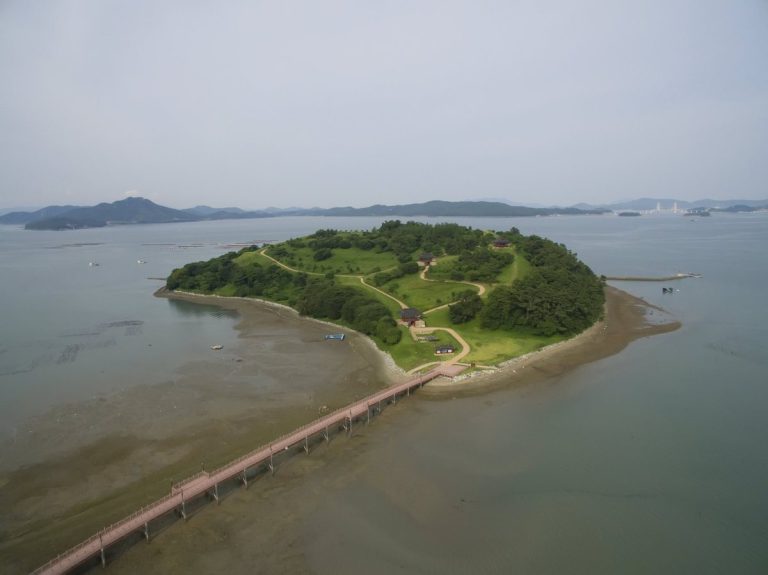
Cheonghaejin was a ninth-century Silla military headquarters, port, and maritime-trade center on Jangdo near Wando. Founded under Jang Bogo, it…
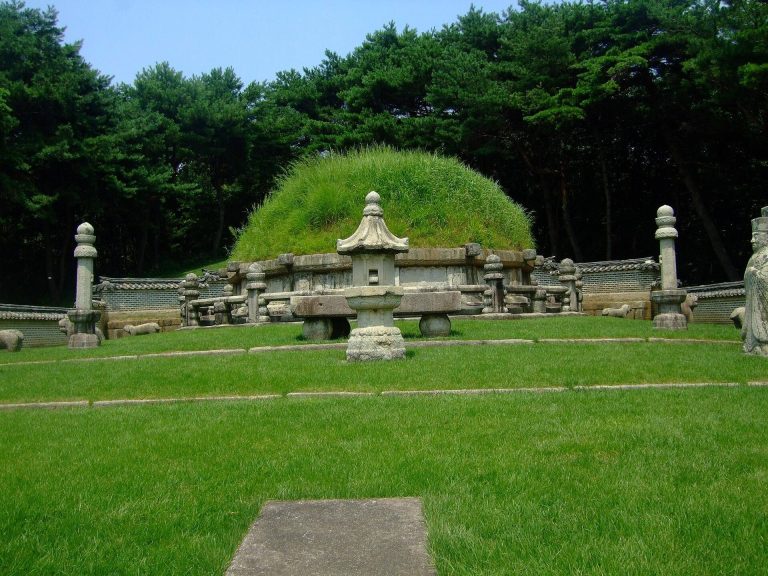
Geonwolleung is the tomb of Taejo, founder and first monarch of the Joseon dynasty, established in 1408 at present-day Guri in South Korea. Its…
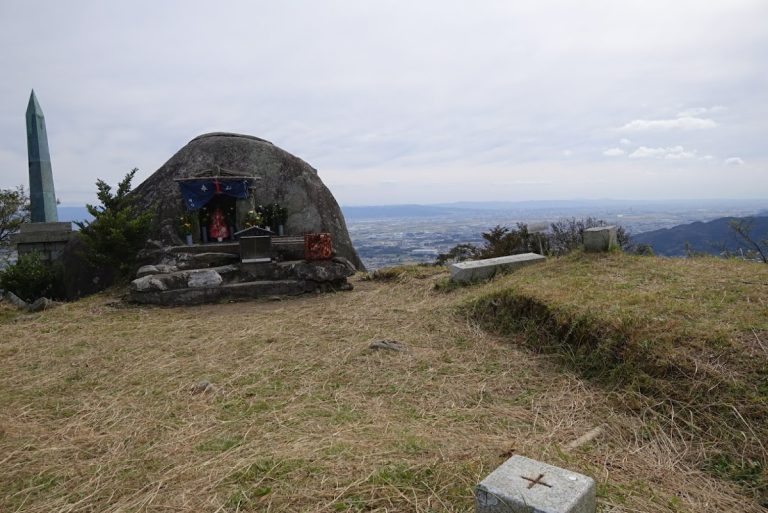
Kii Castle was built by the Yamato court in 665 after the defeat at Hakusukinoe, forming part of a defensive network in northern Kyushu. Its…
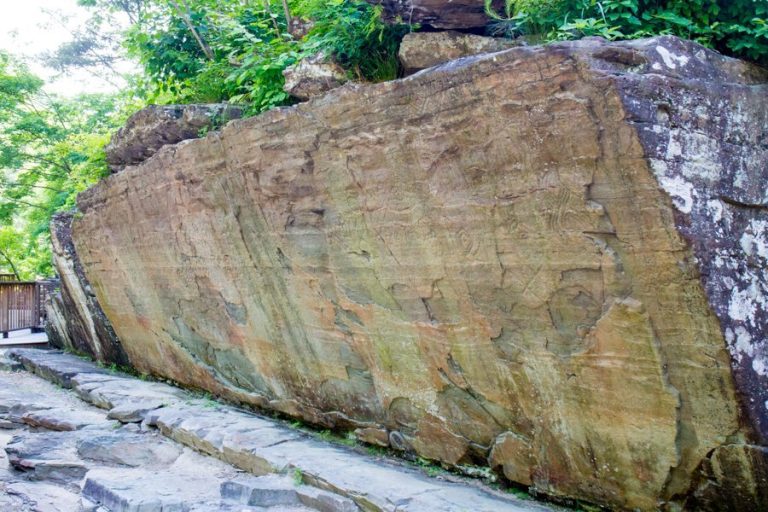
The Cheonjeon-ri petroglyphs in Ulsan preserve more than 6,000 years of engraved imagery, from Neolithic hunting scenes and Bronze Age geometric…
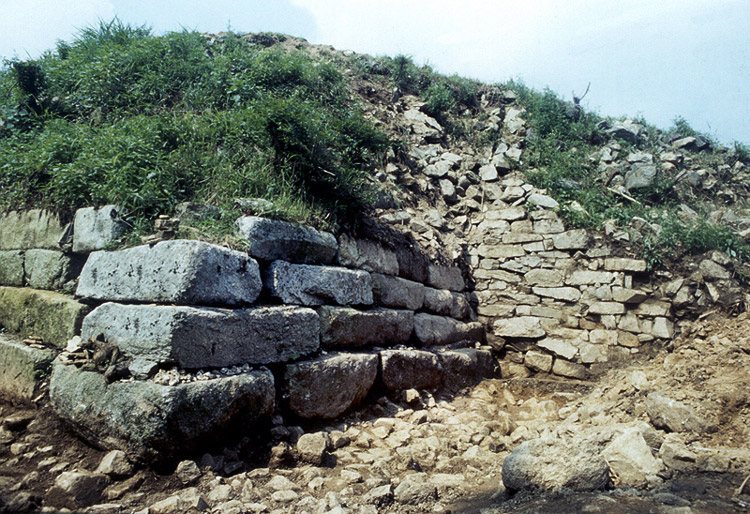
Banwolseong was the royal palace and fortress of Silla and Unified Silla at Gyeongju, used from 57 BCE to 938 CE. Its earthen walls, archaeological…
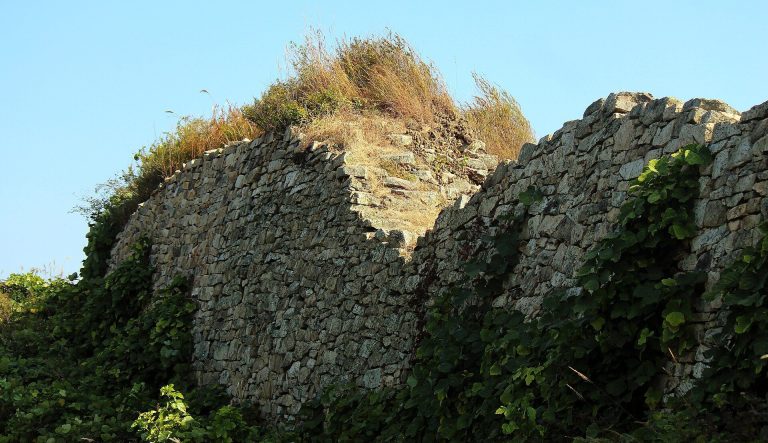
Samnyeonsanseong is a Silla-period mountain fortress built from 470 and reconstructed in 486. Its strategic position, substantial walls, and…
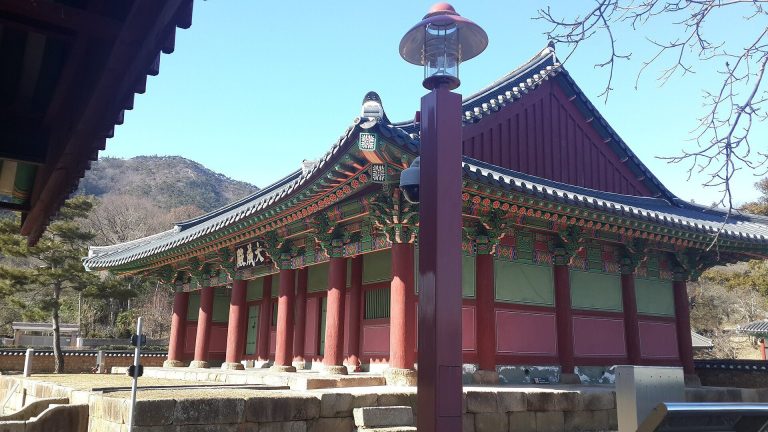
Naju hyanggyo, founded in 1398, was a state-sponsored Joseon institution for Confucian education and ritual worship. Its unusual layout, preserved…
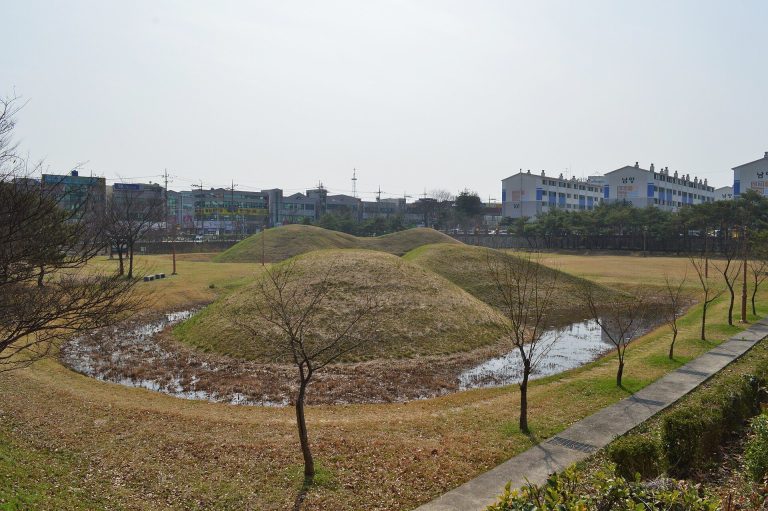
Gwangju Wolgye-dong Janggobun is a group of two sixth-century tombs whose forms and burial goods reflect connections between Baekje and the Japanese…
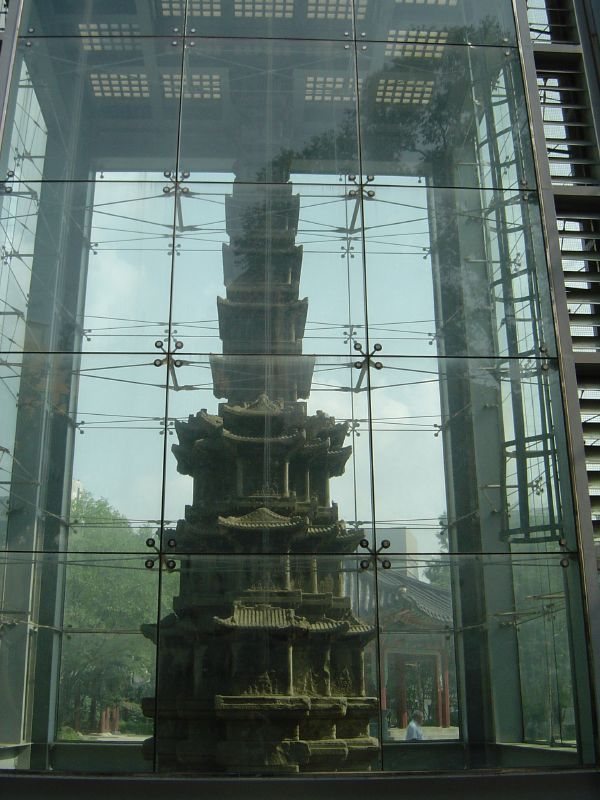
Wongaksa Pagoda is a ten-storey marble monument built in 1467 for Wongaksa Temple in Seoul. Its finely carved surfaces, later history, and survival…
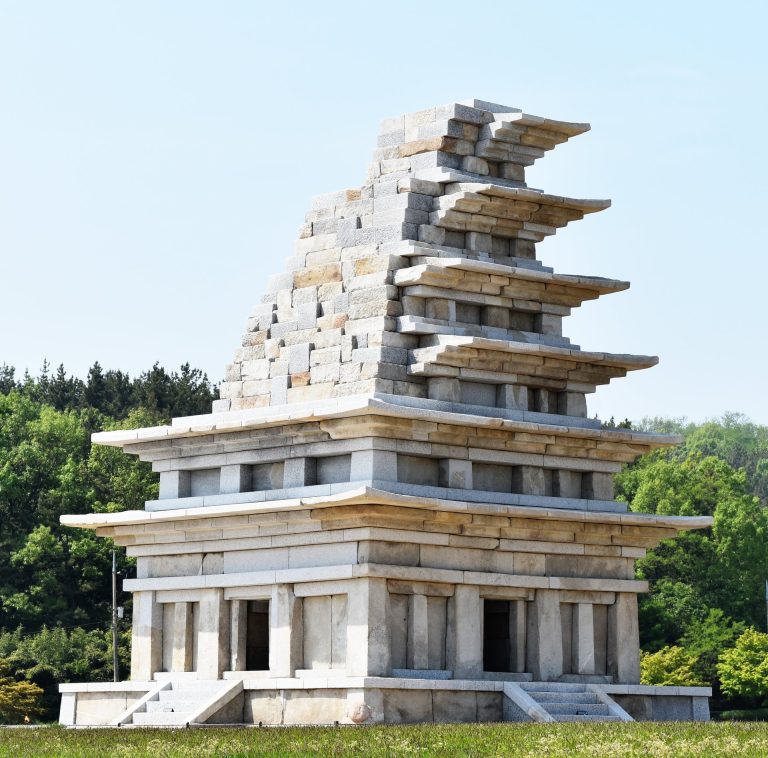
Mireuksa was the largest Buddhist temple of the Baekje kingdom, founded around AD 639 at Iksan during the reign of King Mu. Its excavated remains,…
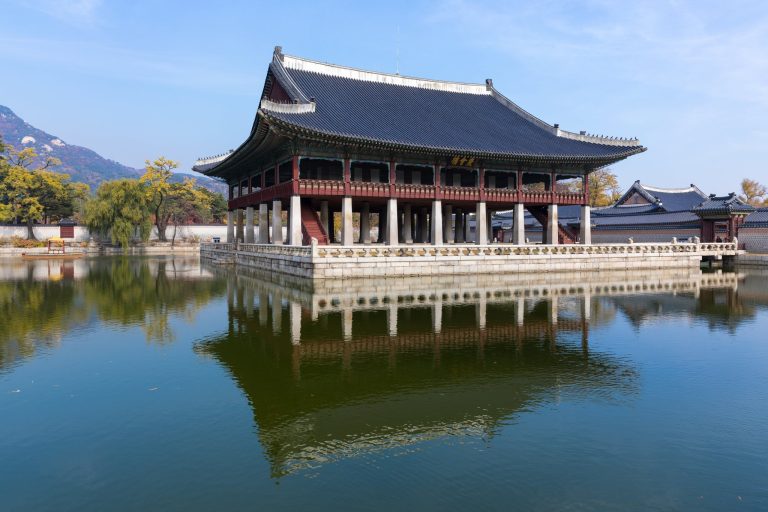
Gyeongbokgung was established in 1395 as the first royal palace of the Joseon dynasty and became the ceremonial and political center of Hanyang.…
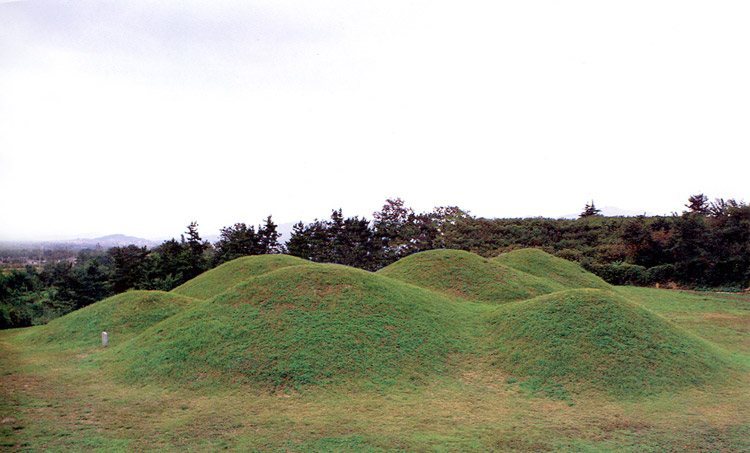
The Gyeongsan Imdang-dong and Joyeong-dong Ancient Tombs preserve burial mounds associated with Aptdokguk and the early Three Kingdoms period. Their…
For details on how to use the maps, which sites are included, how popularity and ratings are determined, and how sites are classified, see the help page.
On this page6 sections
Pagodas and temple courts at Mireuksa
Mireuksa was a major Baekje Buddhist foundation at Iksan. Its plan placed three pagodas in a row, each accompanied by a hall and enclosed by corridors. The resulting three adjoining precincts can be understood from the excavated foundations even though most of their timber buildings have disappeared.
The western stone pagoda is the principal surviving monument, carefully dismantled and conserved after earlier structural problems. The eastern pagoda is a modern reconstruction. Keeping those histories distinct is essential: the site includes conserved ancient masonry, archaeological foundations and a later recreation of a lost tower within the same temple plan.
Cheomseongdae’s stone tower
Cheomseongdae in Gyeongju is traditionally dated to the reign of the Silla queen Seondeok in the seventh century. Its curved body rises from a square base to an open upper structure. A small square opening interrupts the courses of shaped granite blocks partway up the tower.
The monument is associated with astronomical observation, although the exact manner in which it was used remains debated. Its surviving form provides a compact example of Silla stone construction close to the former royal center, without requiring certainty about every proposed numerical or astronomical interpretation.
Royal architecture at Kaesong and Seoul
Manwoldae, the Goryeo palace at Kaesong, survives principally through foundations and raised building platforms. Its complex occupied ground below Songak Mountain, with residential and state spaces arranged within a large royal precinct. The archaeological remains preserve the palace’s location and organization rather than complete roofed halls.
Changdeokgung in Seoul presents a different form of survival. Its Joseon halls, gates, courts and garden occupy an uneven site, with the arrangement adapted to the terrain. State business and royal accommodation used distinct groups of buildings. The palace was repeatedly rebuilt, including after destruction in the late sixteenth century, so its foundation date does not date every standing hall.
Haeinsa’s scripture depositories
At Haeinsa, the Janggyeong Panjeon buildings protect the wooden printing blocks of the Tripitaka Koreana. The surviving blocks were carved in the thirteenth century; the principal storage architecture belongs to Joseon-period work. Openings of different sizes regulate airflow through the long halls and help moderate their internal environment.
The buildings have a specific practical role within a much older Buddhist temple. Their layout, ventilation and protection from excessive moisture explain how the collection was stored over centuries. Other halls around them belong to separate rebuilding campaigns after fires.
Hwaseong’s gates and defensive circuit
Hwaseong Fortress was constructed at Suwon between 1794 and 1796 for King Jeongjo. Its walls cross both level ground and the slopes of Paldalsan. Gates, towers, bastions and floodgates form different parts of the circuit, with stone and brick used together in its defenses.
The surviving and restored works illustrate a late Joseon fortified city. Their varied heights and positions respond to the terrain, while water passages had to be protected where streams crossed the walls. This later complex extends the collection from early temple remains to the military engineering of the eighteenth century.
Explore Korea’s historical periods
Use the civilization filter to browse an individual kingdom or dynasty. Open a map marker or grid entry for its article, including the construction sequence and the distinction between surviving fabric and reconstruction.