Ilkhanate: Sites and Map
Ilkhanid sites preserve royal tombs, palaces, mosques and schools across Iran and neighbouring lands. They also include buildings commissioned by regional Christian patrons, showing the variety of institutions and communities living under Mongol rule.
Primary Function: All
Type: All
Country: All
Popularity: All
Rating: All
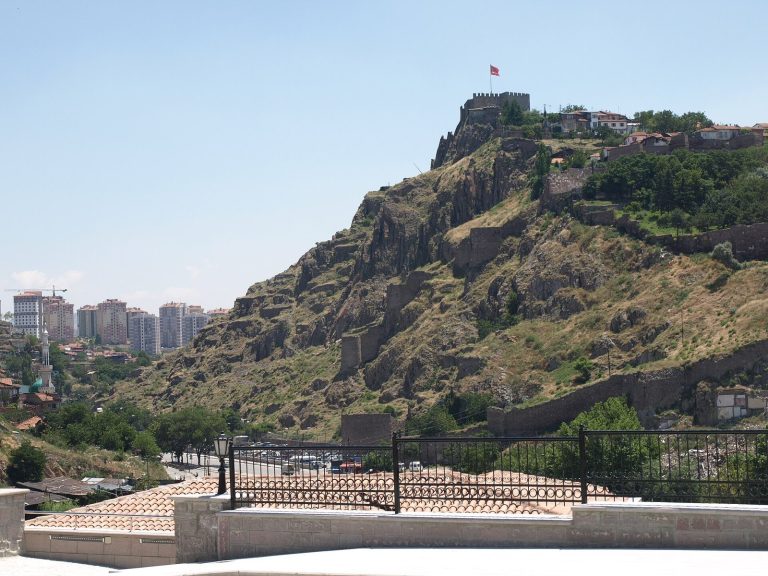
Ankara Castle is a long-used fortress whose surviving inner and outer defenses preserve layers of Roman, Byzantine, Seljuk, Ottoman, and modern…
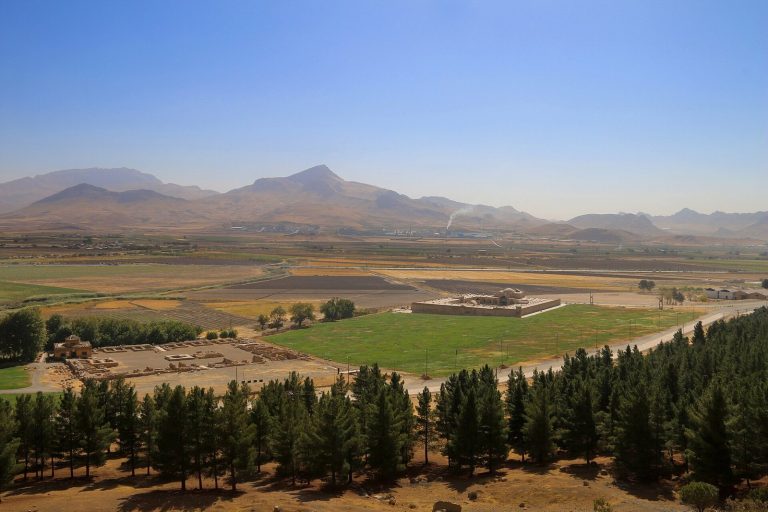
Behistun preserves Darius I’s Achaemenid inscription alongside prehistoric caves, Greek and Parthian reliefs, and remains from later Iranian…
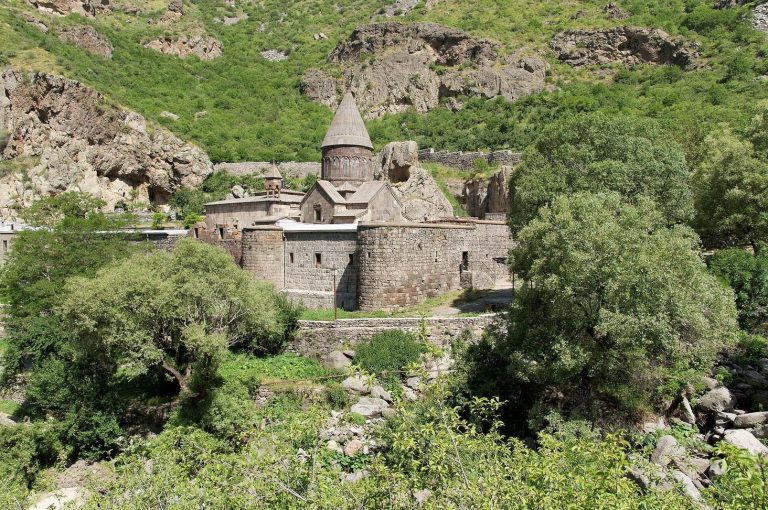
Geghard developed from a monastery associated with a sacred cave spring into a medieval religious, educational, and pilgrimage center. Its churches,…
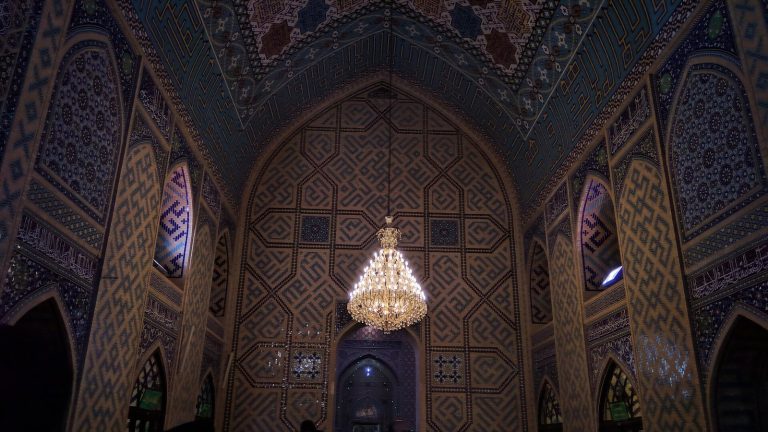
Centered on the tomb of Ali al-Ridha, the Imam Reza Shrine grew from a burial place near Tus into a major pilgrimage sanctuary and an extensive…
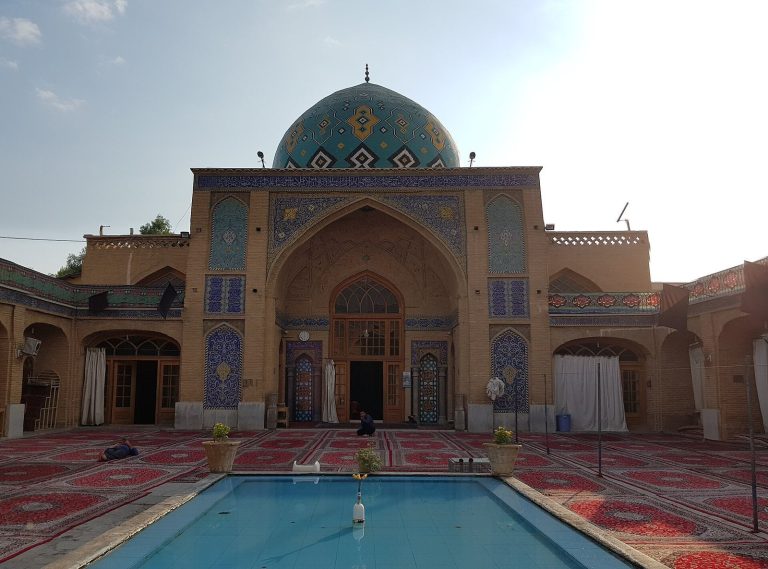
Takht-e Fulad developed into Isfahan’s principal burial ground under Reza Shah. Its mausoleums, mosques, prayer spaces, and burial areas reflect…
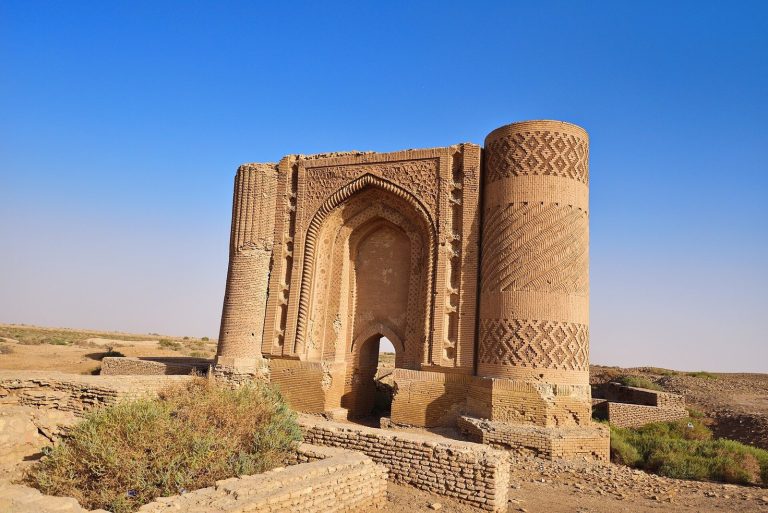
Founded by al-Hajjaj ibn Yusuf, Wasit served as an Umayyad administrative center, military garrison, agricultural hub, and major mint before…
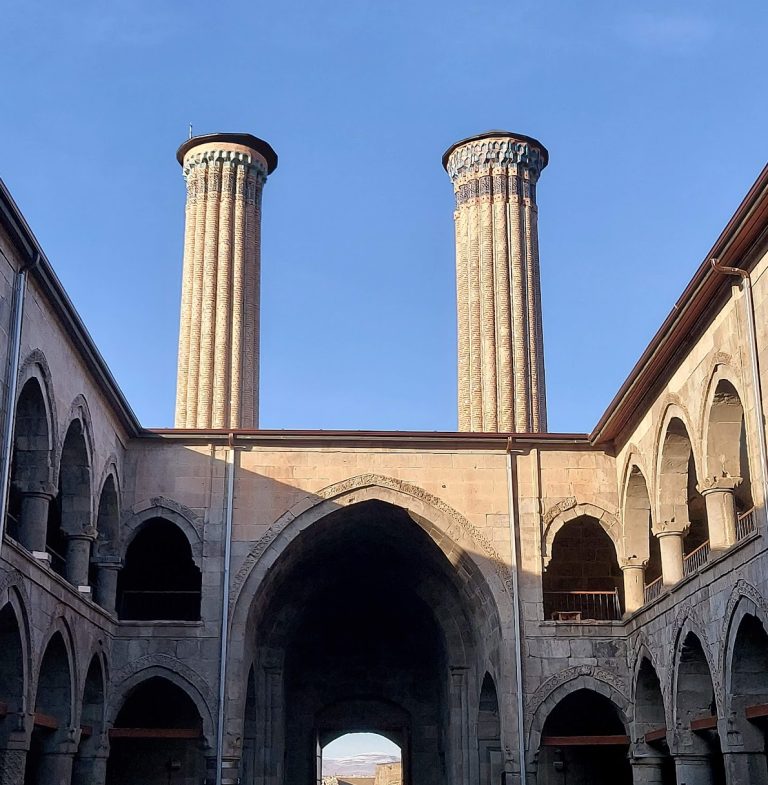
Çifte Minareli Madrasa is a major Seljuk-era Islamic educational monument in Erzurum, known for its twin minarets, open courtyard, richly carved…
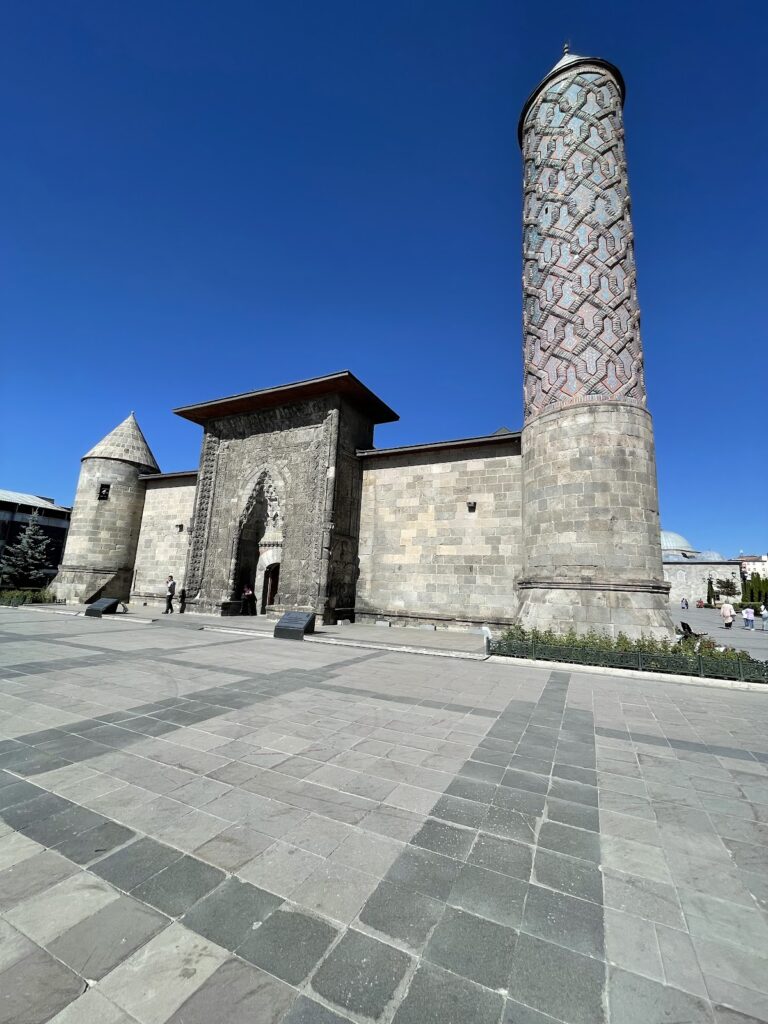
Yakutiye Medrese is a 1310 Ilkhanid madrasa in Erzurum, known for its enclosed courtyard, carved portal, decorated minaret, and survival as the…
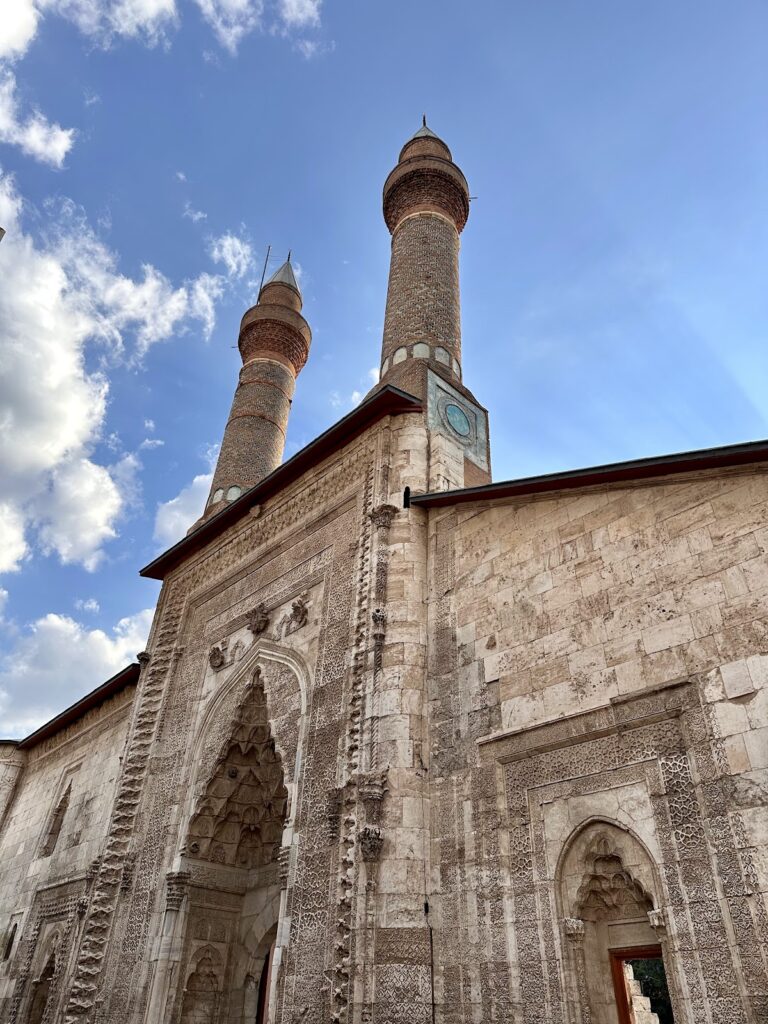
Çifte Minareli Madrasa is a 1271–1272 Ilkhanid-era Islamic school in Sivas, Türkiye, known for its decorated stone facade and twin minarets.
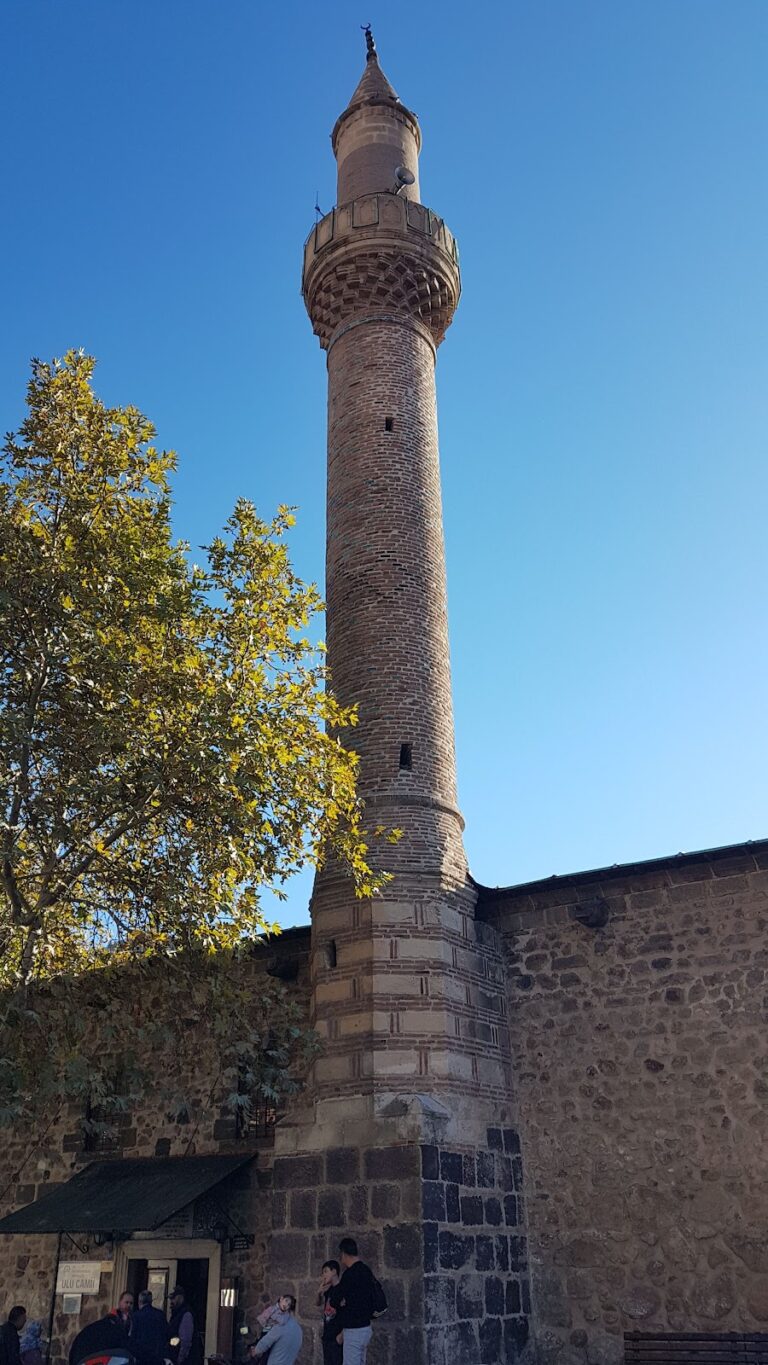
Afyonkarahisar Grand Mosque is a thirteenth-century mosque associated with the Sahib Ataoğulları principality. Its wooden roof, rows of columns,…
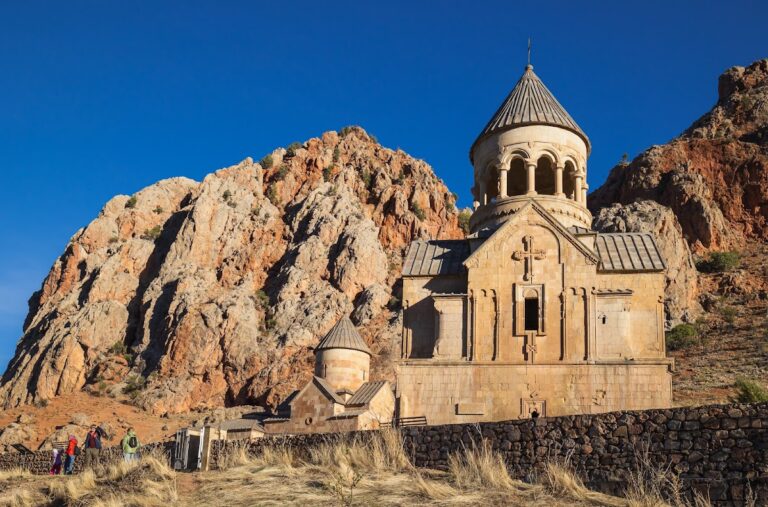
Noravank is a medieval Armenian monastery in the Amaghu Valley, developed under the Orbelian princes as a religious, educational, cultural, and…
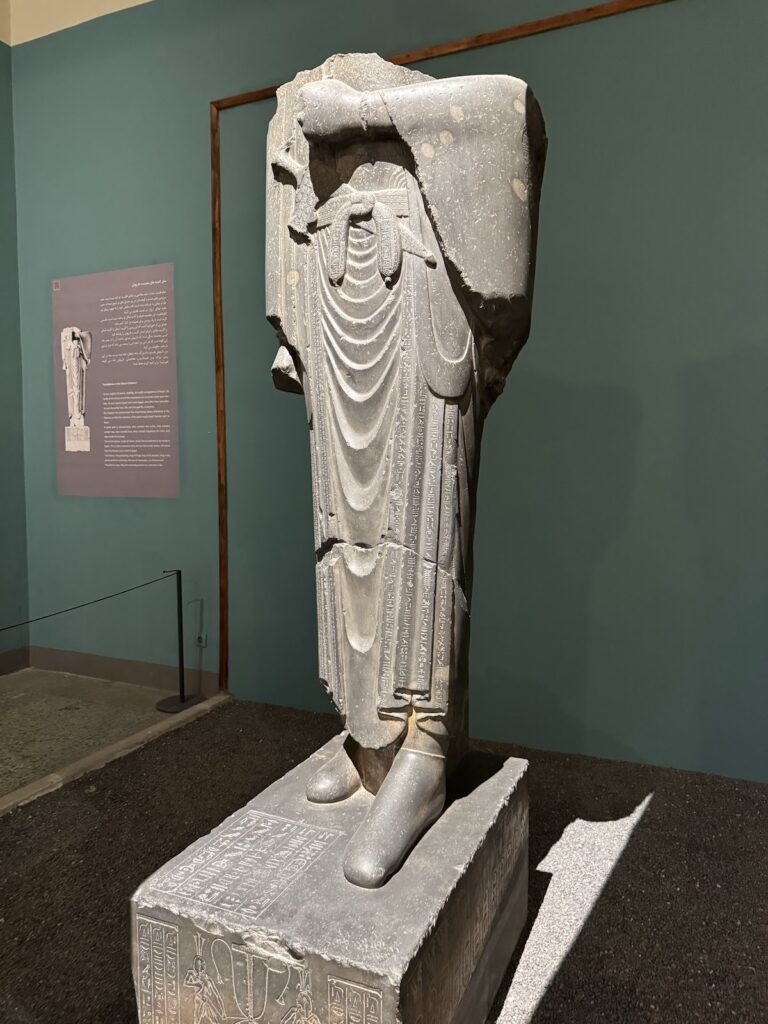
Established in Tehran in 1937, the National Museum of Iran preserves and displays archaeological finds and material culture from Iran’s ancient and…
For details on how to use the maps, which sites are included, how popularity and ratings are determined, and how sites are classified, see the help page.
On this page6 sections
Soltaniyeh: a monumental royal tomb
The Dome of Soltaniyeh was built in the early fourteenth century as the mausoleum of the Ilkhanid ruler Öljaitü. Its octagonal brick structure carries a vast double-shell dome, with slender minarets rising around the upper level.
The two-shell construction separates the dome’s inner and outer surfaces. Turquoise tiles colour the exterior, while the interior preserves plasterwork, painted decoration and tilework. The mausoleum formed part of an imperial capital, making a permanent royal monument within a city developed by the dynasty.
Takht-e Soleyman: a palace within an older sanctuary
At Takht-e Soleyman, the ruler Abaqa created a summer residence among the remains of a Sasanian religious and royal complex. The site surrounds a spring-fed lake within a fortified enclosure, where earlier buildings had served one of the principal Zoroastrian sanctuaries of Iran.
Ilkhanid construction reused that imposing setting rather than beginning on an empty site. Palace remains and decorative material belong to the Mongol-period occupation, while the fire-temple foundations and much of the earlier layout preserve Sasanian history. Their relationship explains the site’s distinctive combination of religious inheritance and renewed royal use.
Natanz: worship, burial and a Sufi community
The Jameh Mosque of Natanz developed around the grave of the Sufi teacher Abd al-Samad, who died in 1299. A mosque, mausoleum, khanqah and minaret followed during the early fourteenth century. A khanqah provided a setting for the communal and devotional life of Sufis, Muslims pursuing a disciplined spiritual path.
The mosque has a courtyard framed by four iwans, vaulted halls open on one side. These large openings organise the surrounding prayer spaces. The adjoining tomb and community buildings bring worship, commemoration and religious instruction into a single complex, built through several closely spaced campaigns.
Isfahan: an intricate stucco prayer niche
The Jameh Mosque of Isfahan had already developed over centuries before the Ilkhanids. One of their clearest additions is the stucco mihrab commissioned under Öljaitü in 1310. A mihrab is a niche marking the direction of prayer toward Mecca.
Carved plaster allowed dense patterns and inscriptions to cover the surface around the niche. This relatively focused addition could transform the appearance of a prayer space within a much older mosque. The courtyard’s two-level arcades also reflect Ilkhanid alteration, while many other domes, halls and decorative surfaces belong to different dynasties.
Yakutiye: a school in eastern Anatolia
The Yakutiye Medrese in Erzurum was built in 1310 under Ilkhanid rule. A medrese, or madrasa, was an institution for advanced religious learning. Here student rooms surround a covered central space, with vaulted halls opening from it.
The projecting stone entrance is richly carved, and the surviving minaret uses glazed and unglazed bricks to create geometric patterns. The enclosed plan gave the school a different architectural setting from the open mosque courtyard at Natanz, while both supplied spaces for organised religious activity and learning.
Noravank: Armenian patronage under Mongol rule
Noravank in Armenia was supported by the Orbelian princely family. After Mongol attacks in the thirteenth century, the monastery was repaired and expanded under local patrons, including the rebuilding of its gavit in 1261.
A gavit is an entrance hall attached to an Armenian church, used for gatherings and often for burials. At Noravank it connects the church with the commemoration of princes, clergy and scholars. The monastery’s work belonged to an Armenian Christian institution operating within the Mongol political world, complementing the royal and Muslim foundations elsewhere in the collection.
The map markers and grid cards open the individual site articles, including the dated Ilkhanid work and neighbouring building traditions.