Genoese Republic and Maritime Network: Sites and Map
More than 100 sites in the Genoese collection connect Liguria with Corsica, the eastern Mediterranean and the Black Sea. Public palaces, churches, family residences and fortifications reveal how a maritime republic depended on civic institutions, wealthy households, defended ports and routes into the interior.
Primary Function: All
Type: All
Country: All
Popularity: All
Rating: All
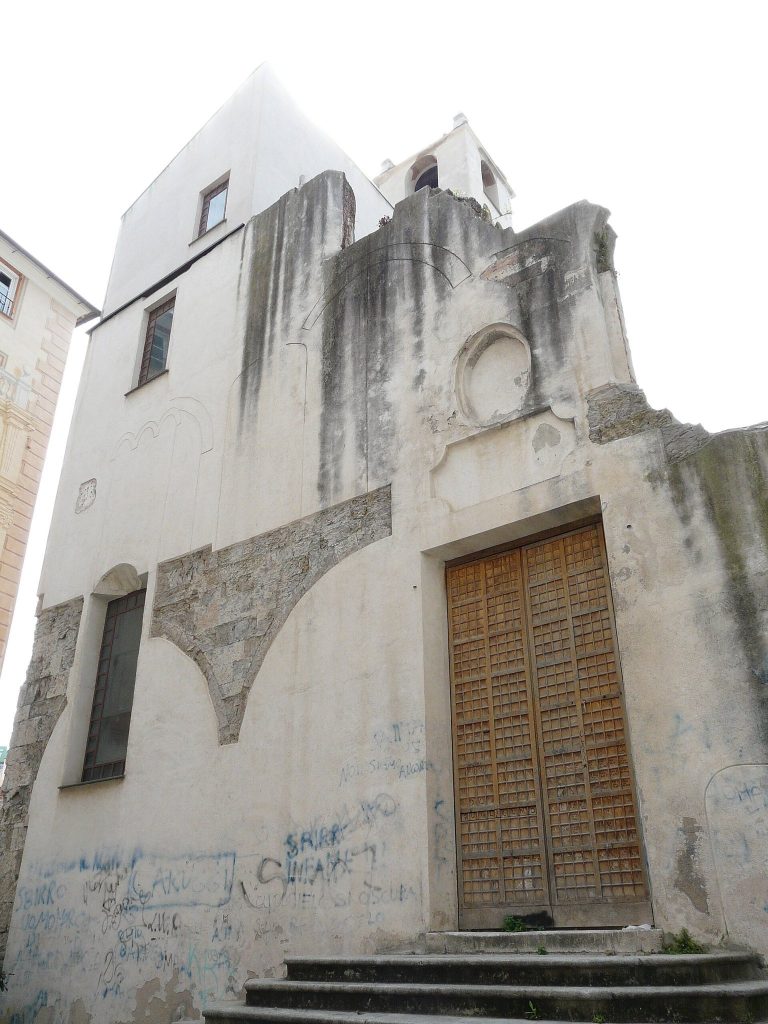
Santa Maria in Passione was a Genoese Augustinian convent and church whose history began in the fourteenth century. Rebuilt in the fifteenth century…
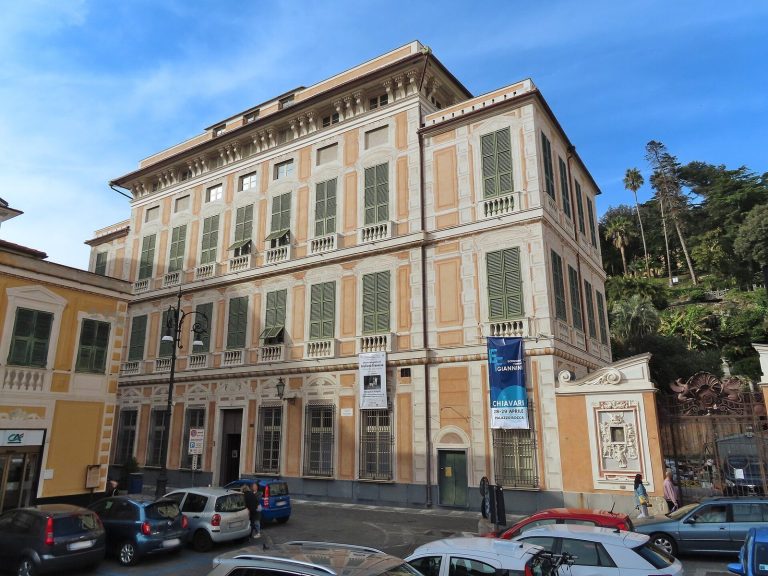
Palazzo Rocca is a seventeenth-century palace in Chiavari that houses the Civic Gallery and Archaeological Museum within a botanical park donated to…
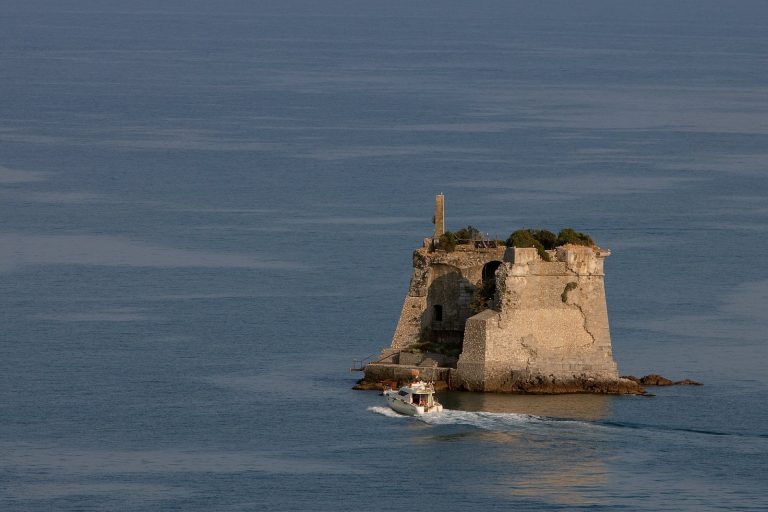
Scola Tower is a 1606 Genoese coastal fortress on a rocky islet near Palmaria, later used by several states and the Italian Navy before restoration…
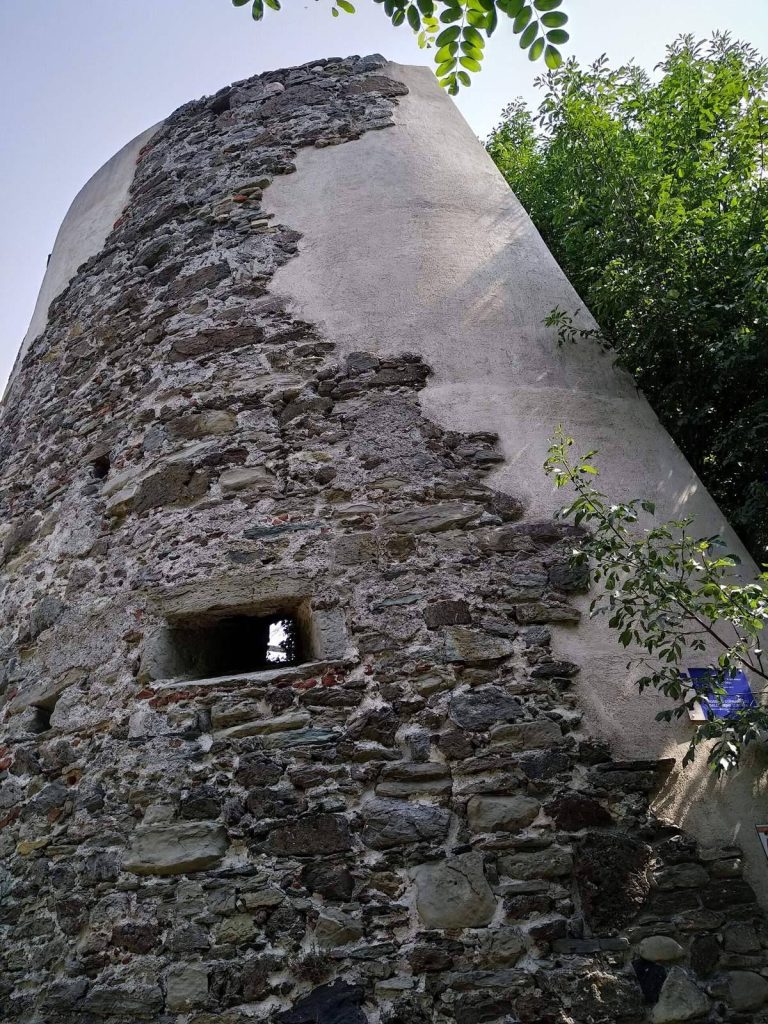
Dego Castle was a medieval fortress above Dego in the upper Bormida Valley. Its history includes Del Carretto rule, Genoese influence, changing…
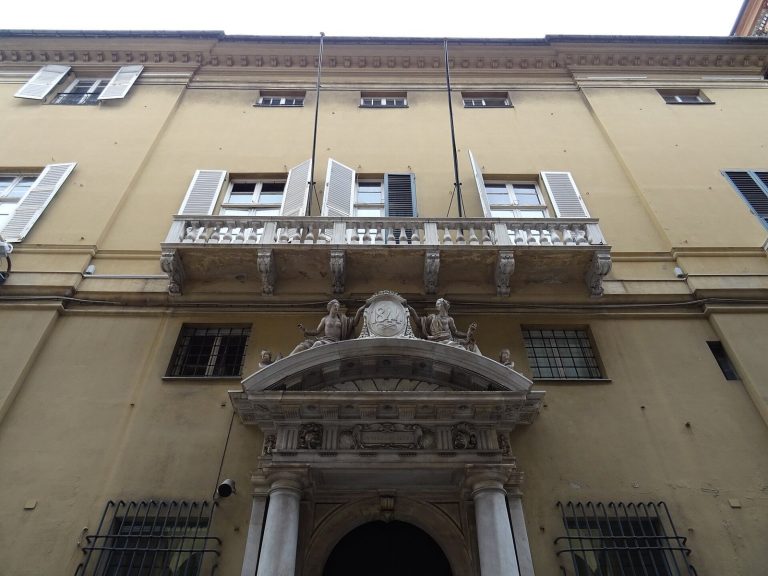
Palazzo Pantaleo Spinola, also known as Palazzo Gambaro, is a sixteenth-century Genoese palace that formed part of the Palazzi dei Rolli system and…
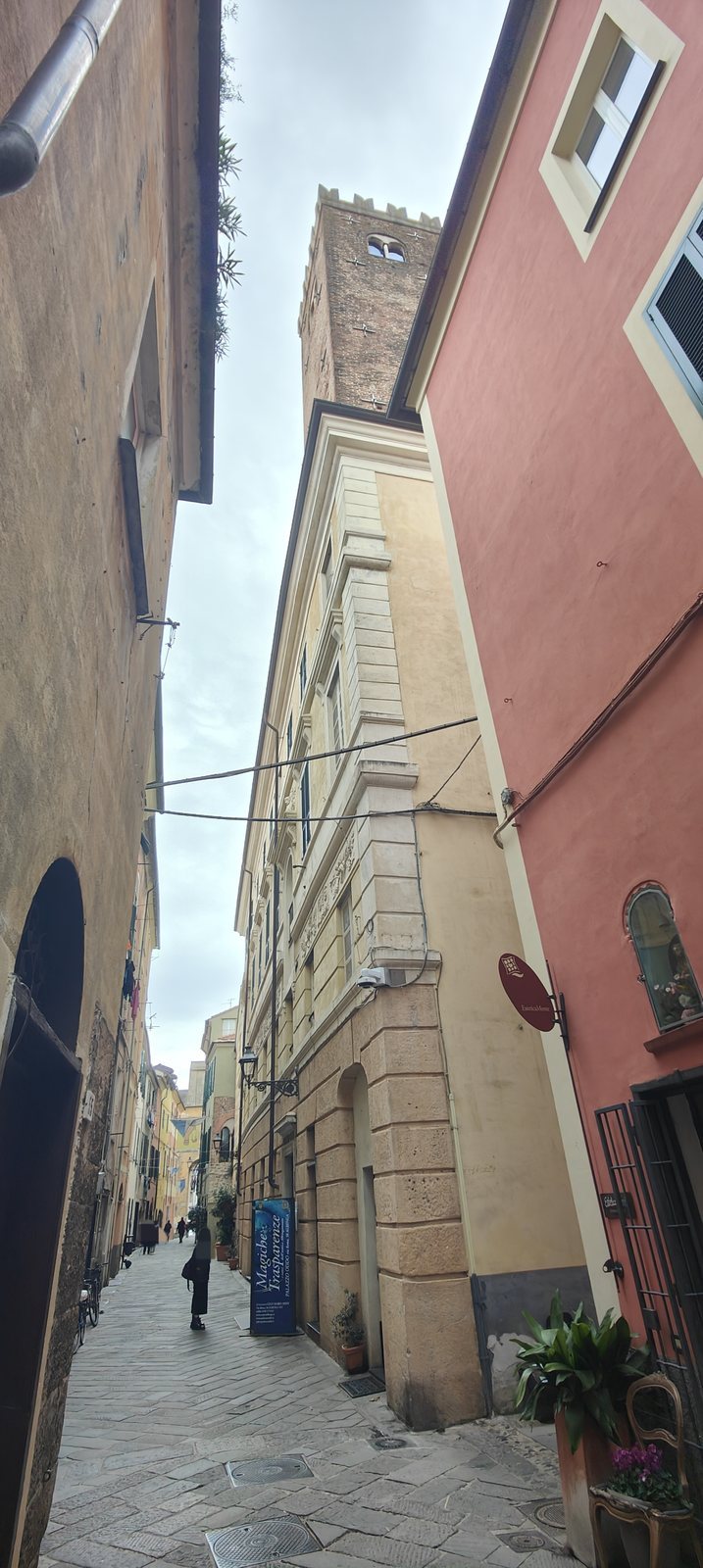
Palazzo Oddo is a historic palace and medieval tower in Albenga that developed from the Collegio Oddi, an educational institution founded in 1623.…
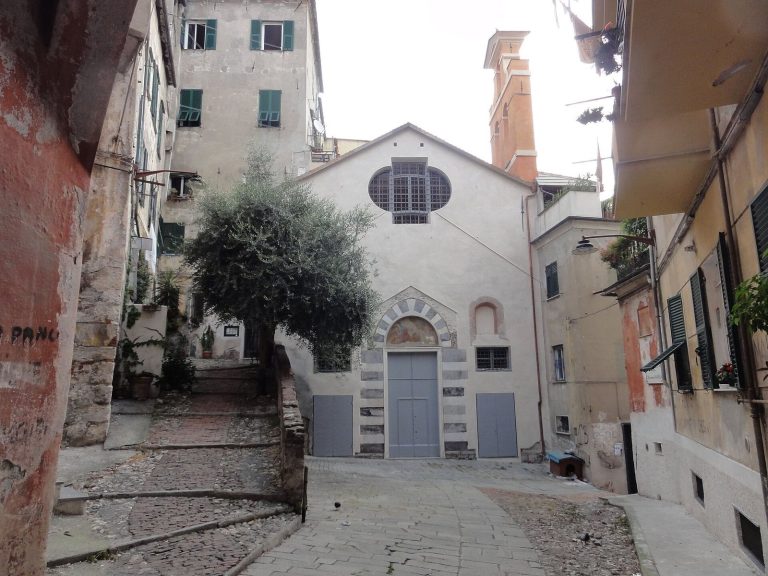
San Bartolomeo dell'Olivella in Genoa was founded as a Cistercian women's monastery in 1305. Its altered church and former monastic rooms preserve…
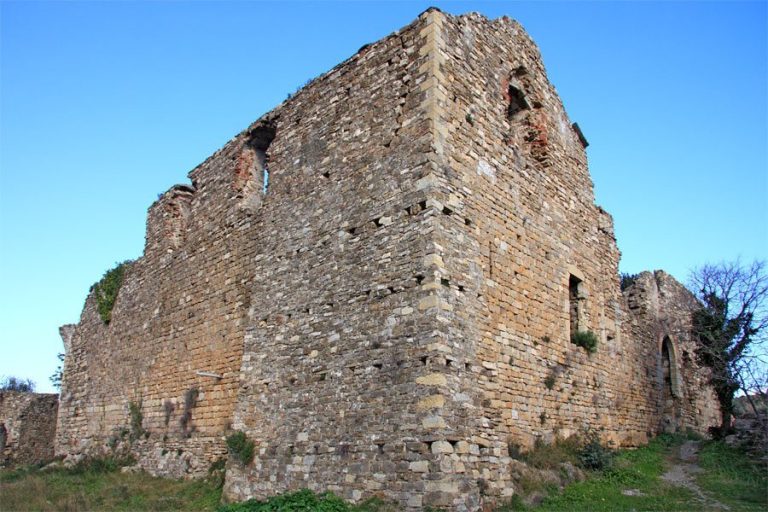
Andora Castle, founded in 1170 on the hill of Paraxu, developed from the settlement of Andora into a stronghold and administrative centre under the…
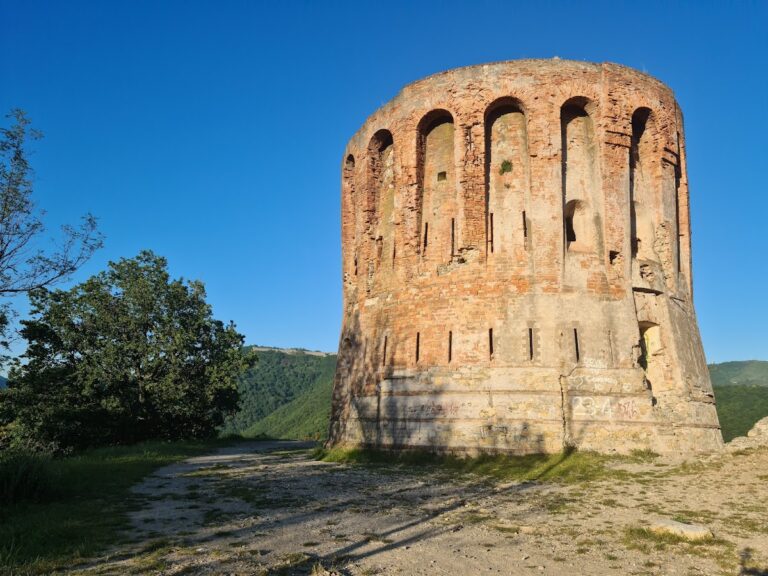
Forte Quezzi is an 18th-century fortification above Genoa’s Bisagno valley. Conceived after the 1746 threat to the city, it was rebuilt during the…
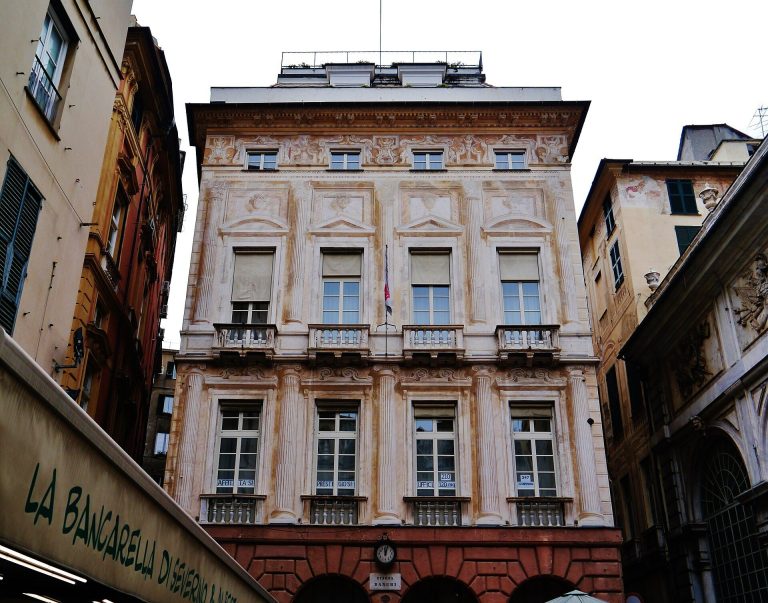
Palazzo Ambrogio Di Negro is a sixteenth-century Genoese urban palace built for the banker and doge Ambrogio Di Negro. Its frescoed façades,…
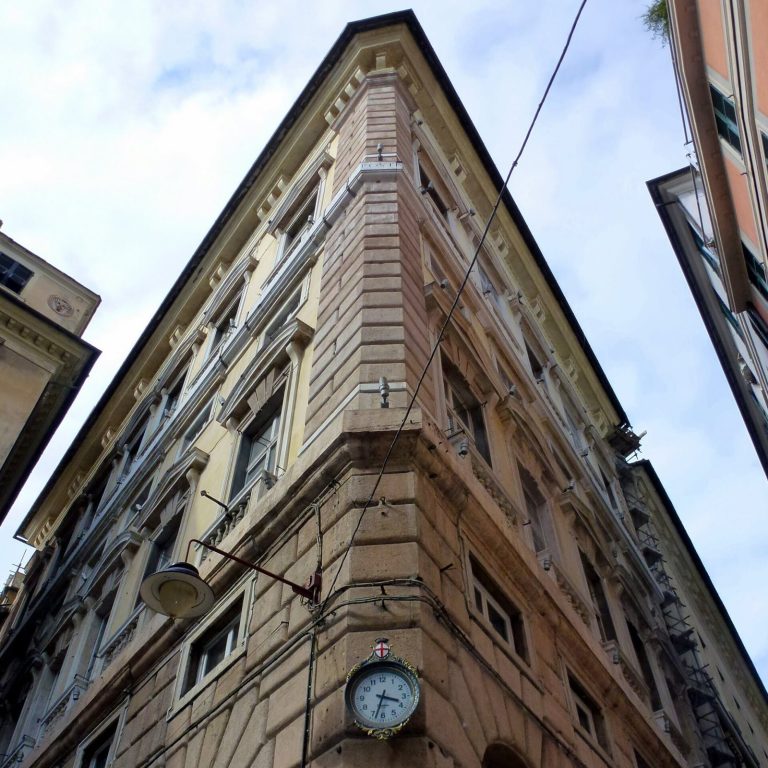
Palazzo Centurione Gio. Battista is a seventeenth-century Genoese palace built for the Centurione family and included in the Palazzi dei Rolli…
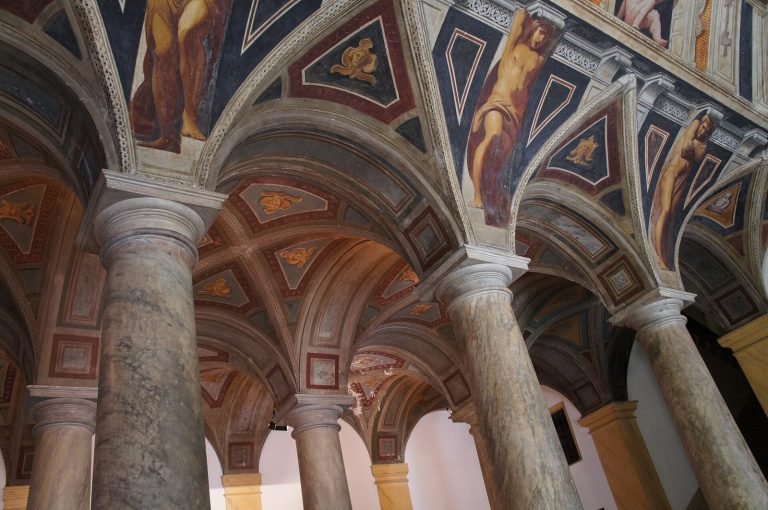
Palazzo Giacomo Lomellini in Genoa was rebuilt between 1619 and 1623 for Giacomo Lomellini, later doge of the Republic of Genoa. Its frescoes,…
For details on how to use the maps, which sites are included, how popularity and ratings are determined, and how sites are classified, see the help page.
On this page6 sections
Palazzo San Giorgio: government beside the harbour
Palazzo San Giorgio in Genoa was built in the thirteenth century as a civic palace beside the port. Its position connected the institutions of the commune with the waterfront on which much of the city’s wealth depended. The building later housed the Banco di San Giorgio, an institution central to Genoese public finance.
The complex combines a medieval section with later additions. Stone at the lower level, brickwork above and pointed arches distinguish the older building, while the seaward wing belongs to a different architectural phase. Later restoration also reshaped the medieval exterior. Its changing fabric follows the building’s long history of public use.
San Lorenzo: the cathedral of the port city
The Cathedral of San Lorenzo developed through Romanesque, Gothic and later building campaigns. Its banded dark and white stone façade, deeply framed portals and carved figures made a prominent civic as well as religious landmark.
Inside, a long nave and side aisles organised worship and processions, while chapels received further investment over time. The church places religious patronage within the same urban world as the civic palace: wealth generated through trade supported buildings intended to serve and represent the city.
Palazzo Doria Tursi: a merchant-banker’s residence
Palazzo Doria Tursi was begun in 1565 for Niccolò Grimaldi, a wealthy banker. Its entrance, courtyard and monumental stairs negotiate Genoa’s sloping ground, creating a carefully staged approach to the principal rooms.
Coloured stone and a broad façade give the palace a different appearance from the medieval civic buildings. It became part of the Rolli system, under which selected private residences hosted distinguished state guests. A family house could therefore perform a public diplomatic role, turning private wealth and domestic architecture into resources of the republic.
Gavi and Bonifacio: defending land and sea routes
Fort Gavi, inland from Genoa, guarded a route connecting the port with Piedmont. A medieval castle was enlarged and adapted for artillery, with projecting bastions allowing defenders to cover the approaches. Its later form records the continuing need to protect access through the republic’s hinterland.
In Corsica, the Citadel of Bonifacio occupies a limestone plateau above the harbour. Genoese control developed from the late twelfth century, followed by repeated work on walls, gates and artillery defences. The fortified settlement protected an important position near the strait between Corsica and Sardinia, placing an inhabited town within the republic’s maritime defensive network.
Galata: a Genoese tower at Constantinople
The Galata Tower in Istanbul was built in 1348 within the expanding Genoese settlement north of the Golden Horn. Its thick cylindrical masonry rose above the colony’s walls and waterfront, serving as a principal defensive tower.
Known in the Genoese period as the Tower of the Holy Cross, it marked the settlement’s commercial and military presence beside Byzantine Constantinople. The tower underwent substantial Ottoman and later alterations, including changes to its upper parts. Its medieval stone core remains a conspicuous survivor of the earlier fortified colony.
Kaffa: a fortified Black Sea trading centre
At Kaffa, present-day Feodosia in Crimea, Genoese merchants developed a major Black Sea port. The citadel built in the fourteenth century occupied Quarantine Hill, while a larger outer wall enclosed the expanded town.
Surviving limestone walls and towers preserve parts of this double defensive arrangement. The port connected Mediterranean shipping with routes across the Black Sea and farther into Asia. Alongside Galata, Bonifacio and Gavi, it shows the different places that sustained Genoese power: overseas trading centres, island strongholds and defended approaches to the home port.
Open the map markers or grid cards to read the individual articles across the republic’s homeland and overseas network.