Ancient Egyptian Sites: Explore Pyramids, Temples, Tombs and Obelisks
Explore ancient Egyptian sites through pyramids, temple complexes, painted tombs, settlements and stone monuments. The collection includes major remains in Egypt and Egyptian obelisks re-erected in later cities abroad. These relocated monuments retain their Egyptian carving and material, while their present surroundings belong to a different historical setting.
The examples below range from royal building projects at Dahshur to the chambers of a Theban tomb and a monolith left unfinished in its quarry. They show different stages of construction and use, including completed buildings, extensive excavated layouts and surviving decoration within rock-cut spaces.
Primary Function: All
Type: All
Country: All
Popularity: All
Rating: All
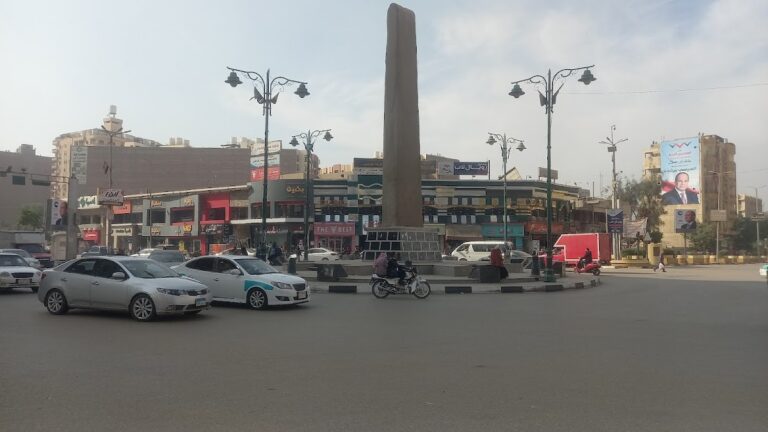
The Abgig obelisk was erected by Senusret I in the twentieth century BC near Faiyum. Its red-granite remains preserve royal images and inscriptions…
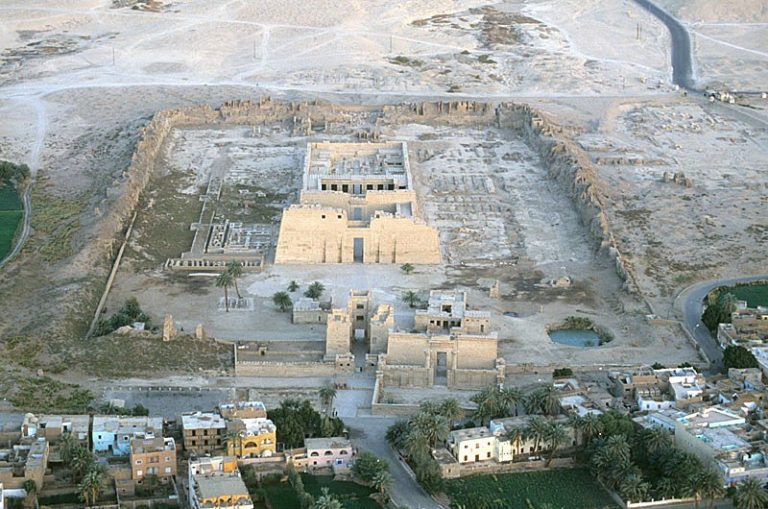
Medinet Habu on the west bank of the Nile preserves the mortuary temple of Ramesses III, earlier Amun sanctuaries, royal and administrative…
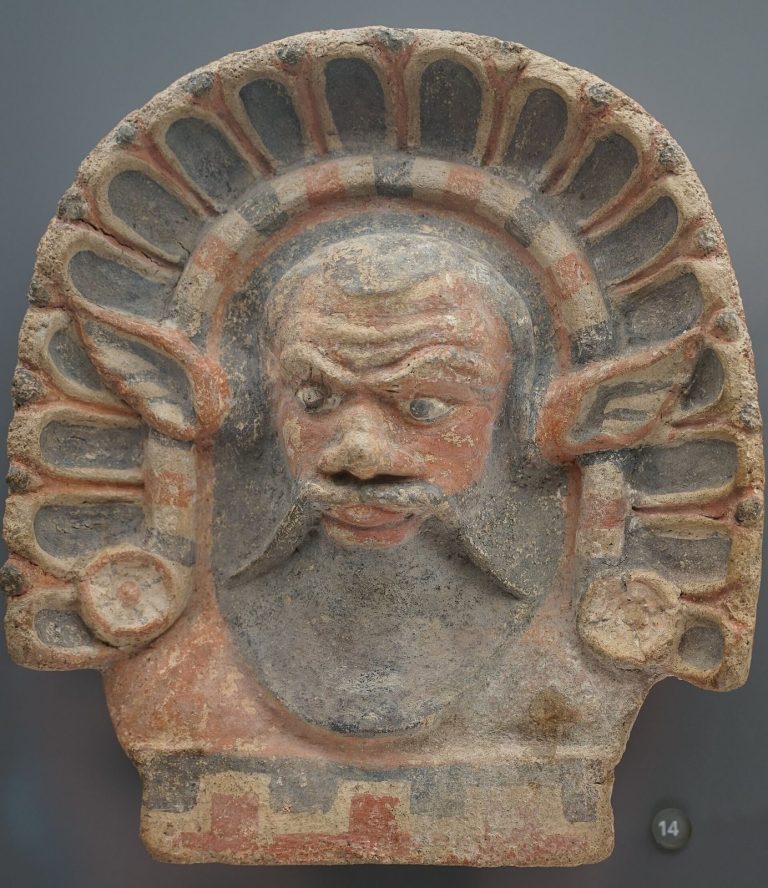
The Museum of Archaeology D. Diogo de Sousa preserves archaeological collections from northern Portugal, especially Braga and the Roman city of…
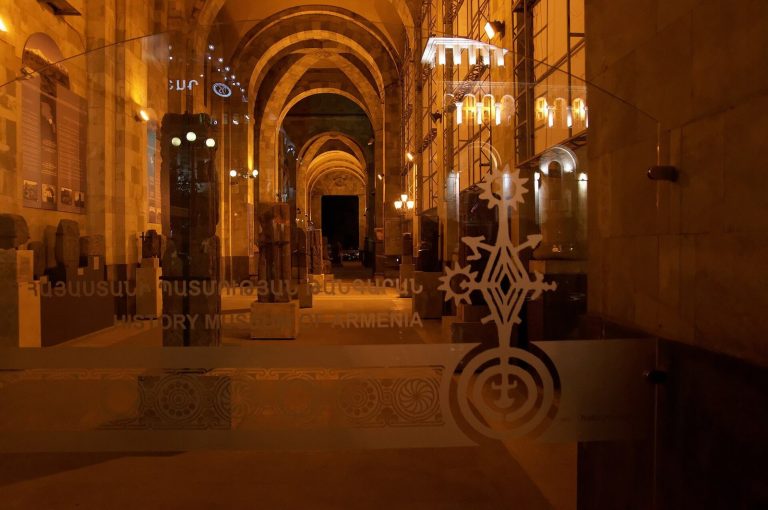
The History Museum of Armenia traces the country’s history from the Paleolithic era to the present through archaeological, ethnographic, numismatic,…
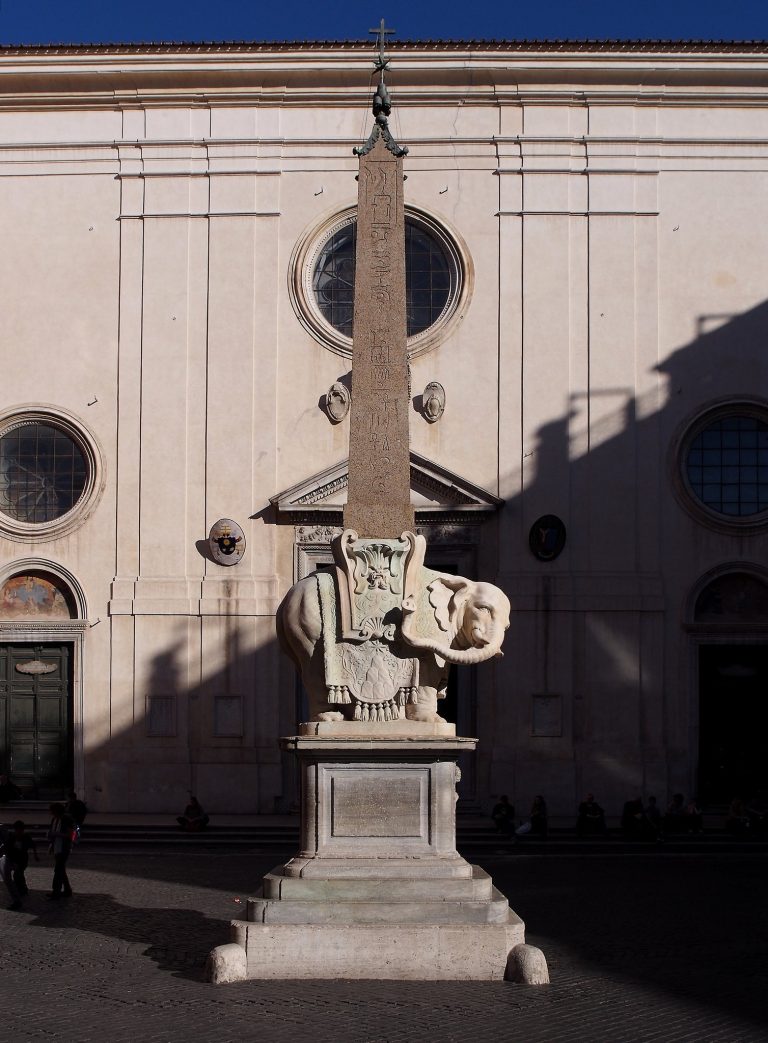
Elephant and Obelisk is a 1667 Baroque monument in Rome’s Piazza della Minerva, combining an ancient Egyptian obelisk with a marble elephant designed…
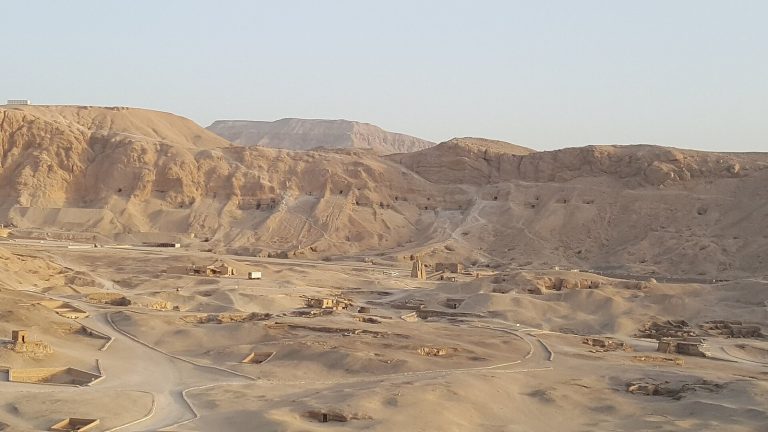
El-Assasif developed over many centuries as a Theban cemetery and festival landscape, with royal processional routes, rock-cut tombs, and monumental…
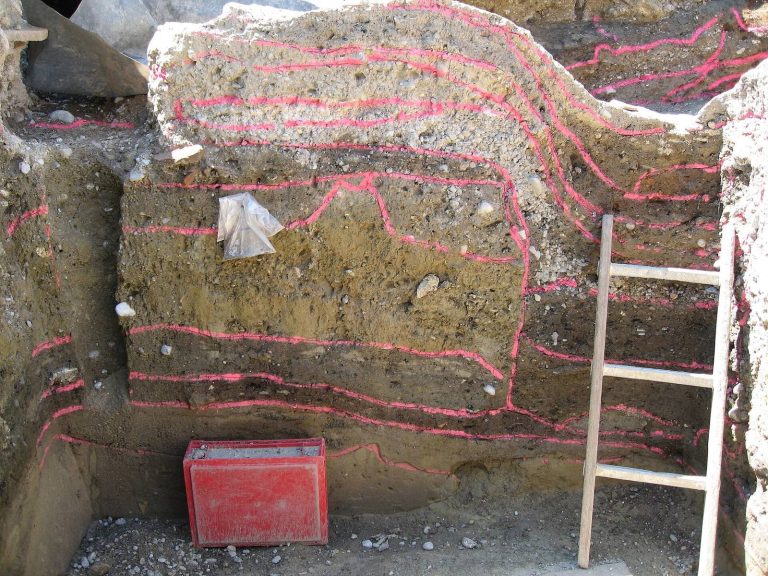
Founded in the sixteenth century BC in Egypt’s Wadi Tumilat, Tell el-Maschuta developed into a canal-linked trading center before becoming a…
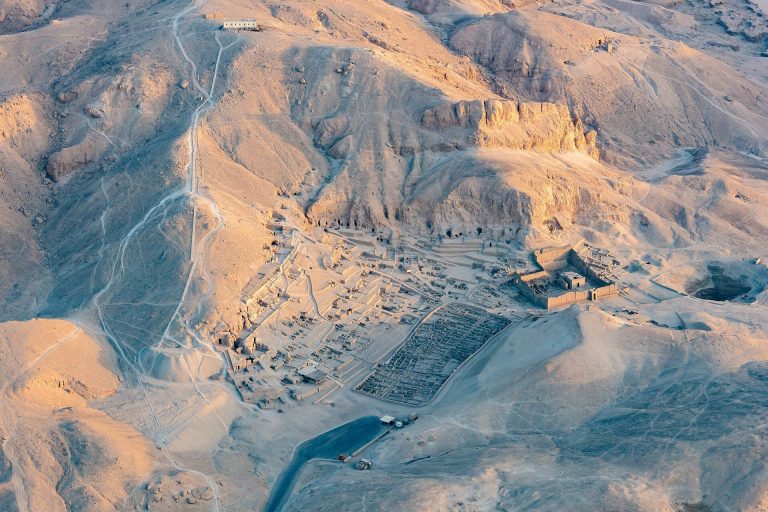
Deir el-Medina was a New Kingdom settlement for the artisans and officials who built and decorated royal tombs near Luxor. Its houses, tombs,…
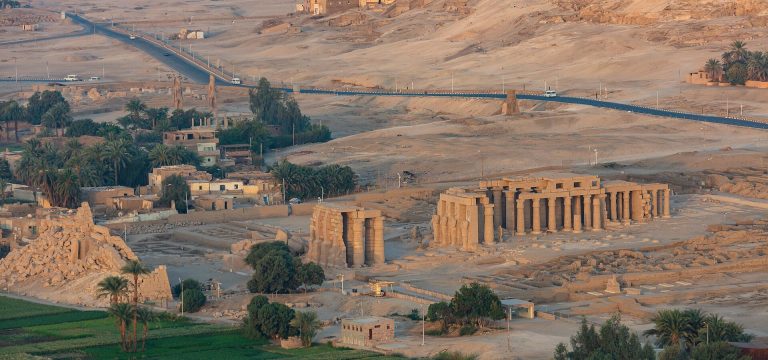
The Ramesseum was Ramesses II’s New Kingdom mortuary temple at Thebes, serving as a royal cult, administrative, economic, and scribal centre. Its…
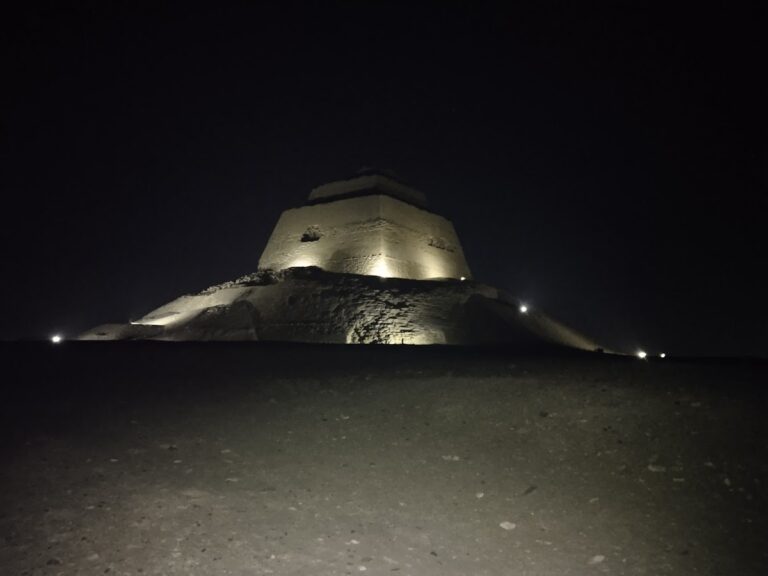
Meidum Pyramid was begun by Sneferu during Egypt’s Fourth Dynasty and transformed from a stepped pyramid into a smooth-sided monument. Its surviving…
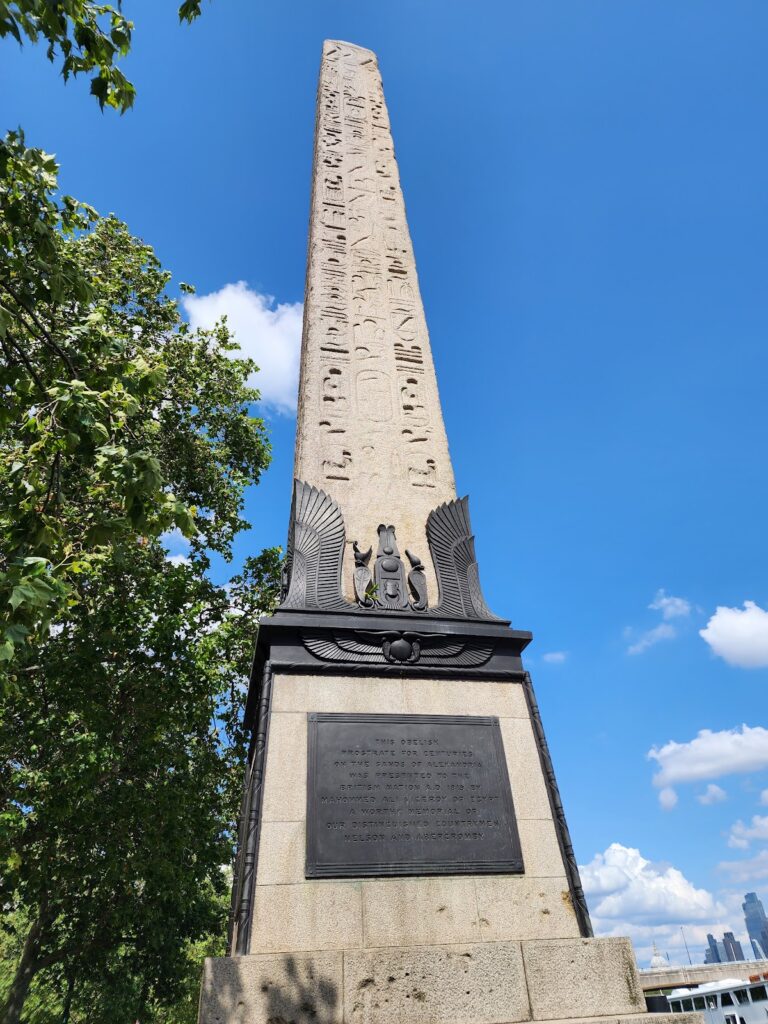
Cleopatra's Needle is an ancient Egyptian obelisk erected at Heliopolis around 1450 BC and transferred to London in 1878 after a difficult…

The Museo Archeologico Regionale in Aosta presents prehistoric, Roman, and medieval material from the Aosta Valley, while preserving Roman city-gate…
For details on how to use the maps, which sites are included, how popularity and ratings are determined, and how sites are classified, see the help page.
On this page6 sections
Pyramid construction at Dahshur
The Bent Pyramid changes angle partway up its faces. Its lower slopes rise steeply before the upper section continues at a shallower inclination. This visible change belongs to the development of the monument during the reign of Sneferu, whose builders altered the project while construction was under way.
Nearby, the Red Pyramid rises at a consistently shallow angle. The reddish limestone core gives it its modern name, but the completed building was faced with white limestone. Most of that casing was subsequently removed, leaving the core exposed.
The two pyramids preserve different profiles within the same royal building programme. Their immense masonry bodies also show differing survival of the external stonework, with much more casing retained at the Bent Pyramid.
Temple courts and columns at Luxor
Luxor occupies the site of ancient Thebes. The principal temple districts stood east of the Nile, while royal and private burial areas and mortuary temples occupied the western side. Large surviving courts, gateways and columned spaces preserve the religious architecture of this extensive city.
The Karnak and Luxor temple areas were connected by a processional route lined with sphinxes. Their buildings developed through successive royal campaigns, so the temples contain additions and alterations rather than the work of a single pharaoh. The river and the opposing temple and burial districts provide the broader setting for those surviving structures.
Painted chambers in Nefertari’s tomb
The Tomb of Nefertari descends into the rock of the Valley of the Queens. Stairways connect an antechamber and side rooms with a larger pillared burial chamber below. Ramps between the steps helped lower the sarcophagus through the confined passages.
Painted plaster covers much of the interior, with the decoration following the walls, pillars and changing levels of the tomb. Conservation consolidated unstable plaster and pigment, addressing damage from salts and the surrounding environment.
Obelisks in the quarry and abroad
The Unfinished Obelisk at Aswan remains attached to the granite bedrock. Trenches expose its sides, but its underside was never released and the shaft was neither polished nor inscribed. The abandoned monolith preserves part of the process normally hidden once a finished obelisk had been erected.
The Lateran Obelisk in Rome represents a completed monument with a long history of relocation. Made for an Egyptian temple setting under Thutmose III and Thutmose IV, it was transported to Rome in antiquity. After falling and breaking, its fragments were restored and re-erected near the Lateran in 1588.
Its Egyptian granite shaft is ancient, while the pedestal, crowning elements and urban setting reflect later use. The comparison follows the stone from quarrying to erection and subsequent reuse without treating Rome as its original location.
Streets and domestic buildings at Amarna
Amarna preserves the excavated layout of Akhenaten’s capital, Akhetaten. A broad north–south road connected royal, administrative and residential districts, with cross streets organizing the adjoining areas. Mudbrick houses, storage facilities and courts reveal parts of the settlement beyond its ceremonial buildings.
Many walls survive at low level, but the extensive plan allows buildings and neighbourhoods to be understood together. Stone foundations also mark structures dismantled after the city’s abandonment. Amarna adds a settlement-scale example to a collection particularly rich in temples, tombs and royal monuments.
Explore the collection
Explore sites on the map or in the grid. Map icons reflect each site’s primary function, helping you identify different kinds of places at a glance. Refine the results by country, primary function, site type and era. Popularity and rating filters provide further refinements. Select a map marker to view the site’s details and open its article, or open the article from its grid entry.