Museo Archeologico Regionale: An Archaeological Museum in Aosta, Italy


Site at a Glance
- Rating
- 4.4
- Popularity
- Low
- Country
- Italy
- Primary era
- Classical
- External website
- Open
- Eras represented
- Bronze Age, Iron Age, Classical, Medieval
- Civilizations
- Ancient Greek, Celtic, Egyptian, Etruscan, Roman
- Site type
- Museum
On this page9 sections
History
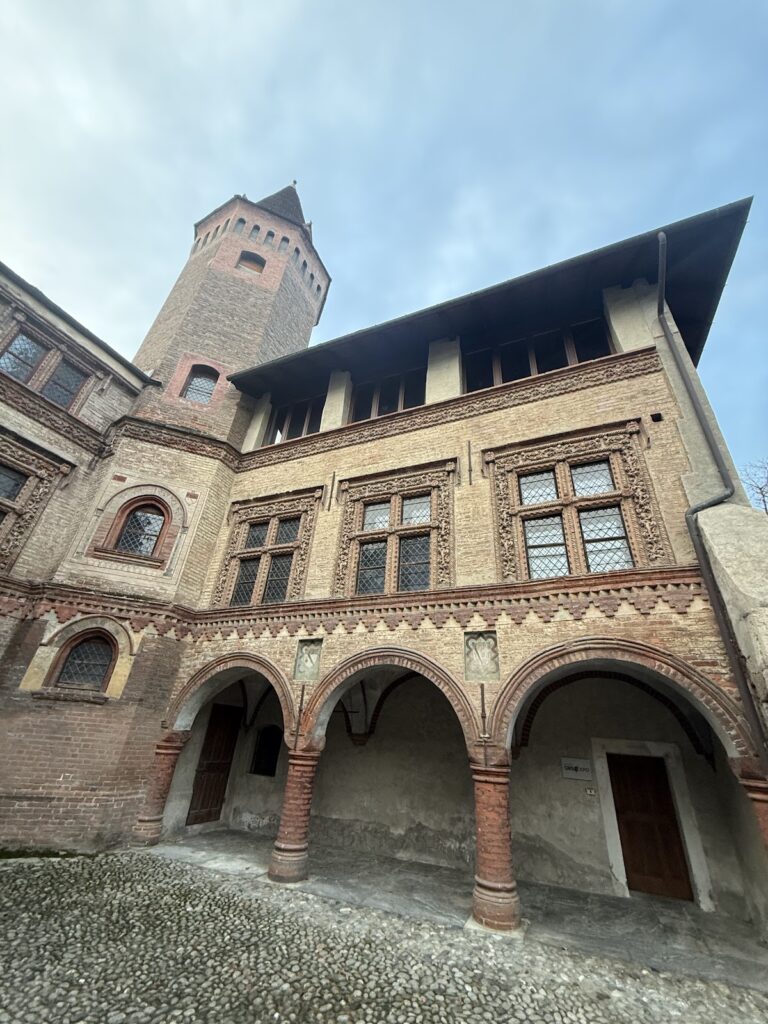
Museo Archeologico Regionale is an archaeological museum in Aosta, Italy, officially opened to the public on 15 October 2004. It occupies a historic building associated with the Vaudan noble family, while its foundations preserve remains of the Roman city of Augusta Praetoria Salassorum, established at the site of modern Aosta.
Roman Origins
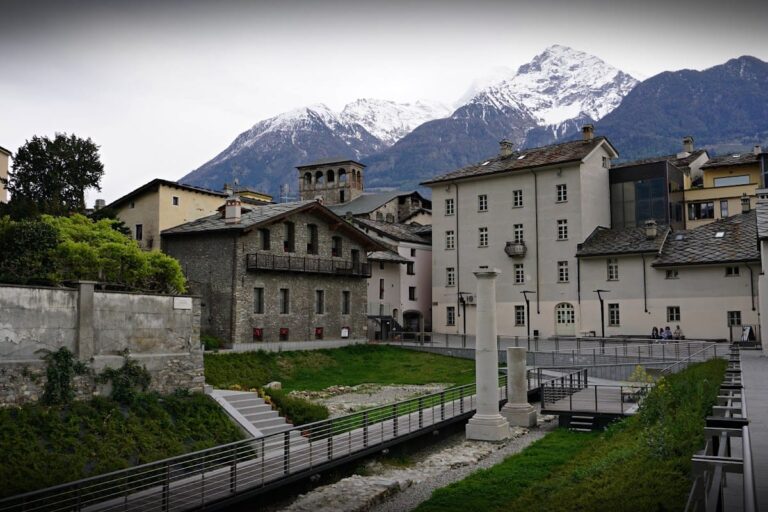
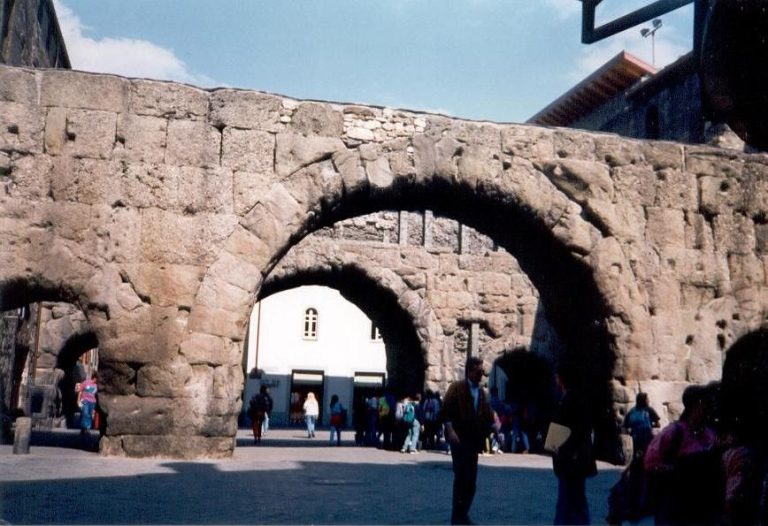
The museum stands over the Roman Porta Principalis Sinistra, a principal gate on the left side of the military-style urban layout of Augusta Praetoria Salassorum. Excavations beneath the building uncovered part of the gate and related Roman-use levels. The excavated area can be reached from the museum by walkways, allowing the archaeological remains to be understood within the later building that now shelters them.
From Noble Residence to Barracks
The building was formerly a fortified residence of the Vaudan family. In 1633, it became the Convent of the Visitation, founded through the initiative of Marquis Pierre-Philibert de Roncas and his wife, Émérentienne de Vaudan. The convent provided a residence for the religious community associated with Saint Jane Frances de Chantal. From 1802, the complex served as the Challant Barracks. Other wings later had varied uses, including stables, a theatre, and storage for agricultural tools.
Creation of the Museum
The museum brings together archaeological material from across the Aosta Valley and arranges it chronologically. Its holdings cover prehistoric, Roman, and medieval periods, alongside the Pautasso Numismatic Collection and the Carugo Collection. The institution is designated as an Italian cultural property and holds Italian national heritage status.
Remains
Roman Gate and Defences
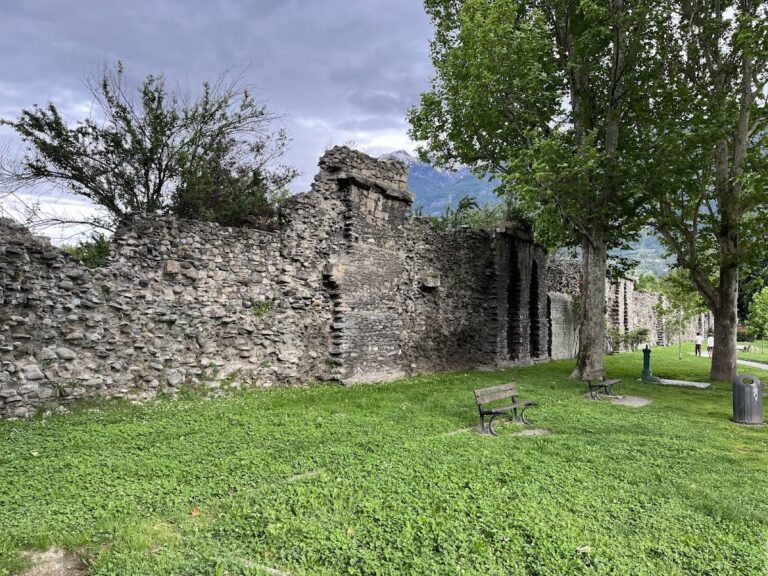
The archaeological area beneath the museum contains the southwestern corner of the eastern tower of the Porta Principalis Sinistra, together with layers associated with Roman use. An earthen rampart remains attached to a section of the Roman city wall, and a counterscarp, a retaining or defensive wall along the outer side of an embankment, is associated with it. A model of Augusta Praetoria Salassorum inside the museum reconstructs the Roman city from the remains of buildings visible in Aosta.
Prehistoric and Roman Collections
The prehistoric displays include funerary ornaments, glass objects, terracotta vessels, and anthropomorphic stelae, carved upright stones given human form. This material is associated with the collection housed at the Saint-Martin-de-Corléans megalithic area. Roman exhibits include funerary objects, glass tableware such as plates and drinking vessels, parts of statues, objects from the theatre, cutlery, and ordinary games.
Medieval Collections
The medieval collection includes part of an eighth-century ambon, a raised Christian platform used for readings or preaching, found during excavations at Aosta Cathedral. Funerary assemblages range from the fourth to the fourteenth centuries and include gilded glasses decorated with processions of saints. A knight’s sword and spurs from the Collegiate Church of Sant’Orso are also preserved in the collection.
Numismatic and Antiquities Collections
The Pautasso Numismatic Collection contains coins from the Greek period through the Savoy period, the era associated with the House of Savoy, including Celtic, Gallic, and Po Valley issues. The Carugo Collection extends beyond the regional sequence with material from Etruscan civilization, ancient Egypt, and Mesopotamia.