Historic Sites in Slovenia: Explore Cliffside Castles, Palaces and Churches
Explore historic sites in Slovenia, including lakeside castles, cliffside residences, medieval fortresses and pilgrimage churches. Castles form the largest group in the collection. Examples at Bled, Predjama, Celje and Ptuj show how courtyards, towers and residential wings fit their terrain, while the churches on Bled Island and at Zaplaz preserve buildings from different periods.
Primary Function: All
Type: All
Civilization: All
Popularity: All
Rating: All
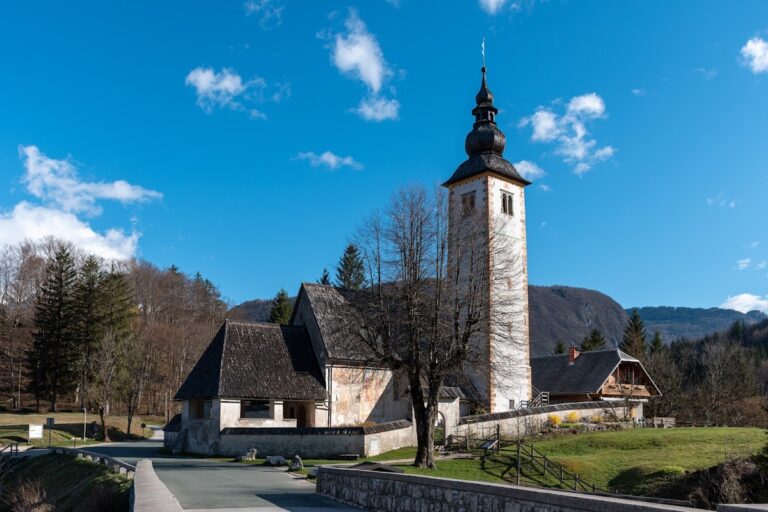
St. John the Baptist's Church in Ribčev Laz is a medieval lakeside church with Romanesque origins, later Gothic and Baroque alterations, and…
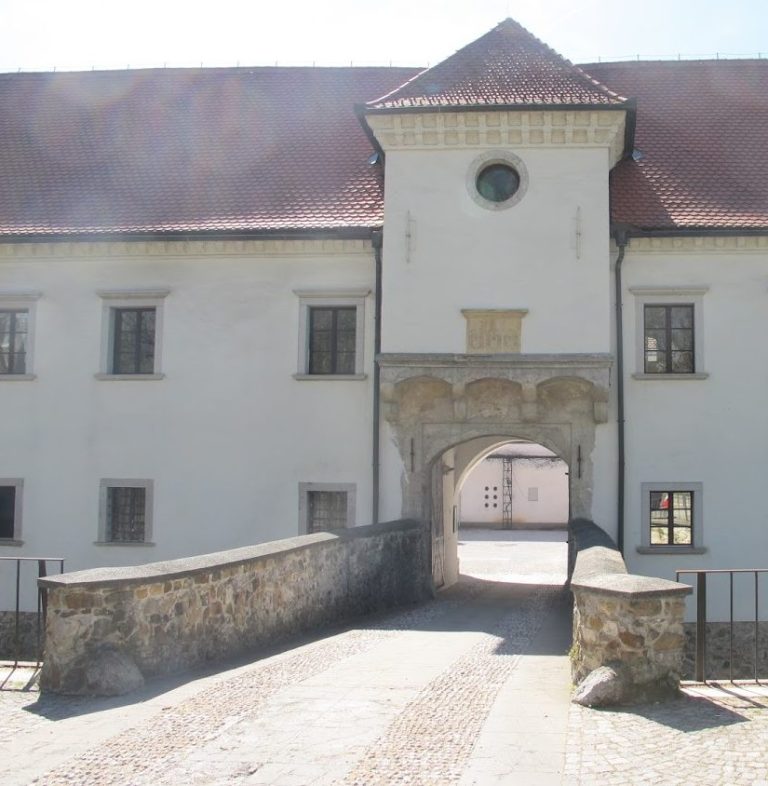
Fužine Castle is a Renaissance castle complex on the Ljubljanica in southeastern Ljubljana, built by the Khisl family and later transformed into a…
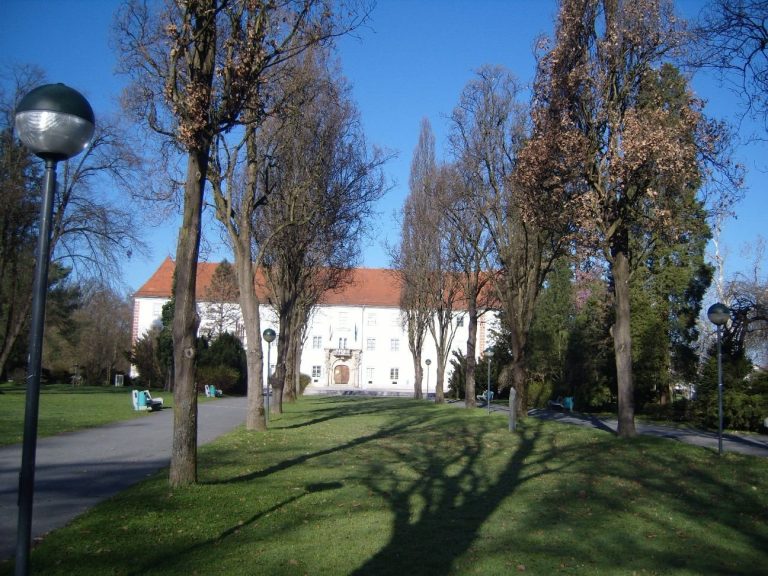
Murska Sobota Castle developed from a medieval manor into a Baroque residence and later became a municipal cultural center housing the Murska Sobota…
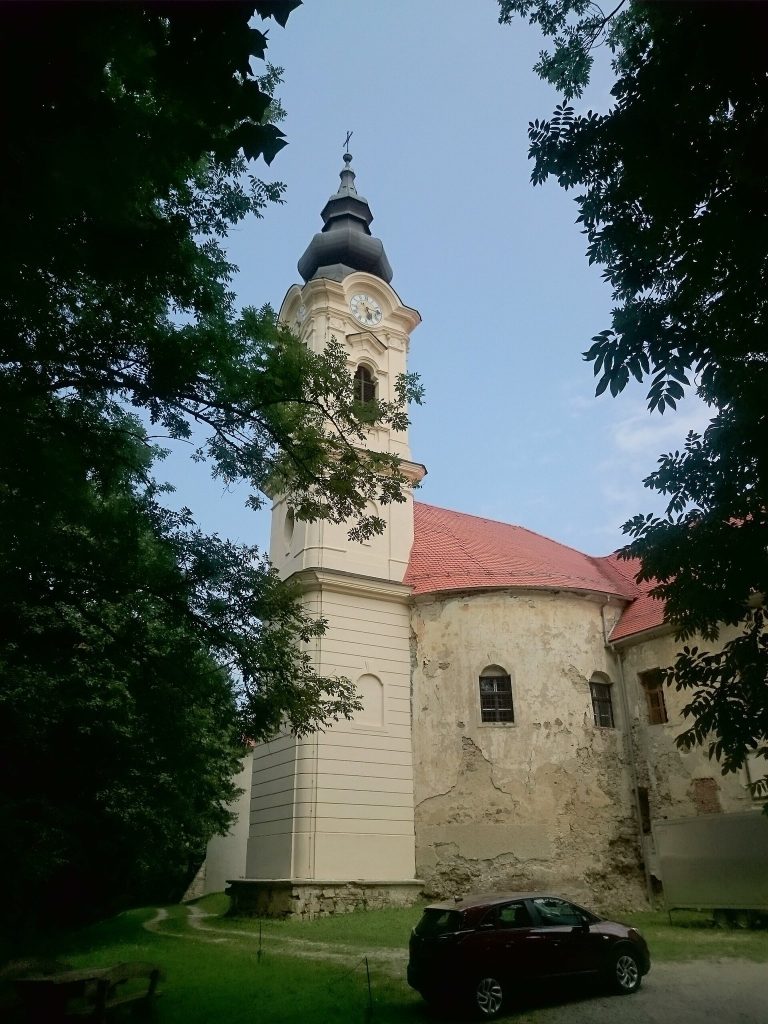
Grad Castle in northeastern Slovenia developed from a medieval fortification into a large aristocratic residence, with surviving Romanesque, Gothic,…
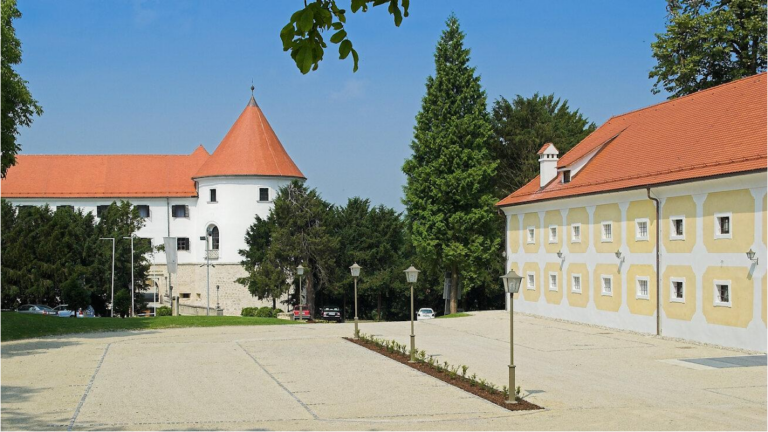
Mokrice Castle is a medieval stronghold in southeastern Slovenia, rebuilt in the sixteenth century and shaped by centuries of noble ownership,…
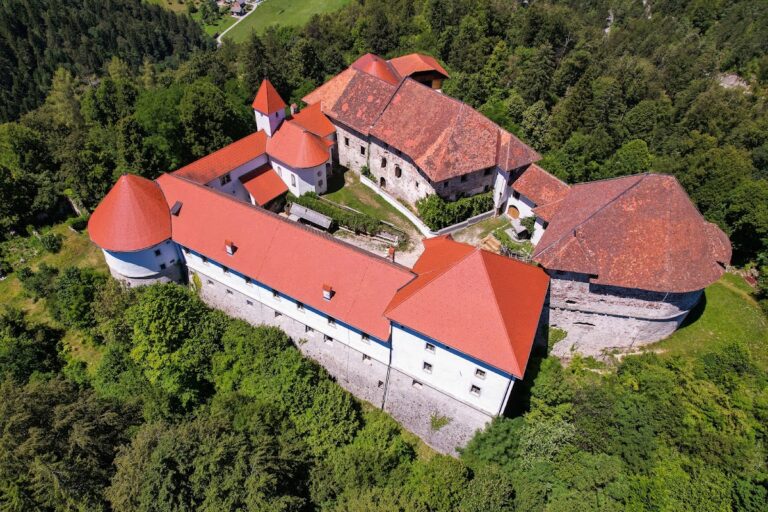
Turjak Castle in Lower Carniola developed from medieval Auersperg fortifications into a Renaissance defensive complex. Its history includes Ottoman…
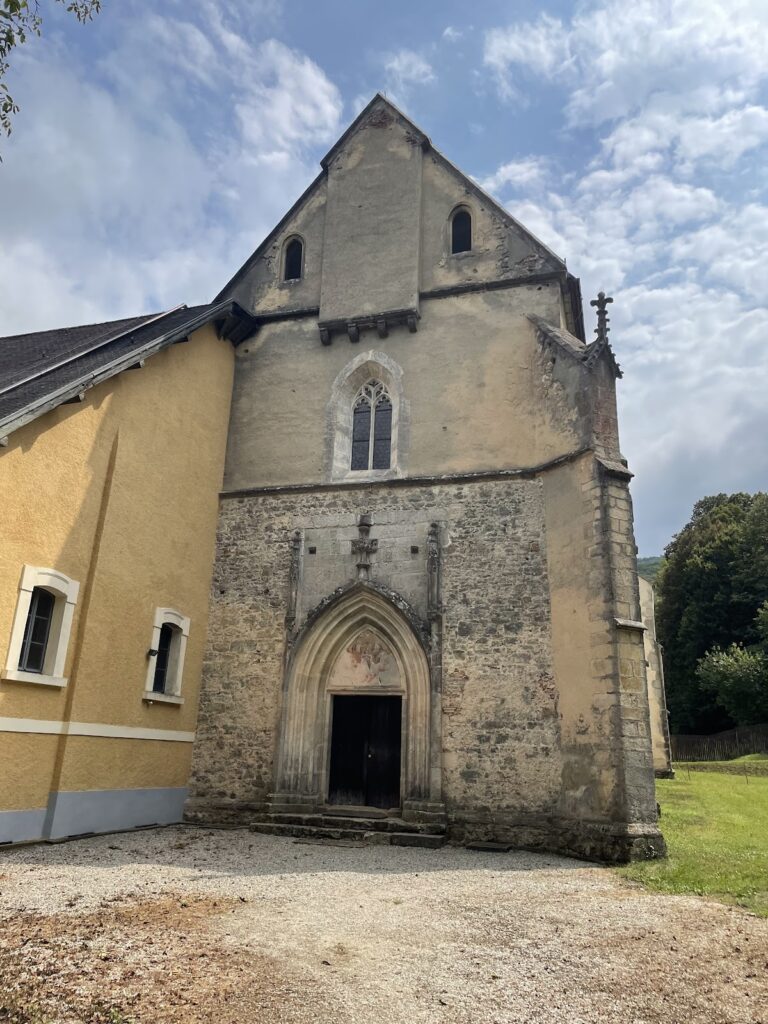
Pleterje Charterhouse, founded in 1403 near Šentjernej, is Slovenia’s only active Carthusian monastery. Its Gothic church, fortified monastic…
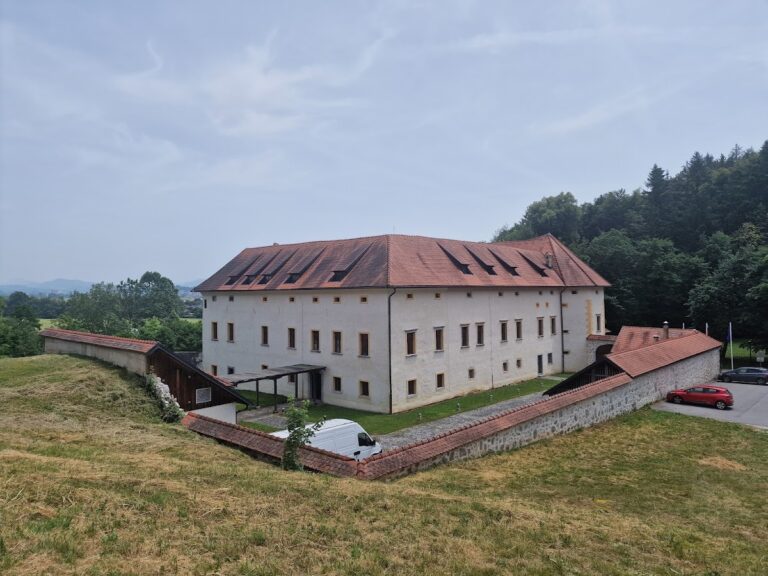
Jablje Castle in Loka pri Mengšu developed from a medieval site into a sixteenth-century residence, passed through several noble families, and now…
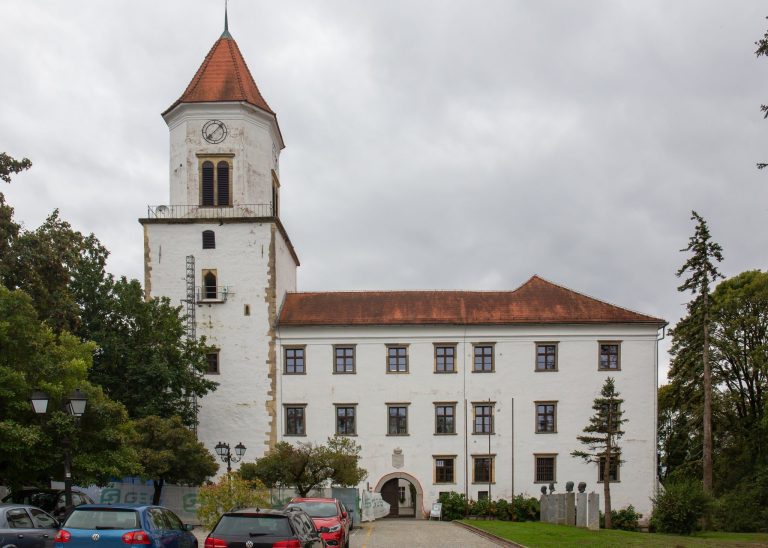
Ormož Castle developed from a 13th-century border stronghold into a Baroque-Classicist residence and cultural complex, reflecting centuries of noble…
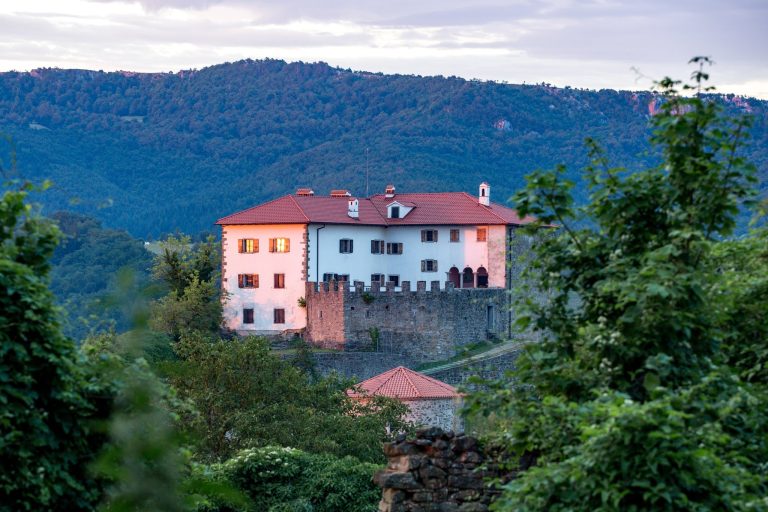
Prem Castle overlooks the Reka River near Ilirska Bistrica and preserves a layered history of medieval lordship, Habsburg expansion, Ottoman-era…
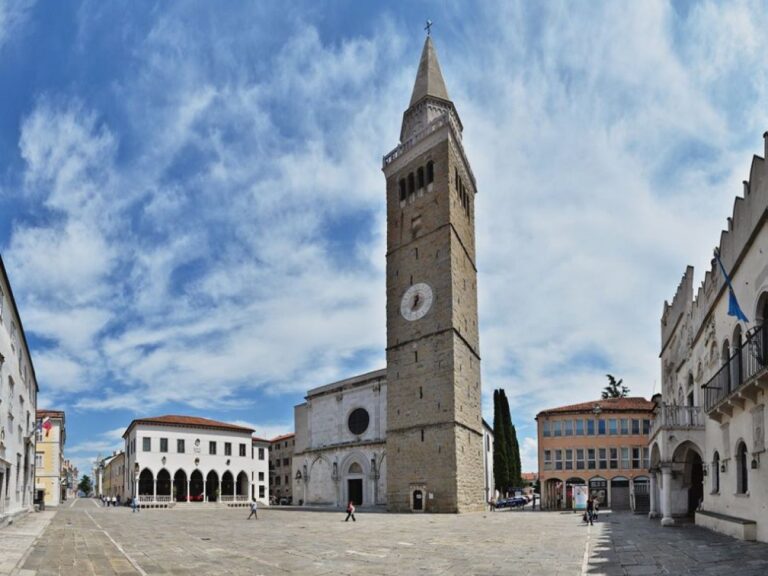
The Assumption of Mary Church in Koper, Slovenia, is a Roman Catholic cathedral whose history reaches back to the medieval period. Its Romanesque…
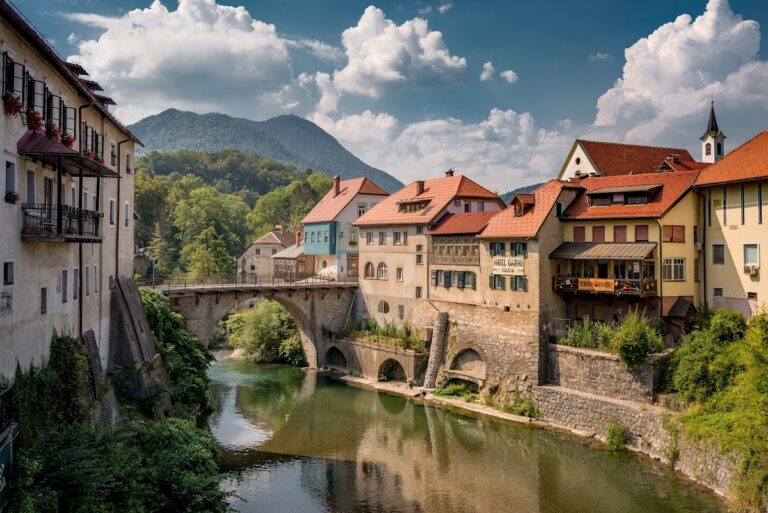
Capuchin Bridge is a medieval stone arch crossing over the Selška Sora in Škofja Loka. Built under the Bishops of Freising, it later formed part of…
For details on how to use the maps, which sites are included, how popularity and ratings are determined, and how sites are classified, see the help page.
On this page5 sections
Lakeside and cliff castles
Bled Castle stands on a steep outcrop above Lake Bled. Its buildings occupy two courtyards, with service spaces below and a more strongly protected residential area above. Towers and a curtain wall surround the complex, while stairs connect the different levels. Earlier masonry survives within buildings whose dominant appearance reflects later medieval and Renaissance development.
Predjama Castle is built into a large cave opening beneath a high rock wall. The cliff supplies part of the building’s enclosure and support, while the natural cave system extends behind it. The present multi-storey residence largely belongs to sixteenth-century Renaissance rebuilding around an older core. Its position within the rock gives it a very different arrangement from Bled’s buildings spread across the summit of an outcrop.
Fortresses and defensive towers
Celje Castle occupies a ridge above the Savinja valley. The ruined complex developed from an early residential building into a larger enclosure with reinforced approaches and courtyards. Its exposed eastern side received particularly strong walls, while natural cliffs protected other parts.
Frederick’s Tower, added around 1400, is one of the most substantial surviving structures. The four-storey tower and adjoining walls preserve the scale of the later medieval stronghold associated with the Counts of Celje. Remains of the residential areas and water reservoirs show that the enclosure also had to accommodate a household and maintain its own supplies on the ridge.
Castles and arcaded residences
Ptuj Castle overlooks the Drava from a site with several earlier phases of occupation. A stone perimeter wall and remains of a bastion retain its defensive character, but the main buildings have developed into a three-wing residence. Open arcaded galleries face the courtyard across several storeys.
The wings combine Romanesque, Renaissance and Baroque elements. Gates carrying the coats of arms of former owners lead into the courtyard, while the older west tower survives in the outer area. These separate features explain the transition from a fortified position to a residence arranged around connected rooms and galleries, without assigning all its buildings to the earliest castle phase.
Pilgrimage churches and decorated interiors
The Assumption of Mary Church on Bled Island contains an older Gothic building remodelled in the Baroque style. Its rectangular nave, side chapels and narrower sanctuary form a compact plan. Baroque vaulting and carved altars define the interior, with the principal wooden altar occupying the sanctuary. These visible features belong to later rebuilding on an island with a much longer sequence of religious construction.
The Assumption of Mary Church at Zaplaz is a different, largely twentieth-century building. Its Neo-Renaissance exterior has paired towers, pilasters, triangular pediments and tall rounded windows. Inside, a coffered wooden ceiling covers the nave, while the sanctuary has a masonry vault.
Explore the collection
Explore sites on the map or in the grid. Map icons indicate each site’s primary function, helping you identify different kinds of places at a glance. Narrow the results by primary function, site type, civilization or era, with additional filters for popularity and rating. Select a map marker to view the site’s details and open its article, or open the article from its grid entry.