Historic Sites in Portugal: Explore Castles, Roman Ruins and Monasteries
Explore more than 300 historic sites in Portugal, including castles, fortified palaces, Roman towns, temples, aqueducts and monasteries. Castles form the largest group in the collection. The examples below include mosaic-floored houses at Conímbriga, standing Roman columns in Évora, medieval enclosures, sixteenth-century waterworks and the religious and residential rooms of royal foundations.
Primary Function: All
Type: All
Civilization: All
Popularity: All
Rating: All
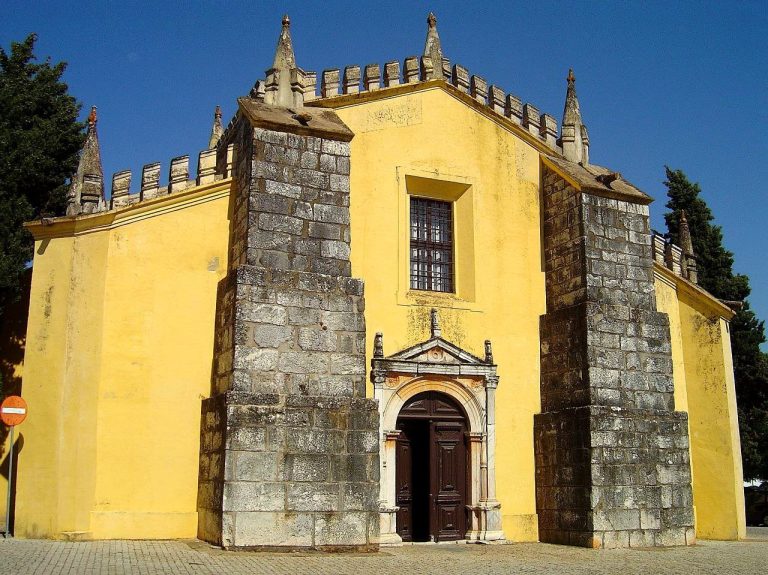
Igreja de Nossa Senhora da Assunção in Alvito developed from a medieval church through major late Gothic, Manueline, Renaissance, and later Baroque…
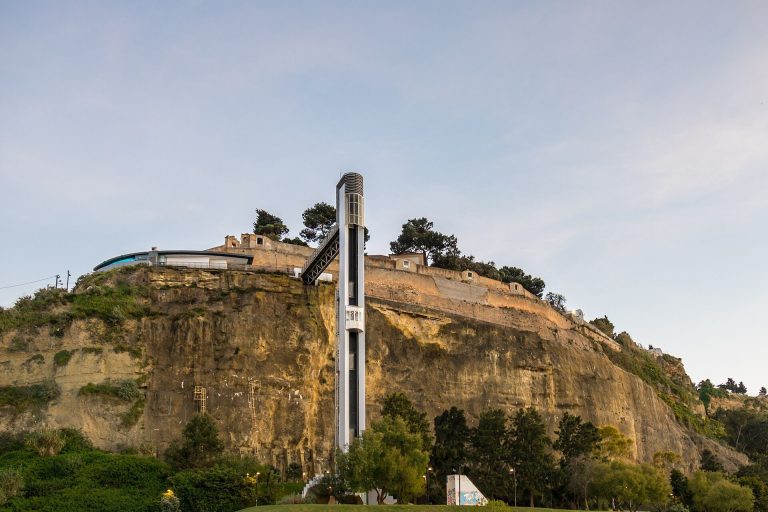
The Castle of Almada developed from a medieval defensive position into a layered fortification protecting the southern approach to Lisbon, later…
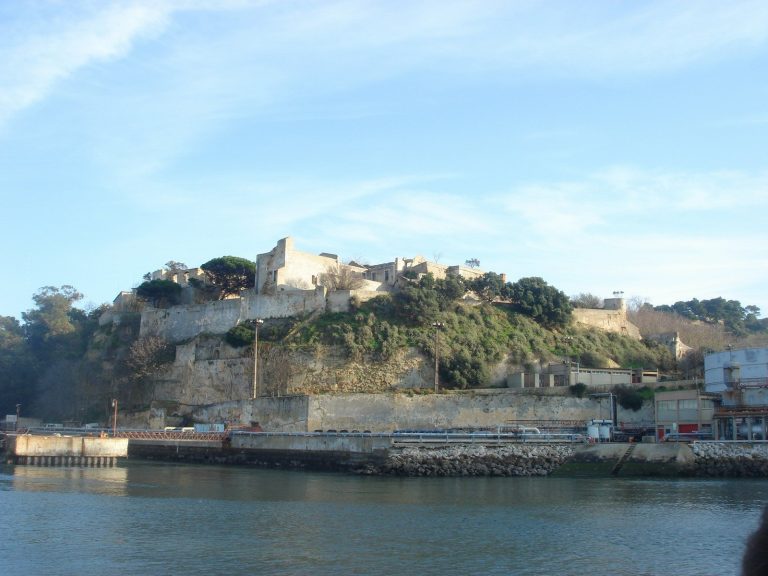
The Fort of São Sebastião de Caparica is a medieval and Renaissance fortification on the southern bank of the Tagus, developed to defend the estuary…
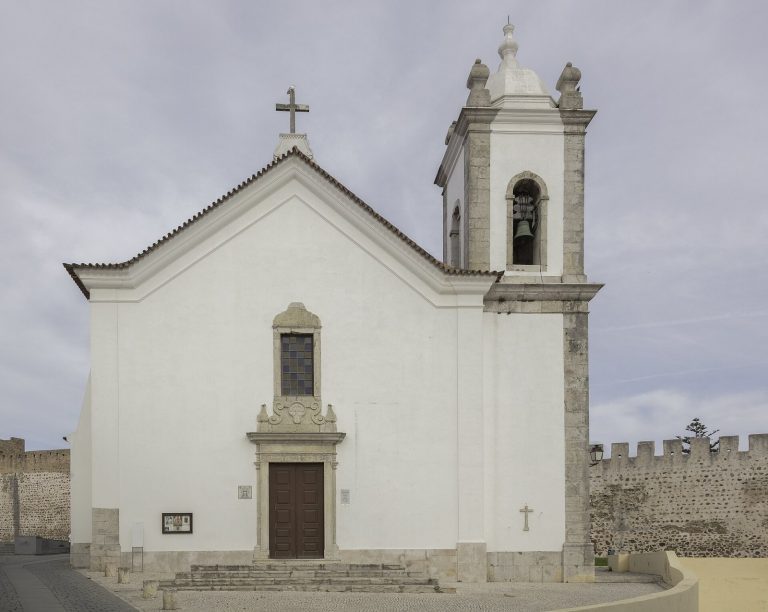
The Igreja de São Salvador, matriz de Sines, preserves the history of an early Christian sanctuary, a medieval church, and an extensive…
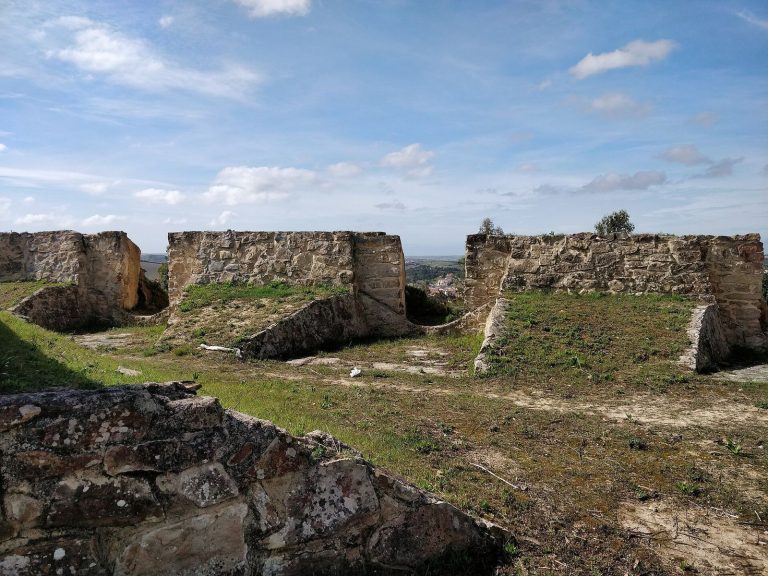
Fort of Olheiros, also called the Fort of Canudo, was built in 1809–1810 as the most northerly position in the Lines of Torres Vedras. Its restored…
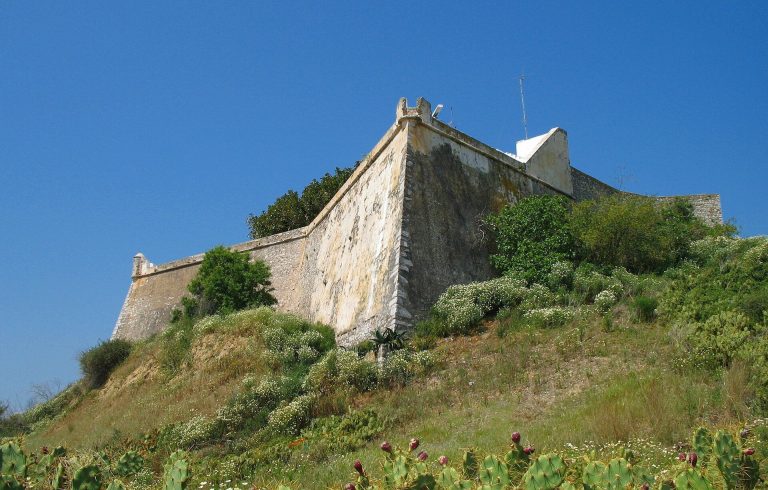
The Fortress of Cacela overlooks the mouth of the Ria Formosa in Portugal and preserves evidence of Muslim, medieval Portuguese, and late…
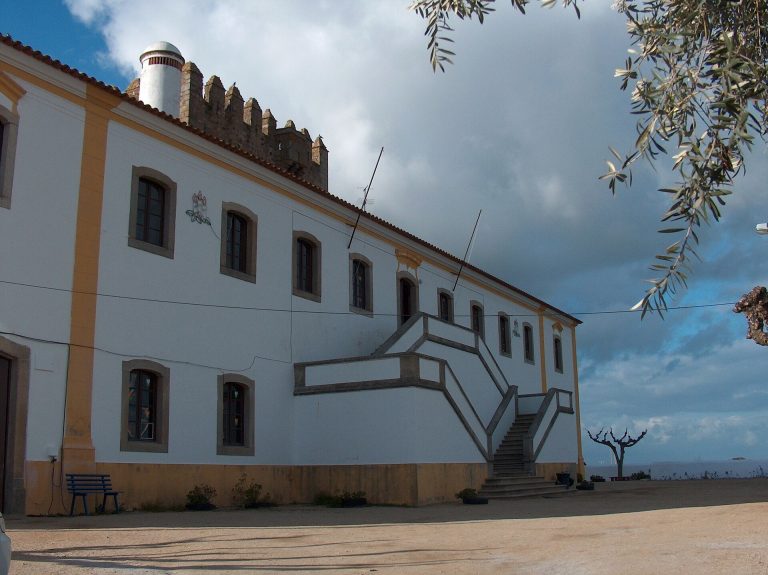
Castelo de Torre de Coelheiros, also known as Paço dos Cogominhos, is a medieval manor complex in Alentejo whose tower and later buildings preserve…
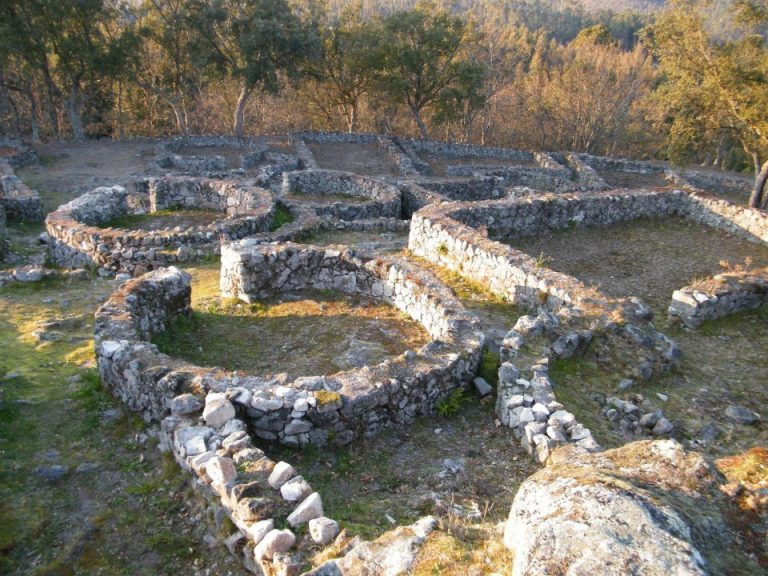
Castro de Romariz was a fortified hill settlement in northern Portugal, occupied from the Iron Age into the early Roman period. Its remains preserve…
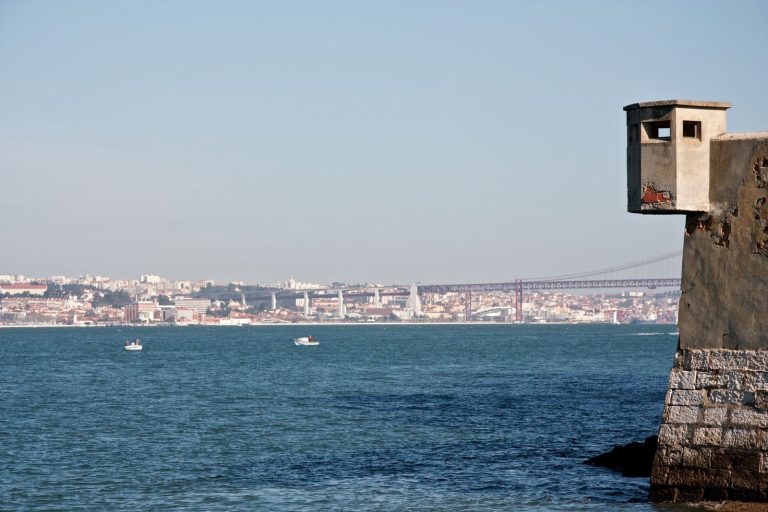
The Fort of Trafaria on the Tagus combined military defences with a quarantine hospital and chapel. Its later history included use as a prison,…
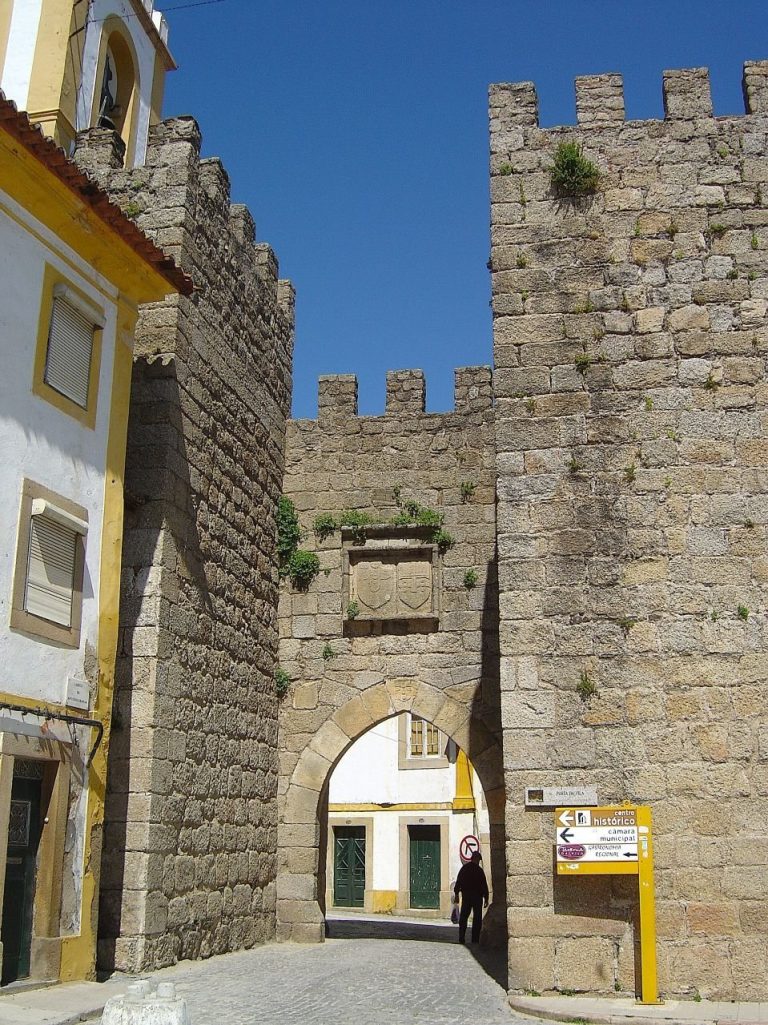
Castelo de Nisa preserves part of the medieval defensive complex built after the destruction of Nisa-a-Velha in the late thirteenth century,…
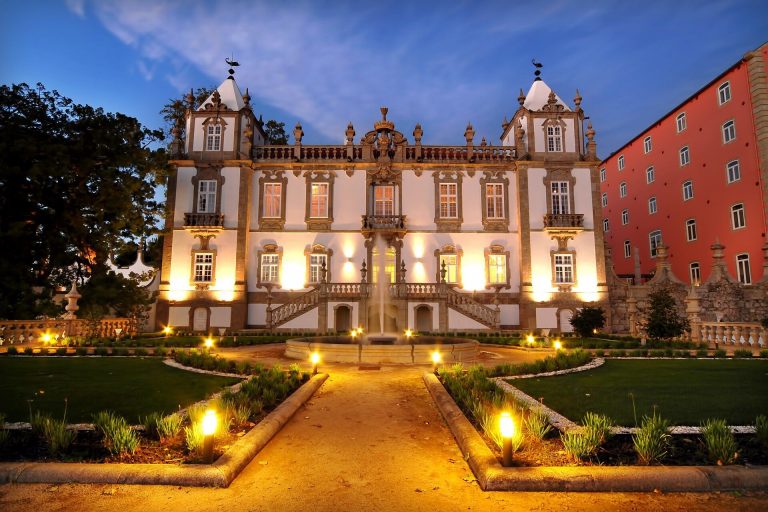
Palácio do Freixo is an eighteenth-century Portuguese Baroque residence on the Douro riverfront in Porto. Designed by Nicolau Nasoni, it later became…
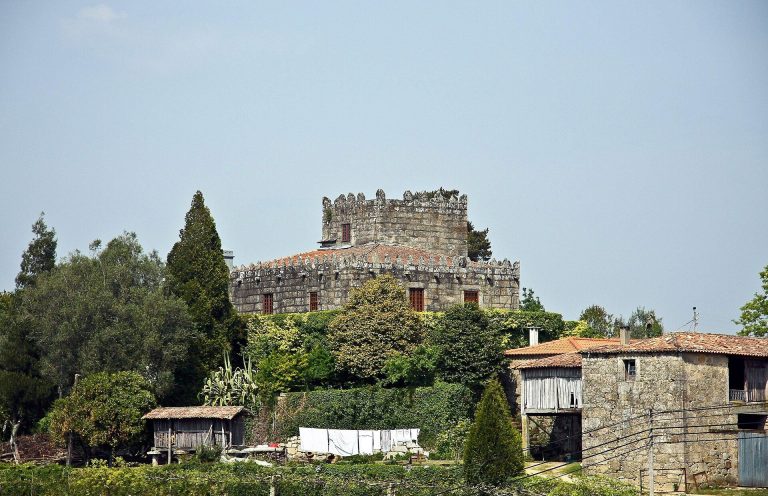
Castelo de Curutelo is a well-preserved castle and estate in Freixo, Portugal, combining a medieval keep tower with a sixteenth-century palace and a…
For details on how to use the maps, which sites are included, how popularity and ratings are determined, and how sites are classified, see the help page.
On this page6 sections
Castles and fortified palaces
Guimarães Castle originated in a tenth-century foundation associated with Countess Mumadona Dias and the protection of a monastery. Much of the surviving stone castle, however, belongs to later medieval construction. Granite walls enclose a compact courtyard on the hilltop, with towers and restricted entrances providing successive defensive obstacles. Its present fabric should therefore be understood through those later building phases as well as its early foundation.
Evoramonte Castle has a different form: a compact, sixteenth-century fortified palace with four rounded corner towers. Horizontal bands divide its storeys, and carved stone ropes with knots encircle the building. The broad towers and roof platform accommodated artillery, while the enclosed block also served residential purposes. Its rounded mass and decorative bands distinguish it from the wall-and-courtyard arrangement at Guimarães.
Roman towns and houses
Conímbriga preserves an extensive excavated settlement with streets, baths and substantial houses. Residential buildings were organised around courtyards, including the House of the Water Jets and the large House of Cantaber. Mosaic floors retain geometric patterns, plants and figurative scenes, while heating systems and private baths show how some households equipped their rooms. These surviving surfaces and room arrangements make domestic buildings a central part of the site.
Ancient temples
The Roman Temple of Évora provides a standing example of the city’s public religious architecture. Its raised podium, fluted Corinthian columns and entablature preserve much of the temple’s exterior structure. It belonged to the Roman forum and is generally associated with the imperial cult. The familiar identification as a temple of Diana is not supported by the later archaeological interpretation.
Aqueducts and water supply
The Évora Aqueduct, also known as Água da Prata, was begun in the 1530s under John III. Its water supply followed a route of about eighteen kilometres, using conduits and granite arcades to carry water towards the city. It is a sixteenth-century engineering work, despite its setting among Évora’s Roman remains.
Within the city, houses and plots were fitted into spaces beneath the arches. These infilled sections give the aqueduct a close relationship with ordinary streets and buildings. Elsewhere, exposed arcades make the repeated arches and their supporting piers easier to follow as a continuous water-carrying structure.
Monasteries and palace complexes
Batalha Monastery was founded by John I after the Battle of Aljubarrota in 1385 and developed as a Dominican monastery and royal burial place. Its Gothic church rises beneath stone vaults, with flying buttresses supporting the exterior. The Founder’s Chapel and the later Unfinished Chapels added distinct dynastic burial spaces. A richly carved Manueline portal marks the latter complex, whose construction continued through several reigns without completion.
Mafra Palace combines a royal palace, convent and basilica in a vast eighteenth-century composition commissioned by John V. The basilica occupies the centre of the long façade, with royal residential areas to either side and the convent extending behind. Inside the library, wooden bookcases rise in two levels above a floor of pink, grey and white marble. Its arrangement brings royal accommodation, religious buildings and a major library into a single planned complex.
Explore the collection
Explore sites on the map or in the grid. Map icons indicate each site’s primary function, helping you identify different kinds of places at a glance. Narrow the results by primary function, site type, civilization or era, with additional filters for popularity and rating. Select a map marker to view the site’s details and open its article, or open the article from its grid entry.