Historic Sites in Pakistan: Explore Ancient Cities, Forts and Tombs
Pakistan’s historic sites preserve several distinct urban and architectural traditions. Brick-built Indus cities predate the streets and religious monuments of ancient Taxila, while later fortresses and funerary complexes record the ambitions of regional and imperial rulers. The collection brings these places together geographically while keeping their different dates and cultural settings clear.
Primary Function: All
Type: All
Civilization: All
Popularity: All
Rating: All
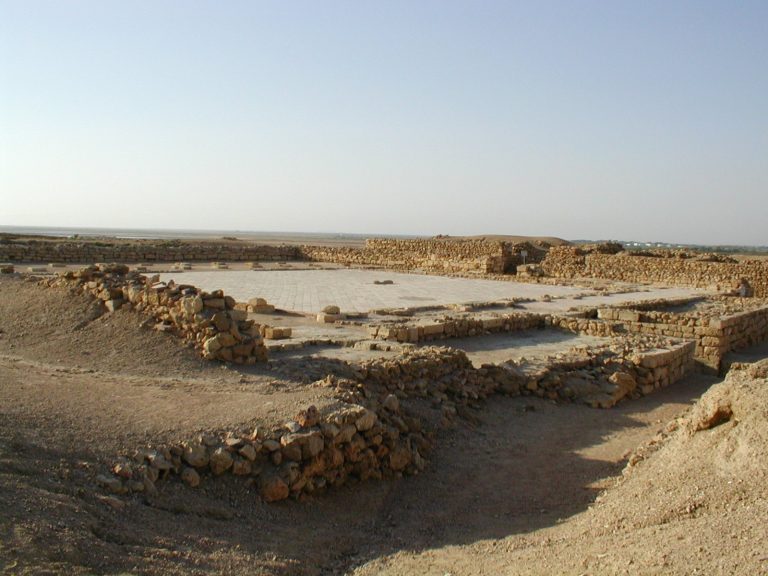
Banbhore was an ancient settlement and prosperous port in Sindh, occupied from the first century BCE to the thirteenth century CE. Its remains…
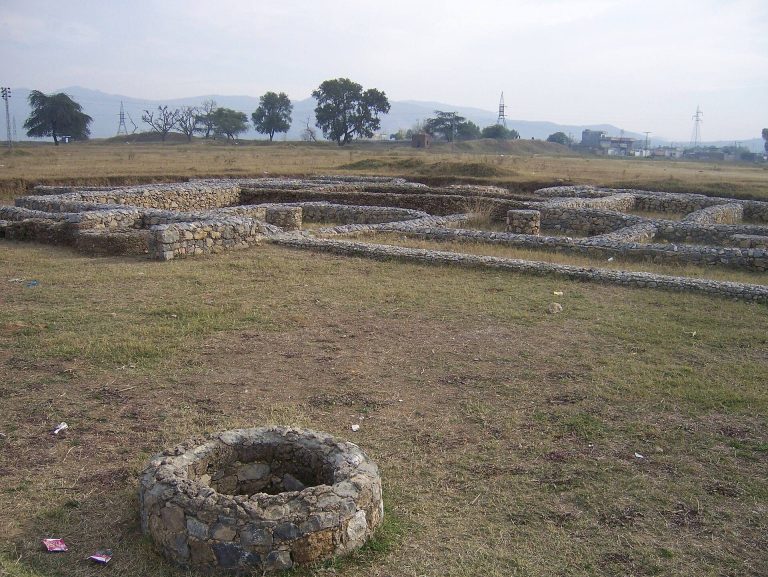
Bhir Mound is an early urban settlement at Taxila, occupied from approximately 800–525 BC into the early Hellenistic period and later incorporated…
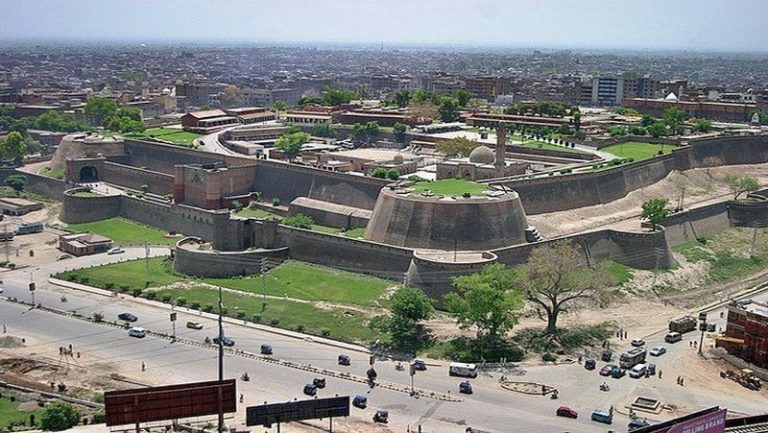
Bala Hisar Fort in Peshawar developed from an early citadel into a Mughal, Durrani, Sikh, and British military stronghold. Its surviving form…
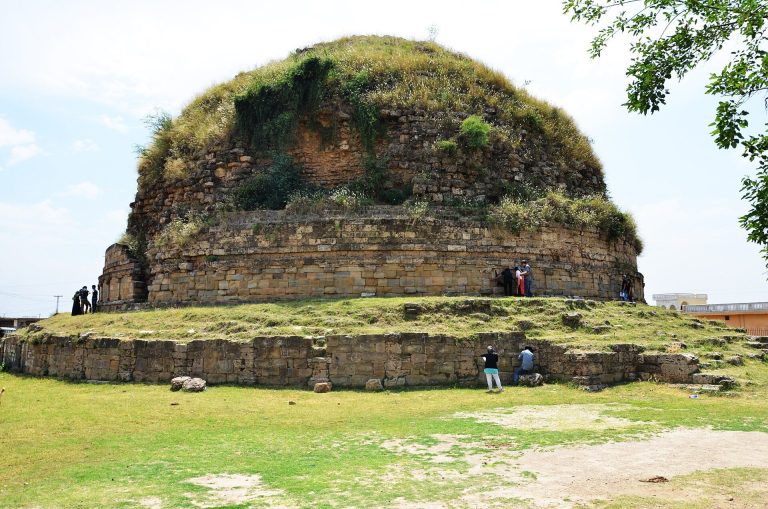
Mankiala Stupa is a Buddhist monument in Pakistan’s Pothohar region, traditionally linked with a Jataka tale of sacrifice and generally dated to the…
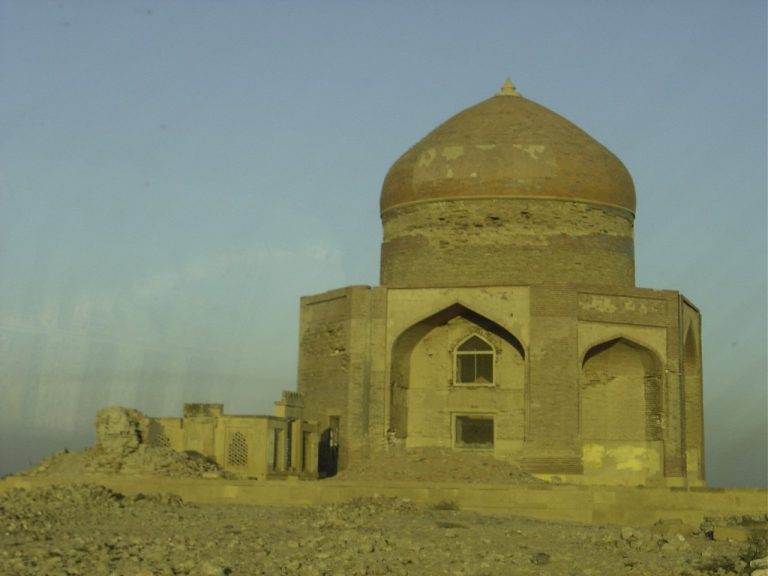
Makli Necropolis near Thatta preserves hundreds of thousands of graves and monuments created between the fourteenth and eighteenth centuries under…
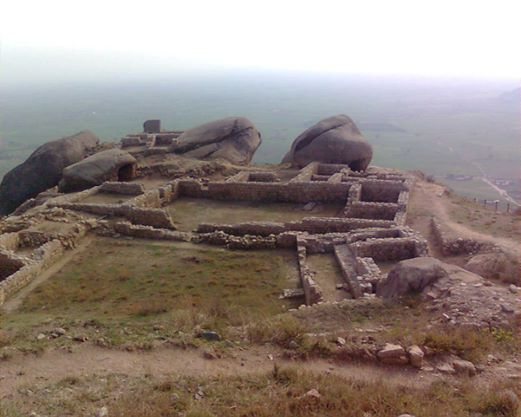
Ranigat is a Buddhist archaeological site in Buner District associated with the Gandhara civilization. Constructed in the second century CE and…
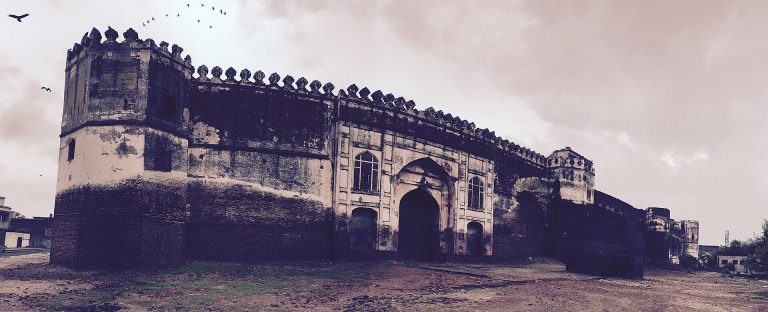
Sheikhupura Fort is a 17th-century Mughal-era fort in Punjab, later expanded under Sikh rule and used for royal residence, political detention,…
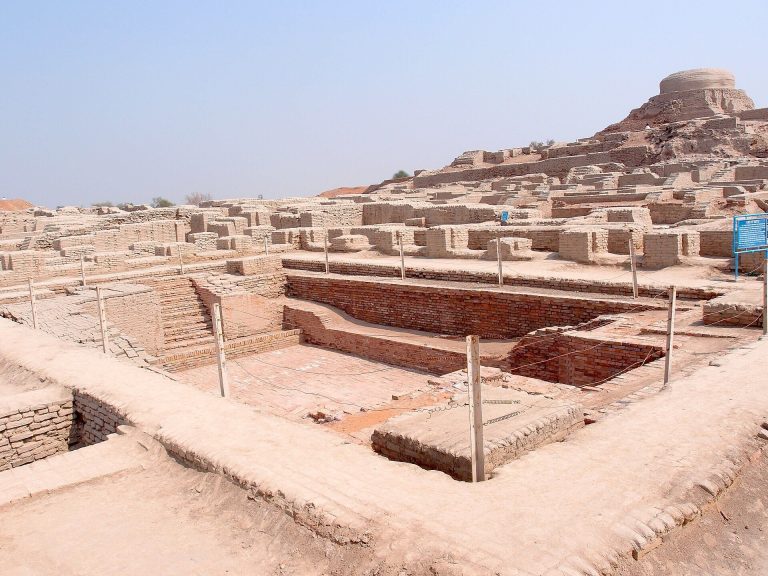
The Great Bath at Mohenjo-daro is a third-millennium BCE structure associated with ritual bathing, advanced water management, and the planned urban…
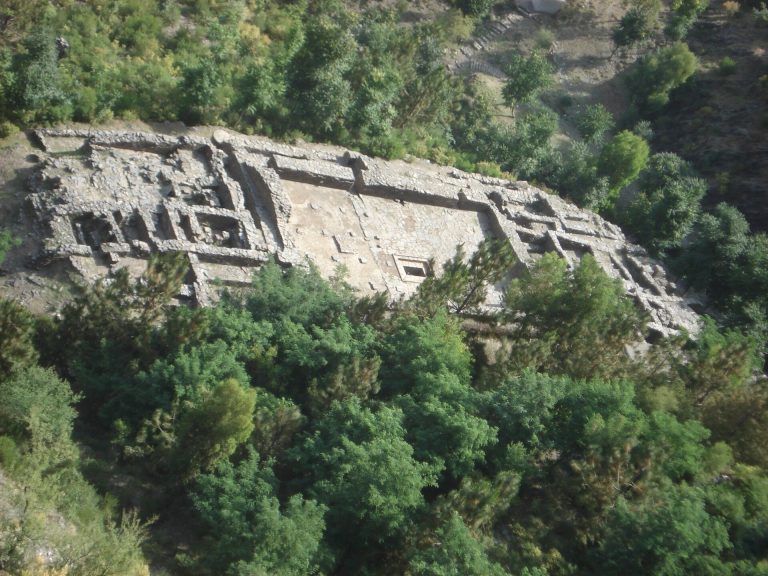
Mahmud Ghaznavi Mosque is an early Islamic mosque on Odigram Mountain in Swat, Pakistan. Founded in 1048–49 CE according to an Arabic inscription, it…
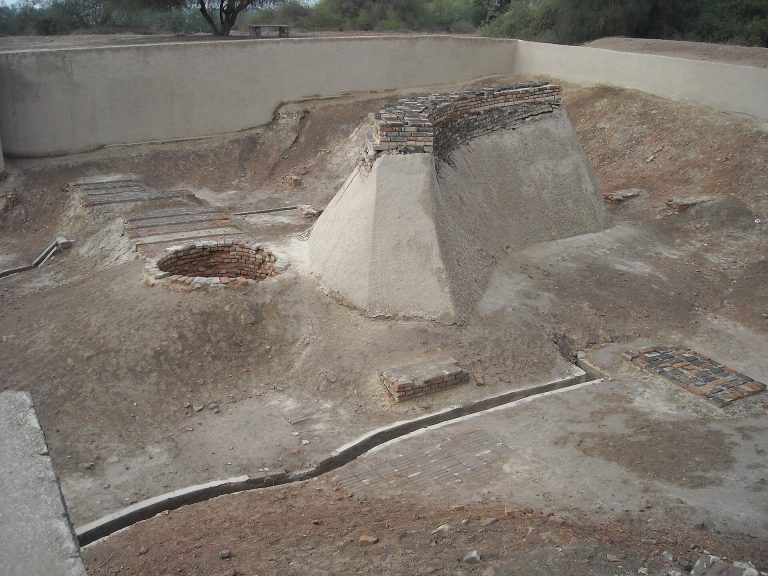
Harappa was a large Bronze Age city of the Indus Valley Civilization in Punjab, Pakistan. Its long occupation, planned urban remains, early symbols,…
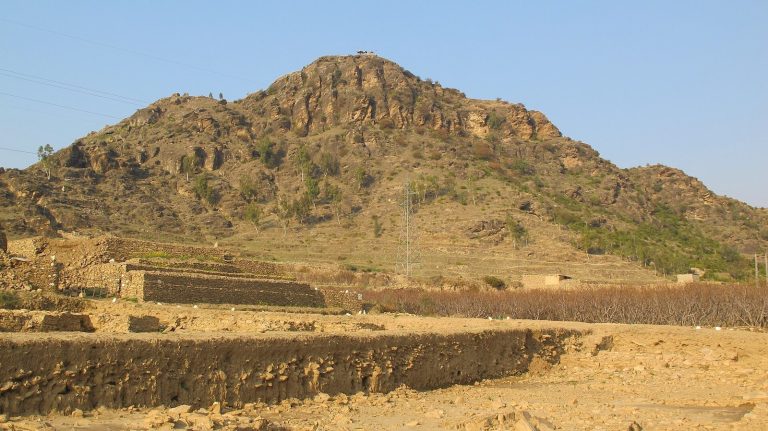
Bazira beneath modern Barikot preserves a long sequence of settlement from the Copper Age through the Ghaznavid period, including Iron Age urban…
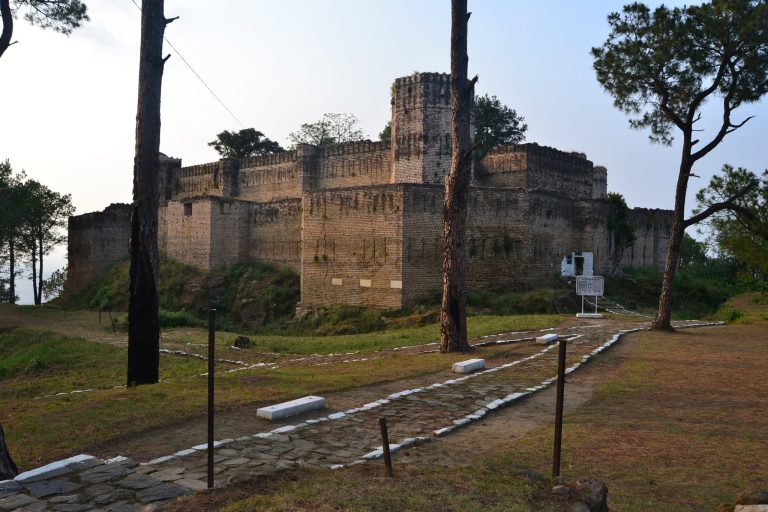
Baghsar Fort is a stone-and-brick defensive complex in the Samahni Valley near Bhimber, associated with fifteenth-century local rule, Chibh…
For details on how to use the maps, which sites are included, how popularity and ratings are determined, and how sites are classified, see the help page.
On this page4 sections
Planned streets and buildings at Mohenjo-daro
Mohenjo-daro was a major city of the Indus Valley civilization during the third millennium BC. Excavated streets and lanes divide blocks of buildings, with fired brick used extensively in their walls and drainage systems. Wells and bathing areas formed part of the built environment of residential neighbourhoods.
The elevated area conventionally called the Citadel includes larger structures, while the Lower City preserves substantial domestic remains. Those modern descriptive names do not establish the precise political organization of the settlement. Its physical plan is much better known than the institutions that governed it.
Sirkap: an ancient city in the Taxila region
Sirkap preserves a different urban layout within the historic Taxila region. A main street and intersecting lanes organized the settlement inside its defensive circuit. The city developed through Indo-Greek and subsequent periods, with repeated rebuilding leaving several phases of occupation.
Religious monuments stood among its houses and streets. Surviving Buddhist structures incorporated decorative forms drawn from different architectural traditions. The juxtaposition is useful evidence for the city’s cultural contacts, but the buildings cannot all be assigned to its earliest foundation simply because the street plan has Hellenistic associations.
Fortresses controlling routes and river crossings
Rohtas Fort was commissioned by Sher Shah Suri in the sixteenth century. Its walls follow an irregular hilltop circuit reinforced by numerous bastions and substantial gates. A separate internal wall divided the citadel from the larger enclosure.
The fort’s scale and gateways reflect its role in controlling the surrounding region and routes. Its origin belongs to the Sur dynasty, even though the fortress continued to have a history under later rulers.
Attock Fort was built under the Mughal emperor Akbar beside the Indus. Its walls descend toward the river, enclosing a position intended to secure an important crossing. Later additions, including Sikh-period works, form part of the surviving complex. Its article explains the different phases without treating every wall and tower as part of the original Mughal construction.
Tiled mausoleums and carved burial monuments
The tomb of Bibi Jawindi at Uch Sharif preserves part of a late fifteenth-century brick mausoleum. Its octagonal form, corner turrets and blue-and-white tilework remain legible despite the loss of much of the building. Flood damage is central to explaining its present appearance: the surviving portion belongs to a once more complete domed structure.
Makli Necropolis, near Thatta, contains a much larger funerary landscape developed under successive dynasties. Enclosed mausoleums, open-sided canopies, family compounds and carved graves preserve different ways of marking burial places.
Stone carving and brick-and-tile construction appear across the necropolis. Reading the monuments by date and patron makes their variety clearer than treating the entire cemetery as the work of one ruling house.
Use the map to find sites across the country, then open the individual articles for their surviving architecture, chronology and later alterations.