Historic Sites in Latvia: Explore Medieval Castles, Palaces and Fortresses
Explore historic sites in Latvia, including brick castles, ducal residences, decorated reception halls, cathedrals and bastioned fortresses. Defensive buildings and historic residences dominate the collection. Examples in the Gauja valley, Bauska, Rundāle, Riga and Daugavpils show both medieval enclosures and later palace rooms and military streets.
Primary Function: All
Type: All
Civilization: All
Popularity: All
Rating: All
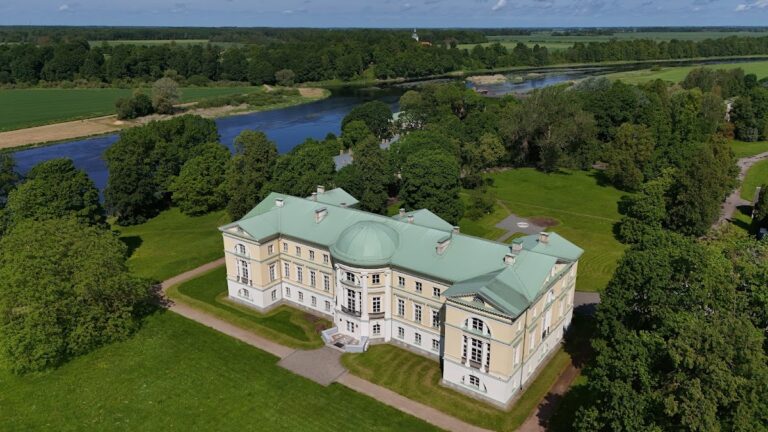
Mežotne Palace is an outstanding neoclassical manor house in Latvia, built between 1797 and 1802 for the Lieven family and later restored after…
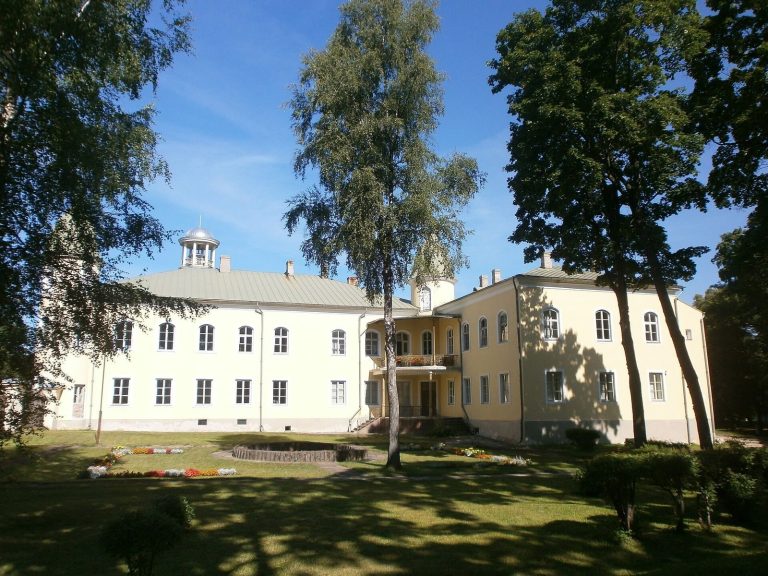
Krustpils Castle in Jēkabpils developed from a frontier castle of the Riga Archbishopric into a Korff family manor and later served military and…
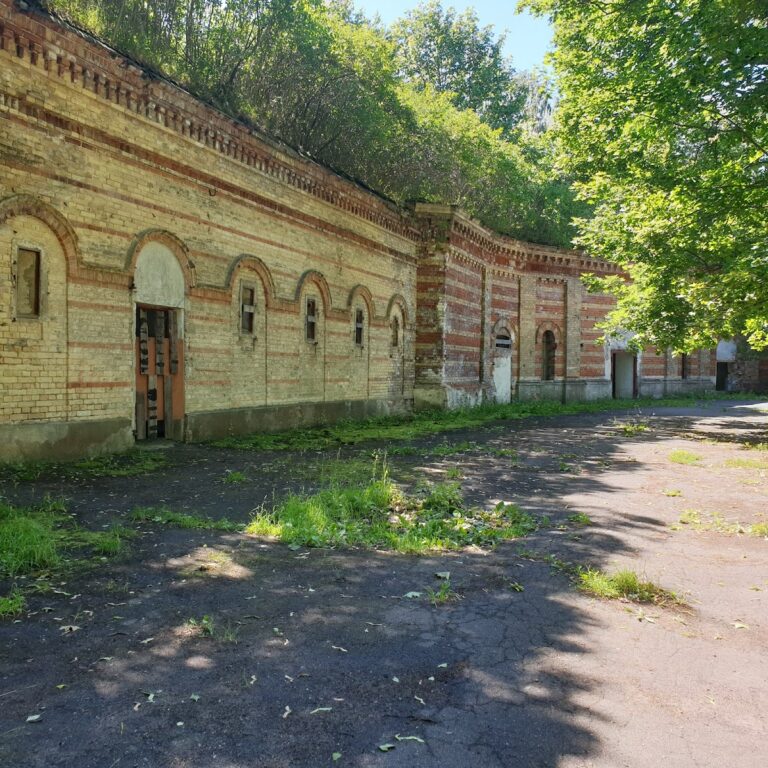
Daugavgrīva Fortress developed from a medieval monastery and castle into a Swedish, Russian, and Latvian military stronghold guarding the Daugava and…
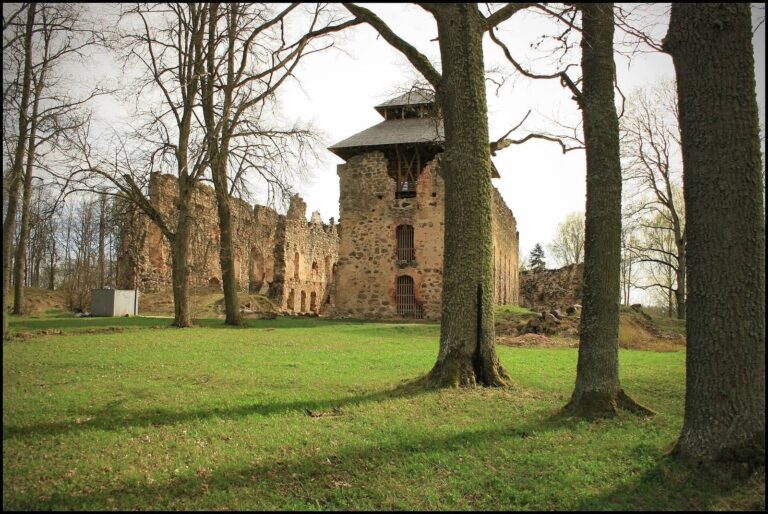
Rauna Castle, also known as Ronneburg, was a residence and administrative centre of the archbishops of Riga. Its surviving ruins preserve a medieval…
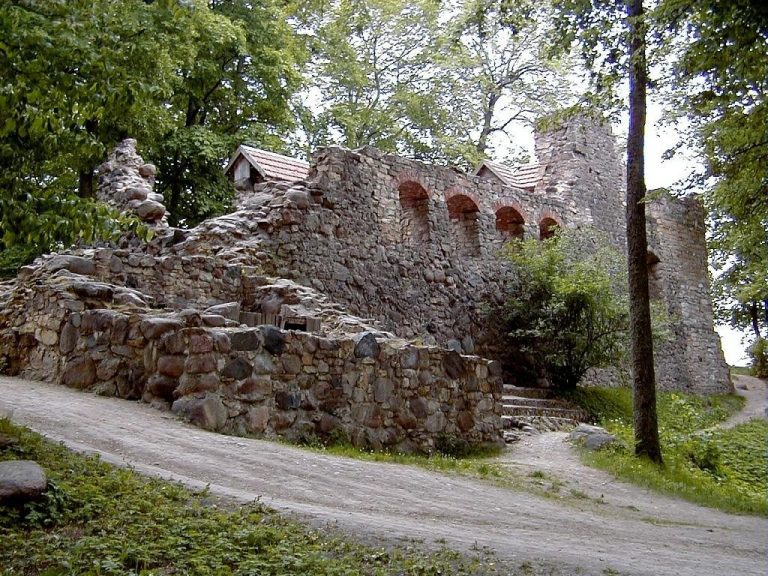
Lielvārde Castle developed from a Liv stronghold into a stone castle and administrative center of the Archbishopric of Riga. Its ruins preserve…
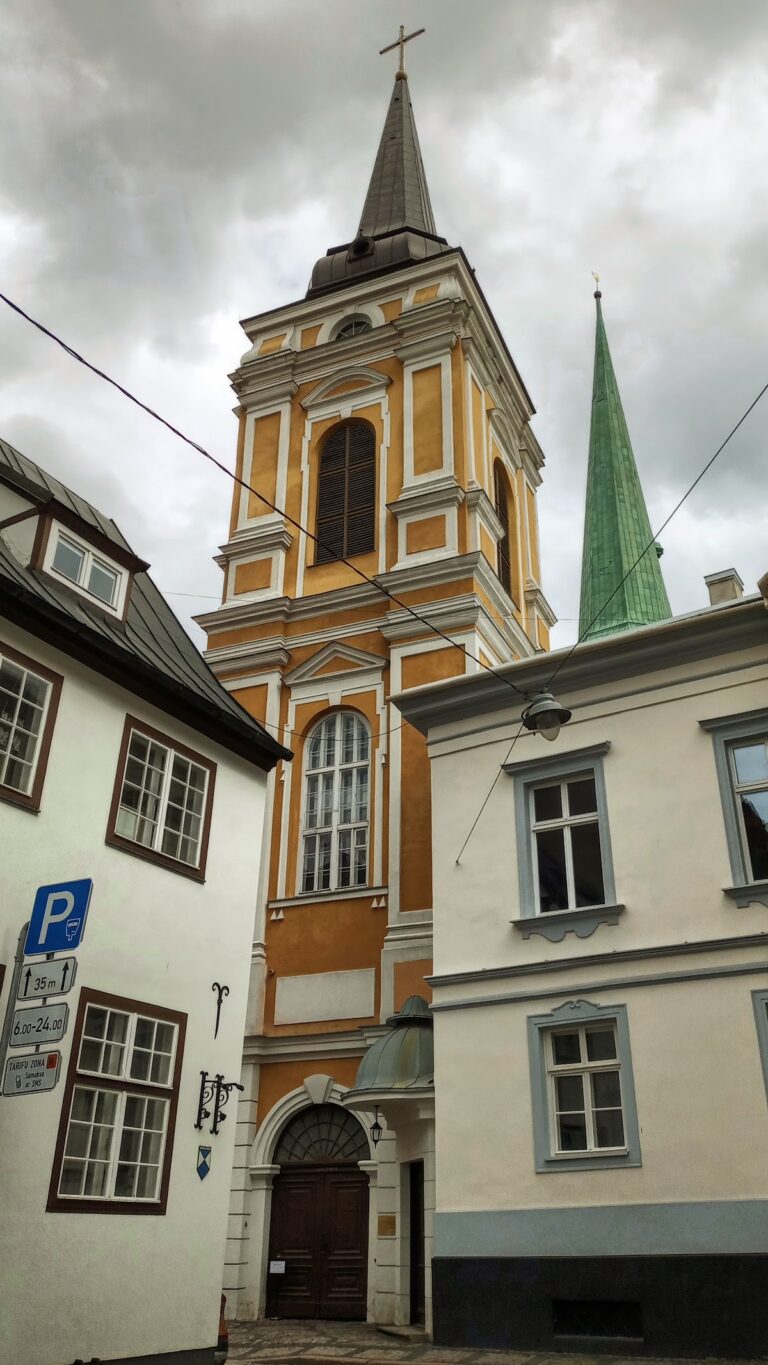
St. Mary Magdalene's Church in Riga developed from a Cistercian women's abbey into a Swedish Lutheran garrison church, an Orthodox church, and a…
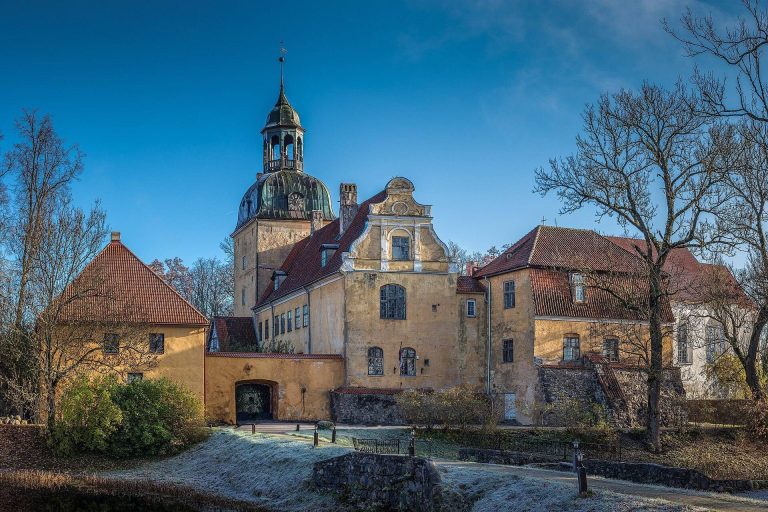
Lielstraupe Castle in Latvia developed from an archiepiscopal fief into a Rosen family residence, a Baroque estate, and a modern public heritage…
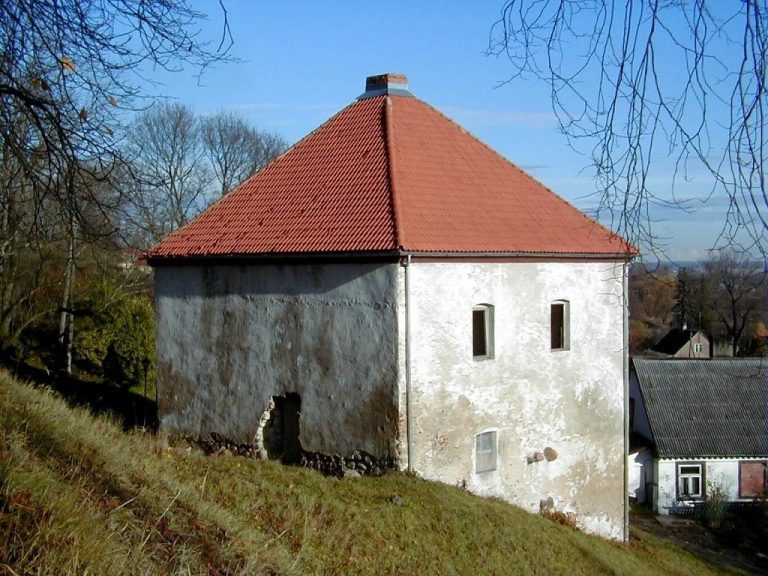
Kandava Castle is a medieval Livonian Order ruin in Kandava, Latvia, later used as an administrative centre in the Duchy of Courland and Semigallia.…
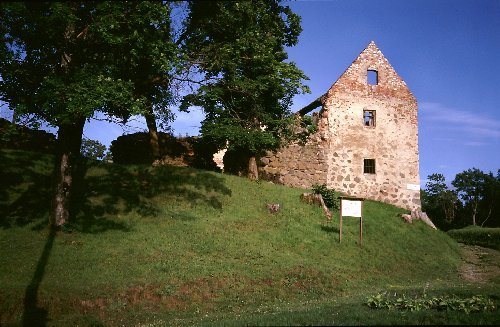
Aizpute Castle is a former Livonian Order stronghold in western Latvia that developed from a contested frontier site into a manor house, school, and…
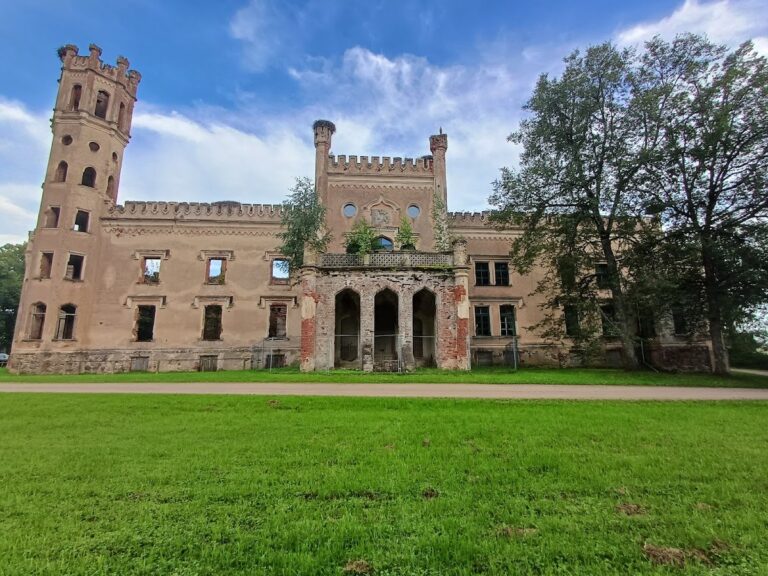
Odziena Manor House developed from a medieval estate into a nineteenth-century Neo-Gothic complex, passing through Baltic German, Swedish, Russian,…
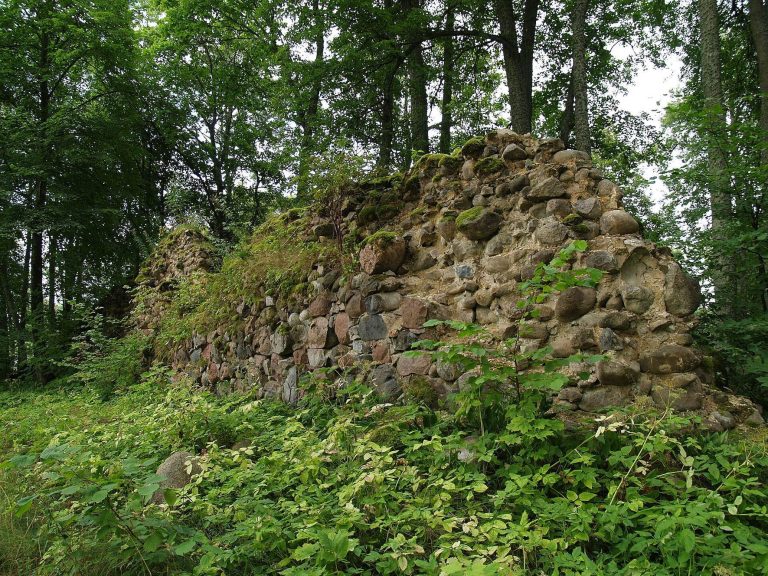
Burtnieki Castle in northern Latvia was a Livonian Order stronghold, estate center, and repeatedly contested military site. Its surviving curtain…
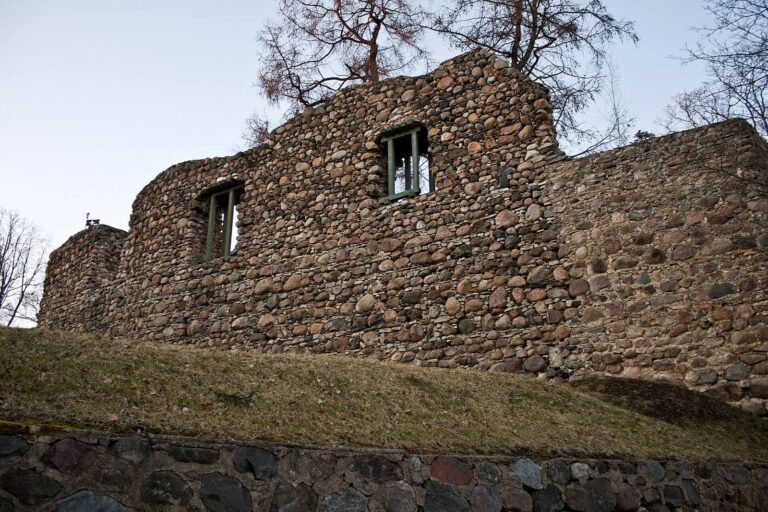
Valmiera Castle was a major Livonian Order stronghold whose history reflects the political and military struggles that shaped medieval and early…
For details on how to use the maps, which sites are included, how popularity and ratings are determined, and how sites are classified, see the help page.
On this page5 sections
Castles and fortified residences
Turaida Castle stands on an elongated ridge above the Gauja valley. Steep slopes protect three sides, while a ditch strengthened the northern approach. Brick walls followed the irregular terrain, with the main tower protecting the entrance. The standing complex includes extensive twentieth-century restoration and reconstruction, particularly in its towers, perimeter walls and western buildings.
Cēsis Castle developed around a courtyard enclosed by residential wings for the Livonian Order. Stores occupied lower levels, service rooms included a kitchen and brewery, and the main upper floor contained a chapel, dining hall and other communal rooms. Substantial walls from two wings survive around the courtyard. Its more concentrated arrangement reflects the needs of a resident community as well as defence.
Bauska Castle occupies a narrow peninsula where the Mūsa and Mēmele meet. The medieval fortress used an irregular enclosure, thick walls and towers positioned to protect vulnerable sections. A moat cut across the approach separated the castle from the land beyond it.
In the late sixteenth century, the dukes of Courland added a residence beside the older stronghold. The medieval section survives mainly as ruins, while the ducal residence has been reconstructed. These two building groups explain its development from an outpost of the Livonian Order into a ducal seat, with the rivers remaining part of its protected setting.
Palaces and ceremonial rooms
Rundāle Palace was built as a country residence for Ernst Johann von Biron, Duke of Courland. Suites of rooms place the duke’s apartments in the central body and major halls in an adjoining wing. The formal garden, canals and service buildings extend the palace plan beyond the residential block.
The Golden Hall served as a throne room, with gilded stucco and ceiling paintings. The White Hall, originally planned as a palace church, became a ballroom. Both grand staircases and parts of the galleries retain elements of Rastrelli’s first interior scheme, alongside later work and restoration.
Cathedrals and medieval cloisters
Riga Cathedral retains a Romanesque choir and transept within a church enlarged with Gothic forms. Pointed arches shape the nave, and a medieval cloister adjoins the south side. Repeated raising of the surrounding streets to reduce flooding left the church complex below the modern street level, making its relationship with the city visible at its edges.
Fortresses and garrison towns
Daugavpils Fortress was laid out in the nineteenth century as a fortified town. Bastions, stone-faced defences and vaulted chambers surround regular blocks and a central parade ground. Barracks, arsenals, a hospital and officers’ housing supplied the garrison within this planned enclosure. The surviving ensemble is much broader than a medieval castle residence, preserving the buildings and circulation of a large military establishment.
Explore the collection
Explore sites on the map or in the grid. Map icons indicate each site’s primary function, helping you identify different kinds of places at a glance. Narrow the results by primary function, site type, civilization or era, with additional filters for popularity and rating. Select a map marker to view the site’s details and open its article, or open the article from its grid entry.