Historic Sites in Iraq: Explore Ancient Cities, Palaces and Mosques
Explore historic sites in Iraq, including Mesopotamian cities, vaulted palace halls, fortified residences and brick-built mosques. The collection also includes mausoleums and trading buildings. Excavated temple districts preserve the layouts of ancient urban centres, while later buildings retain large roofed spaces, decorated minarets and courtyards serving religious, residential and commercial uses.
Primary Function: All
Type: All
Civilization: All
Popularity: All
Rating: All
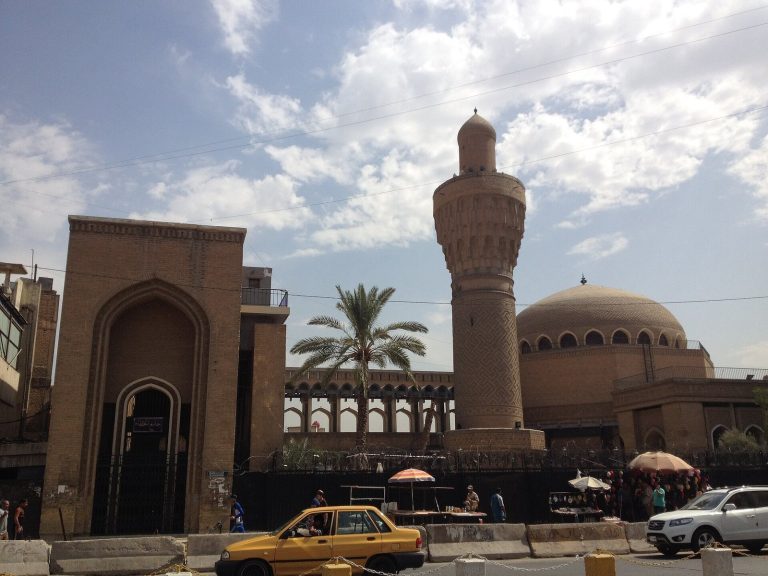
Al-Khulafa Mosque in Baghdad is regarded as the city’s oldest surviving mosque. Founded under the Abbasid caliphs, it served as a congregational,…
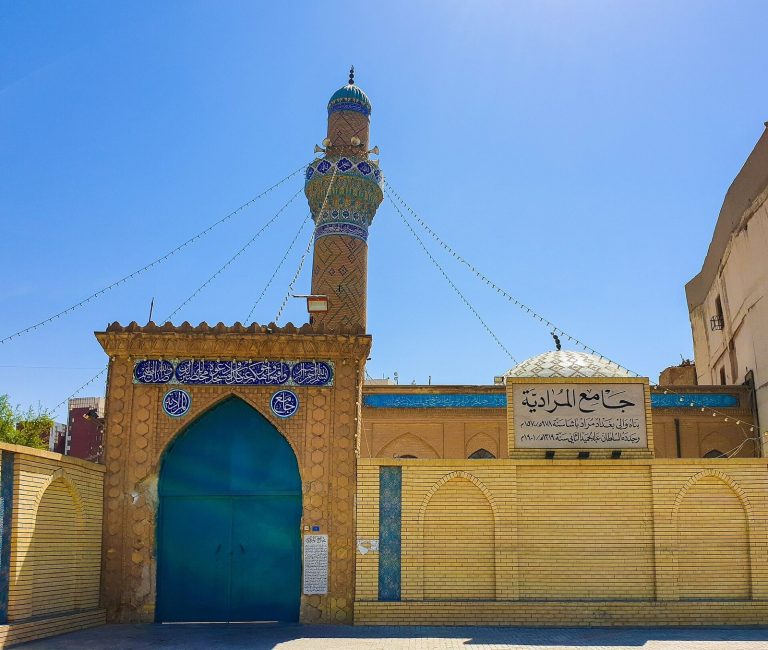
Al Mardiyah Mosque, also known as Murad Pasha Mosque, was built in Baghdad between 1566 and 1570 under Ottoman governor Murad Pasha. Its domes,…
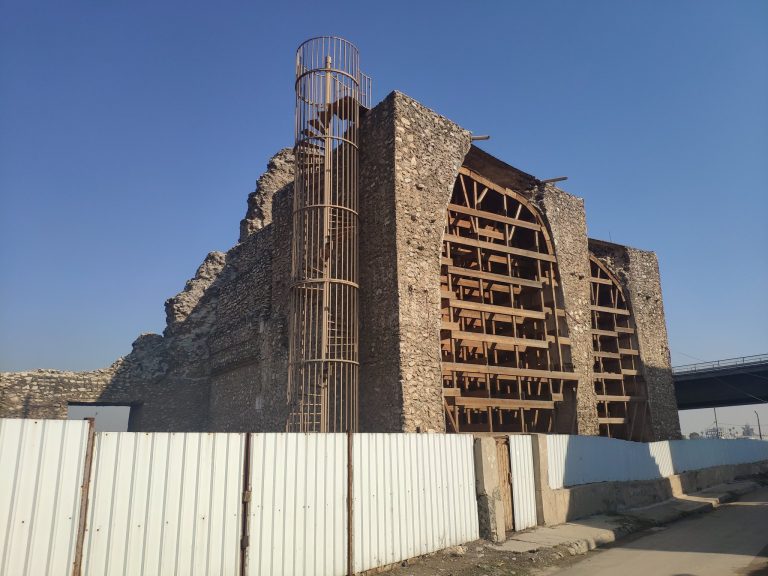
Qara Saray, meaning “the Black Palace,” was a royal residence and seat of government in medieval Mosul. Built and expanded under Badr al-Din Lu’lu,…
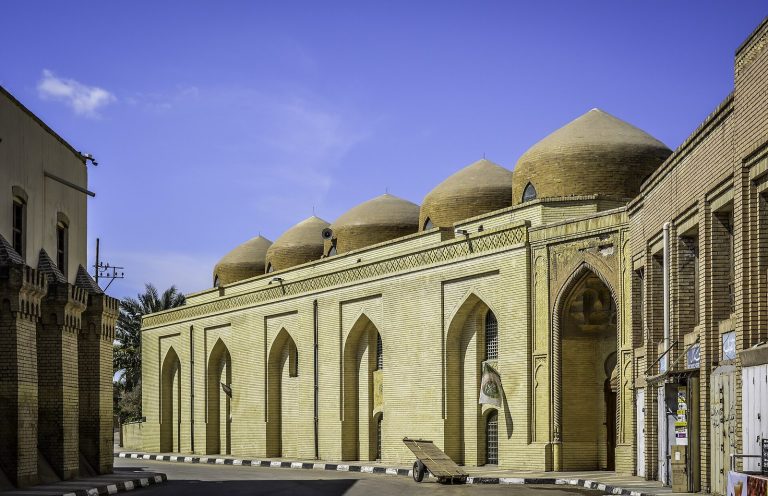
Al-Sarai Mosque in Baghdad’s Rusafa district developed from an Abbasid foundation into a major Ottoman and royal-era Sunni mosque, retaining prayer,…
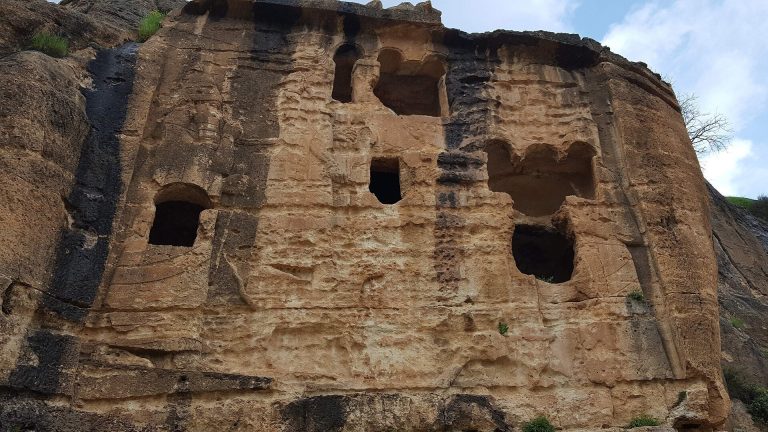
The Khinnis Reliefs are an Assyrian hydraulic complex beside the Gomel River, created under King Sennacherib around 690 BCE as part of the water…
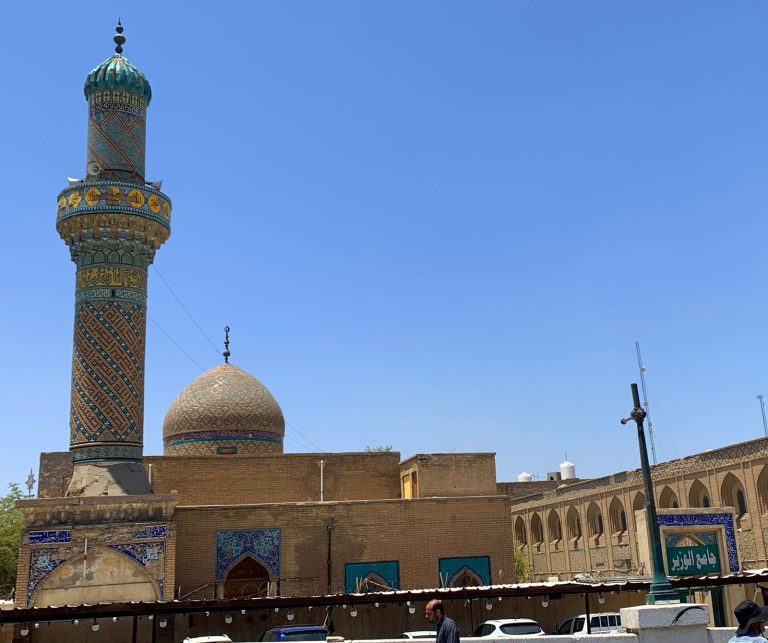
Al-Wazeer Mosque is an Ottoman-period Sunni mosque in Baghdad’s Al-Rusafa district, associated with earlier Abbasid and Seljuk religious and…
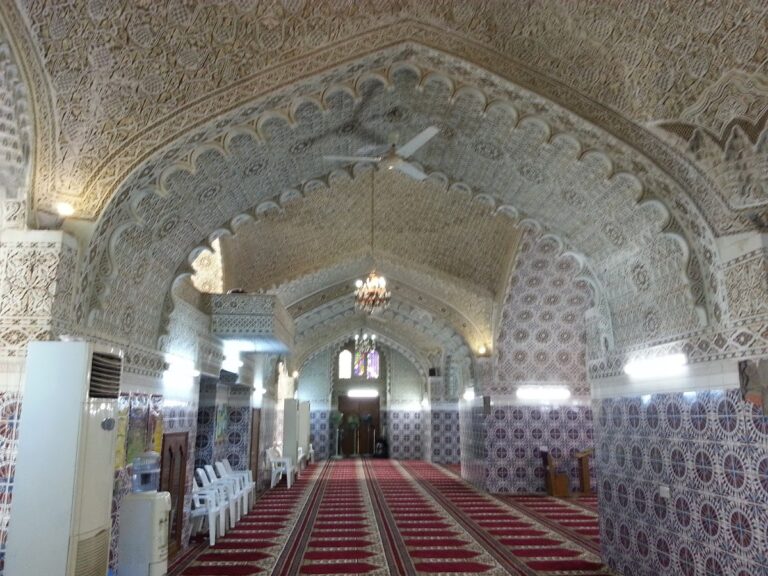
Qumaria Mosque is a historic late Abbasid mosque in Baghdad’s Karkh district, founded in 1228 and repeatedly rebuilt after flooding, siege damage,…
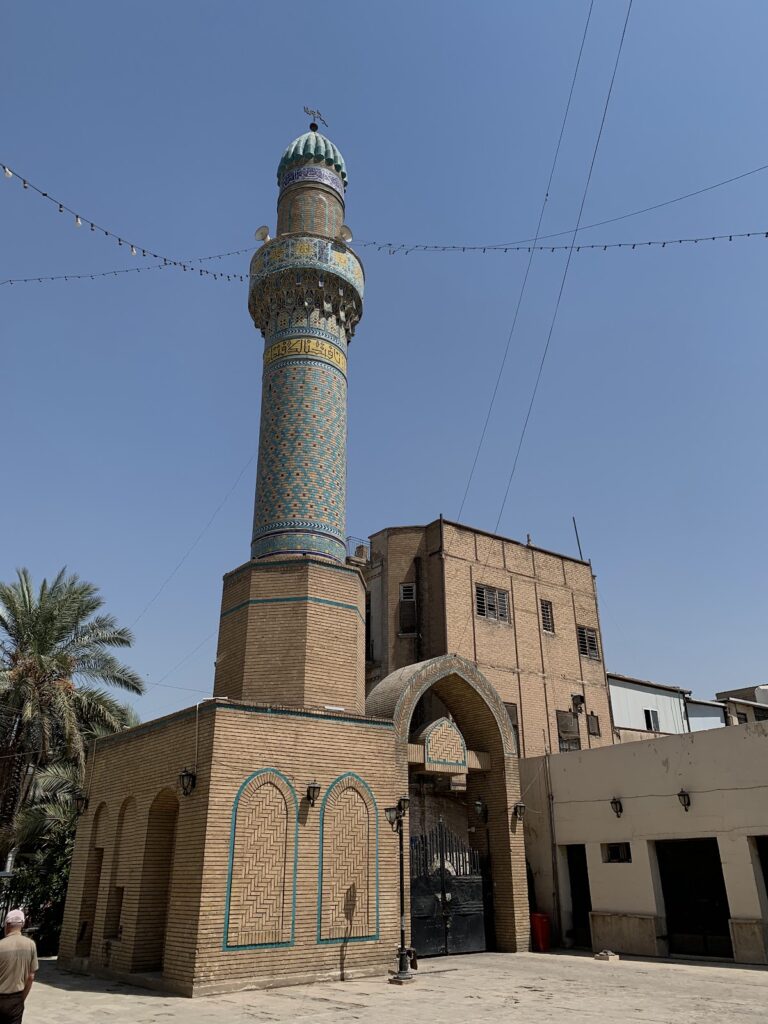
The Mosque of Sayed Sultan Ali in Baghdad combines a Sunni mosque, mausoleum, madrasas, library, and Sufi lodge. Its traditions, Ottoman rebuilding,…
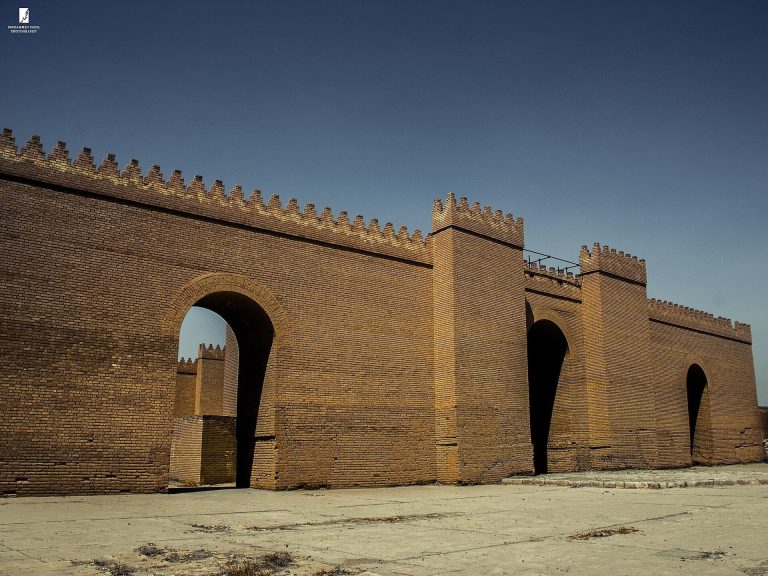
Babylon was a major Babylonian city whose history included the Old Babylonian and Neo-Babylonian periods, later Seleucid rule, Parthian conflict, and…
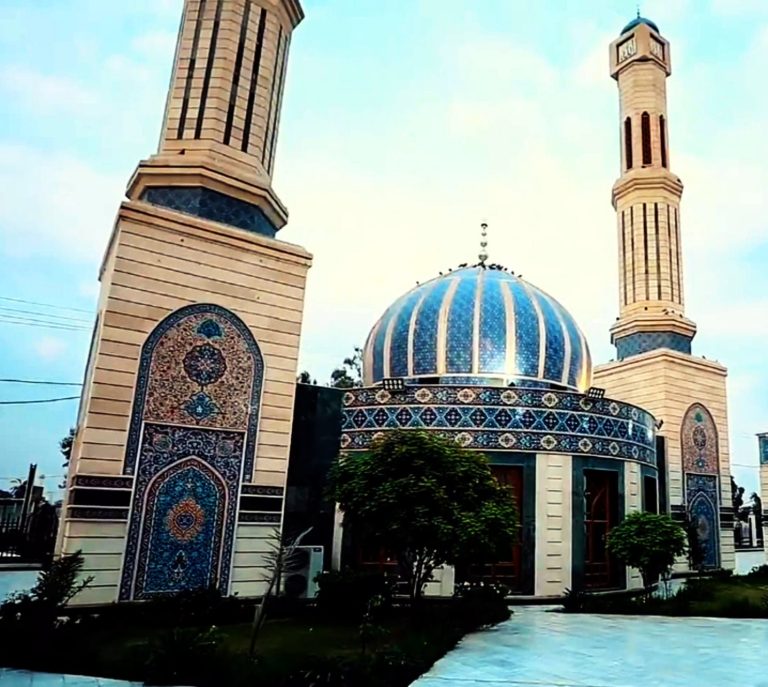
Al-Hamra Mosque in Kufa is a seventh-century Twelver Shia place of worship and mausoleum associated with Ali ibn Abi Talib and the Prophet Yunus. Its…
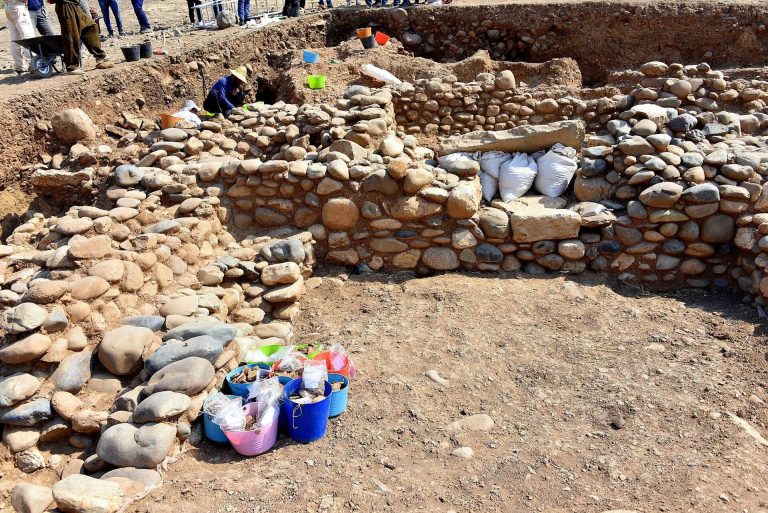
Qalat-i Dinka is a large archaeological settlement in northeastern Iraq, with evidence of Neo-Assyrian administration, earlier Copper Age…
For details on how to use the maps, which sites are included, how popularity and ratings are determined, and how sites are classified, see the help page.
On this page7 sections
Temple districts and city remains at Uruk
Uruk, known today as Warka, was occupied from the fifth millennium BC into late antiquity. Its extensive archaeological remains contain successive temple complexes, residential areas and sections of the ancient city wall. The Euphrates once ran close to the settlement, with canals connecting its districts to the river and surrounding agricultural land.
Two religious areas structured much of the city. The eastern Eanna district was associated with the goddess Inanna, while the western Anu district developed around a large artificial terrace. Excavations have revealed courtyard houses and buildings with parallel halls, alongside repeated alterations to the sacred precincts. These overlapping plans belong to many periods of occupation; the site is an excavated city rather than a group of complete standing temples.
The vaulted audience hall at Ctesiphon
The principal standing remnant of the Sasanian palaces at Ctesiphon is the Taq Kasra. This audience hall takes the form of an iwan: a deep, vaulted space open across one end. Its surviving brick vault gives a sense of the scale of the royal reception building, although the surrounding palace has largely disappeared.
The hall’s attribution to a particular Sasanian ruler remains uncertain. It belonged to a much larger urban area extending along both banks of the Tigris, southeast of Baghdad. Losses to the vault and subsequent stabilisation work are part of the monument’s conservation history, so its surviving fabric should be distinguished from the complete palace suggested by historical reconstructions.
Vaults and residential courts at Al-Ukhaidir
Al-Ukhaidir Fortress combines a fortified enclosure with a palace generally dated to the second half of the eighth century. Rubble walls set in mortar support fired-brick vaults. Within the outer defences, gateways, vaulted passages and formal courts organise movement towards reception rooms and residential spaces.
The palace bath preserves a sequence of rooms with benches, basins and channels. An undressing room had an L-shaped bench and a drain beneath its floor; adjoining spaces received hot water from a heated basin. These installations served the households accommodated around the smaller courts. Excavation and substantial modern reconstruction have made many parts of the palace arrangement legible, with restored masonry alongside original Abbasid work.
Mosques and decorated minarets
The ninth-century Great Mosque of Samarra retains a vast rectangular enclosure and the Malwiya minaret. Semicircular buttresses strengthen the baked-brick perimeter, while an external ramp winds around the minaret’s tapering body. The covered aisles that once surrounded the mosque’s courtyard have largely vanished; surviving and conserved walls outline their former setting.
At Al-Khulafa Mosque in Baghdad, the historic minaret is incorporated into a twentieth-century mosque. Its cylindrical brick shaft carries geometric patterns and inscriptions, with projecting tiers of small, recessed cells known as muqarnas. The minaret was rebuilt in 1279, following earlier destruction. The octagonal prayer hall and dome belong to Mohamed Makiya’s modern design, preserving a clear distinction between the site’s Abbasid foundation, its medieval tower and its later reconstruction.
Zumurrud Khatun’s tiered tomb
The Zumurrud Khatun Mausoleum in Baghdad places a tall, pointed dome above an octagonal brick chamber. Built around the end of the twelfth century, it has thick walls divided externally by elongated arched niches and decorated panels.
The dome consists of successive tiers of muqarnas cells that step inward towards the summit. This construction gives the exterior its sharply ribbed, tapering outline and creates a complex recessed surface inside. Openings among the tiers admit light into the chamber, making the cellular structure part of both the tomb’s silhouette and its interior.
Khan Murjan’s covered trading hall
Khan Murjan was built in Baghdad between 1356 and 1358 to accommodate merchants and their goods. Rooms occupy two storeys around a central space roofed by large brick arches and vaults. This covered arrangement sheltered commercial activity and stored goods within the building.
Projecting brickwork forms a decorated band around the hall, with stepped muqarnas above the ground-floor doorways. A raised-brick inscription at the entrance records the charitable endowment supporting the khan and associated institutions. The structure has undergone restoration, preserving its distinctive combination of a roofed communal space and surrounding rooms.
Explore the collection
Use the map or grid to find sites by primary function, site type, civilization and era, with additional filters for popularity and rating. Map icons indicate primary functions. Select a marker for details and a link to its article, or open the article from its grid entry.