Historic Sites in China: Explore Imperial Tombs, Temples and Palaces
Explore more than 100 historic sites in China, including imperial burial complexes, Buddhist caves, palaces and coastal forts. The country collection brings together several historical and regional traditions, including Tibetan buildings and sites in Hong Kong and Macau. Individual articles identify the particular community, dynasty and surviving phase of each place.
Primary Function: All
Type: All
Civilization: All
Popularity: All
Rating: All
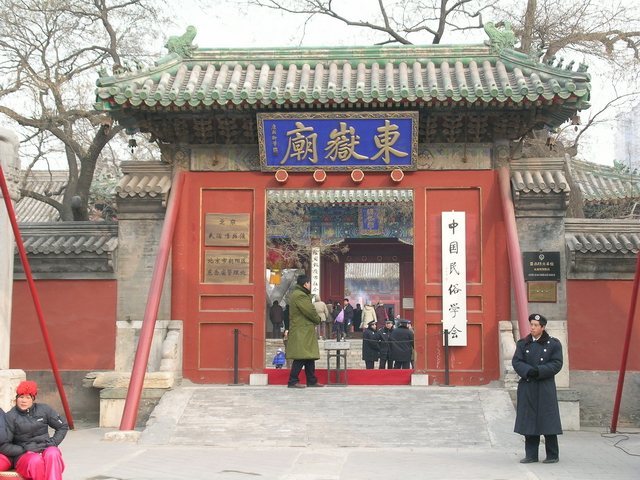
Beijing Dongyue Temple, founded in 1319 during the Yuan dynasty, developed into a major Zhengyi Daoist center devoted to Dongyue Dadi and now also…
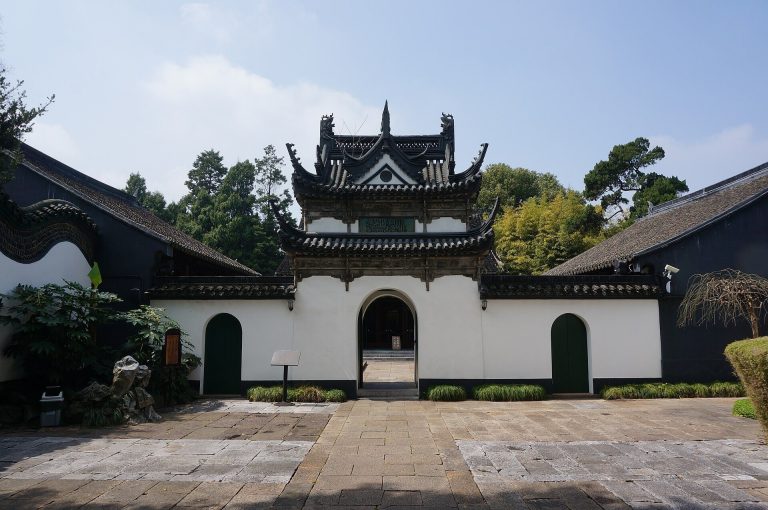
Songjiang Mosque is an active Sunni mosque in Shanghai regarded as the city’s oldest mosque. Founded in the 1360s, it was rebuilt and expanded during…
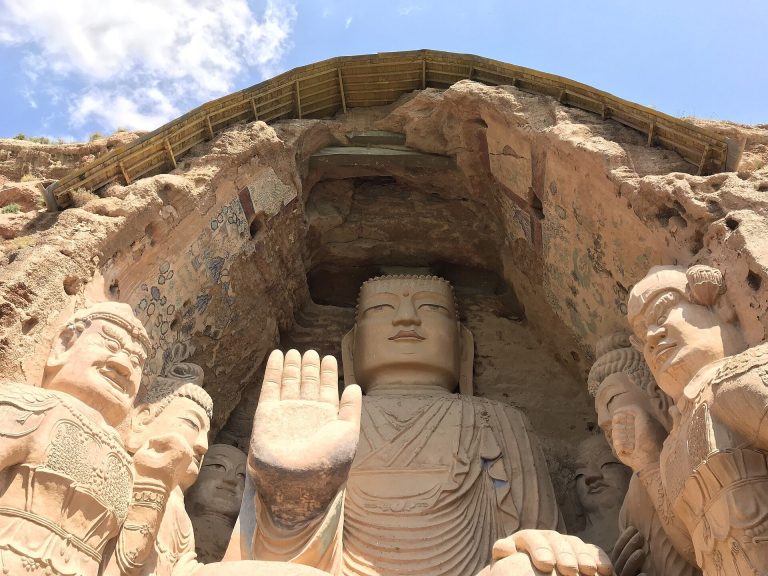
The Tiantishan Grottoes in Gansu began as the Liangzhou Grottoes during the Northern Liang and developed through successive periods of Buddhist…
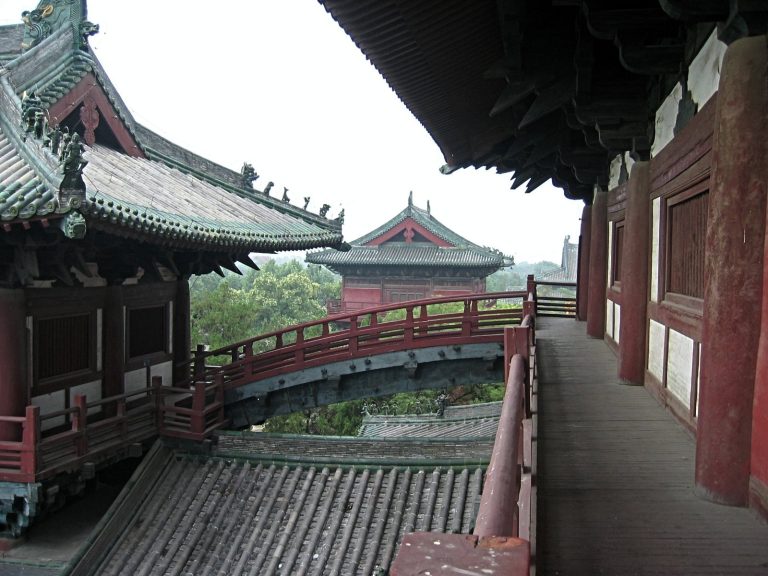
Longxing Monastery in Zhengding preserves Buddhist buildings, sculpture, inscriptions, and architectural phases spanning the Sui, Song, Ming, Qing,…
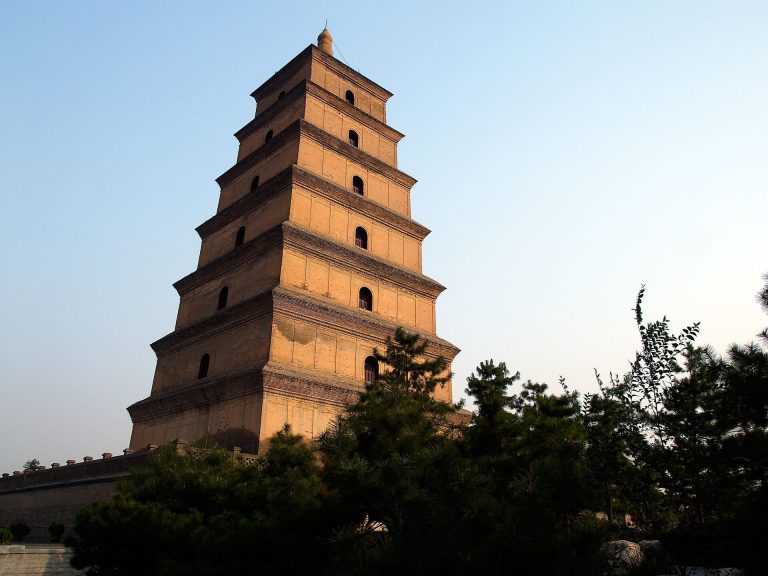
The Giant Wild Goose Pagoda in Xi’an preserves the history of Buddhist translation, Tang imperial culture, and successive rebuilding from the seventh…
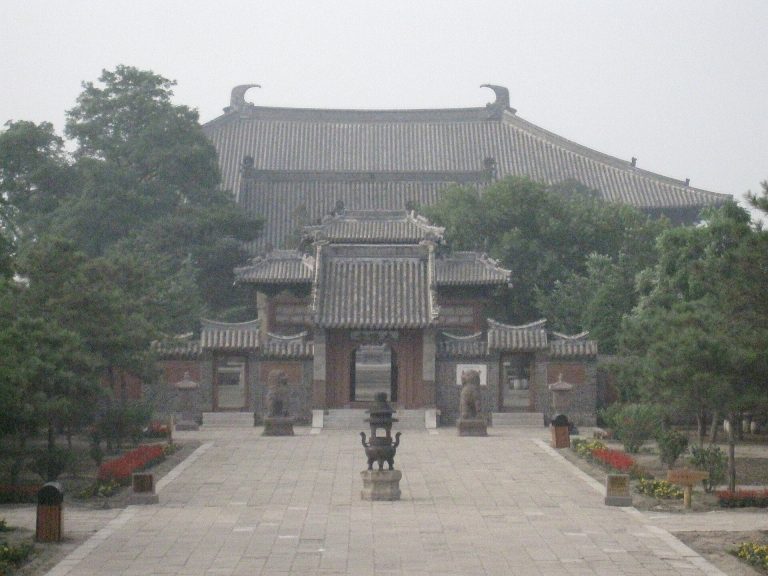
Fengguo Temple in Yixian County was founded in 1020 during the Liao dynasty. Its Mahavira Hall, Buddhist sculptures, paintings, inscriptions, and…
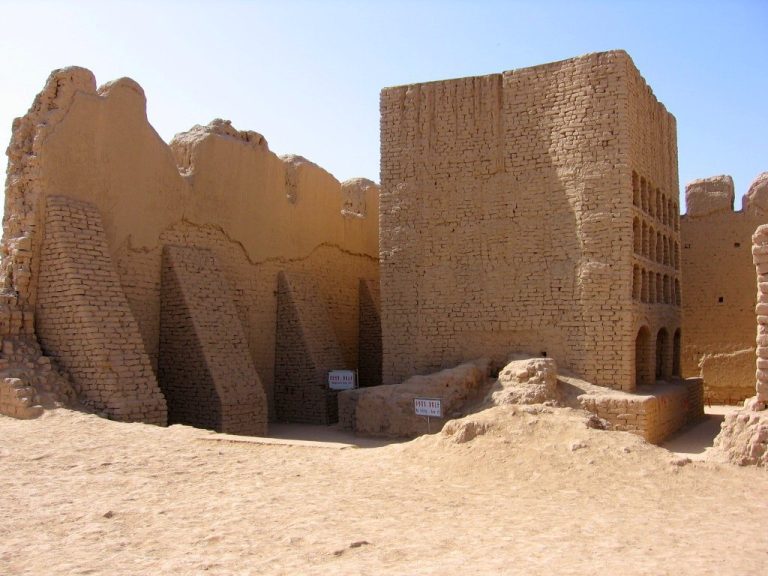
Gaochang was an ancient oasis city and frontier center in the Turpan region of Xinjiang. It developed from a Han military colony into the capital of…
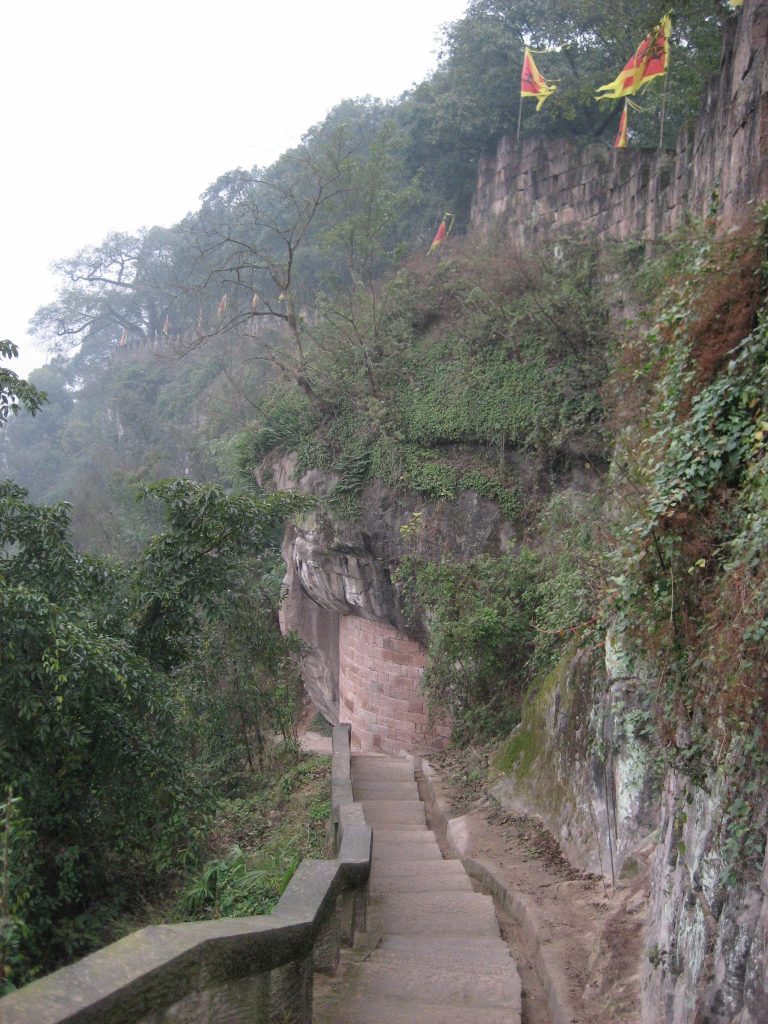
Diaoyu Fortress is a Southern Song military stronghold associated with the prolonged resistance to Mongol expansion and the death of Möngke Khan…
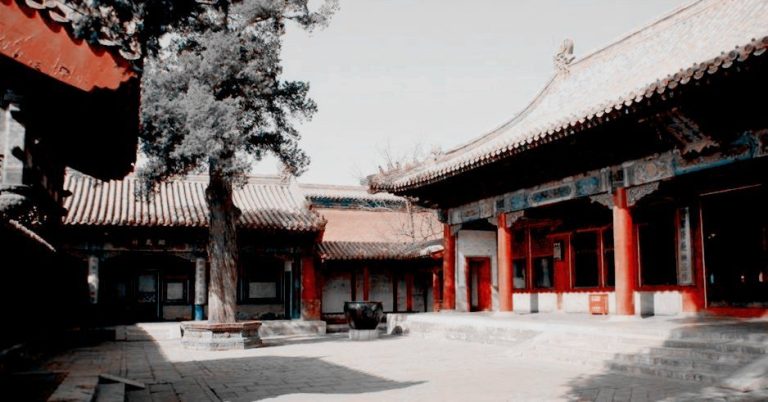
Zhongcui Palace is one of the six Eastern Palaces in the Forbidden City. Built in 1420, it housed Ming and Qing imperial consorts, crown princes,…
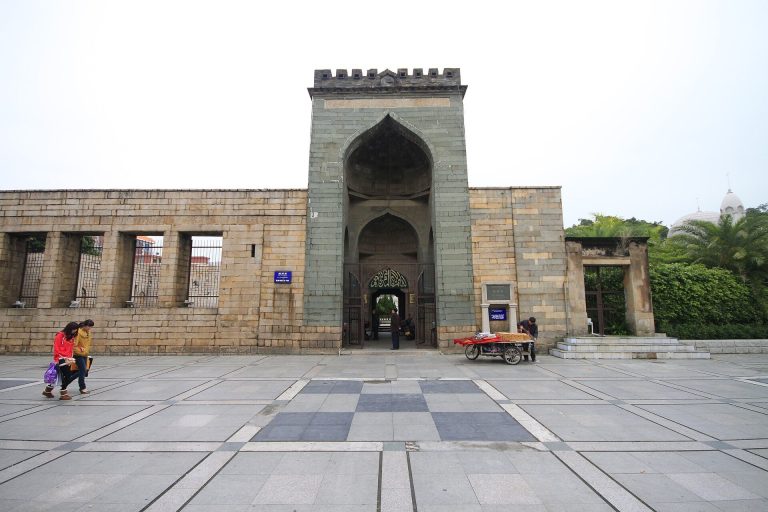
Qingjing Mosque in Quanzhou is one of China’s oldest surviving mosques, preserving evidence of Islamic worship, maritime exchange, and architectural…
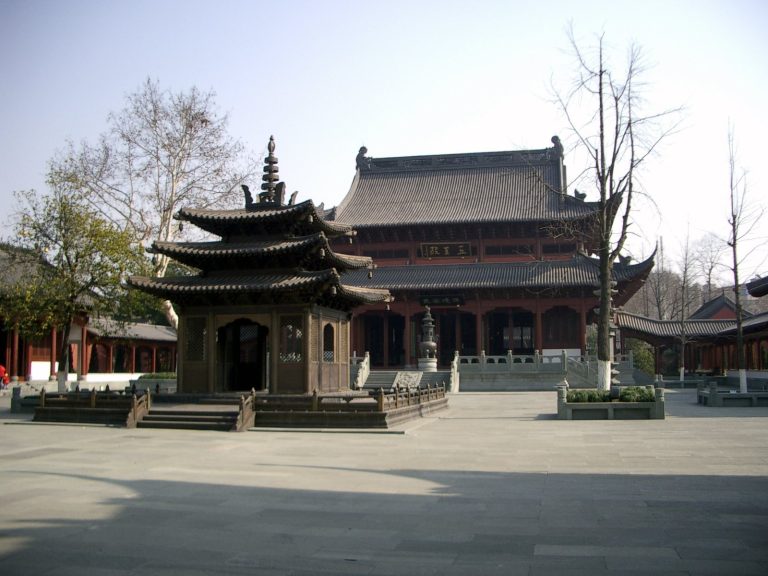
The Temple of the Qian Kings in Hangzhou commemorates the Qian ruling house of Wuyue, a regional kingdom that submitted to the Northern Song. Founded…
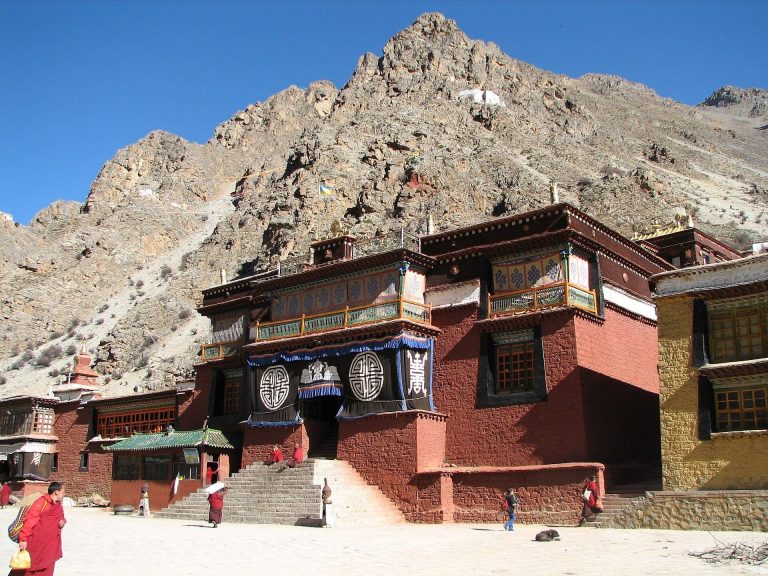
Tsurphu Monastery in Tibet is the traditional principal seat of the Karmapa and an important centre of the Karma Kagyu tradition. Founded in 1189, it…
For details on how to use the maps, which sites are included, how popularity and ratings are determined, and how sites are classified, see the help page.
On this page6 sections
The first emperor’s funerary army
The Terracotta Army occupies excavated pits beside the mausoleum of Qin Shi Huang near Xi’an. Ranks of fired-clay soldiers and horses formed part of a much larger burial complex, whose central mound remains separate from the army pits.
The figures were placed in underground structures, rather than assembled as an outdoor sculpture display. Archaeological excavation and conservation have exposed and repaired parts of those groups under modern protective buildings. The distinction between the excavated pits and the unopened royal tomb is essential to understanding what is actually presented at the site.
Buddhist images in caves and cliffs
The Mogao Caves near Dunhuang developed along a cliff beside routes across northwestern China. Cave shrines preserve wall paintings and sculpture made under successive patrons and governments. Other excavated spaces served residence, meditation or burial, giving the complex a wider range of uses than its richly decorated chapels alone suggest.
Their interiors provide evidence for changing religious images and painting traditions over many centuries. Different caves belong to different periods; the whole cliff should not be assigned to a single dynasty.
At Leshan, a vast seated Buddha was carved into the sandstone cliff above a river confluence during the Tang period. Its body forms part of the rock face, with channels incorporated to drain water away from vulnerable areas. Repairs have replaced some details, while the principal carved mass retains the monument’s scale and relationship with the rivers below.
Tibetan royal and religious spaces at the Potala
The Potala Palace rises along Red Hill in Lhasa. Its present complex developed principally from the seventeenth century as the residence of the Dalai Lamas and a center of Tibetan government and religion. The White and Red Palaces contain different groups of residential, administrative and sacred spaces.
Massive inward-sloping walls, terraces and rows of windows follow the ridge. The arrangement differs from a palace laid out on a level sequence of courts. Its architecture should be understood through Tibetan history and the particular functions of its halls and chapels, within the broader modern-country collection.
Astronomical instruments above Beijing’s walls
Beijing Ancient Observatory occupies a high brick platform associated with the city’s former defenses. Established in the Ming period, it preserves large bronze astronomical instruments from later Qing work. Courtyard buildings below served the observatory’s activities.
The elevated platform provided a setting for measuring the positions of celestial bodies. The instruments’ rings, arcs and graduated surfaces are working parts of scientific equipment, alongside their elaborate decoration. Their individual dates distinguish them from the older platform on which they stand.
A Qing coastal fort on Lantau
Fan Lau Fort in Hong Kong was built in the eighteenth century on a height overlooking maritime approaches. Its rectangular enclosure survives in stone and brick, with an entrance on the eastern side. A small garrison and artillery originally occupied the compound.
The compact fort offers a useful contrast with monumental palace and temple complexes. Its location, wall circuit and enclosed court explain a specific coastal defensive task. The remaining enclosure preserves that plan even though its internal buildings are largely gone.
Explore China’s historic places
Use the map and grid to compare regions and building types, then open a site article for its construction history and surviving details. Civilization and period filters help narrow the country collection without replacing the individual site’s historical attribution.