Historic Sites in Canada: Explore Burial Mounds, Settlements and Forts
Canada’s collection includes Indigenous burial landscapes, a Norse settlement, colonial fortifications and early industrial remains. These places survive in different forms, from earthworks and excavated foundations to restored stone buildings. Their articles distinguish archaeological remains from the reconstructed buildings used to explain vanished settlements and working environments.
Primary Function: All
Type: All
Civilization: All
Popularity: All
Rating: All
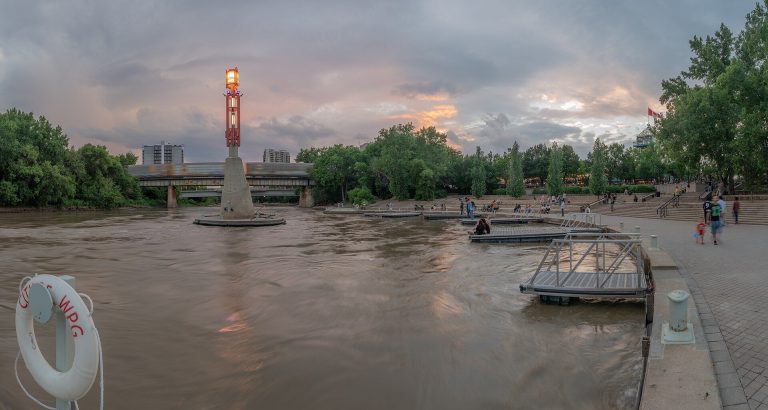
The Forks at the junction of Winnipeg’s Red and Assiniboine rivers preserves evidence of approximately 6,000 years of Indigenous activity, fur trade,…
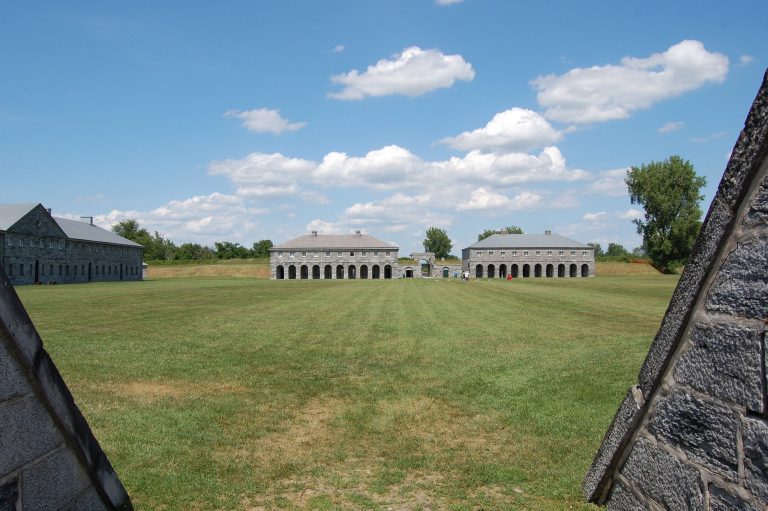
Fort Lennox occupies Île aux Noix in the Richelieu River, where successive French and British military works guarded the route toward Lake Champlain.…
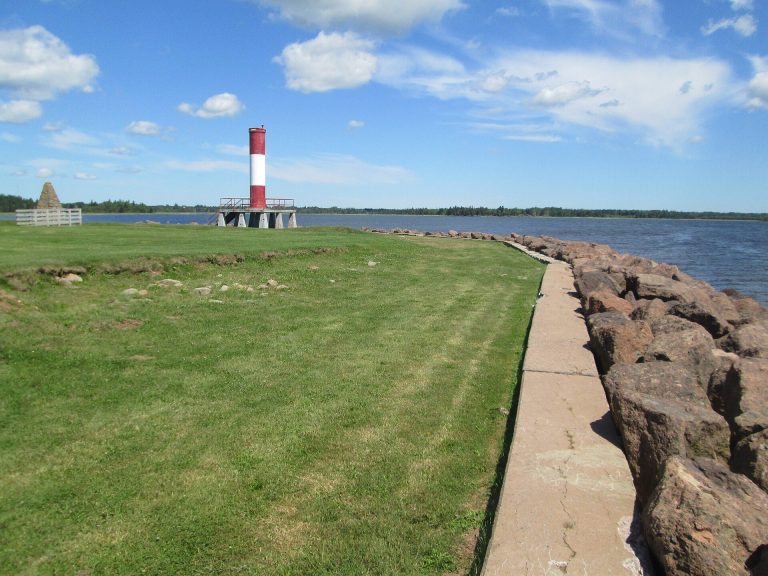
Fort Gaspareaux was a small French fort built in 1751 to guard the Isthmus of Chignecto and support movement between Quebec, Louisbourg, and Fort…
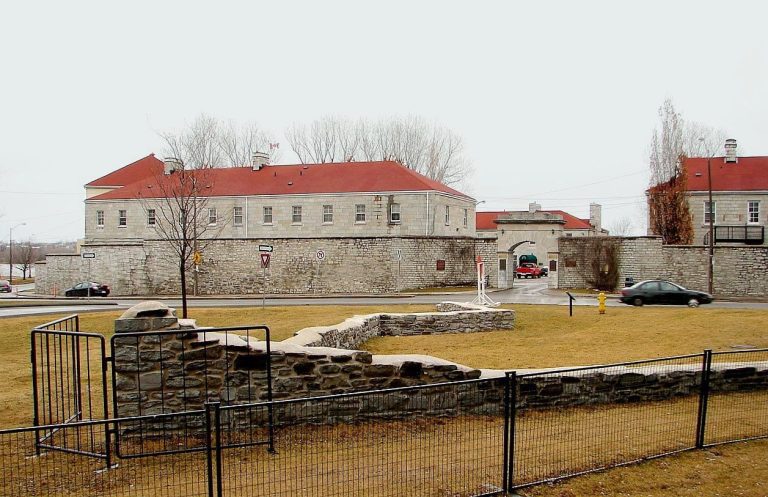
Fort Frontenac was founded by New France in 1673 at the mouth of the Cataraqui River. It became a center for trade, exploration, military operations,…
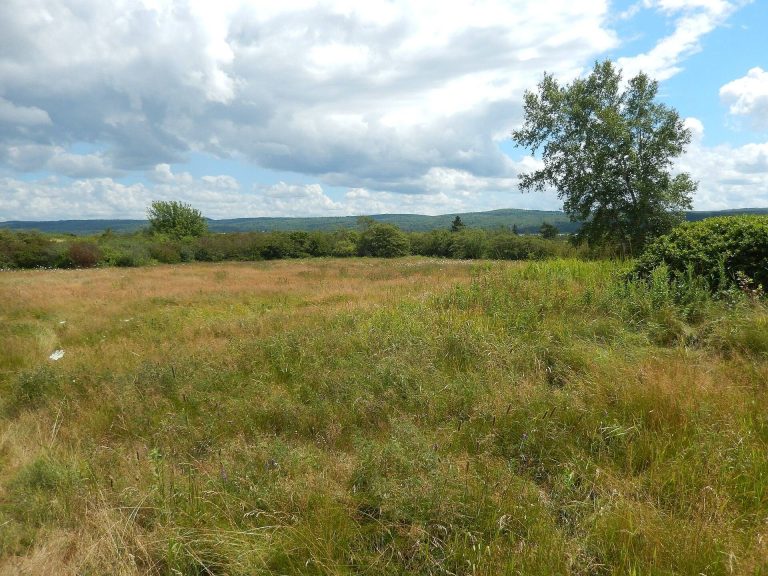
Melanson Settlement preserves the remains of an Acadian family community founded around 1664 beside the Annapolis River. Its archaeological evidence,…
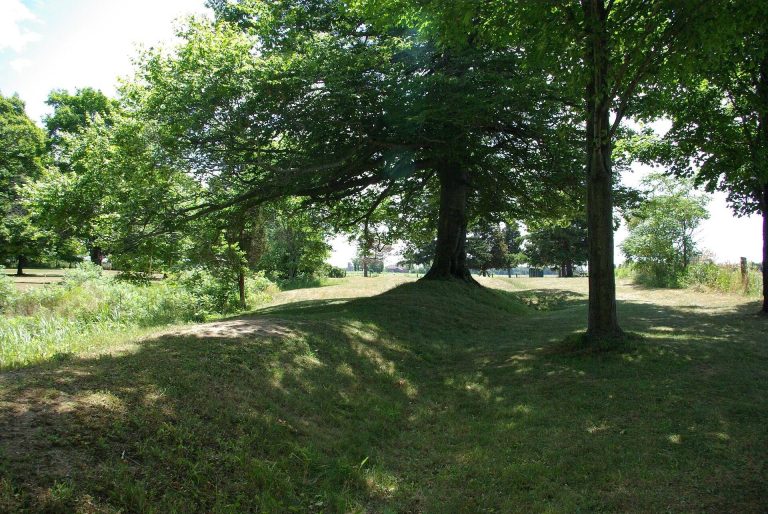
Southwold Earthworks preserves the remains of a Neutral village in southwestern Ontario, occupied around AD 1450 to 1550 and recognized as a National…
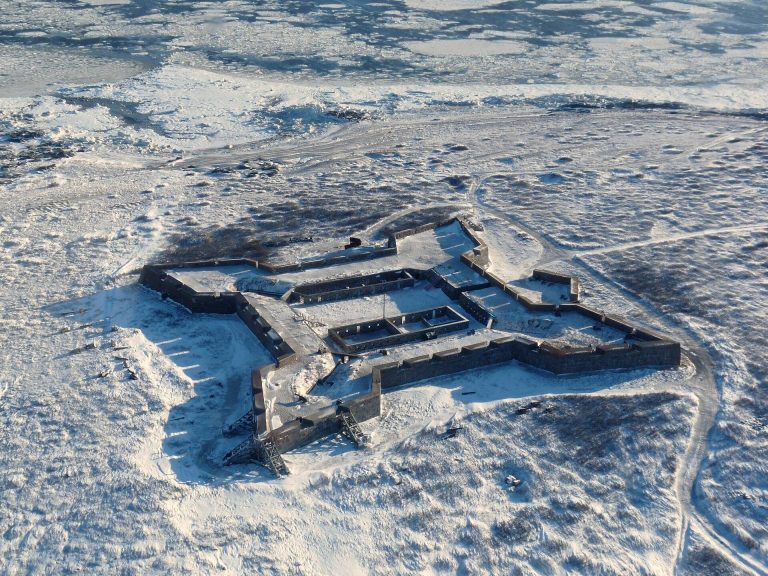
Prince of Wales Fort was an eighteenth-century Hudson’s Bay Company trading and defensive post on Hudson Bay. Its surviving stone walls, ruined…
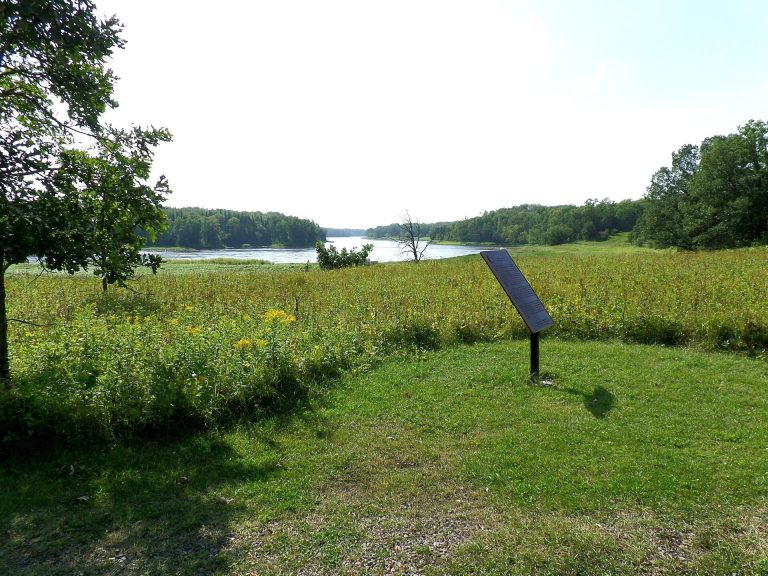
Kay-Nah-Chi-Wah-Nung, also known as Manitou Mounds, is a major Indigenous habitation, trading, ceremonial, and burial site on the Rainy River in…
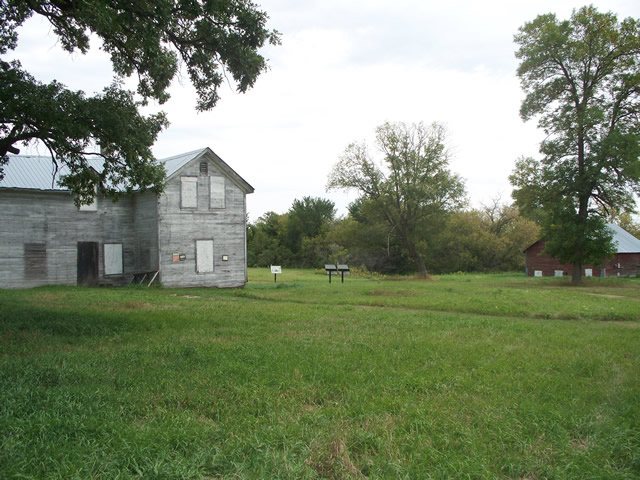
Fort Dufferin in Emerson, Manitoba, served as a boundary-survey base, a staging point for the North-West Mounted Police, and an immigration and…
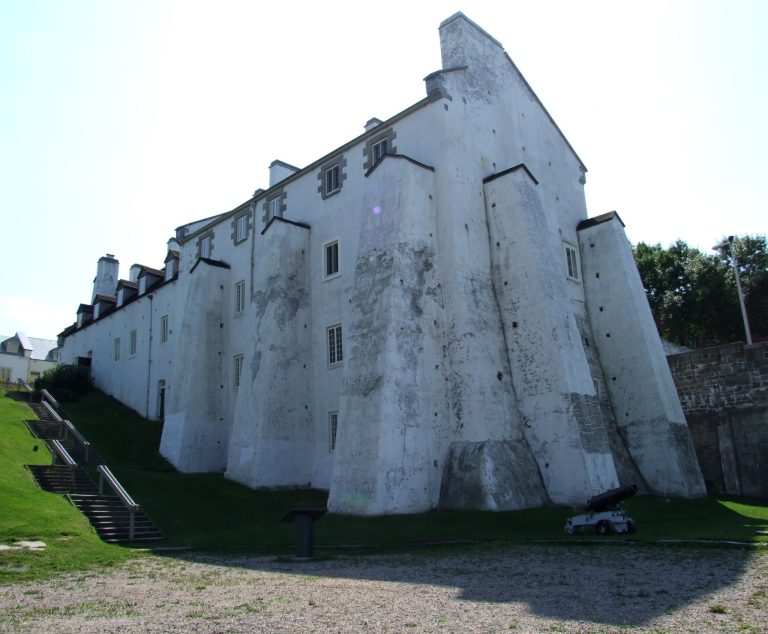
Dauphine Redoubt is one of the oldest military buildings in Québec and Canada. Built between 1712 and 1748, it served French and British forces and…
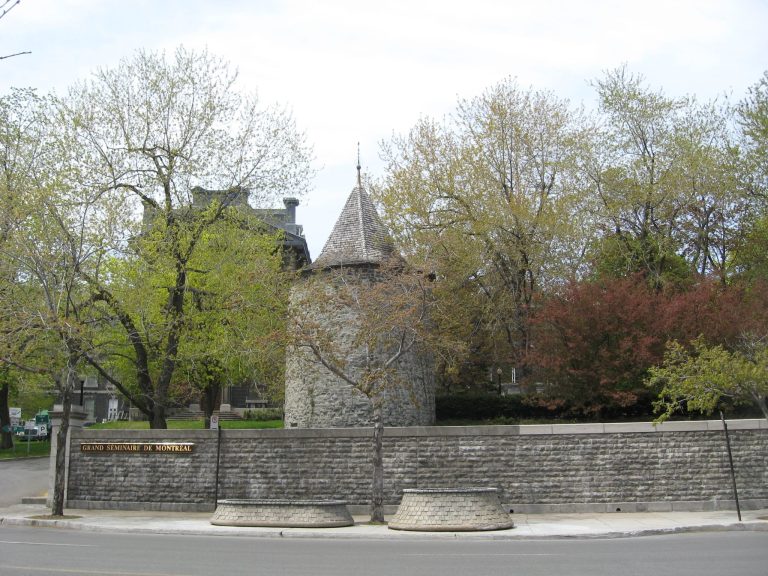
Fort de la Montagne was a Sulpician fortified mission established near Mount Royal to protect its inhabitants from the Iroquois. Two 1694 stone…
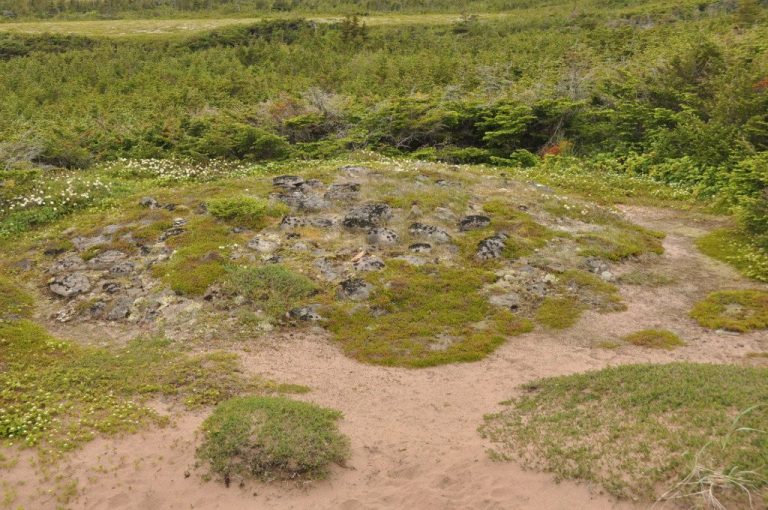
L'Anse Amour preserves a 7,500-year-old burial mound and evidence of long-term Indigenous occupation on the Strait of Belle Isle in southern Labrador.
For details on how to use the maps, which sites are included, how popularity and ratings are determined, and how sites are classified, see the help page.
On this page4 sections
Burial mounds at Kay-Nah-Chi-Wah-Nung
Kay-Nah-Chi-Wah-Nung, on the Rainy River in Ontario, contains burial mounds and evidence of settlements built over a long period of Indigenous occupation. The mounds lie along river terraces in a landscape where waterways supported travel, fishing and contact between communities.
The site has continuing spiritual and cultural importance to Rainy River First Nations, which owns and operates its historical centre. Its visible earthworks belong within that living relationship with the place. Archaeological evidence and community knowledge explain the mounds, former village areas and repeated use of the river landscape.
Norse building remains at L’Anse aux Meadows
L’Anse aux Meadows, in northern Newfoundland, preserves the remains of a Norse settlement dating to around AD 1000. Excavation identified timber-framed, turf-walled buildings used for accommodation and work. Ironworking and boat repair are among the activities supported by the archaeological finds.
The surviving traces in the ground are distinct from the modern reconstructed buildings nearby. Those reconstructions help explain the dimensions, materials and enclosed spaces of the settlement, while the excavated remains provide the evidence for its layout and use.
Stone forts and a reconstructed port town
Fort Chambly stands beside rapids on the Richelieu River. Earlier wooden works were replaced by a stone fort in the early eighteenth century. Its enclosed quadrangular plan and projecting bastions guarded a strategically important water route. Restoration, informed by archaeology, has shaped the building visible today.
Louisbourg, on Cape Breton Island, protected a French colonial harbour and the commercial settlement beside it. Its history includes fishing, trade and domestic life as well as military defence. The surviving archaeological site is accompanied by a substantial modern reconstruction of part of the eighteenth-century town.
The rebuilt streets, houses and military buildings make the original relationship between harbour, town and fortifications easier to understand. They should be distinguished from the excavated foundations and other original remains elsewhere within the historic settlement.
Whaling stations and ironworks
At Red Bay, Labrador, sixteenth-century Basque crews established a seasonal whaling station. The land-based remains include installations for rendering blubber into oil, cooperages, wharves and living areas. Archaeology in the harbour has also identified wrecks associated with the industry; these are underwater evidence, separate from the features preserved on shore.
Forges du Saint-Maurice, near Trois-Rivières, preserves part of an ironmaking settlement established in the eighteenth century. Its industrial remains include the blast furnace and forge sites, with the arrangement of buildings linked to water supply and production. Iron was made into goods including domestic equipment as well as items for other uses.
The reconstructed Grande Maison and protective structures over industrial remains form part of the site’s modern interpretation. Foundations and archaeological traces reveal the larger working settlement that once surrounded the ironworks.
Use the map to explore the collection by location, then open individual articles for the evidence, surviving structures and restoration history of each site.