Historic Sites in Bangladesh: Explore Ancient Cities, Monasteries and Mosques
Bangladesh’s historic sites include fortified urban remains, Buddhist religious complexes, Mughal-period mosques and later palaces. Brick was central to many of these buildings, but their surviving forms vary greatly. Excavated walls reveal the plans of vanished cities and monasteries, while domes, gateways and raised platforms remain prominent in later religious architecture.
Primary Function: All
Type: All
Civilization: All
Popularity: All
Rating: All
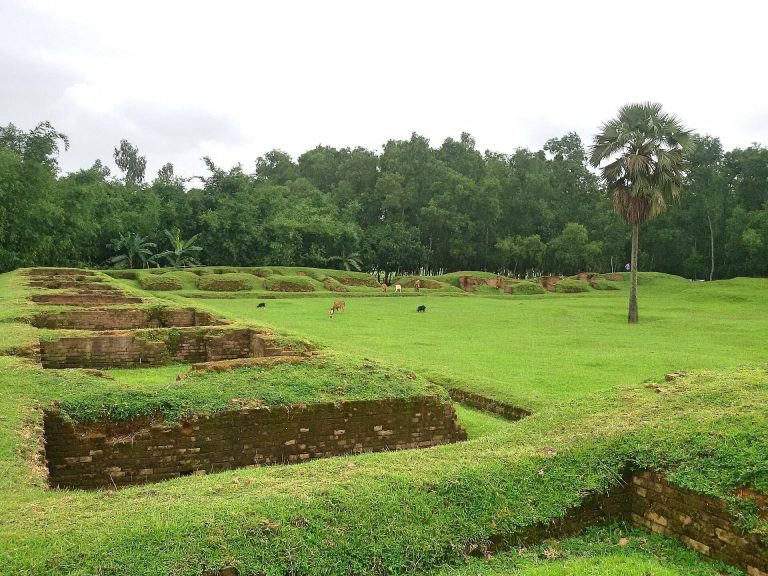
Sitakot Vihara in Nawabganj is a fifth- to sixth-century Buddhist monastery whose square plan, residential cells, shrine rooms, and excavated objects…
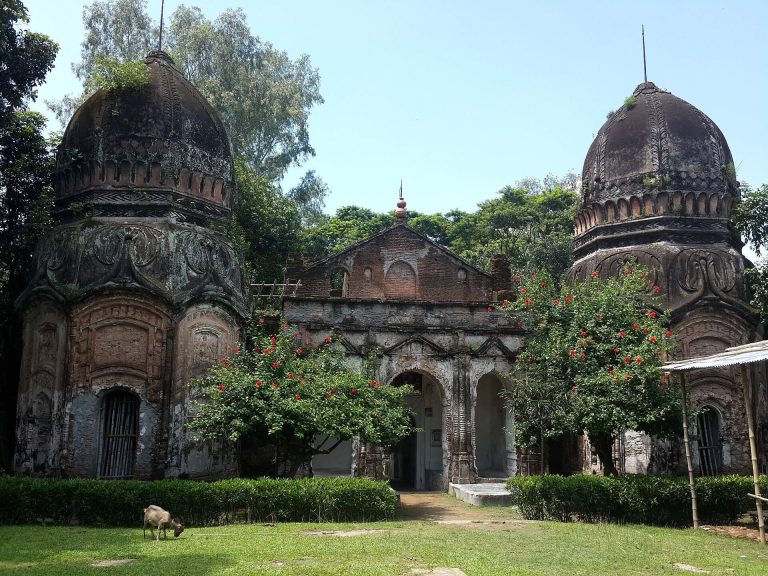
Balihar Rajbari is a historic zamindar estate in Naogaon, associated with Mughal-era landholding, a prominent Raj-Rajeshwari temple, and the…
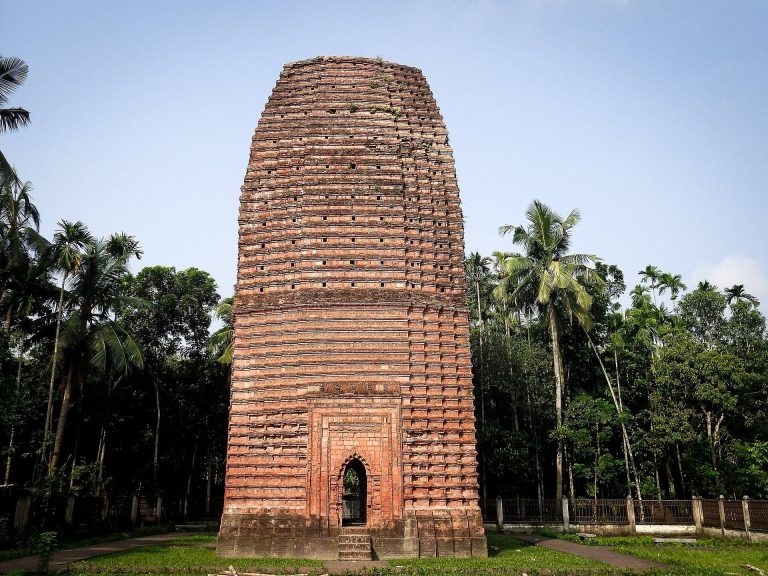
Kodla Math, also called Ayodhya Math, is a seventeenth-century Hindu archaeological monument in Bagerhat District. Its inscription, memorial…
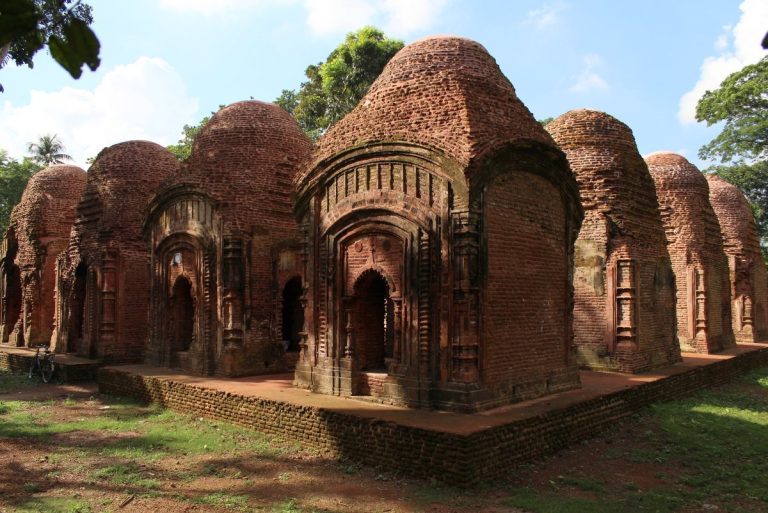
Egaro Shiv Temple is an archaeological Hindu temple complex beside the Bhairab River in Jessore District, Bangladesh. Established by King Nilkantha…
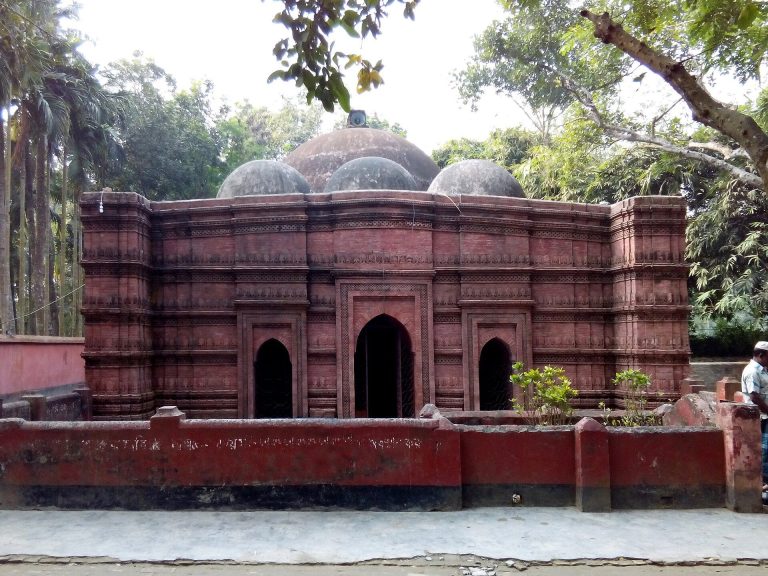
Gorar Mosque is a restored medieval mosque in Belat Daulatpur, associated with the Barobazar monuments of southwestern Bangladesh and the…
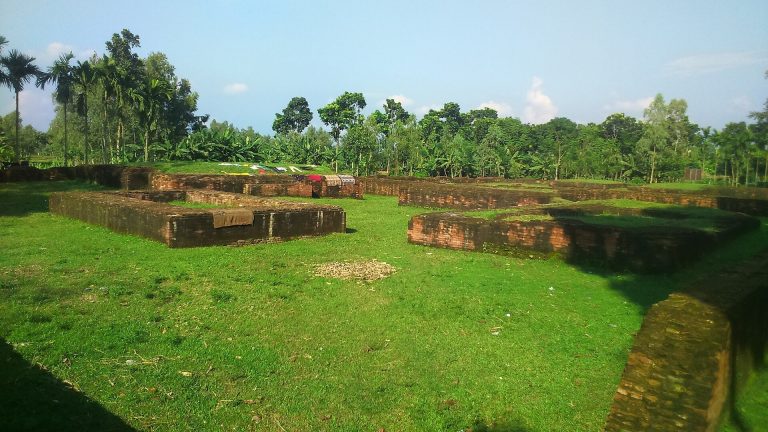
The Palace of Parshuram within Mahasthangarh preserves evidence of construction from the Pala and Sultanate periods, as well as a late…
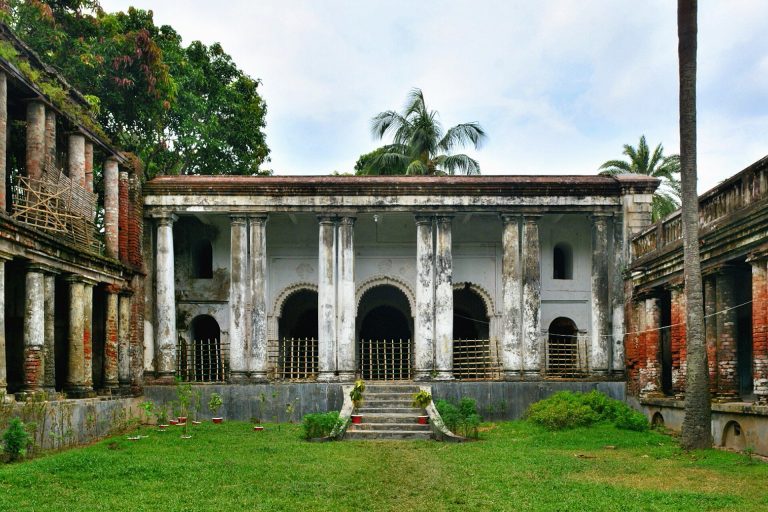
The House of Sir Prafulla Chandra Ray in Khulna District preserves the birthplace of the pioneering Bengali chemist and remains a protected antiquity…
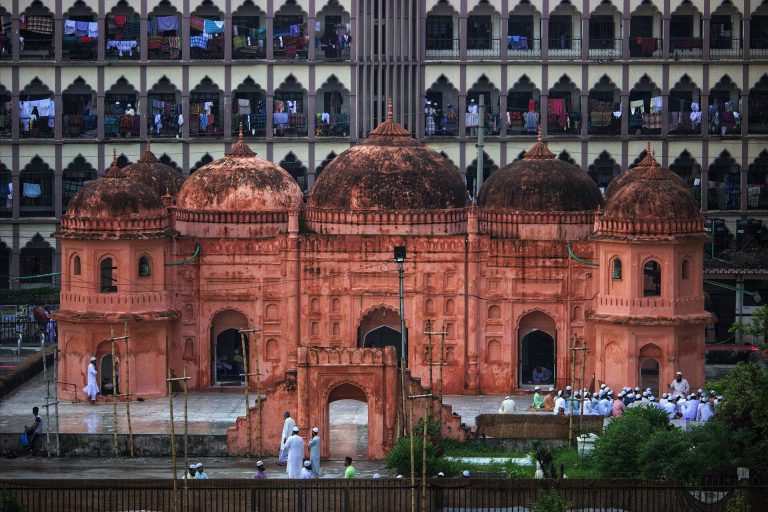
Sat Gambuj Mosque, also known as the Seven-Domed Mosque, is a seventeenth-century Sunni mosque and tomb complex in Mohammadpur, Dhaka. Built during…
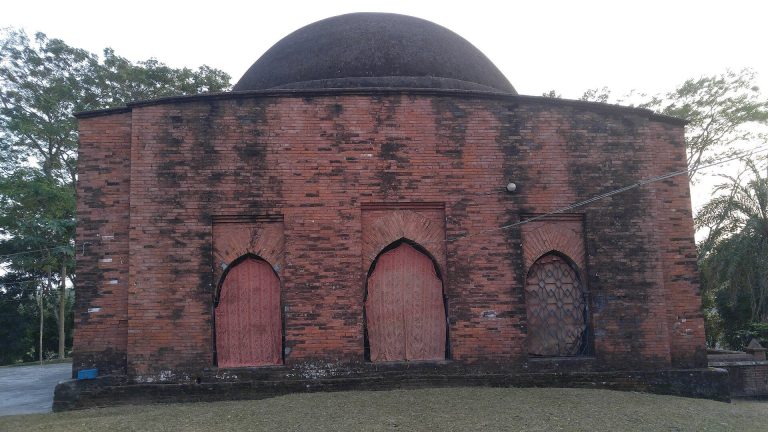
Bibi Chini Mosque is a Mughal-era Sunni mosque and archaeological site in Bibi Chini village, Bangladesh, associated with the preacher Shah Neyamat…
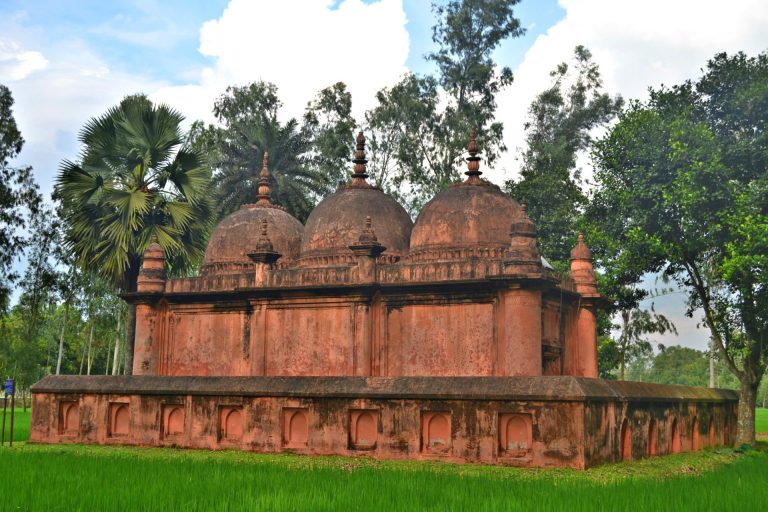
Mithapukur Bara Mosque is an early-nineteenth-century mosque in Rangpur District, Bangladesh, associated with the late Mughal period and…
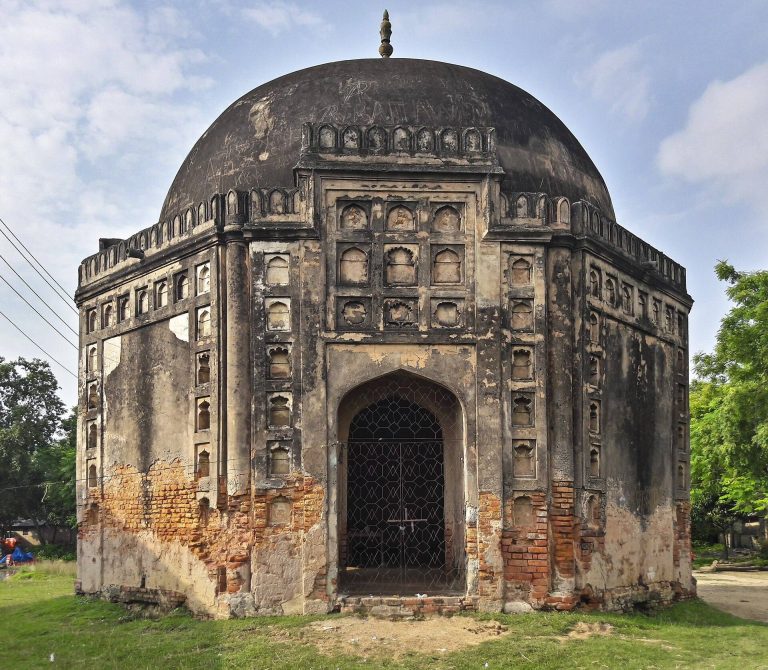
The Rohanpur Octagonal Tomb in Bangladesh is regarded as one of the oldest monuments associated with the Gaur period and as Bengal’s earliest known…
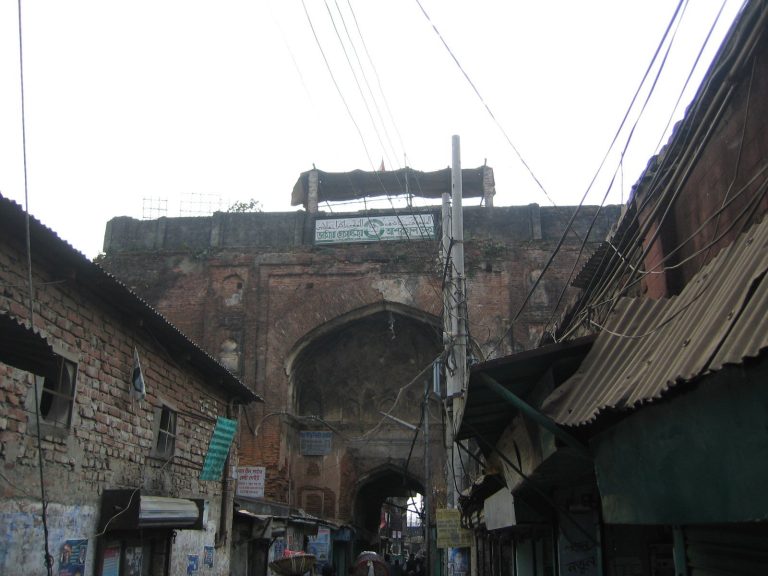
Bara Katra is a Mughal-period brick caravanserai in Dhaka, built between 1644 and 1646 for Shah Shuja and later endowed to its builder, Mir Abul…
For details on how to use the maps, which sites are included, how popularity and ratings are determined, and how sites are classified, see the help page.
On this page4 sections
Mahasthangarh: the walls of an ancient city
Mahasthangarh preserves the fortified core of ancient Pundranagara beside the Karatoya River. Its large rectangular citadel is enclosed by substantial ramparts, with excavated gateways and building remains inside. The defences were repeatedly enlarged and rebuilt as the city continued in use.
The visible earthworks therefore contain several periods of construction. Excavation has distinguished successive wall phases rather than a single circuit built at one moment. The raised citadel and surrounding archaeological sites also show that the city’s history extended beyond the buildings now exposed within its walls.
Buddhist stupas and residential monasteries
At Itakhola Mura, in the Mainamati area, Buddhist remains occupy several levels of a hillside. A substantial stupa complex and the remains of a nearby monastery survive in brick. Their position makes it possible to distinguish the monumental religious focus from the buildings used by the monastic community.
Sitakot Vihara, in the northwest of the country, has a particularly clear residential plan. Cells surround a roughly square courtyard and open onto an internal verandah. A gateway complex interrupts the northern range, while smaller entrances and passages helped organize circulation.
The repeated cell sizes and continuous verandah preserve the basic arrangement of communal accommodation. These are low archaeological remains rather than standing rooms, so the plan explains more of the building’s original use than its surviving height does.
Raised platforms and domed prayer halls
The Khan Mohammad Mridha Mosque in Dhaka stands on a high platform above a series of lower rooms. A rectangular prayer hall with three domes occupies one end of the upper terrace. The raised arrangement separates the mosque and its open approach from street level, while the rooms below gave the platform additional uses.
The original function of every lower room is not certain; accommodation connected with religious teaching is among the interpretations. The building’s surviving plan is clearer than those more specific assignments of use.
At Sat Gambuj Mosque, also in Dhaka, the name refers to seven domes. Three cover the main prayer hall, while four more crown octagonal corner pavilions. The distinction is visible in the building’s arrangement: the seven domes do not cover seven equivalent bays of one hall.
Both mosques belong to Bengal’s Mughal-period architectural history. Their articles examine the local forms of platforms, corner structures and brickwork within that wider setting.
Ahsan Manzil: a later riverside palace
Ahsan Manzil developed as the palace and administrative seat of the Nawabs of Dhaka beside the Buriganga River. Its raised platform, long verandahs and prominent central dome give it a very different form from the excavated monasteries and fortified city remains.
The palace was rebuilt and altered over time. Reception rooms, spaces for household life and administrative functions occupied different parts of the complex, while restoration has shaped the building presented today. It adds a later chapter to the collection’s history of patronage and urban architecture.
Explore the map to locate these places and follow the individual articles for their chronology, surviving features and later alterations.