Balihar Rajbari: A Historic Zamindar Estate in Bangladesh
Site at a Glance
- Rating
- 4.2
- Popularity
- Low
- Country
- Bangladesh
- Primary era
- Early Modern
- Eras represented
- Early Modern
- Civilizations
- British, Mughal
- Site type
- Domestic
- Remains
- Elite Residence
On this page13 sections
History
Mughal-era foundations
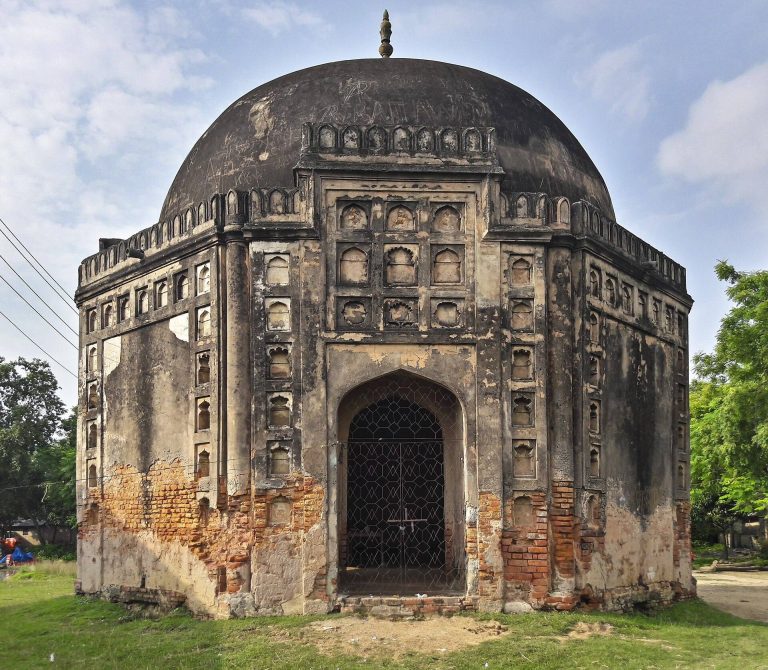
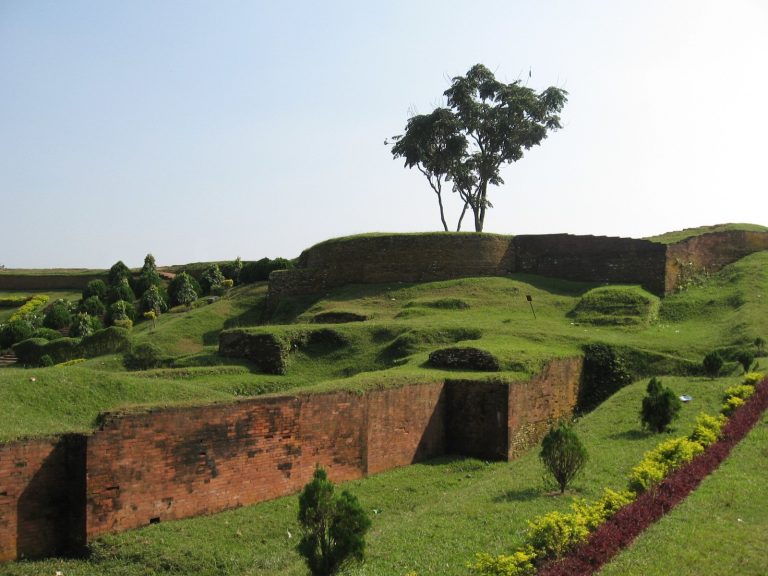
Balihar Rajbari is a historic zamindar estate in the Kurmail locality of Balihar Union, Bangladesh, west of the Naogaon–Rajshahi road and about 18 kilometres west of Naogaon district town. It is regarded as the oldest rajbari in Naogaon Sadar and as one of Bangladesh’s archaeological structures. The Balihar zamindar family was founded by Nrisimha Chakrabarti. During the reign of Mughal emperor Aurangzeb, from 1658 to 1707, a zamindar of the Balihar area received a jagir, a revenue assignment granted by a ruler in return for service or administrative obligations. The Balihar zamindars subsequently established several structures in the area, including the rajbari.
A local tradition associates the area with Raja Man Singh, a prominent military commander under the Mughal emperor Akbar. According to this tradition, Man Singh stopped his army there during a campaign against the Baro-Bhuiyans, regional landholding chiefs who resisted Mughal consolidation in Bengal. His exhausted troops rested at the site, while spies gathered information about the surrounding area. The tradition further holds that 330 ponds were dug during the dry season to keep the soldiers occupied.
The zamindar estate in the nineteenth century
The estate contained 330 ponds, among them the large ponds known as Malahar, Sitahar, Balihar, and Antahar. In 1823, Rajendra Nath, a Balihar zamindar, built the Raj-Rajeshwari Temple and installed a brass image of Rajeshwari, a Hindu goddess whose title means “royal goddess” or “queen of queens.” The image became well known in Balihar and the surrounding region.
Several members of the Balihar family were highly educated. Krishnendra Nath Ray Bahadur was a noted writer and produced the first and second volumes of Krishnendra Granthabali. His literary work forms part of the cultural history associated with the estate.
Partition, abandonment, and later damage
At the time of the Partition of India, the Balihar ruler was Bimelendu Ray. After the zamindari system was abolished, he moved to India. Other members of the household staff continued to care for the buildings. During and after the Bangladesh Liberation War, many objects, furnishings, windows, doors, and other materials from the rajbari were looted.
One of the rajbari buildings was later used as classrooms by a local school. After a new school building was constructed, the older rajbari building was abandoned, while the temples within the complex continued to be used for worship. The site is now owned by the Department of Archaeology of Bangladesh.
Remains
Compound and religious buildings
Entrance gateway
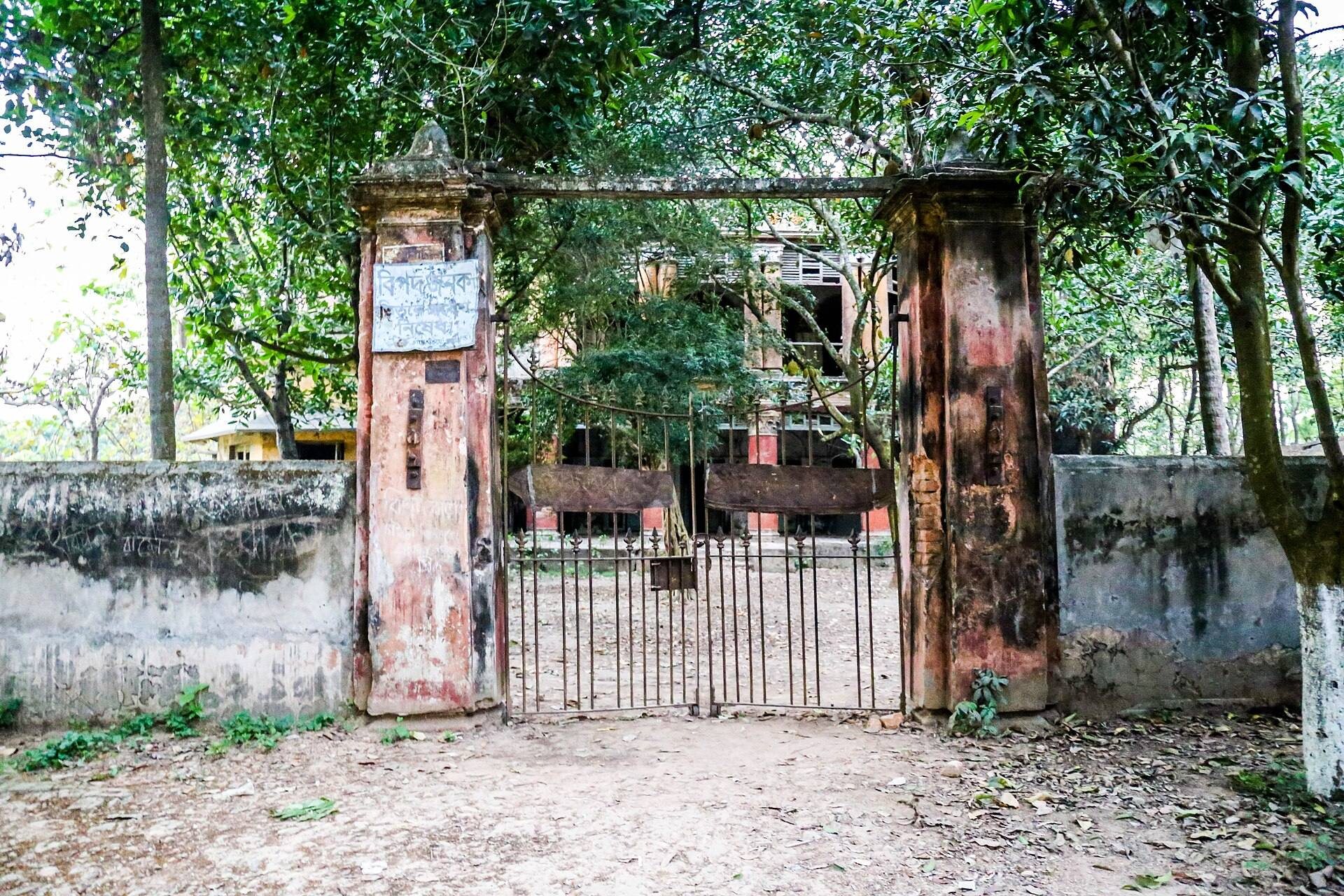
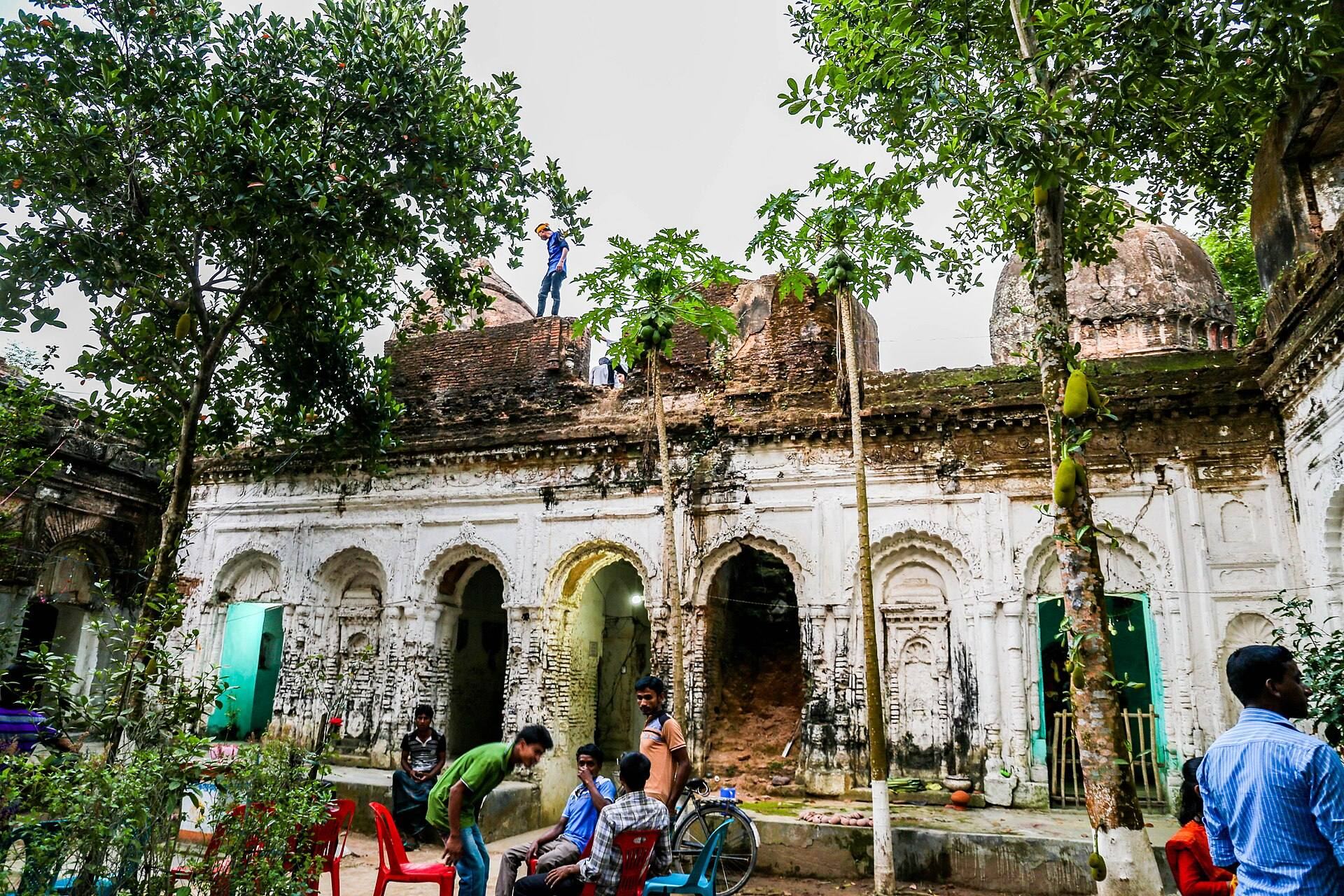
The complex is enclosed by a large brick-and-mud-built compound entered through a substantial gateway at the front. This entrance leads into an interior group of religious and residential structures, including a ritual pavilion, the Raj-Rajeshwari Temple, two Shiva temples, and the large zamindar residence.
Ritual pavilion
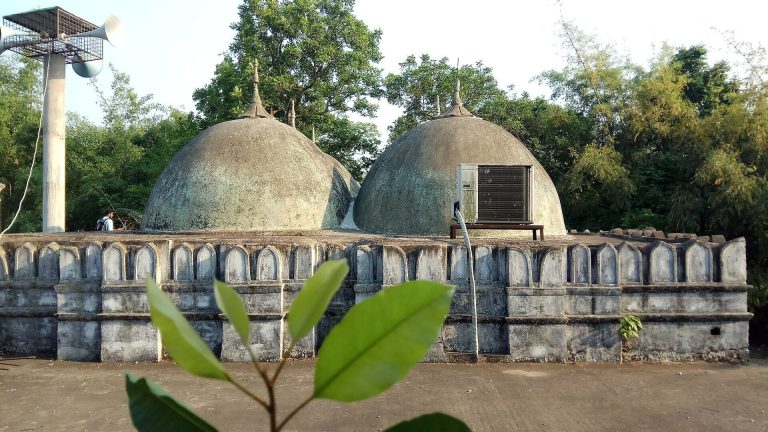
A ritual pavilion stands within the compound. Such a covered space is used for Hindu ceremonies and religious performances, and it forms part of the temple area alongside the principal shrines.
Raj-Rajeshwari Temple
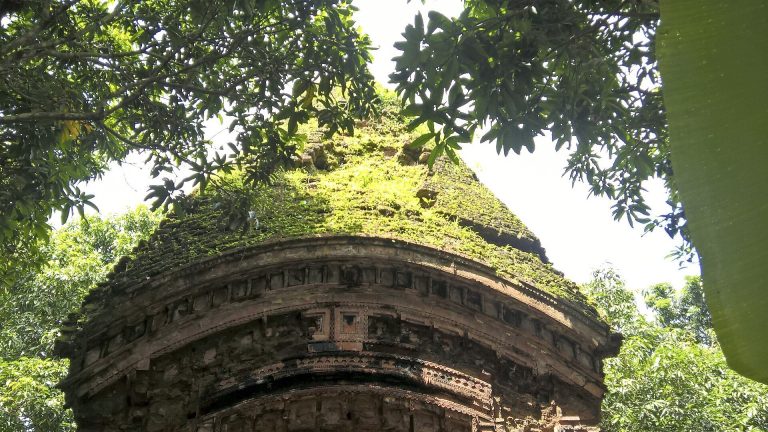
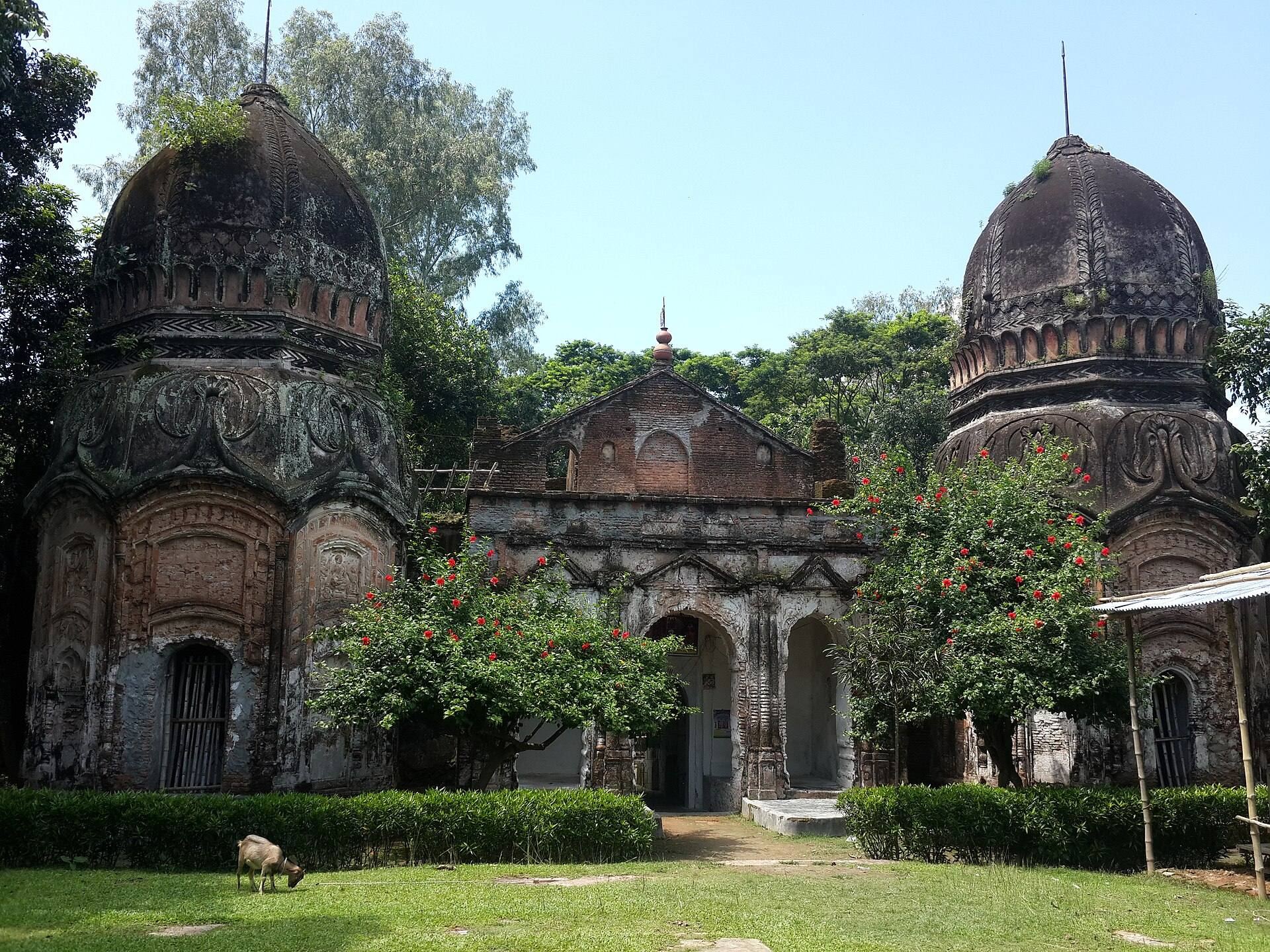
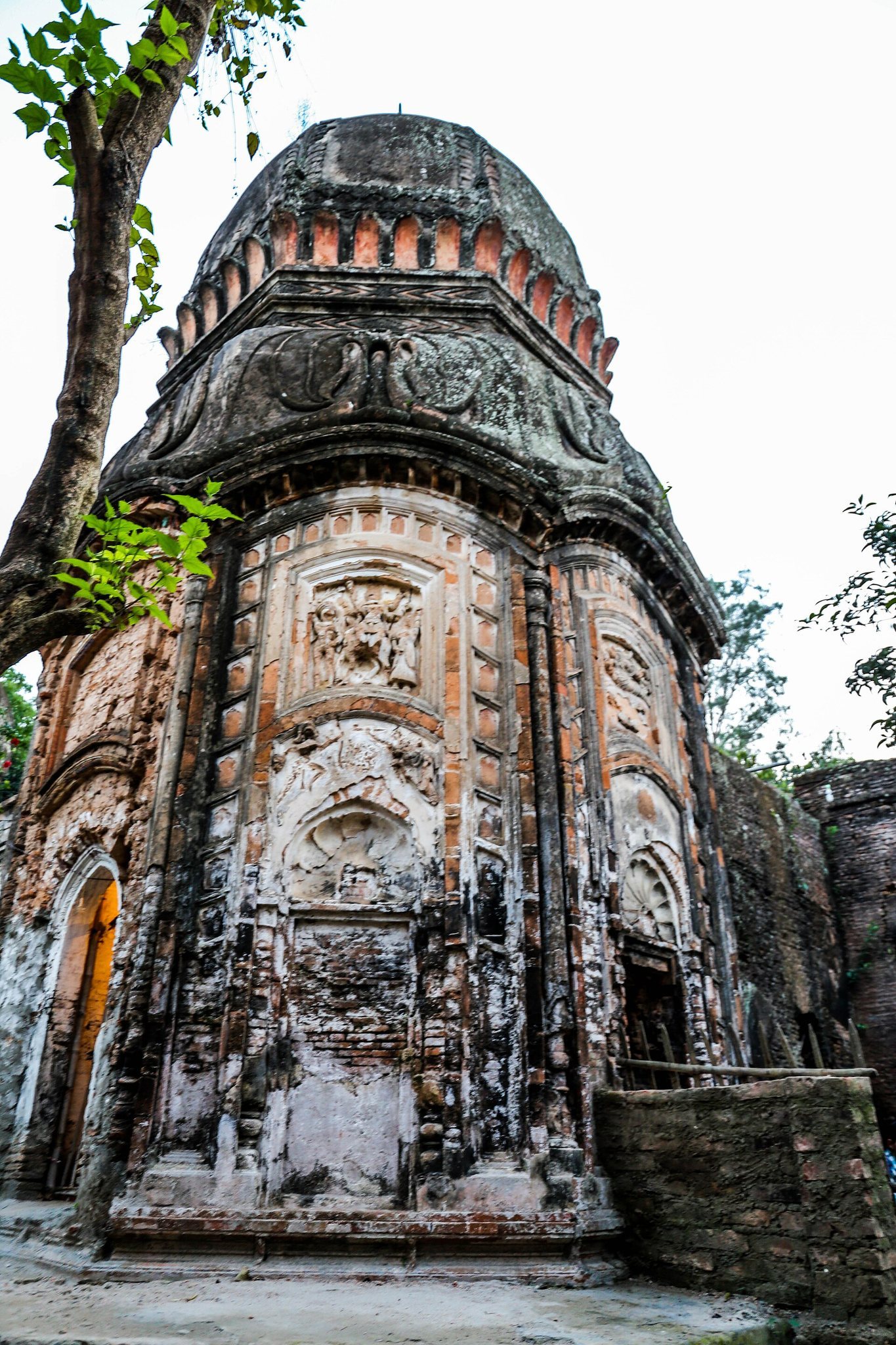
The Raj-Rajeshwari Temple is built of brick and mud. Decorative work and valuable reliefs once enriched its walls, although much of this ornament is now indistinct and damaged. The temple remains part of the worship area, and its brass image of Rajeshwari is associated with the religious importance of Balihar.
Shiva temples and lingas
A pair of Shiva temples stands within the compound. Behind the palace, two large Shiva lingas stand side by side. A Shiva linga is an aniconic symbolic representation associated with the Hindu deity Shiva.
Residential and estate features
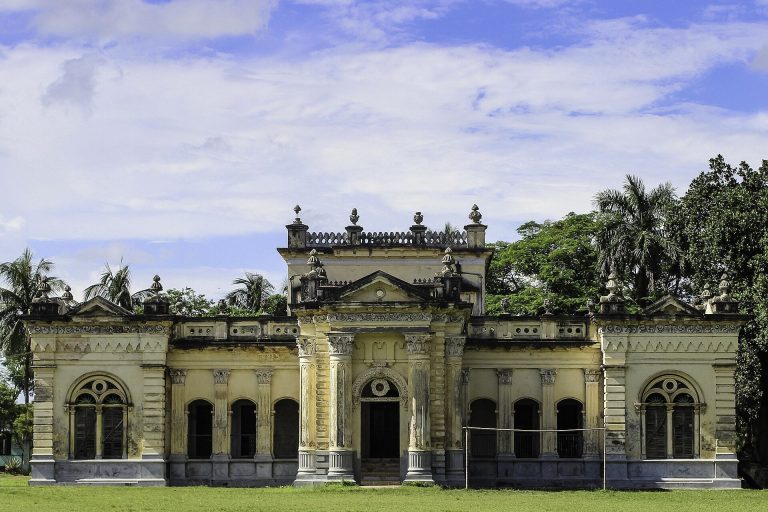
Zamindar residence
The principal residential building is a large three-storey zamindar house constructed from brick and mud. Its former doors, windows, furniture, and other materials were among the elements affected by looting during and after the Bangladesh Liberation War. The building was later used as a school before being abandoned when a new school building was completed.
Former zoo and surrounding ponds
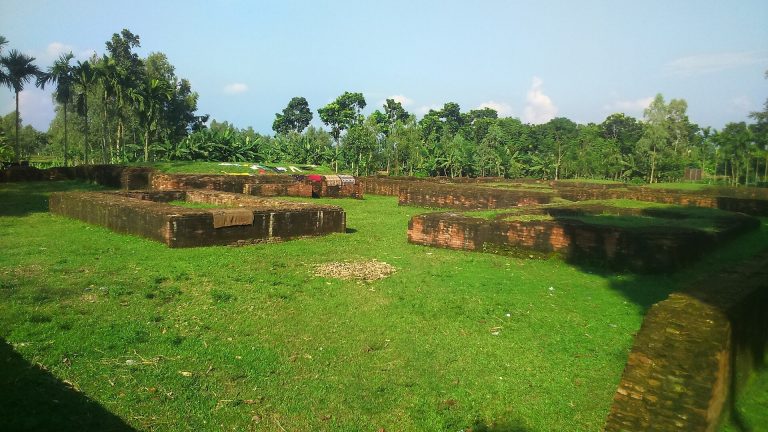
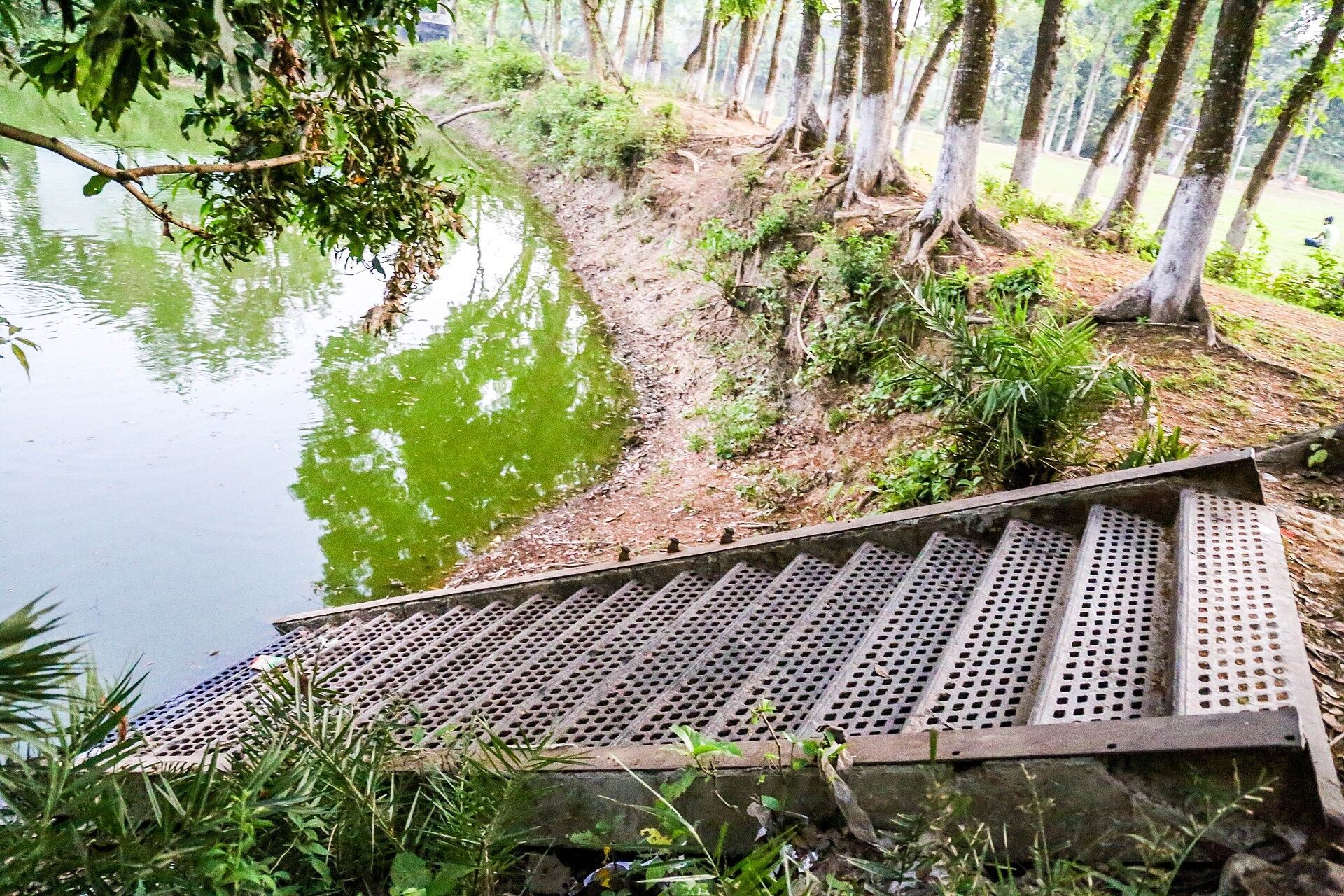
A small zoo once stood in front of the palace. It contained tigers, bears, monkeys, deer, and various other animals and birds. The wider Balihar estate also included 330 ponds, with Malahar, Sitahar, Balihar, and Antahar identified as notable large examples.