Castles in the United Kingdom: Explore Medieval Keeps, Royal Palaces and Coastal Forts
Castles in the United Kingdom include great stone keeps, defended royal apartments, later palace ranges and Gothic Revival residences. The wider collection also includes coastal forts, towers, town walls, manor houses and fortified religious buildings. Its substantial remains show how defensive sites expanded, how rulers separated their accommodation from a garrison, and how later owners reworked medieval buildings as homes.
The map and grid connect these places with articles on their walls, rooms and construction phases. The examples below include strongholds and residences in England, Wales and Scotland, alongside a Thames fort designed for gunfire from ships and the surrounding land.
Primary Function: All
Type: All
Civilization: All
Popularity: All
Rating: All
Caus Castle is a ruined Norman motte-and-bailey fortress in Westbury, Shropshire. It guarded a route between Shrewsbury and Montgomery, developed…
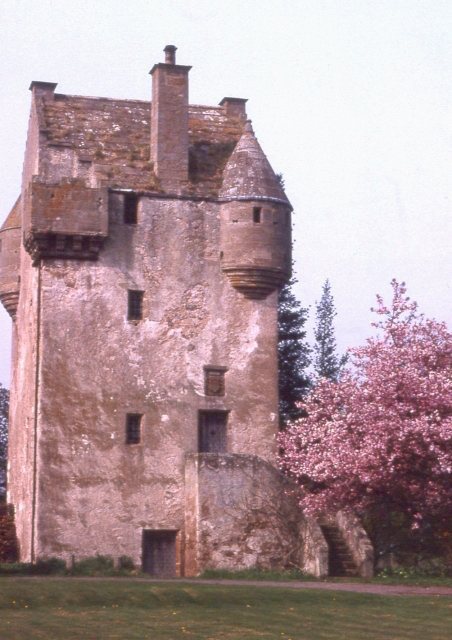
Coxton Tower is a fortified tower house in Moray, Scotland, rebuilt around 1590 after an earlier structure was destroyed by fire. Its stone…
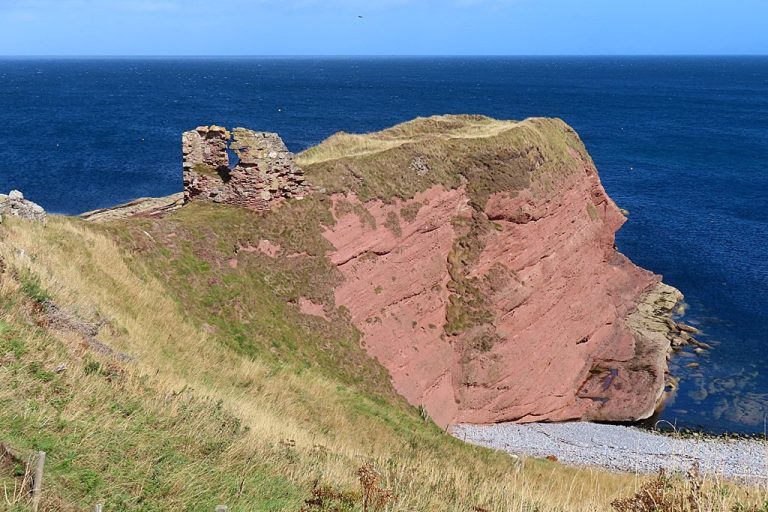
Dundarg Castle is a ruined medieval fortress in Aberdeenshire, built within an earlier Iron Age promontory fort and shaped by Comyn rule, destruction…

Gannocks Castle in Tempsford, Bedfordshire, is a late twelfth- or early thirteenth-century fortified manor house whose surviving earthworks include a…
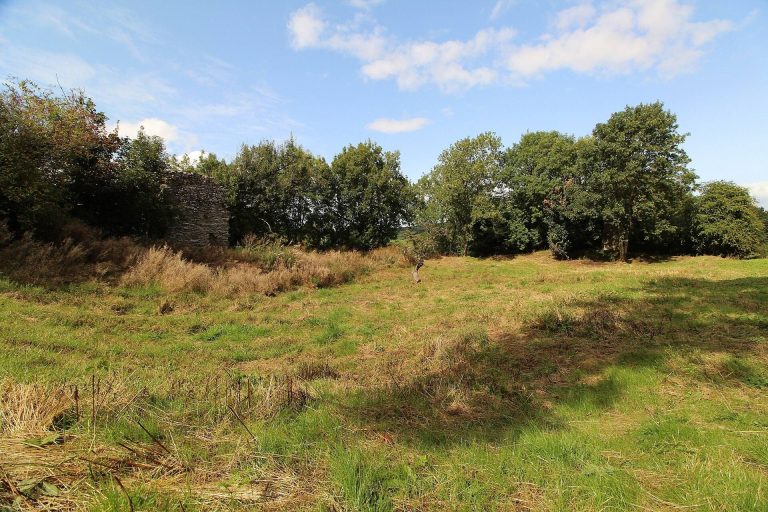
Huntington Castle was a medieval fortress near the England–Wales border, built in the early thirteenth century as part of the defensive system of the…
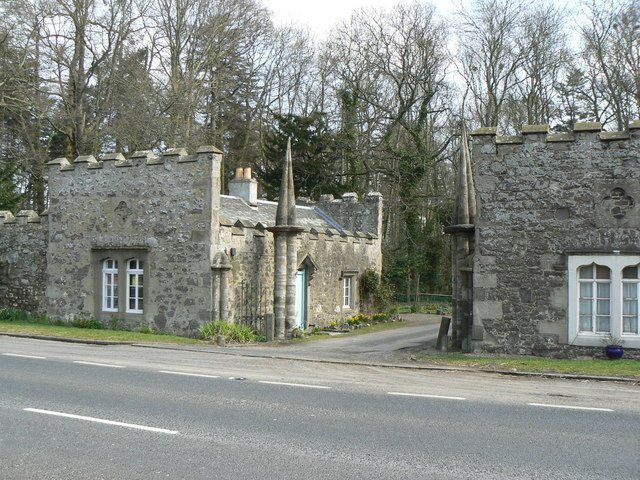
Megginch Castle is a restored Scottish castle whose complex combines a tower dating from around 1460 with later rebuilding, additions, and designed…
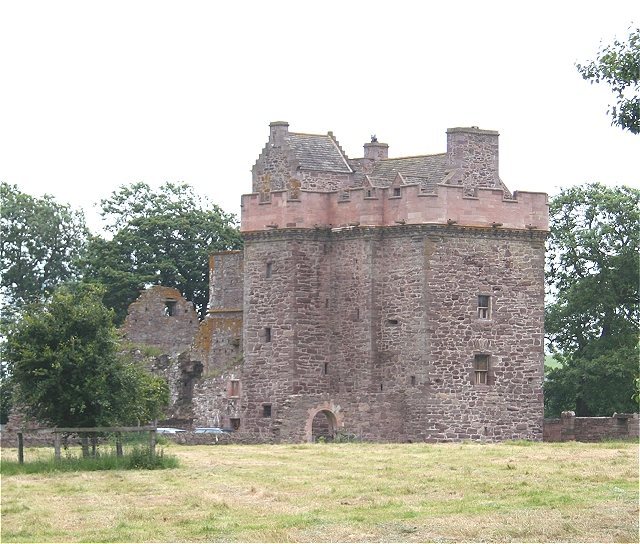
Melgund Castle is a sixteenth-century fortified residence in Angus, Scotland, associated with Cardinal David Beaton and later adapted as a private…
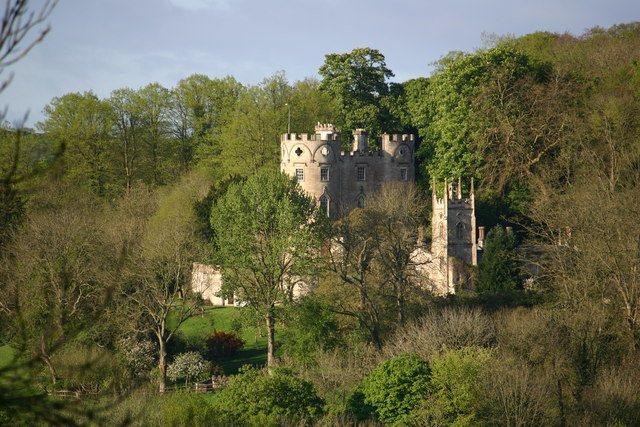
Midford Castle is an 18th-century Gothic folly near Bath, shaped around three semicircular towers in the form of a playing-card club and later…
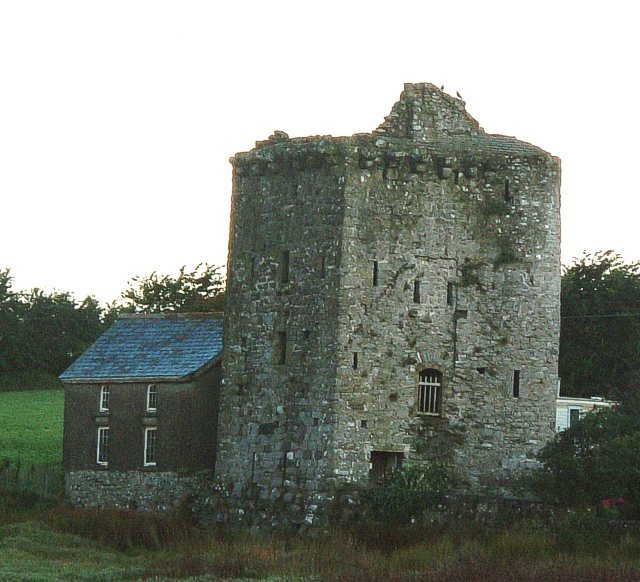
Pele Tower in Angle, Pembrokeshire, is a fourteenth-century fortified domestic tower associated with a moated medieval mansion and the rectorial…
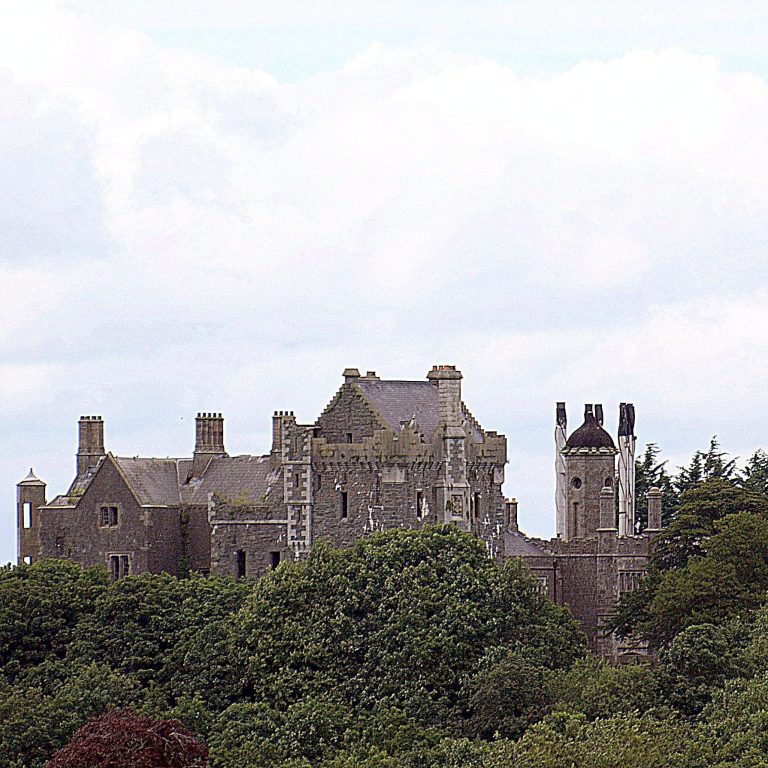
Tandragee Castle developed from an O’Hanlon stronghold, was destroyed during the Irish Rebellion of 1641, and was reconstructed in 1837 as an Irish…
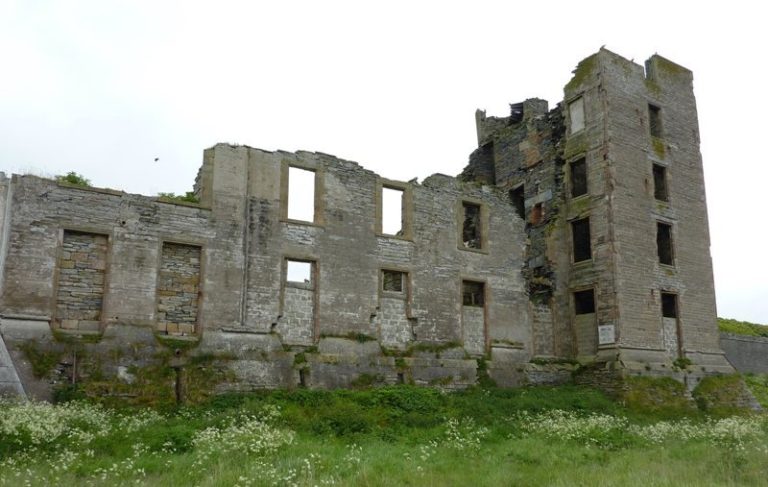
Thurso Castle in northern Scotland occupies a site associated with fortifications since at least the twelfth century. Its surviving remains belong…
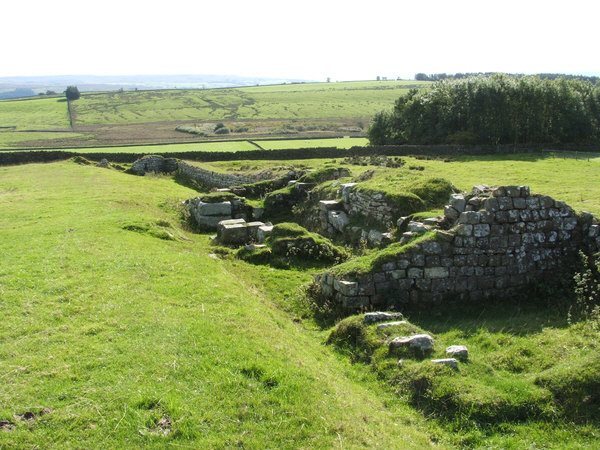
Aesica, also known as Great Chesters, was a Roman fort built around AD 128–129 to guard the Caw Gap on Hadrian’s Wall. Its surviving defenses,…
For details on how to use the maps, which sites are included, how popularity and ratings are determined, and how sites are classified, see the help page.
On this page5 sections
Medieval keeps and defended castle wards
Dover Castle has a great rectangular keep within successive fortified enclosures. Built under Henry II, the keep formed a substantial royal building at the centre of the defences. Gates, towers and later earthworks strengthened the wider hilltop. Following the siege of 1216, the vulnerable northern approach acquired additional underground defences, including a tunnel for counterattacks. Later artillery works extended the castle’s military use beyond its medieval layout.
Conwy Castle follows a rocky ridge beside the river, with eight large towers around a long enclosure. A cross-wall separates the outer ward from the more private royal accommodation. The inner ward contained rooms for the king’s household, service spaces and a private kitchen, with an eastern gate allowing supplies to arrive by sea. Rather than depending on one central keep, the castle could isolate and defend its compact royal residence within the larger enclosure.
Edinburgh Castle: rock-top defences and military buildings
At Edinburgh Castle, steep cliffs protect three sides of the volcanic rock, concentrating the main approach on the east. A succession of gates controls the route upwards, while the curving road was developed to allow cannon to be moved into position. Batteries occupy different levels and sides of the rock.
The castle also contains later barracks, a governor’s residence and former military stores. Some prominent upper structures are relatively recent: the nineteenth-century Argyle Tower rises above the older Portcullis Gate. These additions distinguish the working military complex from a castle preserved only in its medieval form, while the underlying rock continued to determine its layout.
Palace extensions and Victorian castle interiors
Hampton Court Palace preserves Tudor courts and gatehouses beside Baroque ranges built for William III and Mary II. The Tudor arrangement included guest lodgings, royal apartments and extensive kitchens. Henry VIII’s Great Hall provided a large state dining space, while the service rooms occupied courts of their own. The later palace introduced different façades and apartment arrangements while retaining much of the earlier complex.
Cardiff Castle has a medieval shell keep on a raised mound, but its principal residential interiors owe much to nineteenth-century rebuilding by William Burges for the Marquess of Bute. The Arab Room, conceived as a sitting room, has an intricate honeycomb ceiling and richly worked decorative surfaces. These interiors are deliberate Victorian creations within a site containing Roman and medieval remains. The distinction matters when comparing Cardiff’s furnished rooms with surviving medieval accommodation elsewhere.
Tilbury Fort: earthworks and gun positions
Tilbury Fort uses angular bastions, brick-faced earthworks and water-filled moats to protect a broad parade ground. Its defences faced both the Thames and possible attacks from inland. Riverside batteries provided positions against hostile ships, while the bastions and outer works covered approaches across the surrounding ground.
The entrance passes through successive defended works, with an island outwork shielding the inner gateway from direct fire. Moat water could be controlled through a sluice, and a quay allowed supplies to arrive by river. The surviving plan explains a garrison installation organised around artillery, water management and supply rather than a fortified household.
Explore the collection
Explore sites on the map or in the grid. Map icons reflect each site’s primary function, helping you identify different kinds of places at a glance. Narrow this collection by primary function, by a site type within the castle and residence group, or by civilization and era. Additional filters cover popularity and rating. Select a map marker to view the site’s details and open its article, or open the article from its grid entry.