Castles in Hungary: Explore Brick Fortresses, Renaissance Towers and Baroque Palaces
Castles in Hungary include substantial brick strongholds, residences enclosed by towers and bastions, and palaces with large ceremonial rooms and garden courts. Several combine medieval domestic spaces with later defences for firearms. Others were planned mainly around the accommodation and public life of an aristocratic household.
The wider castle and residence group brings these different buildings together on the map. The examples below focus on their standing rooms, entrances and courtyards, including a lowland brick castle, a decorated residential tower and two palaces with quite different approaches to formal space.
Primary Function: All
Type: All
Civilization: All
Popularity: All
Rating: All
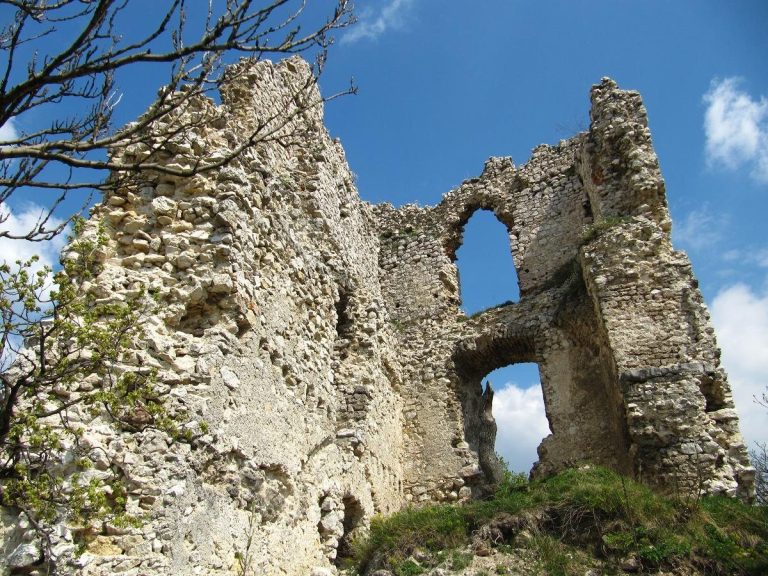
Vitány Castle is a ruined medieval fortress near Vértessomló in the Vértes Mountains. Built in the second half of the thirteenth century, it passed…
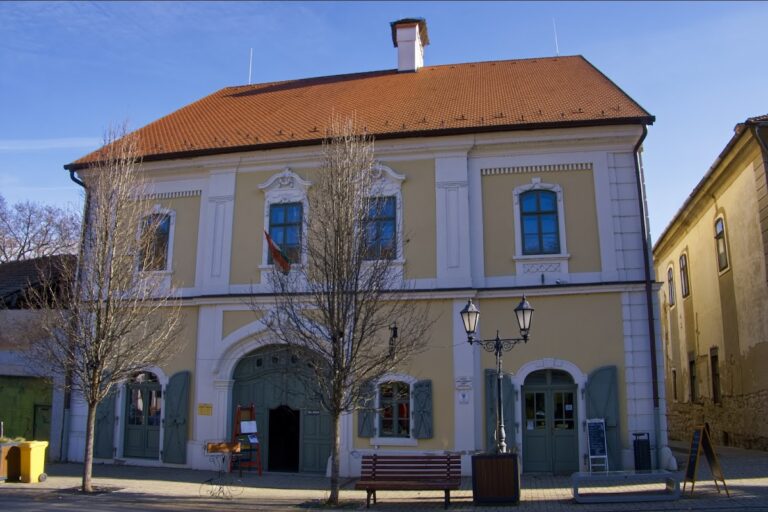
Tokaj Castle guarded an important river crossing and developed into a major Hungarian and Habsburg fortress before its demolition in 1704–1705.…
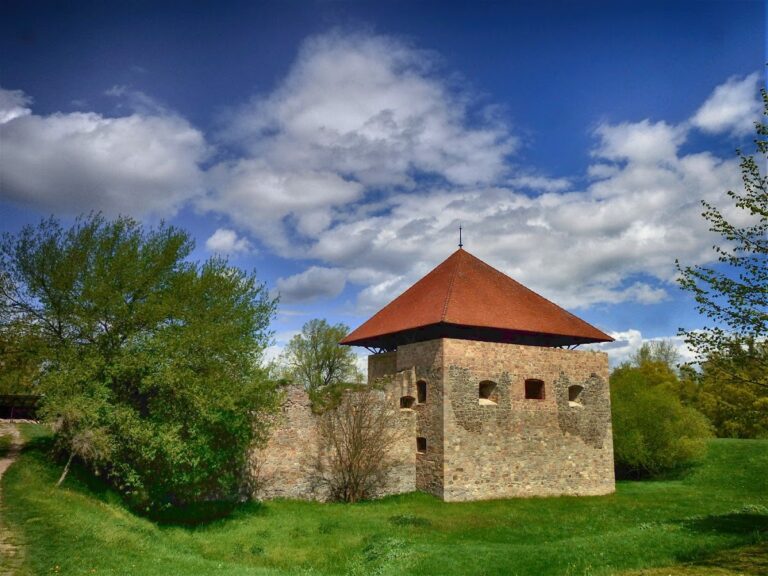
The Castle of Ónod developed from a fourteenth-century estate centre into an artillery fortress guarding the Sajó valley and a crossing of the river.…
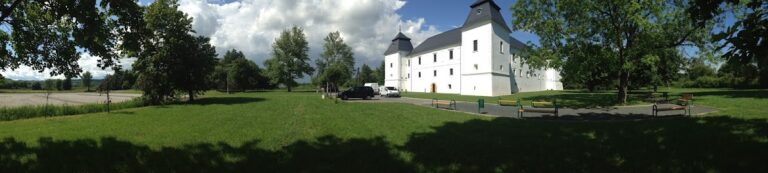
Castle of Egervár developed from a medieval wooden fortification into a stone frontier stronghold and Renaissance castle-palace, with later…
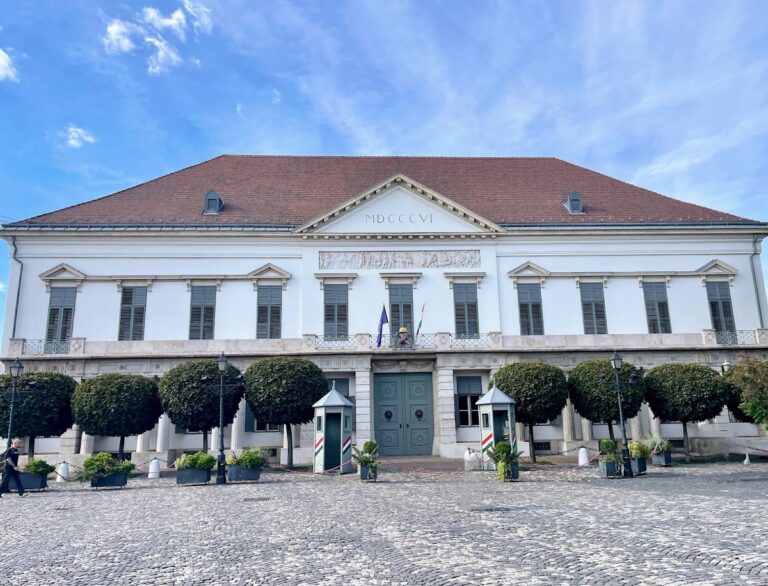
Sándor Palace in Budapest is a Neoclassical building completed in 1806 that later became the official residence and workplace of Hungary’s president.…
Built in 1804, Degenfeld Mansion became a centre of aristocratic and cultural life before passing through wartime, institutional, and private uses.…
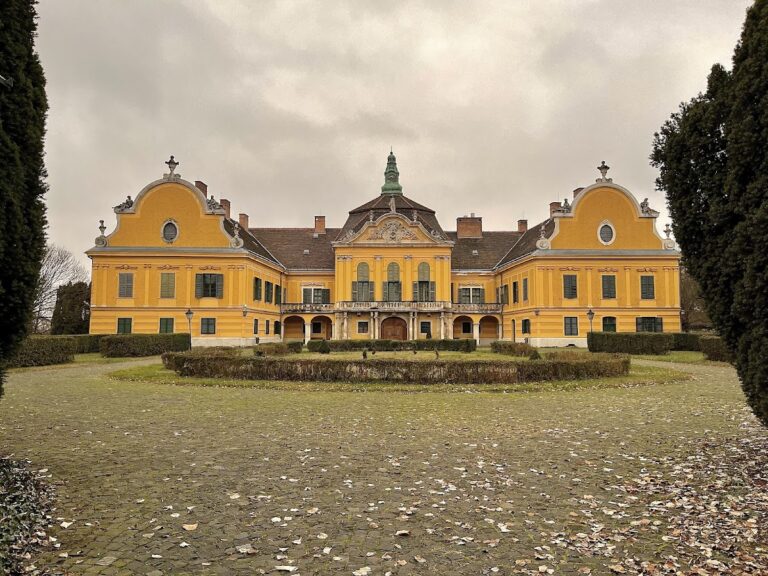
Nagytétény Castle in Budapest developed from Roman and Gothic remains into an eighteenth-century aristocratic Baroque residence and now houses a…
Károlyi mansion in Nagymágocs was built in 1896–1897 for Countess Zsófia Károlyi and Imre Károlyi at the center of a major Great Plain estate. Its…

Várgesztes Castle in Hungary developed from a late thirteenth-century noble fortification into a royal hunting residence and later an Ottoman-era…
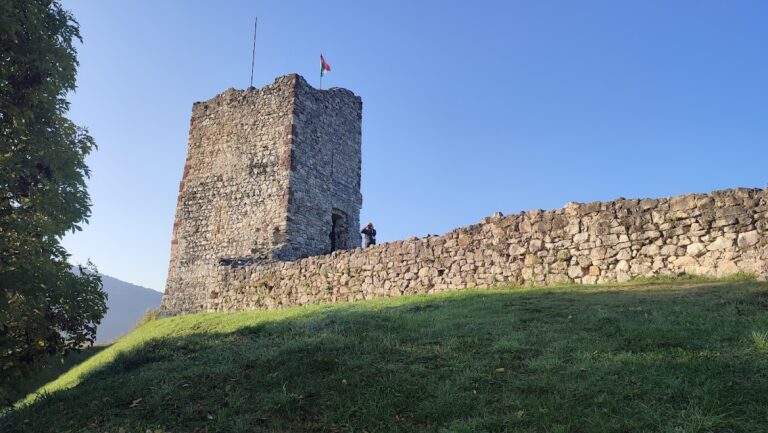
Esseg Castle in Bánd developed from thirteenth-century fortifications into a noble residence before its probable destruction in 1552. Its surviving…
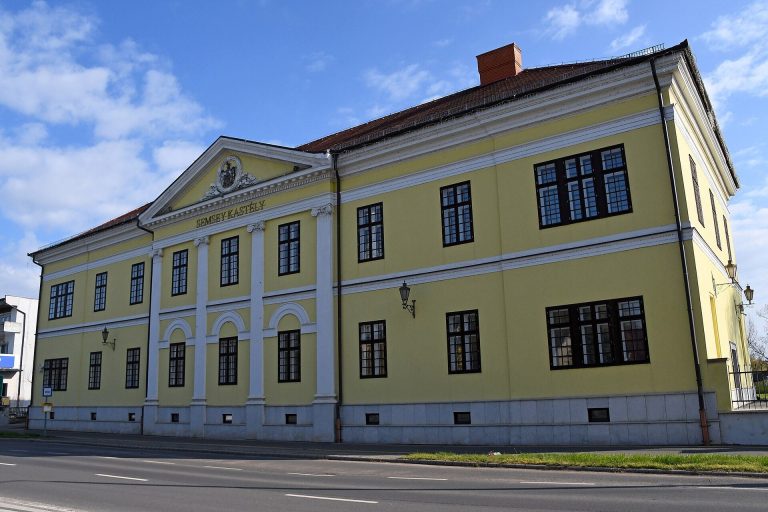
Semsey Castle in Balmazújváros developed from an Andrássy manor site into the Semsey family residence. Its present late-Classical form dates from a…

Benevár is a medieval fortified site near Mátrafüred in Hungary, rebuilt by the Aba kindred after the Mongol invasion and later held by several…
For details on how to use the maps, which sites are included, how popularity and ratings are determined, and how sites are classified, see the help page.
On this page5 sections
Gyula Castle: Gothic brick walls and courtyard galleries
Gyula Castle stands on slightly raised ground within the former floodplain of the Fehér-Körös. Marshy watercourses once made the approach difficult. The builders used locally fired brick where suitable building stone was unavailable, creating the substantial Gothic walls and tower that define the inner castle.
Residential requirements gradually filled out the courtyard. A gallery linked rooms at first-floor level, while a later circular artillery work and new firing openings adapted the stronghold for guns. Its thick brick enclosure therefore contains evidence of both a lordly household and the later military use of the site. The surrounding palisade and earthworks did not survive as completely as the main masonry castle.
Siklós Castle: Gothic chapel and Renaissance defences
Siklós Castle combines a residential core with high walls, towers and bastions. Successive owners enlarged the wings around the courtyard, while a further defensive ring protected the growing palace. A Renaissance barbican strengthened the entrance and changed the approach to the residence.
The Gothic chapel is one of its principal surviving interiors. Its tall single-nave space includes finely worked windows and niches with traces of fifteenth-century paintings. Elsewhere, Renaissance stone carving and a fireplace bearing the Perényi arms record later work on the domestic rooms. The chapel and decorated residential details give Siklós a different emphasis from Gyula’s more uniform brick exterior.
Sárospatak: Red Tower and Renaissance loggia
The Red Tower at Sárospatak Castle combines several functions vertically. Lower levels included rooms for administration and storage, while a large hall occupied an upper floor. Narrow defensive passages ran behind the facades, and a later top level provided artillery positions.
Renaissance decoration survives around the entrance and windows. The gate vault has carved coffers, and heraldic frames and painted fragments remain in the principal hall. This is a fortified tower with substantial formal accommodation, rather than an empty defensive shell.
The adjoining palace court contains the Lorántffy Loggia, a columned staircase and gallery linking a residential wing with the tower. Later arcaded corridors also contribute to the courtyard’s appearance. Together, the tower and palace ranges show how protected accommodation expanded beyond a single strong building.
Baroque courts and reception halls
Gödöllő Palace has a horseshoe-shaped arrangement whose main facade faces the town while the court opens toward the garden. A central staircase and ballroom occupy the principal block. Further wings extend the complex with a chapel, stables, riding facilities and a court theatre.
Royal apartments were arranged in separate northern and southern wings, with service and guest accommodation distributed elsewhere. Much of the movable historic furniture was lost, so the palace’s rooms and building arrangement provide a firmer architectural reference than an assumption that all furnishings remain in their original positions.
At Eszterházy Palace in Fertőd, curved connections and semicircular service ranges frame a large ceremonial courtyard. An external double staircase leads toward the principal reception rooms. The vaulted Sala Terrena opens directly to the park below the upper halls.
The Banqueting Hall has mirrors, gilded ornament and a painted ceiling, while the Music Room combines pale artificial marble, stucco and large stoves. These decorated rooms give the residence a different character from Gödöllő’s sequence of courts and royal apartments, while both illustrate the substantial palace architecture included on this page.
Explore the collection
Explore sites on the map or in the grid. Map icons reflect each site’s primary function, helping you identify different kinds of places at a glance. Narrow this collection by primary function, by a site type within the castle and residence group, or by civilization and era. Additional filters cover popularity and rating. Select a map marker to view the site’s details and open its article, or open the article from its grid entry.