Castles in Bulgaria: Explore Rock Fortresses, Walled Monasteries and Royal Palaces
Castles in Bulgaria include fortresses enclosed by concentric walls, strongholds fitted between large rock formations and fortified compounds where a church is the most substantial surviving building. The wider collection also includes walled monasteries and royal residences, extending the page beyond medieval military architecture.
The examples below emphasize standing walls, towers and interiors. They show useful differences in defensive layout as well as the range of buildings inside these collections, from the artillery positions of Belogradchik to Rozhen’s courtyard galleries and the residential rooms of Vrana.
Primary Function: All
Type: All
Civilization: All
Popularity: All
Rating: All
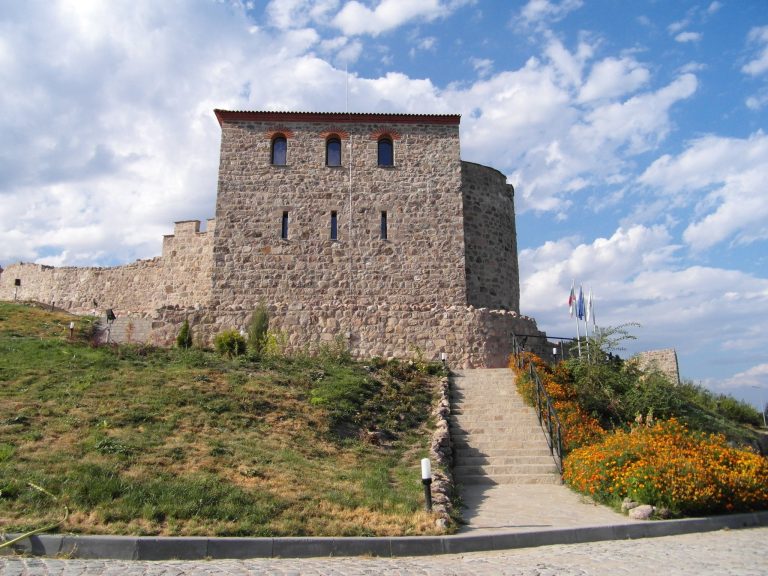
Peristera Fortress on Saint Petka Hill near Peshtera preserves four phases of occupation, from a Roman military fort to a medieval stronghold, with…
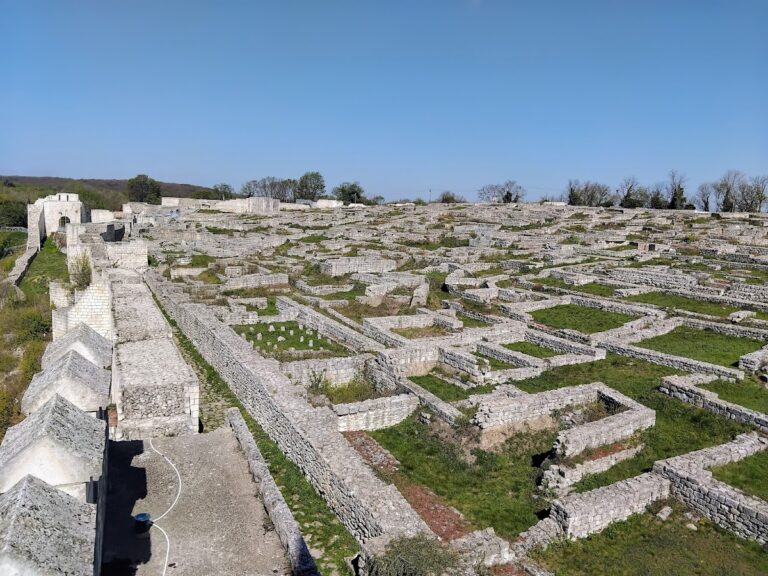
Shumen Fortress in northeastern Bulgaria developed from a Thracian settlement into a Roman, Byzantine, and medieval Bulgarian stronghold before its…
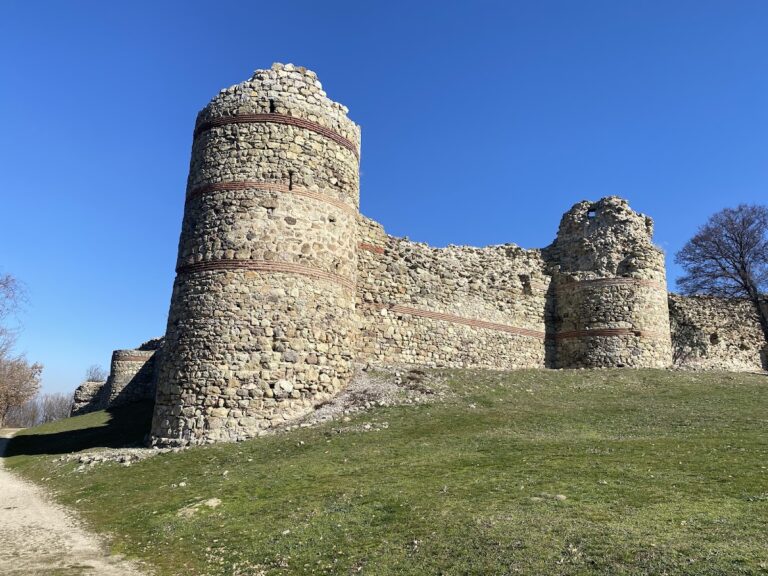
Mezek Fortress is a medieval stronghold in southeastern Bulgaria that guarded a Byzantine frontier, later passed under Bulgarian and Ottoman control,…
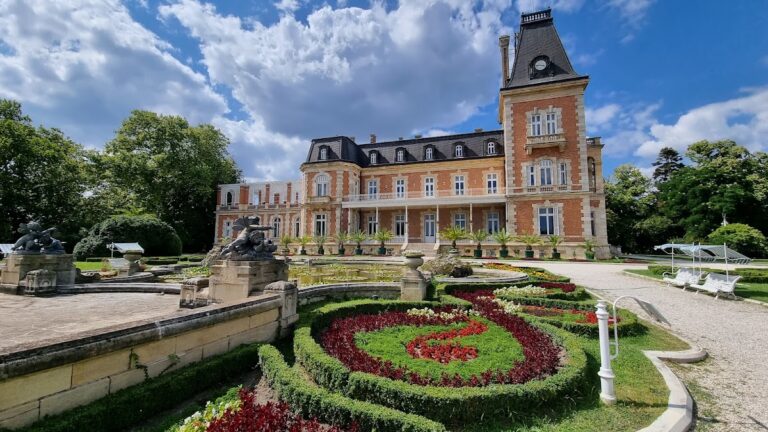
Euxinograd is a late-nineteenth-century palace and park complex on Bulgaria’s Black Sea coast, shaped by Bulgarian royalty and later used as a…
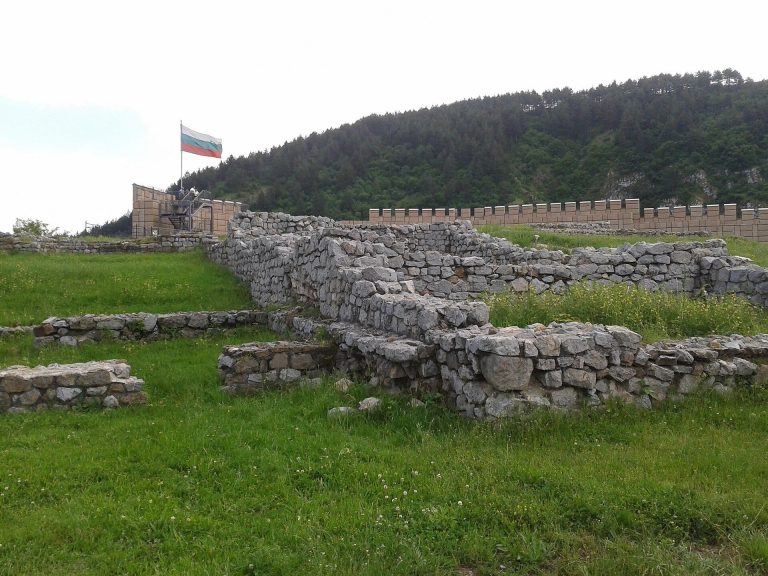
Krakra is a medieval fortress in Pernik associated with the Bulgarian commander Krakra of Pernik and the conflicts between Bulgaria and the Byzantine…
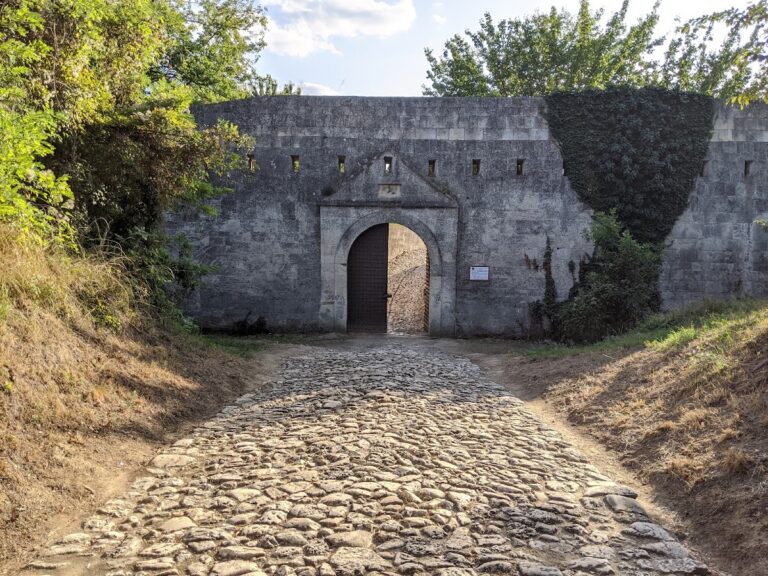
Medzhidi Tabiya is a well-preserved Ottoman fort south of Silistra, built between 1841 and 1853 as part of the city’s defensive system on the lower…
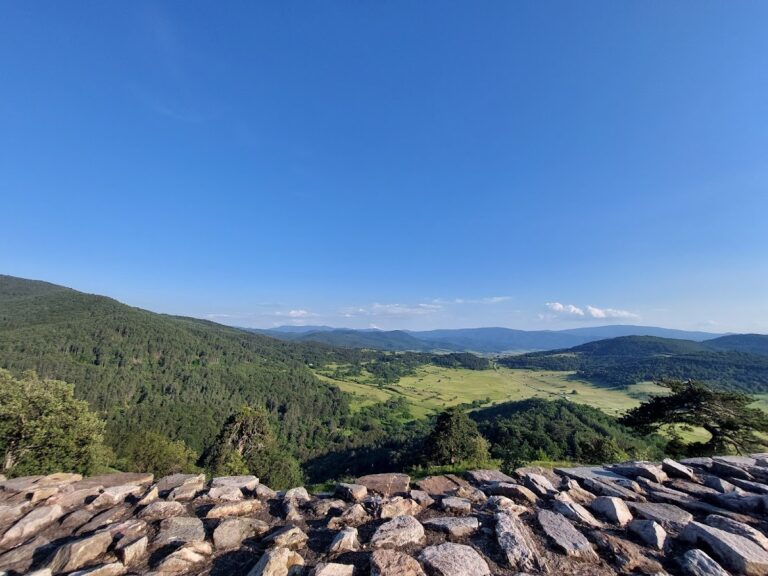
Tsepina was a medieval Bulgarian fortress in the western Rhodopes, serving as a political, administrative, defensive, spiritual, and cultural center…
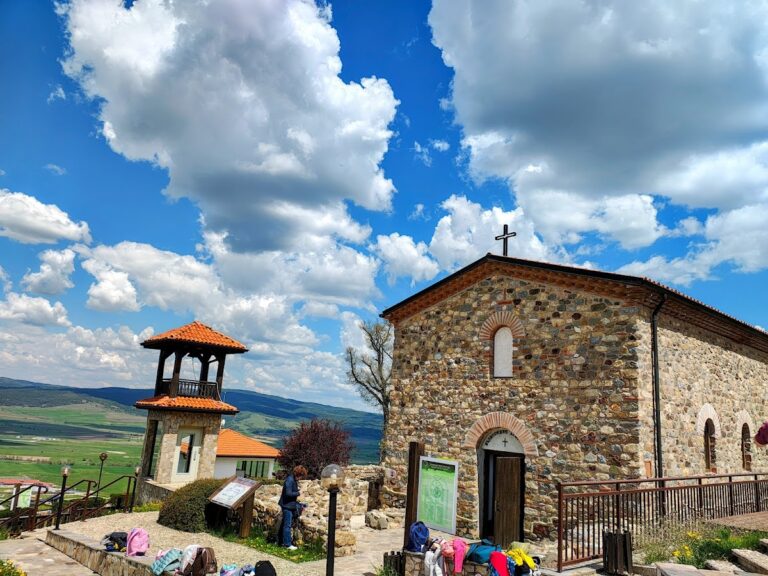
Tsari Mali Grad is a Roman fortress and fortified settlement near Belchin, Bulgaria, with Bronze Age and Thracian associations, late-antique…
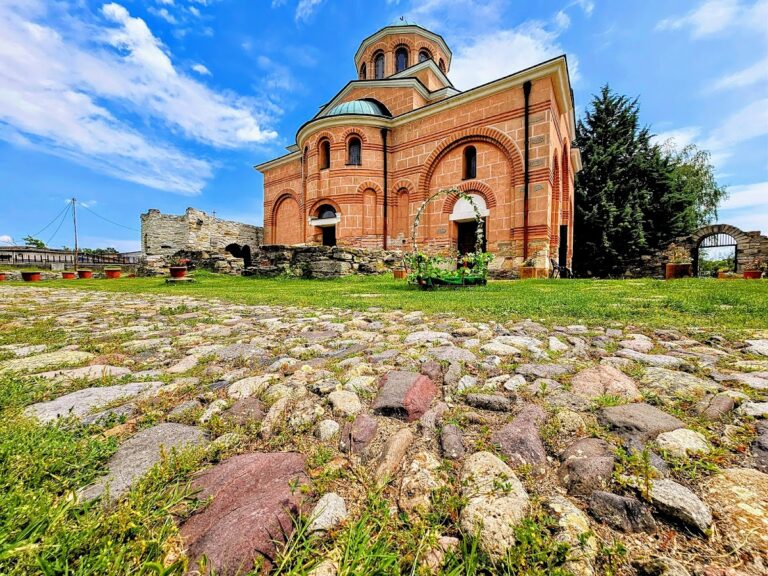
St. John the Precursor Monastery in Kardzhali developed from an early Christian site into a fortified medieval religious center associated with the…
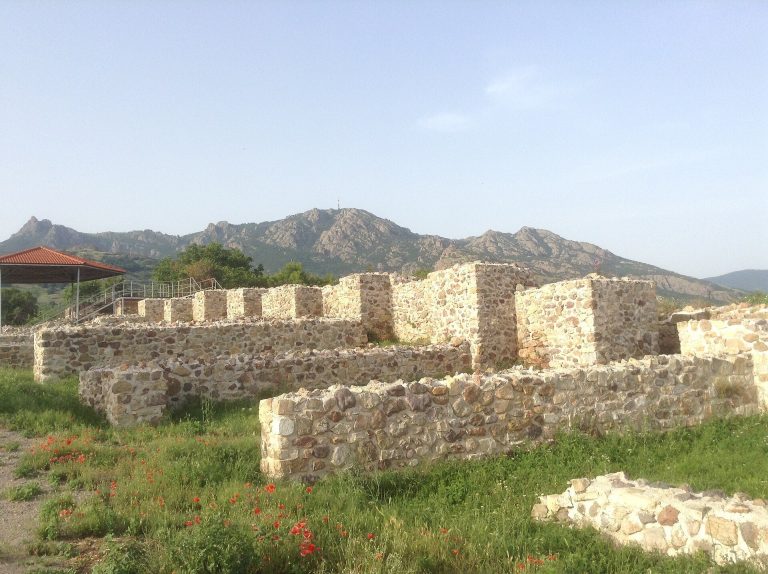
Tuida, also known as Suida or Tsoida, was a fortified settlement on Hisarlaka Hill near Sliven. Its history spans Late Iron Age habitation, Roman and…
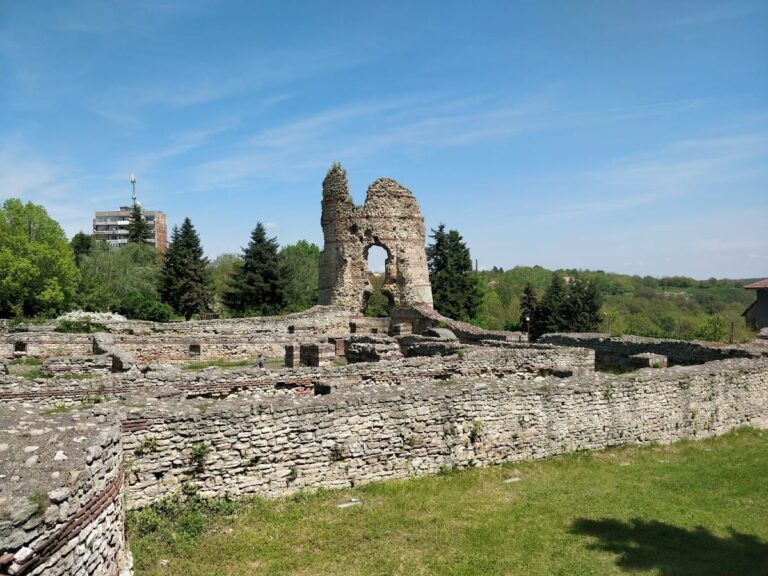
Castra Martis was a Roman frontier fortress at modern Kula in northwestern Bulgaria that later developed into a town and bishopric. Its ruins…
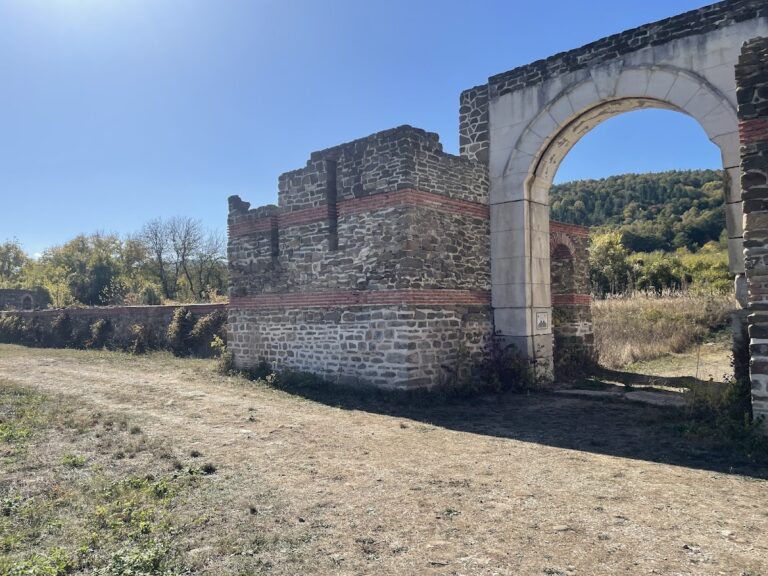
Sostra was a Roman military and civilian settlement on the Via Traiana, developing from a road station into a fortified center before its destruction…
For details on how to use the maps, which sites are included, how popularity and ratings are determined, and how sites are classified, see the help page.
On this page6 sections
Belogradchik: rock formations and fortress walls
Belogradchik Fortress incorporates towering natural rock formations into its fortified boundary. Masonry walls close the exposed sides, while three enclosed courtyards connect through gates. The changing levels and rock masses determine the shape of the complex.
Medieval expansion was followed by substantial Ottoman rebuilding. Gun platforms and fighting walks supplemented the walls, while underground cellars stored ammunition and food. The enclosed areas also accommodated guardrooms, workshops and facilities for processing and storing provisions. Wells and cisterns supplied water, including collected rain and snowmelt. These details explain how the fortress functioned as a garrison within its unusual rocky setting.
Baba Vida: concentric walls and defensive towers
At Baba Vida in Vidin, the defensive arrangement is more regular. Two concentric circuits of curtain walls and towers surround the interior, with a moat outside. A fortified gate tower protects the entrance, while several medieval towers retain their full height and battlements.
The fortress was also a ruler’s residence and later contained an Ottoman arms depot and prison. Its present overall form took shape around the turn of the seventeenth and eighteenth centuries, and military storage continued after its defensive role diminished. The nested walls provide successive protective boundaries without relying on the tall rock formations that shape Belogradchik.
Asen’s Fortress: the surviving medieval church
At Asen’s Fortress, the Church of the Holy Mother of God is the principal standing building. It occupies a high rocky ridge above the Asenitsa River, within a fortress whose walls and domestic structures survive less completely.
The medieval church has two storeys, a dome, a broad entrance section and a rectangular tower. Fourteenth-century mural paintings survive inside. Its height and enclosed architectural spaces give this site more substance than the castle’s lower remains alone would suggest. The example is included for that surviving building and its fortified setting, rather than as a complete standing castle complex.
Rozhen Monastery: courtyard galleries and painted church
Rozhen Monastery has an irregular enclosed plan, with two- and three-storey residential ranges and galleries surrounding the courtyard. The main church stands within this boundary, giving the complex a concentrated inward-facing arrangement.
Inside the church are mural paintings from several periods and a carved wooden icon screen. The entrance hall includes Last Judgment scenes, while a chapel screen combines plant and animal ornament with biblical subjects. The surrounding accommodation and galleries connect these decorated religious spaces with the rooms needed by the monastic community. Rozhen brings substantial residential and ecclesiastical buildings into the castle-group collection, beyond towers and military walls.
Vrana Palace: royal rooms, hunting lodge and park
Vrana Palace comprises a hunting lodge, a larger main residence and extensive landscaped grounds. The palace combines several architectural traditions, with carved wooden ceilings, oak panelling and marble columns among its interior features.
Its rooms were distributed by function, with reception and leisure spaces, royal apartments and accommodation for servants and the court. The park contains a lake and rock gardens, extending the residence into a designed landscape. Vrana represents the palace portion of the collection: its main interest lies in domestic planning, decoration and grounds rather than a defensive circuit.
Explore the collection
Explore sites on the map or in the grid. Map icons reflect each site’s primary function, helping you identify different kinds of places at a glance. Narrow this collection by primary function, by a site type within the castle and residence group, or by civilization and era. Additional filters cover popularity and rating. Select a map marker to view the site’s details and open its article, or open the article from its grid entry.