Castles in Bosnia and Herzegovina: Explore Rock Fortresses, Tower Residences and Walled Towns
Castles in Bosnia and Herzegovina often occupy abrupt changes in the landscape: isolated rocks, steep hills beside towns and ridges overlooking river valleys. Their walls follow these positions closely, with gates, towers and later gun platforms reinforcing the approaches that the terrain leaves exposed.
This collection includes forts and fortified towns as well as castles. The examples below range from Srebrenik’s compact stepped enclosure to the larger walled complex above Stolac, with Gradačac adding a substantial residence built around a tall lookout tower. Medieval structures and Ottoman additions frequently stand within the same perimeter.
Primary Function: All
Type: All
Civilization: All
Popularity: All
Rating: All
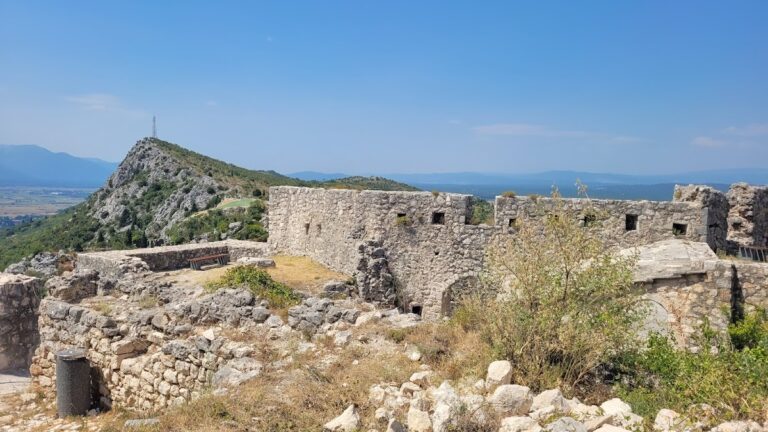
Ljubuški Fortress developed from a fifteenth-century medieval stronghold into a larger Ottoman frontier fortification. Its surviving towers, walls,…
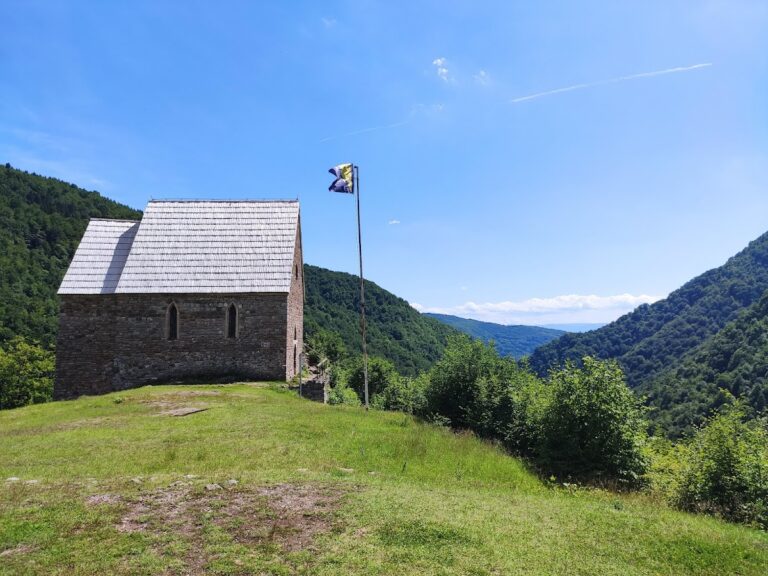
Bobovac was a fortified royal residence and administrative center of medieval Bosnia, later destroyed during the Ottoman conquest. Its ruins include…
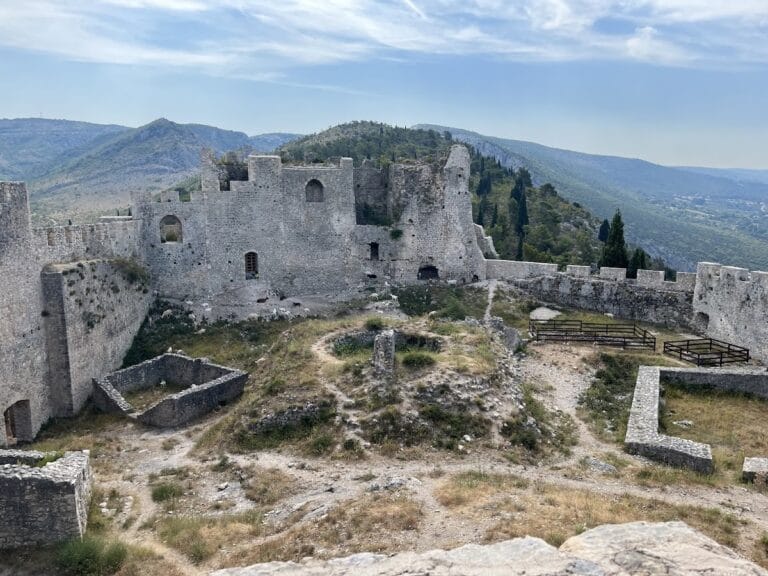
Blagaj Fortress, also known as Stjepan-grad, developed on a strategically placed karst hill above the Buna River. Its history extends from…
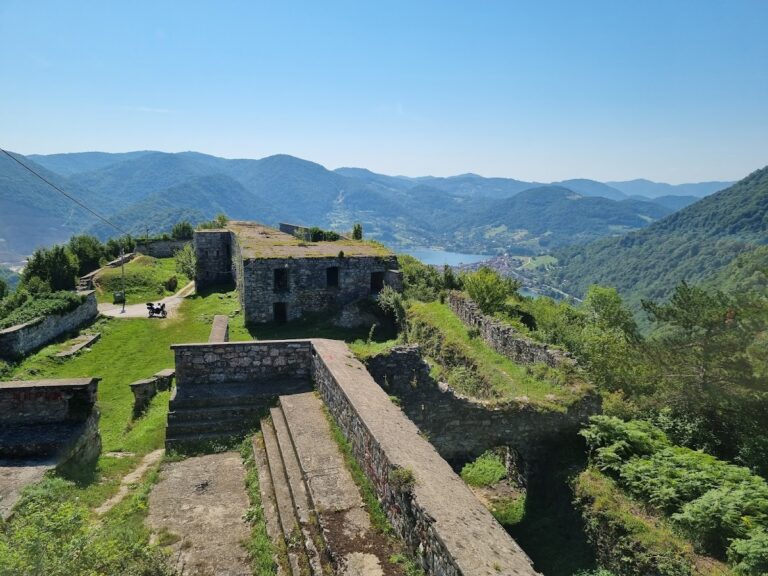
Zvornik Fortress is a medieval stronghold above Zvornik, with a history extending from the twelfth or thirteenth century through the conflicts of the…

Velika Kladuša Castle, also known as the Old Town of Velika Kladuša, developed from a medieval stronghold into an Ottoman frontier fortress and later…
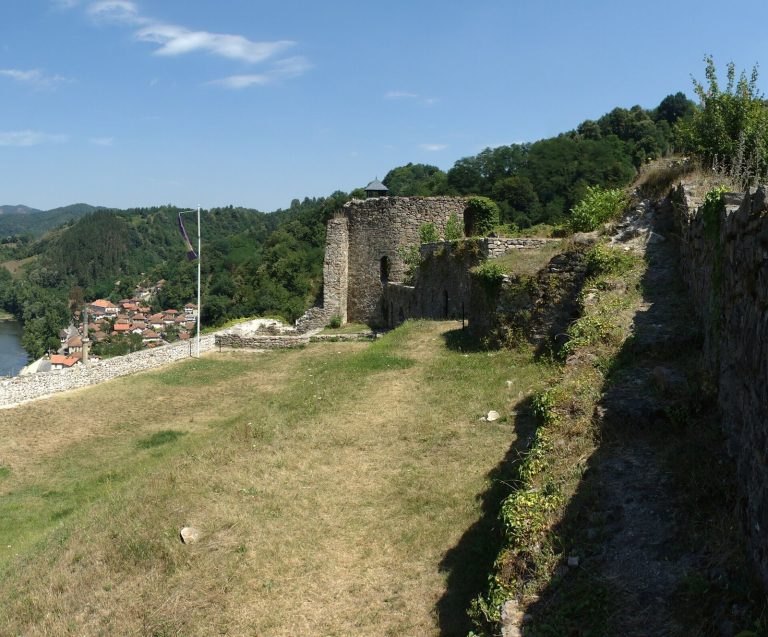
Maglaj Fortress developed from a medieval stronghold into an Ottoman-era defensive center above the Bosna River. Its surviving clock tower, medieval…
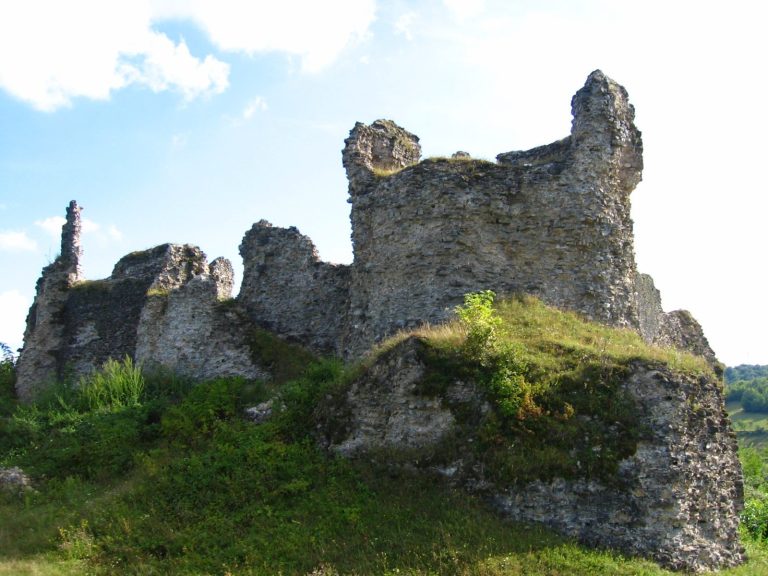
Bužim Castle is a medieval hilltop fortress whose history reflects noble control, Habsburg-Ottoman warfare, and the changing military role of the…
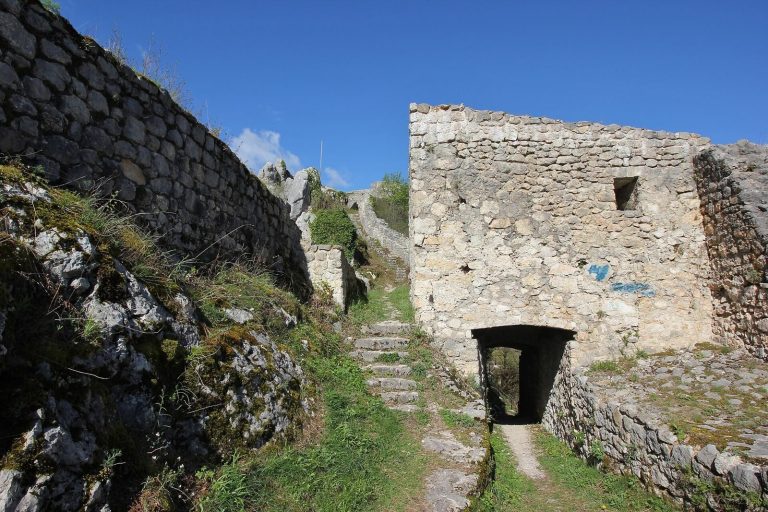
The Fortress of Ključ is a medieval stronghold above Ključ in Bosnia and Herzegovina. Its position above the Sana valley made it an important…
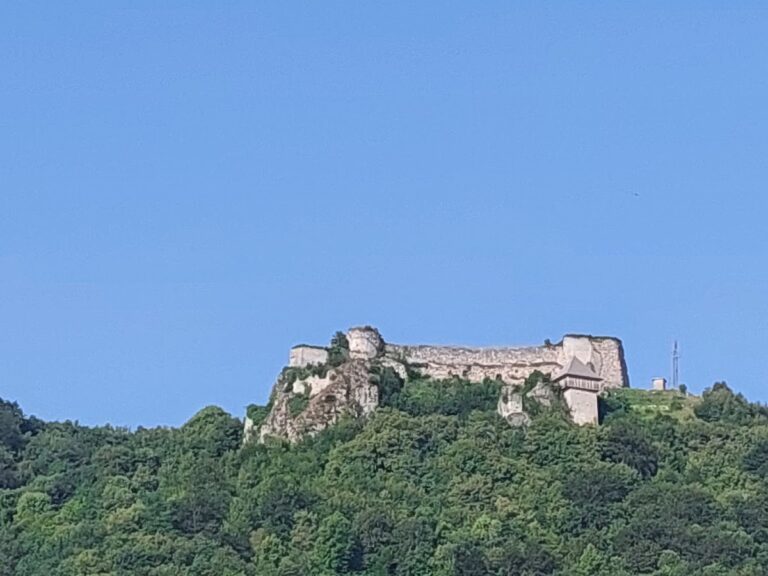
Ostrovica Fortress is a hilltop stronghold whose history spans the medieval Croatian Kingdom, Venetian interests, Ottoman military administration,…
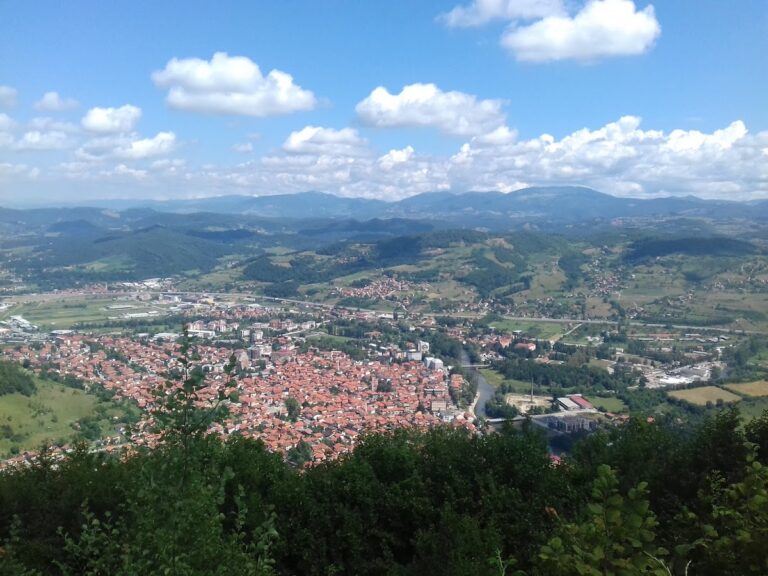
Old town of Visoki was a fourteenth-century medieval royal castle town above Visoko, used for defense and for issuing documents by Bosnia’s rulers…
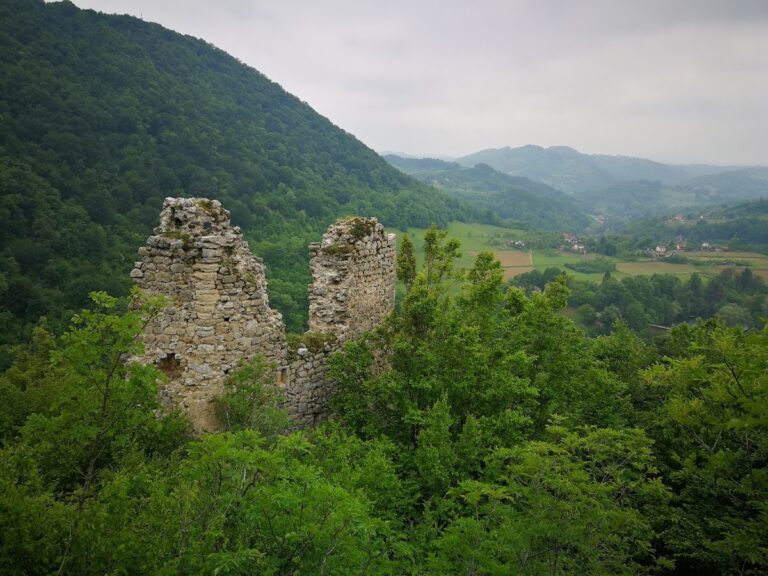
Zvečaj was a strategically placed medieval fortress controlling the Vrbas canyon route between Banja Luka and Jajce. Occupied and recaptured…
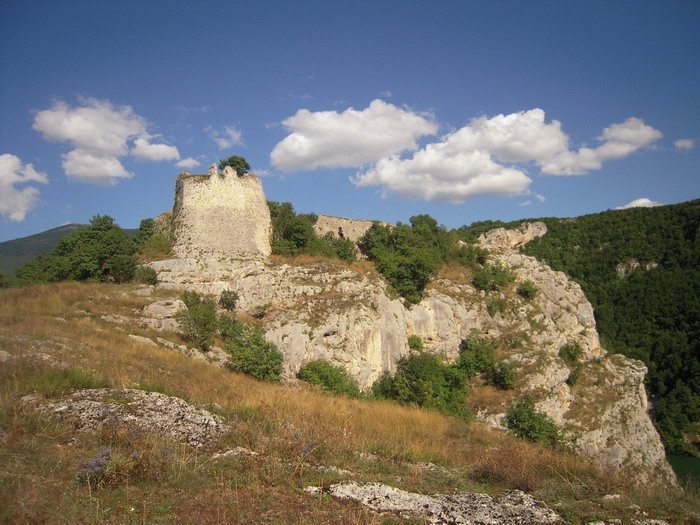
Bočac Fortress is a medieval stronghold on the Vrbas River that formed part of the defensive system of the Vrbas valley, later serving as an Ottoman…
For details on how to use the maps, which sites are included, how popularity and ratings are determined, and how sites are classified, see the help page.
On this page5 sections
Srebrenik: bridge, gate towers and upper citadel
Srebrenik Fortress occupies an isolated rock above the Tinje valley. A deep trench strengthens the most accessible side, and a bridge leads to the single entrance. The narrow approach concentrates access at a gate tower before the route continues into successive enclosed areas.
The castle rises through three connected sections. Stone steps lead toward the upper citadel, where a small palace and a principal tower occupy the highest ground. A cistern and residential remains fit within the limited footprint. Substantial walls and towers make the stepped defensive arrangement legible, even though the buildings now survive as restored ruins. The rock leaves little room for a broad courtyard or an evenly shaped perimeter.
Medieval fortresses and Ottoman artillery defences
Tešanj Castle stands on another steep rocky hill, with access possible from one side. Its walls combine stone faces with a core of broken stone and lime mortar. Towers of different periods and an entrance ditch reflect successive work on the defences.
Ottoman alterations added more specialized structures. The rebuilt Krnja Tower contained a large cistern below a space with openings for small cannon. Elsewhere, a rounded artillery work contains a tunnel with protected vaulted chambers on either side. These features add water storage and covered gun positions to the older hill fortress, rather than simply increasing the height of its walls.
At Travnik Castle, hewn-stone walls and watchtowers preserve another substantial fortified complex within the town. The present enclosure includes Ottoman expansion of a medieval stronghold. Its wall circuit provides a further example of continued military use and enlargement, without requiring the same arrangement of gun chambers found at Tešanj.
Gradačac Castle: tower residence and lookout
Gradačac Castle combines fortified enclosures with a prominent tower and adjoining konak, a residential and administrative building. Gate towers secure the entrances, while the main building stands at the highest point above the surrounding town and plain.
The tower and lower residence form two connected masses. Ground-floor rooms have barrel vaults, and rooms on the upper floors are arranged around a staircase and entrance hall. At the top, a projecting timber-framed lookout extends beyond the tower walls. The combination of vaulted lower rooms, domestic accommodation and an elevated observation point gives Gradačac a more residential emphasis than the exposed wall circuits of the hill fortresses.
Vidoški: fortified districts above Stolac
The walled town of Vidoški is divided into Lower, Middle and Upper sections linked by a long system of limestone walls and towers. Gates and connecting walls organize movement through a much wider complex than Srebrenik’s compact rock-top castle.
Surviving structures and remains include cisterns, military buildings and storage spaces. Near the Lower Town entrance, a guardroom stood above the vaulted gateway, with water storage close by. Some towers remain substantial while others have partly collapsed, and damage varies across the enclosure. The extent of the standing defensive masonry makes this a useful example of a fortified town with several internal districts, rather than a single residence enclosed by one wall.
Explore the collection
Explore sites on the map or in the grid. Map icons reflect each site’s primary function, helping you identify different kinds of places at a glance. Narrow this collection by primary function, by a site type within the castle and residence group, or by civilization and era. Additional filters cover popularity and rating. Select a map marker to view the site’s details and open its article, or open the article from its grid entry.