Travnik Castle: A Medieval Fortress in Bosnia and Herzegovina


Site at a Glance
- Rating
- 4.7
- Popularity
- Medium
- Country
- Bosnia and Herzegovina
- Primary era
- Medieval
- Eras represented
- Medieval, Early Modern
- Civilizations
- Kingdom of Bosnia, Ottoman
- Site type
- Military
- Remains
- Castle
On this page5 sections
History
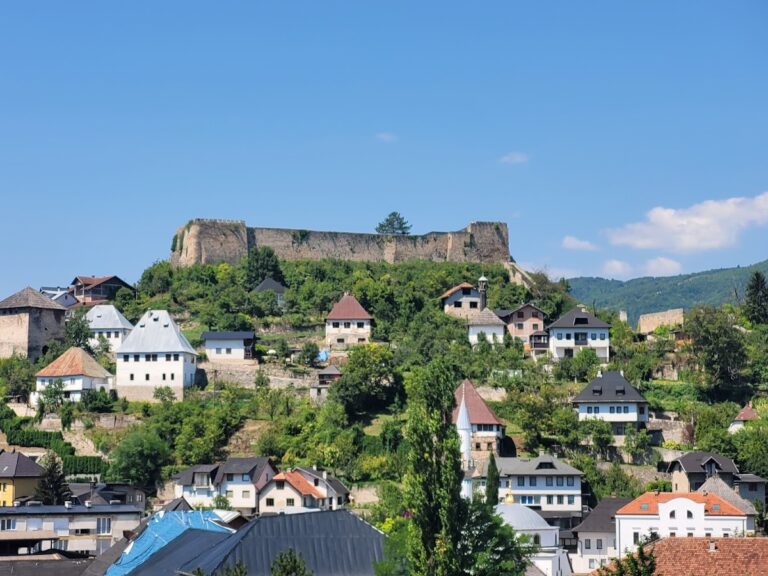
Travnik Castle is a medieval fortified-town complex in Travnik, Bosnia and Herzegovina, built by the medieval Bosnian Kingdom in the second half of the fourteenth century or the first half of the fifteenth century. Its exact construction date and builder are unknown, although the fortress may have been erected during the reign of King Tvrtko II or King Ostoja, with Batalo of Lašva also proposed as a possible builder.
Foundation and Bosnian Rule
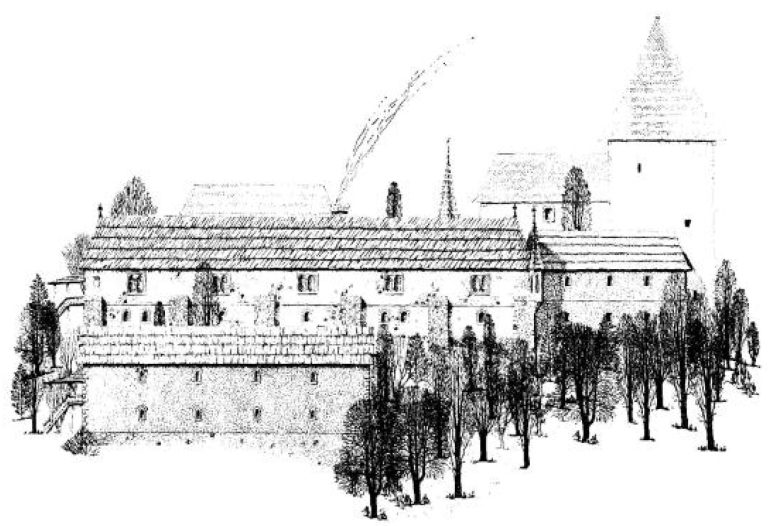
The fortress was built before the Ottoman conquest, when defenses were being prepared against Ottoman expansion into Bosnia. It was constructed too late to prevent Ottoman forces from penetrating the region. The complex was probably rebuilt and enlarged during the rule of Stephen Thomas, one of the medieval kings of Bosnia.
In 1463, Sultan Mehmed II besieged and captured Travnik during the Ottoman campaign against Bosnia. The Bosnian Kingdom fell under Ottoman rule in the same year, beginning a long period in which the fortress served a new imperial power.
Ottoman and Austro-Hungarian Periods
From 1463 to 1878, Travnik belonged to the Ottoman Empire and formed part of the Sanjak of Bosnia. A sanjak was an Ottoman administrative and military district. Recognizing the site’s strategic value, the Ottomans further developed and enlarged the fortress.
In 1878, Travnik and the rest of Bosnia came under Austro-Hungarian control. During the First World War, the fortress stood behind the front lines and did not see combat, although military activities took place within its walls. Travnik functioned as an Austro-Hungarian military garrison, while rail transport brought soldiers, officers, wounded personnel, weapons, ammunition, and other equipment to the town for distribution.
Preservation
The fortress remained in military use until 1918. It is now managed by the Regional Museum of Travnik, which maintains a small museum on the fortress’s history and an ethnographic section within the complex. The Old Travnik Fortress architectural ensemble was entered into the register of the National Monuments of Bosnia and Herzegovina on 25 January 2005 as a Category II cultural and historical property.
Remains
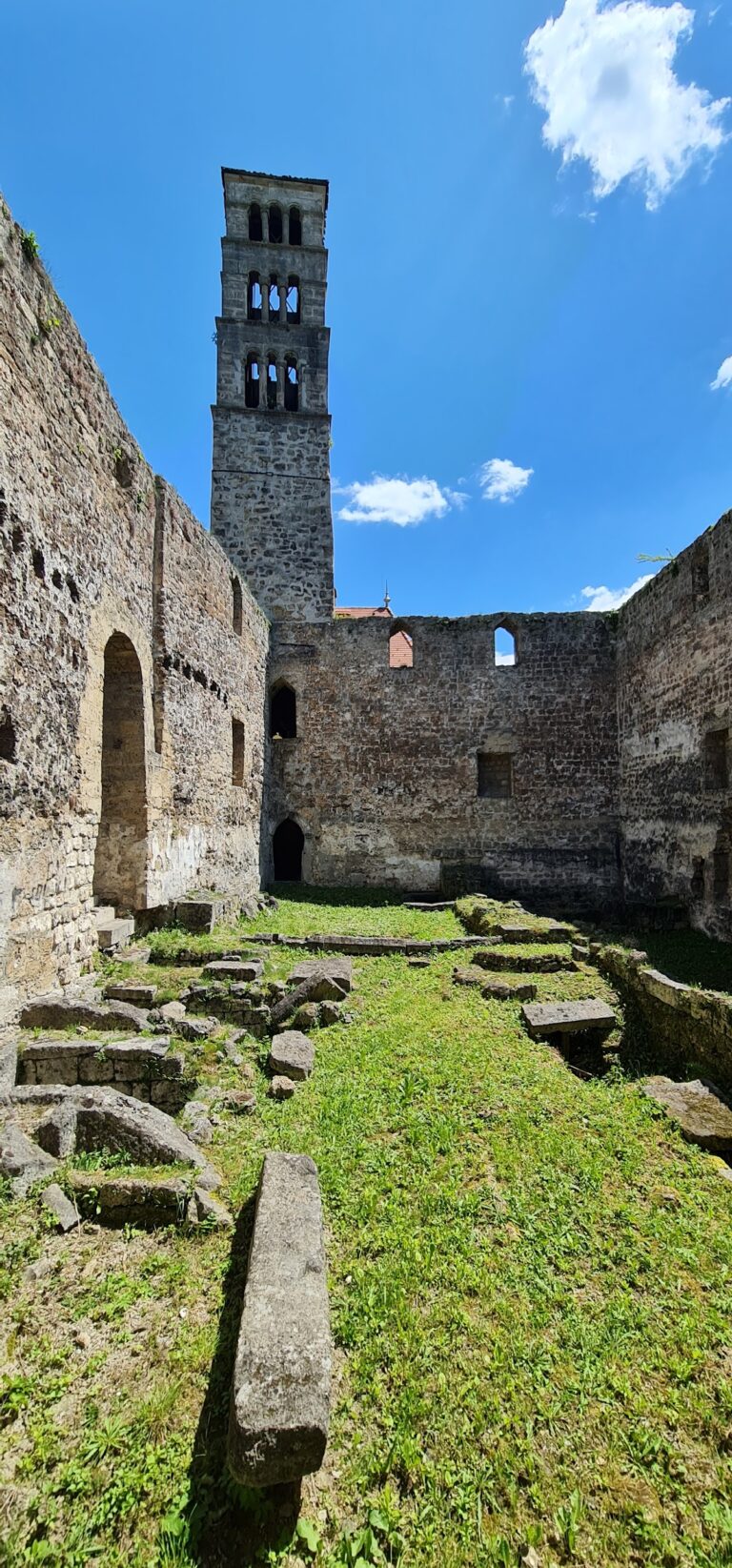
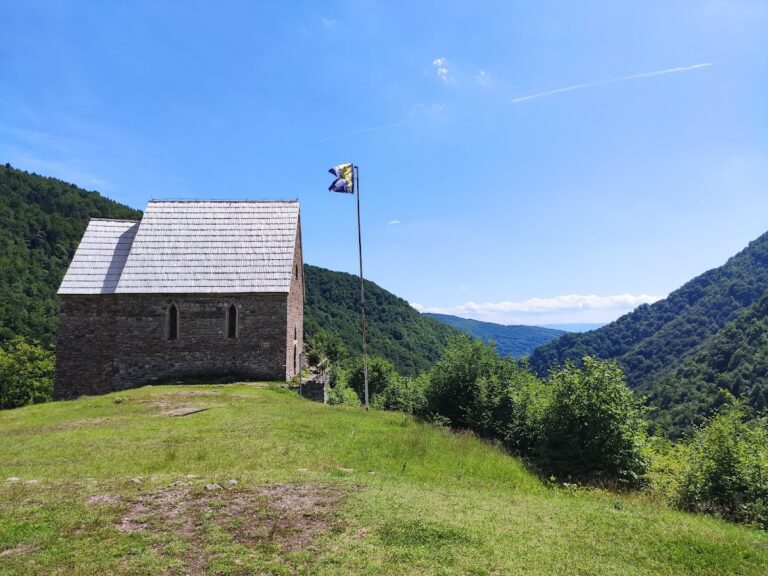
The castle occupies the Plava Voda neighborhood of Travnik and overlooks the northbound side of the E661. It is a fortified-town complex constructed from hewn stone, including ashlar masonry, in which regularly cut and dressed stone blocks form part of the surviving fabric. Its present walls reflect the development and enlargement undertaken during the Ottoman period.
Watchtowers form part of the defensive layout, contributing to the fortress’s military organization. The complex is preserved and is regarded as one of the best-preserved fortresses in Bosnia. Museum and ethnographic displays are maintained within the surviving fortress, giving the preserved site both historical and cultural functions.