Zvornik Fortress: A Medieval Castle in Bosnia and Herzegovina


Site at a Glance
- Rating
- 4.5
- Popularity
- Low
- Country
- Bosnia and Herzegovina
- Primary era
- Medieval
- External website
- Open
- Eras represented
- Medieval, Modern
- Civilizations
- Unclassified
- Site type
- Military
- Remains
- Castle
On this page6 sections
History
Zvornik Fortress is a medieval castle in Bosnia and Herzegovina, above the city of Zvornik. Probably built during the twelfth or thirteenth century, it is regarded as one of the largest medieval fortresses in the country. Its associated settlement was known as Đurđevgrad or Kula Grad, a name meaning “Tower City.”
Medieval origins
The settlement was first recorded in 1410, when it belonged to the Bosnian medieval feudal family Zlatonosović. That record connects the fortress town with the presence of Hungarian King Sigismund in the Zvornik area. The surviving historical evidence places the castle within the medieval development of the region.
War and political change
Part of the fortress was destroyed in 1878 during the Austro-Hungarian invasion of Bosnia and Herzegovina. During the Second World War, Ustasha troops, the fascist Croatian movement that ruled the Independent State of Croatia, occupied the fortress in April 1941 along with Zvornik and much of Bosnia. The First Proletarian Brigade, a Yugoslav Partisan military formation, liberated it in July 1943 during the Battle of Zvornik.
The fortress again became a military position during the early stages of the Bosnian War. From 8 April 1992, approximately 300 soldiers of the Army of the Republic of Bosnia and Herzegovina defended it against Serb soldiers of the Yugoslav People’s Army, the armed force of socialist Yugoslavia.
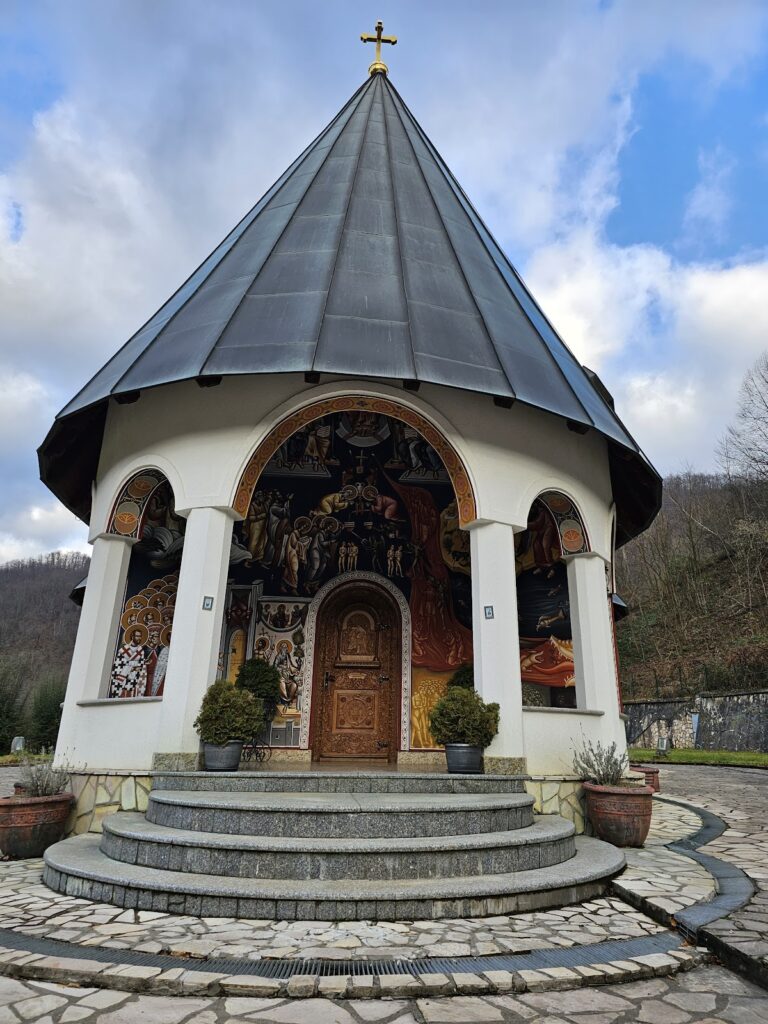
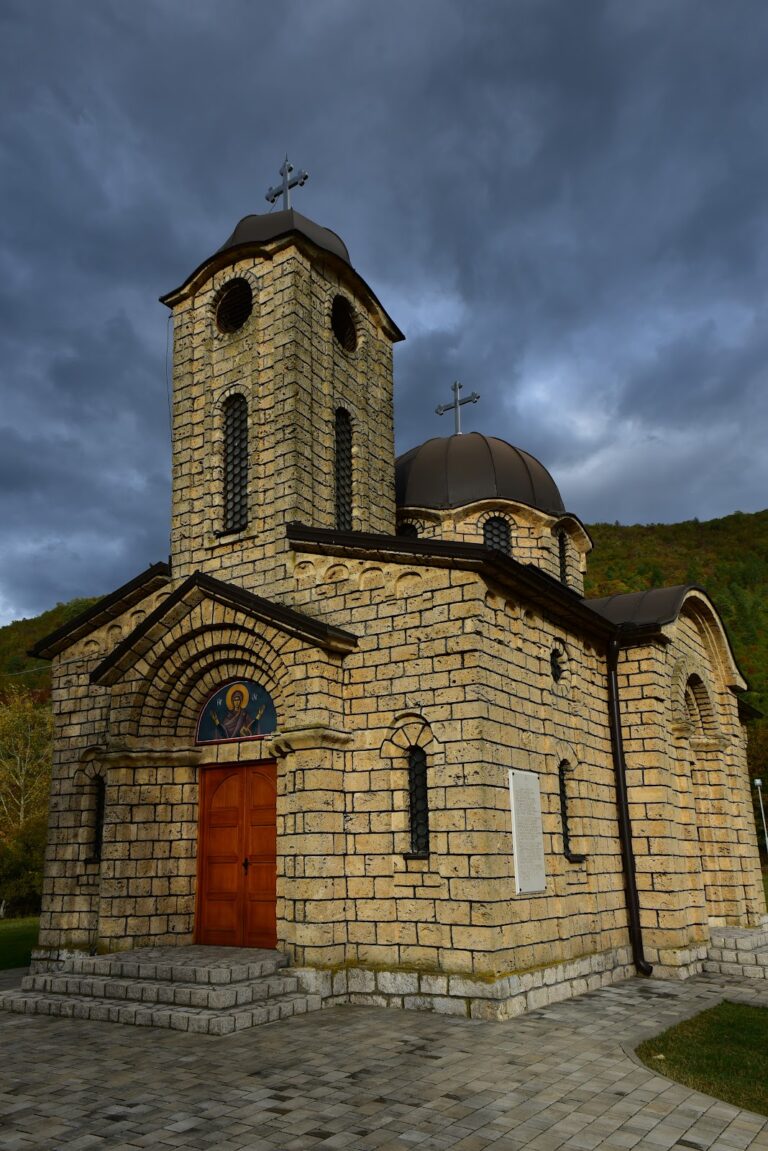
After the war, Zvornik became part of Republika Srpska, the Serb-administered entity established within Bosnia and Herzegovina after the conflict. A new Serb government built a church on the fortress grounds and transferred a church bell from the village of Divič to it as a commemoration of victory over the Bosniaks.
Remains
Mountain setting and castle structures
Zvornik Fortress stands on Mlađevac mountain above Zvornik, overlooking the Drina Valley at an elevation of 147 metres above sea level. The surviving complex includes a main building with interior rooms, a courtyard, and an underground dungeon. Two cannons remain among the visible military features, while surveillance cameras are present in one of the courtyards.
Church and archaeological remains
A church now stands within the fortress grounds, with the bell transferred from Divič after the Bosnian War. In May 2013, human remains associated with several victims of the 1990s conflict were uncovered in the Kula Grad area, adding archaeological evidence of the site’s later wartime history.